Slush Fun

In the last few years, it seems every other corner in Colorado Springs sprouts a newly built “Kum & Go” gas station. Kum & Go’s bright red-and-white oval signs beckon consumers to plentiful pumps and come-hither convenience stores. Kum & Gos are clean and spacious, with competitive fuel prices. Started in Iowa by Krause Gentle Co. (hence the “K” and “G” in the name), Kum & Go operates 400 stores across 11 Midwestern states; rapidly adding more. They’re even gobbling up unwanted locations of my favorite childhood hangout: 7-Eleven.

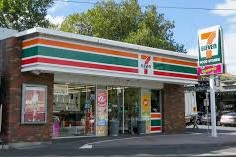
7-Eleven, of course, is the remarkably resilient convenience store of the baby-boomer generation and before. 400 stores is a drop-in-the-bucket to 7-Eleven. Worldwide you’ll find almost 70,000. It’s safe to say 9 of 10 Americans – at some time in their lives – pass under the bright green, red, and orange of a 7-Eleven sign.

7-Eleven roots to 1927, when “Tote’m” Stores launched in central Texas (yes; a totem pole in front of every one). In the post-WWII era, Tote’m rebranded as “7-Eleven” to acknowledge an unprecedented window of operation – earlier in the morning and later at night than most others. Today of course, coupled with gas stations, 7-Elevens keep those doors open round the clock.

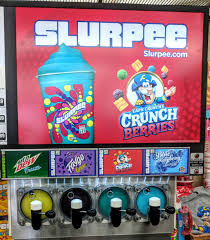
Last Thursday – and every year on “7/11” – 7-Eleven offered a free small Slurpee to all who passed through its doors. (I like number-calendar play, don’t you? “Pi Day” = 3.14, “Fry Day” – National French Fry Day = 7/13, and “Star Wars Day” = May the Fourth.) Best Slurpee trivia: its genesis was at Dairy Queen, where a franchisee put Cokes in the freezer and stumbled upon a soda slush he labeled the “ICEE”. 7-Eleven bought the license, changed the name, and the rest is history. Still one of the bestselling drinks anywhere.

This week, I find myself vacationing in the small coastal town where I spent many a childhood afternoon heading to 7-Eleven. I missed out on last week’s free Slurpee, but I went to one of their stores the day after just to have a look. I can’t tell you the last time I’d been in a 7-Eleven but know this: they haven’t changed much in fifty years. You’ll still find an entire aisle of candy. Hot dogs still rotate on heated rollers behind glass, ready for purchase. Doughnuts age in a plastic bakery case. The Slurpee machines grind away towards the back, beckoning with their cups and colors.

I’ll give you five reasons why 7-Eleven was the ideal destination for a tweenager of my day. First, 7-Elevens were located close enough to residential neighborhoods to get there on foot or by bike. Second, 7-Elevens were small; therefore, not intimidating. (A kid-sized grocery store, if you will.) Third, 7-Elevens parked a couple of pinball machines in the corner of the store (I can still hear the “knock” sound when you’d win a free game). Fourth, 7-Elevens had an entire aisle of “coin candy” (dozens of options for your hard-earned penny, nickel, dime, or quarter). Finally, 7-Elevens had Slurpees – the coolest kid drink around.

When I visited 7-Eleven last week, I bought a Slurpee for old time’s sake. Guess what? They’re exactly the same – that slushy mix of syrup, CO2, and water. You still choose from several sizes of paper/plastic cups (although now you can “Big Gulp” if you must have 32 oz.). The drink still rotates and mixes behind that round glass window; a tempting peek at the flavors before you commit. The straws still have that open spoon on the ends. And a Coke Slurpee is still the fan-favorite (I’d choose Cherry were it not for the stained lips). Frankly, the only difference between today’s Slurpee and the one in the 1970’s: you can buy a refillable cup for discounts on future purchases.

Kum & Go also offers a refillable cup – the $50 “gold” for unlimited coffee and soda for a year. But that’s hardly kid stuff nor kid prices. I only go to K & G for the gas anyway. But take my advice and stop into a 7-Eleven again. Buy a small Coke Slurpee (and a hot dog – they’re actually pretty good). The pinball machines are history, and the candy costs a lot more than a penny. Otherwise it’s like a step back in time.
Some content sourced from Wikipedia, “the free encyclopedia”, and the CNN.com article, “It’s 7-Eleven Day…”

Cooler Water Cooler

In tiny Beaver, Utah – aside the I-15 and just south of the I-70 juncture, you’ll find a Chevron gas station (still) offering full-service at the pumps. Well, sort of full-service. You fill your own tank, and as soon as you do, the attendant comes over and cleans your windshield. He also checks under the hood. When all’s said and done, he doesn’t charge you extra nor will he accept a tip. It’s a nice throwback to a time when self-service was the exception. But these days we do just about everything for ourselves, don’t we? Including bottling our own water.

I have to admit; this is a new one on me: filling my own water bottle from a public dispenser. Sure, I already know the drill at the gym (just before I navigate the zoo of torturous cardio equipment). My gym’s water machine beckons me to place my bottle under the spout, auto-fills to within an inch of the top, then magically shuts off before overflowing. There’s even a digital counter tracking how many plastic water bottles we avoid in the process. Last I checked, my gym’s counter was into the several hundred-thousands.

Just this week – the “new one on me” – I noticed the same setup in the airport boarding lounge in Los Angeles.  Two self-service machines are built into the wall adjacent to the restrooms.  In the short time before my flight, at least three dozen people lined up and filled up, as if they’d been doing this for years.  I earn the old-timer label for thinking there should’ve been a drinking fountain on the wall instead.  Or a pay phone.

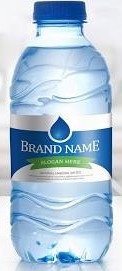
Like the full-service treatment in Beaver, Utah, self-service water dispensers are free of charge.  But that’s about to change, if you believe a recent Wall Street Journal article.  The water products of Coca-Cola (Dasani, Smartwater, Vitaminwater) or Pepsi (Aquafina, Life Water, Evian) may be your thing, and you’re about to get them – for a price – through self-service water dispensers.  For a little more cost, you can even carbonate your water or add fruit flavoring.  Safe to say, “plain water” (i.e. the brand-less, cost-less, out-of-the-tap option) may soon be hard to find in public places.

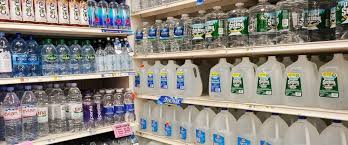
Now then, the facts.  Water is consumed by the (plastic) bottle more than any other beverage except soda.  America alone accounts for 42.6 billion bottles a year (the world: 200 billion bottles).  That spills to thirty-two gallons/person/year.  The cost?  $100/person/year.  You forgot that line item in your personal budget.  Put it just below the cost of your Starbucks habit.

Here’s another breakdown of the beverage.  Americans consume 2.2 million bottles of water every day, or 90,000 every hour, or 1,500 every minute.  No wonder proprietary self-service machines are the latest trend in airports (and just about every other place where people gather).  There’s a serious market for brand-name H20, and the manufacturers know today’s eco-friendly consumers prefer to drink from their own bottles.

[Nagging Thought for the Day:  There are more than 125 brands of bottled water across the globe; 125 unique recipes for a drink with essentially two ingredients.  What makes one different or better than the next?  For that matter, with reasonable filtering, what makes one different from the fill you can get from your taps at home?]

I wish I’d thought of self-service water dispensers myself (I also wish I’d “invented” bottled water).  I’d be drinking in the riches. These days, “dispensed” water is psychologically preferable to “tap” water, even though some calculations put it 2,000 times more expensive.  Are we just suckers for brand names?  Hey, maybe I’ll invent brand-name oxygen.  Oh wait – that ship already sailed…

Acqua di Cristallo

Here’s one more stat to quench your data thirst.  The most expensive of those brand-name waters – Acqua di Cristallo – costs $60,000 a bottle. The elixir (“water” doesn’t sound rich enough), is sourced from France and Fiji, comes in a 24-karat solid gold bottle, and contains a small sprinkling of gold dust.  Acqua di Cristallo might as well be advertised as a panacea.

Lucky for you, maybe one day Acqua di Cristallo will be offered through public self-service dispensers.  Might want to call your credit card company and increase your limit.

Some content sourced from the Wall Street Journal article, “Coke and Pepsi Want to Sell You Bottled Water Without The Bottle”, and the CreditDonkey article, “Bottled Water Statistics: 23 Outrageous Facts”.

Deutschland-ish Improvements

My wife and I are slowly remodeling our house, a room at a time. First, we took a big plunge and overhauled the kitchen. Then we gutted the master bath. Now we’re thinking about a large deck with indoor/outdoor spaces. But that was before a recent trip to Germany, where we cruised a good stretch of the Rhine. Suddenly “remodeling” takes on a whole new meaning.

Our cruise down the Rhine started in Amsterdam.  Bad idea.  Amsterdam is loaded with the prettiest little canals and bridges outside of Venice.  As we were floating up and down the “city streets” we thought, “let’s put a canal bridge on our property!”  But a canal bridge requires a canal, else you get London Bridge in the middle of the Arizona desert.  So first we’ll be building a canal.

Our next stop on the Rhine kept us in the Netherlands.  We landed briefly in Kinderdjjk, not even a map dot if it wasn’t for some of the most beautiful windmills in the world.  Kinderdijk’s windmills not only pump water; they’re houses.  We must add a windmill to our remodel list!  It would make a unique guest house, and instead of pumping water from our well we’ll just windmill it up to the house from the canal.  You know, the canal we just installed so we could put in a canal bridge.

Once our river boat hit Germany, I knew our remodel was entering uncharted territory.  In Cologne, we walked through one of the most spectacular cathedrals in the world (seven centuries to complete!)  In every Rhine river town we passed there was another cathedral (more likely a church, but over there they all look like cathedrals).  Am I saying I need a cathedral on my property?  Of course not; the neighbors would consider that a little pompous.  But a chapel would be nice.  Something to accommodate a steeple and bell tower as elegant as the ones you find in Germany.  Wouldn’t it be great – calling the family in at dinnertime?  BONG-BONG-BONG!!!

Here’s the other problem with Germany.  Castles.  Big ones.  Little ones.  Intact ones and crumbling ones.  Wherever you look in the Rhine region, you see postcard-perfect towns with castles at their highest points.  I mean, who wouldn’t want a castle on their property, right?  The problem is, here in the flatlands east of the Colorado Rockies, a castle would look, well, compromised.  You’ve got to have your castle sitting higher than everything else (otherwise, how would you lord over your domain?).  Not to mention, castles take centuries to build.  I’d like to be alive when my remodel list is finished.

(Side note: my wife showed a disturbing interest in the castle torture chambers and all their nasty devices.  Either this is lingering effects of watching “50 Shades of Grey” too many times, or I’m in deep trouble.  I’ll have to keep a closer eye on her).

Castles just reminded me about one more thing in Amsterdam.  They love their cobbled streets.  Sometimes they’re perfectly uniform and flat; other times they’re ankle-busters if you’re not careful.  Either way there’s no avoiding the cobbles.  So now my driveway needs a remodel too.  I watched an Amsterdam-ian working to replace the cobbles on one of the bridges (yes, they cobble those too).  It looked like backbreaking work, one heavy stone at a time.  But if I’m going to have all my other Rhine region elements, an asphalt driveway just won’t cut it.

In the southwest of Germany, just before the Rhine flows into Switzerland, you make a stop in Bavaria: land of dense fir trees, Black Forest cake, and cuckoo clocks.  You’d swear you walked into a fairy tale, with Snow White (or Hansel & Gretel, or a hobbit) emerging from the nearest Tudor-style cottage with a smile and some gingerbread.  Fortunately, nothing in Bavaria made it to the remodel list.  I suppose we could plant a forest of firs, but that’s just tempting a large-scale fire and we’ve already had enough of those in Colorado.

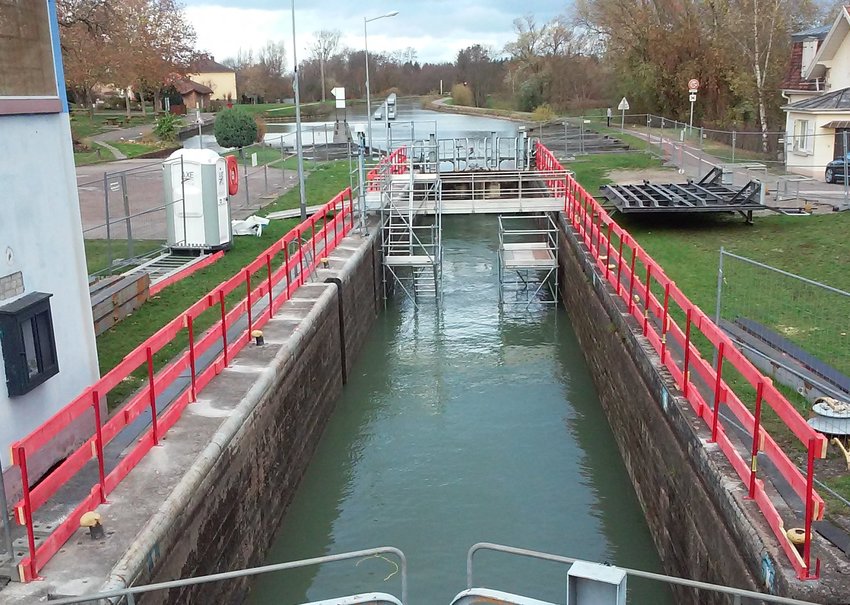
Also just before Switzerland, the Rhine passes through several locks; those mechanical wonders raising vessels from the lower river on one side to the higher river on the other.  There’s nothing like watching a lock do its thing while you’re in the lock.  Just when I thought I was done with my remodel list, here come the locks.  What a great way to secure my property!  Raise the driveway higher than the street; then force my visitors to enter through a lock!  On second thought, that’s too much work.  I’ll add another castle element instead – a drawbridge over the canal I installed way back in the second paragraph.

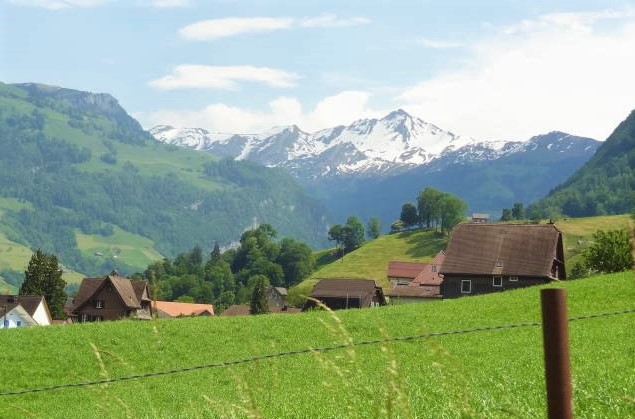
If you think my remodel is brazen (i.e. “Dave, do the deck and call it good”), just you wait.  My list is not quite complete.  Our cruise ended in Switzerland.  OMG.  I repeat, OMG.  How the heck am I going to remodel our property into Little Switzerland?  There’s nothing I wouldn’t tap from this Alpine dreamland: the dairy farms (which means a whole herd of dairy cows), the cheese and chocolate, and some of the prettiest, cleanest lakes in the world.  I’d even recruit a few of the Swiss themselves (as if they’d rather live in Colorado).  Of course, the real problem with recreating Switzerland is those dang gorgeous Alps – snowy caps, grassy meadows, cog railways and all.  Building Alps on my property would require ten billion delivery trucks of dirt and I just can’t afford that.  I’ll settle for gazing at the distant Colorado Rockies instead.

Come to think of it, gazing at the Colorado Rockies requires a deck.  That I can manage.  Let’s put my Deutschland delusion to the side and just start with a deck, shall we?

Flight of the Humble Bee

Travelling to faraway places – weeks at a time – sprouts a dual bloom of stress and excitement. The stress buds from the interruption of life at home; the need to keep things clicking and intact while away. The excitement buds from the unknown of what lies ahead; the anticipation of new sights and experiences. My keyboard tap-tap-tappings come from one of those faraway places today; Northern Europe, but it’s not my destination I’m keen to talk about. Instead I’m drifting a few days back to the start of the trip, to my outbound flight from Denver to New York. There, in a moment of rarefied air, I mingled for a few hours as a first-class passenger.

First Class. You know – the initial several rows on the airplane, dripping with white tablecloths, champagne flutes, and fluffy pillows. The wider, more comfortable seats. The dedicated flight attendant. Complimentary drinks, WiFi, movies, and magazines. Sounds so clean and expensive, with an almost regal attitude about it, don’t you think?

But what if I said, nein? What if I told you my first-class experience rated – yes – better than coach, but only with the slightest of differences? Wouldn’t you want to know why?

For starters, let’s deplane and go back to the terminal. A first-class ticket entitles you to a dedicated always-short line at the check-in counter. You already know that. Me, I missed that line. Whether the signage was on its morning break, or the harshly voiced commandant-of-the-queue distracted me with her “line up he-ah!”, or “print your boarding pass he-ah!”, or “do not leave your luggage he-ah!” (add German accent), I missed first-class check-in. Me and the “coachies” dawdled together in the snaky commoner line for a good forty-five minutes instead.

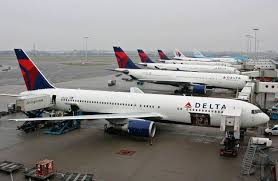
Fast-forward to the wait at the gate. My wife shrewdly pointed out the “Delta Club”, which I assumed was an exclusive members-only hideaway. Turns out, a business-class international ticket (i.e. the only reason I got first-class on the domestic leg) gets you and I access to the Club. Through a set of dark, imposing doors, past a couple of guards (who really do “guard”), we were treated to a light-but-no-cost breakfast buffet, comfortable chairs and tables, and blissful quiet (except for the gent next to me with the persistent cough). I hereby admit, the Delta Club was a sweet perk of first-class, if only to hang with less rats in the airport maze.

When a flight is even slightly delayed, and the passengers have nowhere to escape to outside of the boarding lounge, the ensuing chaos is a predictable study in human nature. No matter what kind of ticket you hold, “pre-boards” walk the plank first (defined as anyone needing extra time to get to their seat). After, Delta welcomes a mix of military, first-class (me!), and “Sky Priority” frequent flyers. But here’s the thing about rats. The line to board the plane is hopelessly windy and long, snaking between the walls of the concourse and the rows of boarding lounge seats. Try pushing to the front of the line – first-class ticket frantically waved above your head – when you’ve been standing in the back. Not-so-nice stares from other rats.

After taking my seat in 2a (or spoken with attitude, the second row), the complimentary glass of orange juice or champagne (or both please – mimosa!)… never materialized. Then I realized why. The logistics of serving drinks in first-class is virtually impossible when all the coachies board down the same aisle. No, this was not one of those planes where you “turn left” for first-class and “turn right” for everything else. One door. One aisle. All rats in the same maze after all.

<Cue disconsolate, sad music – solo violin or muted cello.  First-class is dying on the vine.>

How about breakfast? First-class meals are pre-ordered – on-line. That’s cool. Choose from blended steel-cut oats/quinoa with fruit, or an egg/cheese souffle with chicken sausage. My wife chose one and I chose the other – borderline-healthy airplane food requiring forks and knives! Not only that (insert smirk), turbulence prevented the flight attendants from serving anything in the main cabin, not even so much as a glass of water. Hope y’all bought some pre-packaged self-serve snacks before you boarded.  Ha!

But there it is. Attitude. Just when I think I can comfortably digest my first-class privilege; attitude rears its ugly head. Suddenly the passengers in row five and beyond are – ahem – somehow lesser. Not right. Time to pull my head out of – ahem – the clouds, and drift back down to reality. First-class may start out a little sweet, but the aftertaste can be a little bitter. Better to take my rightful place with the coachies from now on.

Snacks, Snooze, Repeat

My wife and I are adjusting our sleep schedules several days ahead of an upcoming trip to Europe. The first night we went to bed an hour earlier than usual, the next night two hours earlier, and so on. Our destination is eight hours ahead of Colorado, so who knows if this fool-the-body ploy pays off when we get there. It’s all about fending off Mr. Jet Lag.

Courtesy of lifehacker.com

Sleep – quality sleep, that is – depends on almost too many factors to count. You’ve heard the guidelines before.  Do you go to bed at the same time every night? Do you get a minimum of seven hours?  Do you have a comfortable mattress? Is the room temperature cool-but-not-too-cool?  Can you “black out” your bedroom, including every light except the little green one on the smoke alarm? And speaking of light, do you wind yourself down well before bedtime, without screens or headphones or anything else to keep the brain humming?

The list goes on, of course. What did you have for dinner; when did you have dinner; did you have alcohol or dessert too close to bedtime; did you take any meds; how and when did you exercise – they all mess with sleep. And if your sleep really is a mess, you have a convenient excuse in any one or more of these factors.  But hang on.  Someone (or some-ones) claims to have a better approach now.  What if your quest for quality sleep hinged on only one factor?

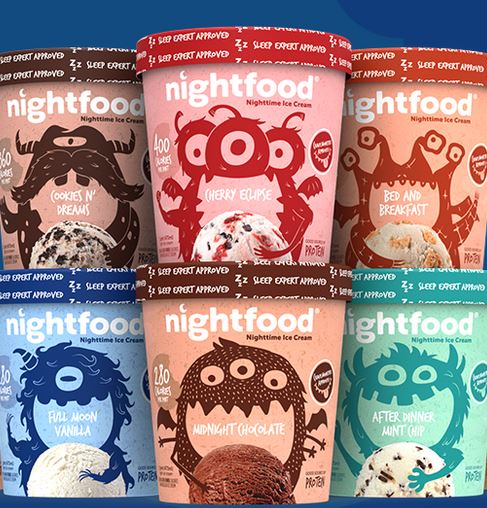
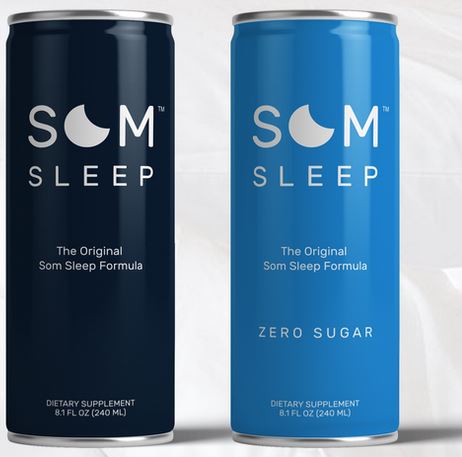
Meet the latest trend in sleep aids: “pre-bedtime” snacks!  Choose from a pint of ice cream, a handful of chocolates, a creamy drink, and others.  They’re all concocted to show you the way to better sleep.  Nightfood’s ice-cream pints are carefully advertised as “sleep-friendly”.  Nestle’s “Goodnight” candies subtly recommend you “enjoy… 30-45 minutes before you’d like to drift off to dreamland”.  Som Sleep’s products innocently ask you to “drink 30 minutes before you are ready to sleep”.

Am I the only one in the room with a terrified look on his face?  I can hear myself already.  “Time to go to bed, honey…. oh wait!  You forgot your delicious pre-bedtime snack.  Don’t you want a good night’s sleep?”  After reading a little about these “foods”, my first thought was not, “how do they taste?”  My first thought was not even, “I wonder if they work?”  NO; my first thought was, “won’t they become psychologically addicting?”  Think about it.  Doesn’t really matter what’s included in the ingredients (i.e. melatonin, magnesium, glycine).  Doesn’t even matter how much you consume.  Rather, if you decide you’re suddenly getting a better night’s sleep, won’t your pre-sleep snacks turn into pre-sleep dependence?  Snacks.  Every night.  For the rest of your life.

For sheer entertainment value, visit the websites and peruse the product claims.  Nightfood says they’ve “removed/minimized stuff that in most other ice creams can be sleep-disruptive” (namely sugar and fat).  Nightfood also says their product “… does not contain sleep-aid substances or drugs.”  Finally, Nightfood does not suggest people eat ice cream as a sleep-aid.  O-kay, anyone else utterly confused?  I can get past an ice cream with no sugar or fat (not that I’d ever eat one), but if Nightfood doesn’t contain sleep-aids and I’m not even supposed to eat Nightfood as a sleep-aid, doesn’t it kinda-sorta lose its purpose in life?

The sad reality is that one-third of us get less than the recommended daily minimum of sleep.  Probably another third is too attached to their handheld devices; brains revving day and night.  The rest of us – save those few quality-sleepers – are getting something else wrong.  But if that’s the truth, instead of snacking on chemicals (er, “food”), why not just adjust a sleep factor or two and see if you can do better?

Despite my soapbox, maybe you’re still looking for the quick fix (to take up pantry space beside your 5-Hour Energy Shots).  Guilty as charged?  Go ahead then; buy into the hype.  As Nightfood jingles, “…turn on TV, grab spoon, do your thing, sweet dreams!”  You can almost see the company’s founders sleeping – er, laughing, all the way to the bank.

Some content sourced from the Wall Street Journal article, “A Late-Night Snack to Help You Snooze?”

It’s All in the Cards

Back in the Boy Scouts, my troop-mates and I memorized statements designed to make us better young men. The Boy Scout motto was, “Be Prepared”. The Scout slogan: “Do a Good Turn Daily” (help others). The Scout oath – several sentences stated with a raised right hand (fingers forming the Scout sign) – included obedience to the twelve points of the Scout law. Recently I’ve been thinking about Point #2 of the Scout law, Loyalty; showing care for family, friends, and country.  But what about care for merchants?

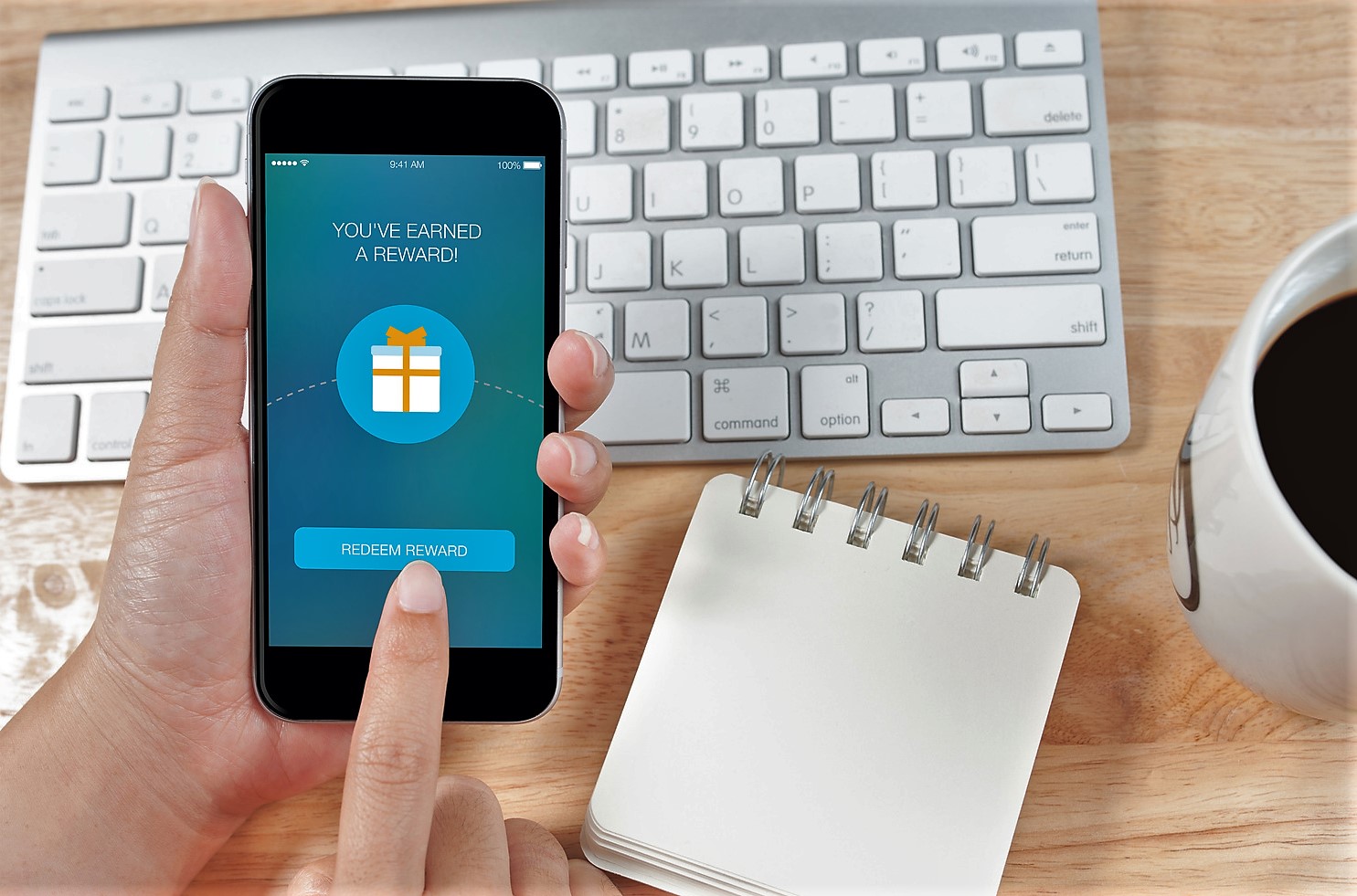
Customer loyalty programs – those structured marketing ploys designed to tempt continued shopping at particular businesses – are standard retail procedure these days.  The use of plastic and punch cards, account numbers, or scanned apps is as common as pulling out your Visa.  I get suspicious when a merchant doesn’t have a loyalty program.  It’s all about the points, and the allure of discounts or freebies through accumulated spending.

American Airlines, credited with starting the first full-scale customer loyalty program in modern times (1981), had no idea its “frequent fliers” would become the trendsetters for countless programs to follow.  But the drive for customer loyalty started way before AA.  Anyone who remembers pasting S&H Green Stamps into collection books, clipping Betty Crocker coupons straight from the product box, fishing prizes from Cracker Jack caramel corn, or joining the Columbia House Record Club (“8 CD’s for a penny!”) has dipped their toe into the customer loyalty pool before.

I took a quick inventory of my own customer loyalty and the numbers surprised me.  I carry eight cards in my car.  I have another eleven apps on my phone and another ten on-line accounts.  That’s 29 unique programs, and over 30 if I include the couple of credit cards where my swipes eventually equal cash back.  For someone who rarely shops on impulse, that’s more attention to spending than I’d care to admit.

If I did a little spring cleaning, I’d likely reduce my loyalty programs by one-third.  Many sit gathering dust because I haven’t used the merchant or service in years.  Others accumulate points at a snail’s pace.  Fill my inbox with special sales alerts or saturate my voice mails with pleas to “buy now!”; it won’t matter.  I purchase on my own terms.

Here are two recent loyalty experiences; the reasons I chose this topic today.  Last September we took a weekend trip to Aspen, settling for a Westin hotel in nearby Snowmass (Aspen is over-the-top expensive to us commoners).  When I went to Westin’s website for the booking, I discovered their loyalty program (Starwood) was merging with Marriott Rewards (now Marriott Bonvoy).  Hallelujah – my Aspen getaway gets me points! But not so fast.  Logging into Marriott Rewards, the home page alerted me to the fact the program merge was still in progress, and a Westin stay might not result in Marriott points.  Long story short, I called the hotel, spoke to the front desk, and had them book the reservation for me instead.  Yep, you can still do it the old-fashioned way.  And you still get points.

My other recent loyalty experience involved Nicholas Mosse Pottery (Kilkenny, Ireland).  Mosse makes beautiful handmade plates and bowls and the like, and we’ve been collecting a few pieces at a time since visiting Ireland a few years ago.  Points for me (ha) for joining the Mosse loyalty program from the get-go.  Just this week they alerted me me to my quietly-amassed rewards.  I then purchased a $70 plate for virtually nothing.

My Mosse experience is the perfect example of my casual approach to customer loyalty.  I don’t keep track of points until they equate to something significant.  Sure, I favor certain products and services, but I’d still favor Marriott or Starbucks or Costco without their loyalty programs.  For someone who tracks every penny, there’s something very satisfying in the surprise of unexpected discounts.  That’s how it works best for me.

Here’s my advice.  Don’t let customer loyalty programs drive your spending habits.  If you do, the merchant “wins”, because you’re likely spending more along the way than whatever discount or freebie you end up getting.  Loyalty = showing care; yes, but with retail that should only mean preferring one store over another.  Despite what they’d have you believe, it’s not all in the cards.

Some content sourced from Wikipedia, “the free encyclopedia”, and from the Wall Street Journal article, “Inside the Marriott-Starwood Loyalty Program Turbulence”.

Slipping Away

Every time we travel to California – this past weekend, for example – I have to be reminded about their statewide ban on single-use plastic carryout bags.  You think I’d remember – Cali put the kibosh on the bags three years ago.  Still, we fill our basket with groceries, head to the check-out, and the cashier goes, “want to purchase bags?”  Argh.  I should store a couple of reusables in my suitcase; the very ones I keep in my car in Colorado.

Plastic straws followed plastic bags, of course.  Four months ago, the Golden State placed “discouragement” on the plastic variety (you must ask for them now).  We sat down to a meal and our waitress brought glasses of water – with paper straws (argh again).  Admittedly, “legal” sippers are pretty good.  No reduction to mush like breakfast cereal sitting too long in milk.  Other than the cost (several times more than plastic), and the fine ($25/day for un-requested plastic), paper straws are hardly inconvenient.

Now then, the real topic for today.  California is looking to “strike up the ban” yet again – on paper receipts; the little critters we receive after credit card transactions.  Say it isn’t so, West Coasters!  Bags and straws I can deal with, but a ban on paper receipts?  That’s just stealing another book from my old-school library.

According to a Wall Street Journal op-ed, the facts are these: paper receipts generate 686 million pounds of waste per year. (Can someone please quantify 686 million pounds – say, number of filled swimming pools?)  Paper receipts also generate 12 billion pounds of carbon dioxide. (Again, quantify – number of breathing humans?)  Also, paper receipts contain Bisphenol A (BPA); not exactly an appetizing compound.  In other words, don’t eat your receipts just because the food was lousy.

Without paper receipts, my personal budget maintenance takes a blow.  I keep everything in Quicken, so give me points for electronic accounting.  But I also use paper receipts – an old-fashioned double-check mechanism.  I enter the transaction from the receipt; then cross-check against the Visa statement (Jacob Marley reincarnated?)  Why do I do this?  Because once upon a time a waiter decided to triple my tip after I’d signed the bill and left the restaurant.  Later, my paper receipt didn’t reconcile with my Visa statement.  Busted.  I promptly called the manager, who investigated and lo-and-behold, discovered a pattern of gouging.  The waiter was fired.  More points for me!

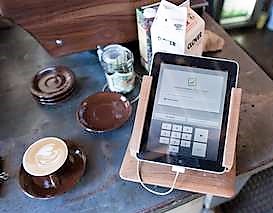
Now here’s the irony in my triple-the-tip story.  What if the restaurant didn’t use paper receipts?  What if I processed my transaction through Square or an iPad, self-swiping my card and choosing the percentage tip?  For starters (and finishers) there wouldn’t have been gouging because there wouldn’t have been a waiter.  It would be like standing over the shoulder of the processor at Visa – instant reconciliation.  In effect, my story is a vote for no paper receipts.

Truth be told, I’m already evolving – slowly – from paper receipts.  When given the choice (Home Depot comes to mind), I select “email receipt” or “no receipt” more often than “paper”.  Unlike robo-calls, I accept the unsolicited side effects of electronic commerce (i.e. email spam).  In a nod to maintaining control, I select self-check-in at airports and self-check-out at markets.

More likely, I’m caving on paper receipts because I’ve already done so with a laundry list of other paper products.  My written letters have (d)evolved into email.  My paper-printed books have dissolved into bits/bytes on my Kindle e-reader.  My to-do lists now reside in a phone app.  Bills arrive in my online inbox instead of my streetside mailbox.

Phil Dyer, one reader of the Wall Street Journal piece, commented, “California will soon attempt to regulate earthquakes”.  49 of 50 U.S. states just LOL’d.  Me, not so much.  After all, I never thought I’d see the day where I’d give up my paper receipts.

Clothes Shrink

On our 25th wedding anniversary, my wife and I crossed the Atlantic for an unforgettable first trip to Ireland. We wanted a few keepsakes to bring back with us, so we shopped carefully as we went about our travels. She found a gold necklace with a St. Brigid’s cross (her namesake), and a few ceramic Christmas ornaments. I opted for a few logo items from the Guinness Brewery, and a coffee table book on the village of Kildare. We also purchased music from a lovely harpist, playing outdoors just steps from the Cliffs of Moher.  Last week, I came across one more Ireland item I forgotten about: the sweater you see below.  It’s colorful and it’s Celtic… and I think I’ve worn it once.

Don’t know about you, but the new year is always my opportunity for “spring cleaning”.  Maybe it’s because I’m already in the mode as I take down and box up the Christmas decorations.  Or maybe it’s because my office files burst with paper after a year of accumulation.  Whatever the reason, by mid-January I manage to a) empty my office of anything irrelevant to the coming year, and b) conduct something akin to an inventory reduction sale on my clothes.  The office files are easy, but the wardrobe; that takes a little more judgment.

When it comes to decisions about clothes, it’s safe to say guys have it easier.  We’re more utilitarian – by definition “designed to be useful or practical rather than attractive”.  Yep, that’s us guys – if the shoe fits, so to speak.  Of course, women flip the definition around and put the premium on “attractive”.  For them it’s more about fetching than fitting.  In fact, I’d venture to say a woman’s closet is 75% “attractive” and 25% “utilitarian”, while a man’s is the reverse.  And trust me; “utilitarian” is easier to shift to the giveaway pile.

Destined for Goodwill

My annual wardrobe shrink is always nostalgic.  Some items – particularly suits and sweaters – survive several years before reluctantly leaving the nest.  Others – admitted impulse buys – fly the coop having been worn just a handful of times.  I’ll never forget one year, when I brought eight suits to Goodwill.  Why so many?  I moved from California to Colorado and changed jobs in the process.  My CA job required the suits; my new CO job did not.  Even so, I had to swallow hard on that donation.  Those suits had plenty of mileage left in them.

Illustration: James Gulliver Hancock

Here’s a mistake I make all too often with my wardrobe.  I’ll buy a shirt or a pair of pants at a store.  Weeks later, I realize I really like what I purchased, so I go online and buy another half-dozen; same style in various colors.  That’s the mistake.  Not only am I a poor color-chooser through the Web, but I don’t wear that shirt or those pants as often as I think I will.  In other words, I over-shop (and I’m a guy!)  Then comes wardrobe shrink time, and my giveaway pile includes that shirt or those pants.  Not good.

The more common mistake – at least for us guys – is to buy something last-minute for a single occasion.  Sure we may need it, but do we take a moment to project whether we’ll ever wear that item again?  If not, that shirt or tie or sweater is reduced to a keepsake, sitting quietly on the closet shelf just yearning for another wear.  That’s my Ireland sweater.  Kinda sad, isn’t it?

Admittedly, I have other keepsake clothing.  I buy shirts from favorite destinations (hello Guinness), and can’t bear to part with them.  I buy shirts with my college’s logo on them, and can’t bear to picture someone else wearing them.  I still have an Aloha shirt from our honeymoon in Hawaii (probably the last time I wore it too).  No matter – there’s plenty of room in the closet when 25% just went to Goodwill.  The purge is not completely pure.  My Ireland sweater will live to see another year.

Some content sourced from the Wall Street Journal article, “The Case for Buying Less Clothing”.

Putting the Kettle On

Kacey Musgraves is a blossoming country music artist whose recent album “Golden Hour” will compete with heavy-hitters at this year’s Grammy Awards for Album of the Year. She’s released only four albums (through major labels), so the nomination is remarkable. And yet – despite the acclaim heaped on “Golden Hour” – my favorite Kacey song remains a track from her second album, “Pageant Material”. In her words, it’s “a little, tiny, music-box-of-a-song” called “Cup of Tea”.

The message in “Cup of Tea” (have a listen here) – is simple: no matter who you are or what you stand for, you’re never going to appeal to everybody.  There will always be haters out there no matter how you present yourself.  My favorite lyrics in “Cup of Tea” are the refrain itself:

You can’t be, everybody’s cup of tea
Some like it bitter, some like it sweet
Nobody’s everybody’s favorite
So you might as well just make it how you please

Kacey wouldn’t mind if I told her “Cup of Tea” gets me thinking just as much about tea as about how well I mesh with other people.  Not that I’ll be steeping anytime soon, mind you.  I can’t seem to acquire tea-taste, no matter how many times I put the kettle on.  Go figure – half my DNA originates from England, so you’d think my instincts would have me setting out the fine china and doilies every afternoon.  I’d nibble on the cakes or scones or whatever comes with, but no tea, please.  I much prefer my morning coffee.

Ironically, tea brews with some of my earliest childhood memories.  My parents used to take my brothers and I downtown in Los Angeles, to restaurants on the streets of Chinatown – probably as much for the cultural experience as for the food. I can still picture those dark, quiet dining rooms, with the strange music and gaudy decor.  The meal always began with a pot of tea, including the little round cups that seemed to have misplaced their handles.  Tea was a cool experience back then. Listen, when all you drank was milk or water (or the occasional soda), tea was pretty sweet no matter how it tasted.  It was like having a “grown-up” drink before being grown up.

Forty-odd years later, I notched another tea-riffic memory.  My wife and I took a cruise on the Baltic Sea a few summers ago (“six countries in eight days”), and chose Oceania, one of the nicer cruise lines.  Good decision.  As much as we enjoyed the excursions off the ship, we enjoyed the return even more, because every day we were treated to “afternoon tea”.  Oceania’s tea was the perfect respite between the early morning touring and the evening dinners/dancing.  “Tea” included tableside service from tuxedoed waitstaff, countless cakes and petit fours, and those little triangle sandwiches with the crusts removed.  “Tea” even included a string quartet; their soft music adding to the ambiance.  I suppose I could’ve asked for coffee instead, but that would’ve tainted the experience.  Not to say I enjoyed the tea itself.  Just “afternoon tea”.
The culture, history, and preparations of tea could generate a week’s worth of posts.  (See the Wikipedia article here).  What I find more interesting is how tea has become the daily routine of several global cultures.  The Chinese and Japanese consume tea in the morning “to heighten calm alertness”.  The Brits serve tea to guests upon arrival (or in the mid-afternoon), for “enjoyment in a refined setting”.  The Russians consider a social gathering “incomplete” without tea.  Not sure about all that, but I can at least agree with the moment of pause tea provides; the respite from the faster pace.  It’s just… my “cup of tea” is coffee.

Center Peace

Let’s admit to one of the unspoken axioms of commercial air travel, shall we?  When it comes to flying, we do everything we can to avoid sitting next to a stranger. In an open-seating approach like Southwest Airlines, it’s all about the aisles and windows, pinning our hopes on that almost-extinct creature known as the open middle seat. Turning the corner from the jetway and gazing down the narrow aisle, our brains simply erase the middles from the seating plan. We’ll go all the way to the last row before we’re forced to sit beside a stranger. It’s like boarding the big yellow bus in elementary school, forced to choose a seat next to a kid you don’t already know.  Haven’t changed much as adults, have we?

Call me a lost cause, but I’m here today to extol the virtues of the middle seat.  There really can be peace in the center.  Thanks to my wife (who prefers the window seat for all kinds of reasons), I’ve chosen the middle seat for countless flights in our marriage.  Used to be, we’d take the aisle and window and leave the middle open, with decent odds for extra storage and elbow room.  These days?  An open middle is about as likely as getting bumped to first class.  It just doesn’t happen.

I know what you’re thinking.  A middle seat forces you to sit next to a stranger (assuming you’re traveling alone or as a couple).  Not a problem, as long as you drive the situation.  After your stranger joins you, you have about fifteen seconds to engage them in a conversation.  Those fifteen seconds are your one chance where a meet-and-greet feels natural, because you’re both still settling in and probably making a little eye contact.  Sixteen seconds in however, you’ve lost your chance.  I can’t tell you how many times I’ve waited until the tail end of the flight (that “safe” moment when you realize you’ll be off the plane and gone in fifteen minutes anyway), only to find out I was sitting next to one of the nice/normal ones out there.

Here’s another rule about middle seats.  You need to find your comfort zone with the armrests.  There’s not a lot of real estate on those babies, so inevitably you’ll be jockeying with your neighbor to figure out how to share.  Just make sure you don’t let your neighbor take the whole armrest from the get-go.  If you do, your middle-seat space will feel super-cramped. (Why did a ’70’s rock band just come to mind?)  In other words, you’ll experience “armrestlessness” the remainder of your flight.

Strangers and armrests aside, let’s acknowledge some of the hidden positives of sitting center.  First, you have the easiest access to all the ceiling gadgets.  Adding light or air or a flight attendant to your environment requires nothing more than a casual reach overhead.  Your seatmates have it more difficult.  They’ll often add an “excuse me” to their movements, or even ask you to do it for them.  Sometimes that means bodily contact. Ick.

Second positive: you avoid the shortcomings of the window and aisle seats.  What are those?  The window seat personal space is noticeably smaller than other seats (including the storage space below the seat in front of you).  The window seat is also be noisy if you’re near the engines.  The aisle seat personal space is constantly interrupted by the happenings in the aisle itself: roving flight attendants, drink carts, and all those other strangers on the plane.  And here’s the ultimate penalty for sitting in the aisle seat:  you’re sitting between your seatmates and their freedom (i.e. the lavatory).  Every time they’re up and out of their seats, so are you.

Speaking of airplane lavatories, I avoid them until my bladder pulses me into levitation.  It’s not an issue of cleanliness or claustrophobia, but rather the journey to get there from your seat.  Here’s my ultimate nightmare: I get past the aisle seat and head to the front lav.  I find it occupied, which means I head to the back (no lines allowed in front).  On my way to the back, the seat belt sign dings and flight attendants guilt me into returning to my seat.  Mission unaccomplished.  Hold please.

Final though: be bold and choose the middle seat on occasion.  You might enjoy it as much as I do.  Then again, in-between comes more naturally to me. I was a middle child growing up.  I live in a middle state in the U.S.  I like to think of myself as slightly above average.  In other words, fair-to-middling.