A Distant Third

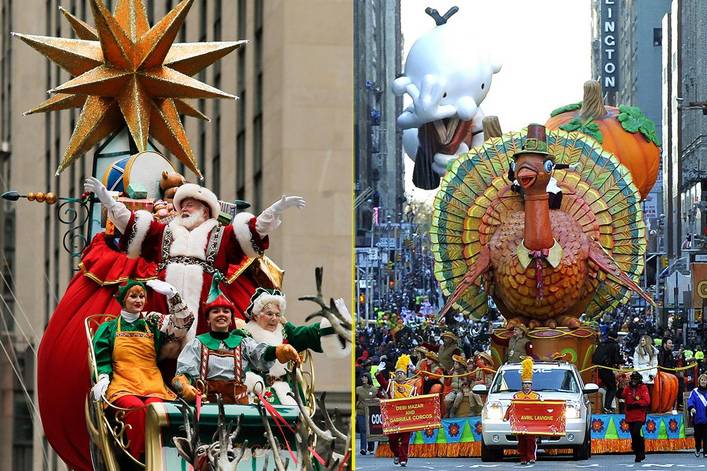
America’s Election Day finds us one week post-Halloween, fifty days pre-Christmas, and still adjusting to that pesky hour gained from the loss of Daylight Savings Time (got all that?) Fittingly, I’m working through a small pile of candy corn and M&M’s while placing a couple of online orders for holiday gifts. And that, my friends, is the perfect lead-in to today’s topic. With Halloween fading fast as the sun, and Christmas approaching like Starbucks’ holiday cups (just when did those show up already?), where in God’s name is the love of Thanksgiving?

Of course, Thanksgiving gets steamrolled every year between the other two loudmouths – just seems the real estate on either side is getting bigger. Our neighborhood’s professional haunted houses, pumpkin patches, and corn mazes opened gates in early September. Then Christmas’ onslaught of decor, music, and retail made its entrance the moment front-porch lights switched off on trick-or-treating. In short, Holiday 1 and Holiday 3 officially overlapped each other, suffocating Holiday 2 onto life support. It’s the classic case of middle-child syndrome – “exclusion caused by the more specific attention to the others”. Poor Thanksgiving.

To be fair, ranking the standard aspects of holidays puts Thanksgiving in third place in just about every category.  Let’s review a few:

ORIGIN: Halloween dates to 2,000 years ago; the ancient Celtic festival of Samhain (in present-day Ireland), when people lit bonfires and wore costumes to ward off ghosts. That’s pretty cool.  Thanksgiving dates a mere 400 years, mimicking the harvest meal shared by the Wampanoag Indians and English Pilgrims. Christmas – at least to us Christians – dates over 2,000 years ago to the birth of Christ. Measured by the calendar then, Christmas (C) takes first place, Halloween (H) second, and Thanksgiving (T) a distant third.

CELEBRATION: Halloween used to be just children’s trick-or-treating. Now we’ve evolved to a month of the aforementioned haunted houses, pumpkin patches, and corn mazes; then costume contests, themed drinks, and increased cover charges at the bars; and a plethora of scary movies at the theater. Thanksgiving?  One day preparing one meal to be consumed in (more or less) one hour.  Christmas has its December 25th, but it also has a season’s worth of caroling, parties, movies, concerts, parades, church services, craft shows, decorations, temporary ice-skating rinks, and on and on and on.  Again – First Place: C, Second: H, (Distant) Third: T.

MUSIC: Halloween: “Werewolves of London”, “The Time Warp”, “The Monster Mash”, “Ghostbusters”, “Thriller”. Christmas: You-pick-’em – a dozen of your favorites (from hundreds if not thousands of carols). Thanksgiving: Not one.  Not one single, solitary tune comes to mind. First Place: C, Second: H, Late-to-the-party: T.

COLORS: Halloween: Red, Orange, Yellow (and every shade in between). Thanksgiving: brown. Christmas: Red, Green, White. Let’s call it a first-place tie between C and H.  In third place (and looking awfully uncolorful): T.

APPAREL – Let’s give this category about five seconds. Halloween is all about apparel, so anything goes and everything works. Christmas allows for – at least once in the season – your Sunday best, or getting all dolled up for some special occasion. Thanksgiving? All I come up with is stretch pants to ease the digestion of the meal.  First place: H, Second place: C, Absent-From-The-Podium: T.

FOOD – Halloween brings forth every imaginable candy, with a side of bobbed apples and witch’s brew. Christmas explodes with candy canes, decorated cookies, the Grinch’s roast beast, and those wretched fruit cakes. But here comes Thanksgiving for the kill – turkey, stuffing, potatoes, cranberries, dinner rolls, salads, vegetables, two-maybe-three kinds of pie, and whatever else you can cram onto the table. Assuming this carb-crazy feast is your cup of tea, Thanksgiving wins in a runaway. First place: T, Second place: C, Third Place (+ Sugar Coma): H.

Let’s tally the results.  In five of six categories, Thanksgiving gets the beat-down from Halloween and Christmas.  The mega-holidays appear to be reducing Turkey Day to a trifle.  But lest you think it’s a dying bird, I’m here to convince you Thanksgiving isn’t down for the count.  Stay tuned: there’s more to discuss about the little holiday that could.

Candy-Crunching the Numbers

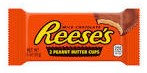
If you sift through your kids’ trick-or-treat bags today, you may be in for a surprise. When it comes to Halloween candy, we Americans are a fickle bunch. “Best” and “Worst” lists kick into high gear this time of year – with fierce debate – and the results are likely reflected in what gets handed out at the front door. Would you agree – Reese’s Peanut Butter Cups are hands-down America’s most popular Halloween candy?  By the same analytics, would you agree Circus Peanuts are the worst?  Do you even know what Circus Peanuts are?

CandyStore.com recently assembled the candy list of lists – the current bests and worsts. Check out the details in their blog post here (and buy some candy while you’re at it).  CandyStore combed the Web for best/worst candy lists from a dozen publications, then mixed in the opinions of 40,000 of their own shoppers. How they sifted all that data into a single list is a worthy advertisement for Excel.  Here are the results:

BEST Halloween Candy
10. Hershey Bars
9. Skittles
8. Sour Patch Kids
7. Butterfinger
6. Nerds
5. M&M’s
4. Kit-Kat
3. Twix
2. Snickers
1. Reese’s Peanut Butter Cups

WORST Halloween Candy
10. Mary Jane
9. Good & Plenty
8. Licorice
7. Smarties
6. Tootsie Rolls
5. Peanut Butter Kisses
4. NECCO Wafers
3. Wax Coke Bottles
2. Candy Corn
1. Circus Peanuts

Some comments (er, opinions) about the BEST list.  I can’t argue with Reese’s in the #1 spot, since I adore peanut-butter-and-chocolate, and a Reese’s cup is a convenient size somewhere between “full-size” and “fun-size” for the trick-or-treat bag.  Reese’s also happen to have an orange wrapper, so no adjustment needed for Halloween. The top five on the BEST list are solid choices, though I wonder where Snickers has the edge over Milky Way, Mars, or Almond Joy.  Three of the remaining five reflect candies joining the party well after I was a kid.  To this day, I’ve never had a “Sour Patch Kid”.

The WORST list is a little more interesting.  I’m surprised some of these earned a spot (even on a “worst” list), considering they were popular way back in the 1960’s.  But Smarties, Wax Coke Bottles, and Candy Corn bring a smile to my face, as each of them screams “Halloween” to me.  They seem to appear in October, then disappear for the next eleven months.  Wax Coke Bottles were the thought-we-were-cool 2-in-1 candy.  Bite off the bottle top for the drink, then put the wax in your mouth for a chewing-gum sensation.  In hindsight, ewwwww.

Candy corn, no surprise, is a polarizing confection.  You either love the little kernels or you simply can’t stand them.  They’re essentially corn syrup + sugar doused with a little food coloring.  Jelly Bean Candy Company has been making candy corn for over a century and sells hundreds of thousands of pounds of kernels each year, most in October.  Yet candy corn almost snagged the top spot on the WORST list.  Go figure.

On the other hand, Circus Peanuts deserve the WORST trophy.  I’m old enough to remember enjoying a real bag of peanuts at the circus, so why go and “candi-fy” my memory?  CP’s are peanut-shaped orange marshmallows (orange I suppose, because brown would not be an appetizing look for marshmallows).  Remarkably, CP’s have been around as long as candy corn, and you can still find them on your supermarket shelves.  Careful – some of those bags may have been manufactured in the late 1800’s.

Here’s another angle on the BEST list.  CandyStore took their analysis one step further and figured out, based on purchases August through October, which candy is most popular by state.  The methodology is not quite as scientific but the results are amusing.  You’ll find most of the BEST list represented, but you’ll also find a few head-scratchers.  Kentucky’s “favorite candy” is Swedish Fish.  Montana and Oklahoma prefer Double Bubble Gum.  West Virginians prefer Blow Pops.  As for my own state of Colorado?  Twix.  I can live with that.

CandyStore may take pride in its BEST/WORST lists, but let’s all just agree to disagree, shall we?  IMHO, licorice (of any kind) belongs nowhere near a WORST list – and that includes Good & Plenty, while 3 Musketeers is embarrassingly absent from the BEST list.  Not a fan of chocolate-covered, fluffy, whipped nougat?  Pick one up sometime and reconsider.  3 Musketeers almost feels lighter-than-air, a clever ruse to offset the guilt as I add one to my shopping cart.

Some content sourced from the Wall Street Journal article,”Americans are Divided – About Candy Corn”.

Tipsy-Turvy

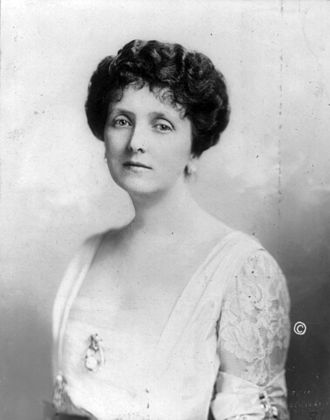
Emily Post’s Etiquette is surely an authority on its topic, considering the book was first published in 1922 and is now into its nineteenth edition. I would’ve enjoyed meeting Ms. Post, as Etiquette remains “the most trusted resource for navigating life’s every situation”. The advice never veers from its original premise, simply adapting to times as they change.  Of course, it’s all about manners – good ones at that. And were Emily Post alive today, she’d have us flip to Chapter 13, for a review of a practice of growing concern (and confusion).  Chapter 13 talks about tipping.


I’ve written about tipping before.  Three years ago (!) I told the story of my family’s visit to New York City, and the cabbie who crammed the six of us into one vehicle, then demanded a bigger tip than I gave, as a reward for saving the cost of a second cab.  I disagreed with him, because I believed – still do – a tip reflects the service itself (which was marginal).  More importantly, the recipient should never expect the tip, let alone argue over the amount.

Square’s POS

So-o-o, why is tipping such a hot topic now?  Because restaurants and coffee shops are moving to point-of-sale (POS) technology at the counter, allowing the customer to complete the transaction through an iPad, no cash required.  POS software (like Square) includes a tipping screen, offering suggested percentages/amounts, or no tip at all.  It’s a change to the social dynamic.  Before POS, you could discreetly add (or not add) a tip to your receipt before signing, or perhaps throw a few coins into the jar.  With POS, the tipping decision is forced on you at the front of the line (hurry up!).  And don’t be surprised if the person behind you sneaks a peak while you choose your tip.

My issue is not with the POS technology itself.  I like the security of completing a transaction (i.e. the credit card never leaves the hand), and I don’t mind navigating a couple of iPad screens to do it.  What I do mind is “tipping manipulation” as I’m standing at the counter.  The suggested amounts are the first thing you see, and beckon in LARGE FONTS.  To leave a smaller amount requires additional screens.  The “No Tip” option sits at the bottom like an afterthought.  Behavioral science says you’ll almost always choose from the top row, whether the service deserves it or not.

POS software gives the merchant the option to remove the tipping screen altogether, but I’m not suggesting they go back to a jar of coins.  Instead, before the tipping screen, why not insert a common courtesy (channeling Emily Post here): a screen simply asking, “Would you like to leave a tip?”

If your habit is to always (or never) leave a tip, consider the variables behind the curtains.  Some businesses adjust employee pay down if the position receives tips.  Other businesses pool tips, then divide the pot between all service positions (did you really intend to tip the dishwasher)?  The American Restaurant Association claims some states allow service businesses to pay less than minimum wage, because tips are legally considered wages.  Finally, minimum wage varies by state, so a nice tip in one state might be an insult in another.  Yet you, the tipper, have no idea if one or more of the above applies as you’re about to pay.  Messy, no?

Timeout for a favorite tipping story.  After years of one-on-one sessions, my personal trainer decided to resign my athletic club and pursue another career.  Knowing she was leaving, I asked if I could leave a tip with my final payment.  She declined, saying club policy did not allow tips.  However, she said, I could give her a positive review through the club’s on-line survey, and then she would likely receive a bonus in her paycheck.  Money and acknowledgement by her manager?  I completed the survey.

Someone once said, “Tips are like hugs, without the awkward body contact.”  I like that, except we’re starting to get awkward again.  POS screens allow for invasion of personal space, bringing tipping into the open.  Maybe Square should take a “tip” from Starbucks.  Use the Starbucks app to pay with your phone at the counter, and the tipping comes later, in the privacy of your own whatever.  You’re given several hours to consider if and how much you should tip.  I think Etiquette Chap. 13 would agree with that approach.

I’ll continue to be a savvy tipper, no matter what I’m faced with.  If I use a POS iPad, I’ll go with a “Custom Tip Amount” if I need to.  If I sign a credit-card slip, I’ll always tip on the pre-tax amount and I’ll never blindly choose 15%.  If it’s cash in hand, I’m at the mercy of the denominations I have in my pocket.  And in every case, I’ll ask myself the same question Emily Post would pose: “Did I receive notably good service?”

Some content sourced from Wikipedia, “the free encyclopedia”,  from the Wall Street Journal article, “You Want 20% for Handing Me a Muffin?”, and from the USA Today article, “How Much to Tip…?”

The Sweets Life

“Pagina Non Trovata” has the look of an elegant Italian phrase (or an opera title), until translation and context reveal its harsh reality. The phrase means “page not found”, which in my instance referred to a (former) on-line job posting for Italian candy company Ferrero. My punishment for seeking the advertisement two months after the fact? Ferrero, the second largest chocolate/confectionery company in the world, is (was) looking for sixty taste-testers – “sensory judges” if you will – to offer opinions on its products. O.M.Gee I wish I’d seen this sooner.  Instead, I won’t be one of the chosen few because, well, “page not found”.

Let’s ponder this (past) job opportunity for a paragraph, shall we?  Ferrero is (was) searching the world for several “average consumers”, who would (will now) get paid to eat chocolate.  “No experience necessary”, they claimed (otherwise by definition you aren’t an average consumer).  The only real requirement, absent food allergies, is (was) a willingness to move to northwest Italy, which darn-it-all means France and Switzerland are just as easy to visit.  Ferrero gives (gave) three months of paid training, followed by an offer to join the company as a part-time taster. “Part-time” in Italy translates to maybe a) second job, or probably b) la dolce vita (“the sweet life”, which definitely does not include a job).  Ferrero’s job is akin to unwrapping a bar of chocolate and finding a Wonka golden ticket.

If Ferrero created run-of-the-mill chocolates, searching late on their job opp wouldn’t be such a tragedy.  But Ferrero makes Ferrero Rocher (of course they do), those gold-foiled balls of decadent chocolate and hazelnuts.  They also make Mon Cheri, those pink-foiled chocolate cubes filled with cherries and sweet liqueur.  They even make Tic-Tac’s for gosh sakes, the boxed pill-like mints all-the-rage when I was a kid.  And finally, their pièce de résistance (or in Italy, “piu degno de nota”), on which the entire company was founded over sixty years ago, Ferrero makes Nutella.

Maybe it was half-hearted reading up to now, but mention Nutella and most people really sit up and listen.  I’m convinced Ferrero puts a secret something into Nutella to make consumers crave hazelnut chocolate spread all the more (bolstering the theory Starbucks does the same with its coffee drinks).  Why else would shoppers storm a small store – and engage in a brawl – when the Nutella stock was discounted 50% (see video here)?  Which leads to an even nuttier question: why have I never tried Nutella myself?

Nuts+chocolate equals killer-combination – I get that.  Give me a basket of Halloween candy and I’ll fish out all the Reese’s Peanut Butter Cups.  Offer me thirty-one flavors at Baskin-Robbins and I’ll easily short-list peanut-butter-and-chocolate.  Sell me M&M’s at the movie theater and I’ll always choose peanut over plain.  But in all my examples, I’m talking peanuts, not hazelnuts.  Nutella spread is new territory for me, which means I’m the perfect candidate for Ferrero’s job. I have no experience with hazelnuts.

The more I read about my future employer, the more I’m impressed with their credentials.  Ferrero buys 25% of the world’s hazelnut production (and fittingly, acquired the world’s largest hazelnut producer four years ago).  They employ 40,000 candy-men and women in a network of 38 trading companies and 18 factories.  Ferrero keeps its recipes under lock-and-key, never letting the press into its facilities nor hosting a press conference, and always engineering its own production equipment.  A recent survey labeled Ferrero “the most reputable company in the world“.

As if I need a clincher to make this decision, last January Ferrero acquired the Nestle’s company’s candy division.  Holy cowbells.  On top of Nutella, I get to taste-test Sweetarts and Butterfingers and Laffy Taffy and the decadent Nestle’s Crunch (silver-foiled chocolate with a generous helping of crisped rice)?  Why even pay me?

I could do this job.  The more I think about it the more I’m convinced Ferrero needs 61 sensory judges.  I’m just (fashionably) late to the party.  All I need to do is brush up on my college Italian (no joke; I spent a year in Rome back then), convince my wife that our dogs, cats, and horses would be next to heaven in northwest Italy, and promptly board the next Alitalia flight.  Sweet life – er, dolce vita – here I come!

Some content sourced from Wikipedia, “the free encyclopedia”, and the USA Today article, “Dream Job: Italy’s Nutella maker seeks 60 taste-testers…”

Loose Lips Sink Sips

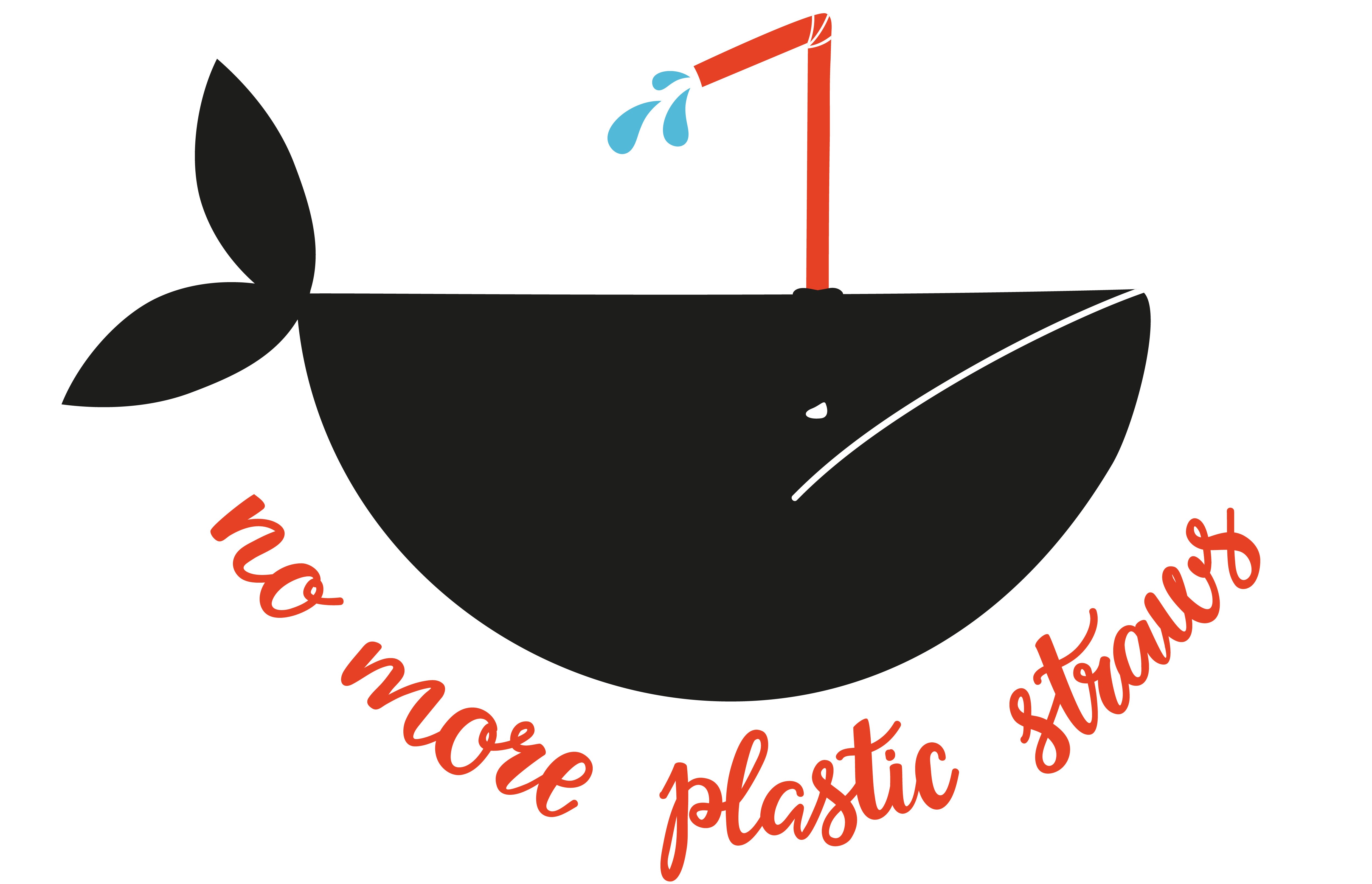
Twenty years from now, my granddaughter will wander into my home office as a young adult, just for a look around.  She won’t find much of interest on the desk or the cabinets (if we still need desks or cabinets twenty years from now), so she’ll direct her attention to the things on my shelves.  Besides photos and books, she’ll find mementos from times and places past: greeting cards, concert programs, sports tickets, autographed items, and so on.  She’ll also find items no longer necessary in her world, like a newspaper (from the day I was born), a paperweight (will anything be on paper anymore?), and a few music CD’s I can’t seem to part with.  To this last group of items, perhaps I should add a drinking straw.

“Grandpa?”, she’ll say when she spies it, “What’s the narrow little tube with the colored stripes?”  “Oh”, I’ll smile and say, “That’s a straw. People used them back in the old days to suck drinks out of their glasses.”  She’ll ponder that for a bit and then ask, “Why wouldn’t they just drink straight from the glass like we do today?” Good question, granddaughter.  Then I’d pull up a chair, and explain the tragic tale of the drinking straw – the humble roots as a durable replacement for rye grass; the evolution into kid-friendly varieties like bendy, Crazy, candy, and spoon-ended (for slush drinks); the proliferation into seemingly-essential varieties like miniature (cocktails), “extend-o” (juice boxes), extra-wide (bubble-tea), and trendy doubles-as-a-stirrer (Starbucks).  Finally, I’d talk about the straw’s fade into obsolescence – the promoted shame over “one-time-use” products, the YouTube-sensationalized horrors of polypropylene impacts to the environment, and the headlines and bans and laws which would ultimately exterminate the little suckers.

Perhaps my granddaughter would pose another question: “Why the fuss over a little piece of plastic, when so much else in the world deserved equal-if-not-more attention?”  Exactly.  I asked myself the same question when I sat down to write this piece.

No matter where you stand on the drinking straw debate, it’s a great example of the power of social media to elevate a topic to a level of importance beyond what it might deserve.  According to those in the know, straws account for a tiny portion of the plastic waste in landfills and oceans.  But they have our attention, don’t they?  As Plastic Pollution Coalition CEO Dianna Cohen puts it, “We look at straws as one of the gateway issues to help people start thinking about the global plastic pollution problem.”  “Gateway issue” – I like that.  The straw is simply the catalyst, easing people into an awareness of a much more significant problem.

As for the demise of drinking straws, we’ve moved from opinion to discussion to debate, and finally to laws and bans to discourage their use, yet we’ve hardly reached a resolution.  An effective replacement for the plastic straw simply doesn’t exist.  Paper straws durable enough to last the life of the drink don’t decompose much faster than plastic.  Paper straws cost five times as much, so the restaurant industry will have to swallow hard.  Reusable straws have their merits (ex. metal, glass), but unless restaurants budget them to the bottom line, we’re facing a massive change in behavior.  You’re already leaving the house with your car keys and your phone, but hey, don’t forget that reusable straw.

More likely, straws will simply disappear altogether.  As we speak, we’re in that awkward middle-ground where straws are still an option in restaurants, but more and more establishments (and entire states) mandate the customer must ask for one. From there, you can make the easy leap to guilt-by-association – as in, sure you can have a straw, but do you really want to be seen using one?  The only resolution in my mind is to do without, like we do hot coffee, beer, and wine.  Time to drink everything straight from the glass.

Some content sourced from Wikipedia, “the free encyclopedia”, and articles from Business Insider, Eater, and Sprudge.

Almond Joy

Think about the last time you invited friends to your place, for dinner or some other get-together. Did they bring a little something – a gesture of their gratitude – or did they show up empty-handed?  The gesture, whether a bottle of wine or baked goods, is especially thoughtful because it was never really expected, right?  You invited your guests after all, presumably with no strings attached.

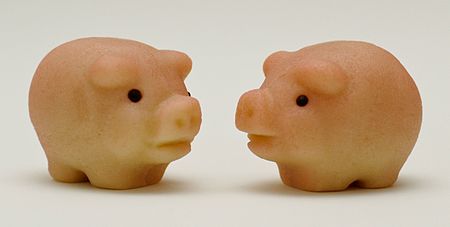
When my wife and I hosted friends from Germany a few months ago, they arrived with a plethora of German candies (an embarrassing amount, really). From their suitcases emerged boxes of chocolates and all kinds of licorice. There were German cookies and tempting little cakes. Finally, they placed a curious-looking black round metal tin on the counter.  The label proclaimed, “Mann Des Jahres”, or “Man of the Year” (???)  The tin looked more like an award than candy.  Later, I discovered it was filled with marzipan.

Marzipan translates to “March bread” by some and “a seated king” by others, but to me it is quite literally almond joy.  Sweetened with sugar or honey, marzipan derives its distinctive flavor from the paste, meal, or oil extract of almonds.  Marzipan is more popular in Europe than in the United States.  It is typically shaped into edible fruits, vegetables, or little animals – popular around Christmas and Easter.  Marzipan is also used in thin sheets as glazing for cakes.  The marzipan from my German friends was one big delightful chocolate-covered disc of almond cake.  In hindsight, I wish they’d brought a dozen “Man of the Year’s” and left everything else at home.

Marzipan was not my first introduction to the joy of almonds.  I fell for them back when chocolate bars like Almond Joy and Mounds were kings of the candy aisle (no Kit-Kat or Twix in my day).  Almond Joy was confection perfection: chocolate and coconut topped with whole almonds.  Then I discovered chocolate-covered almonds and realized I didn’t need the coconut.  Then I learned to appreciate almonds all by themselves – roasted and seasoned with sea salt – and realized I didn’t need the chocolate covering.  Today, I keep a bag of Marcona almonds in my car, to fend off less-healthy temptations.

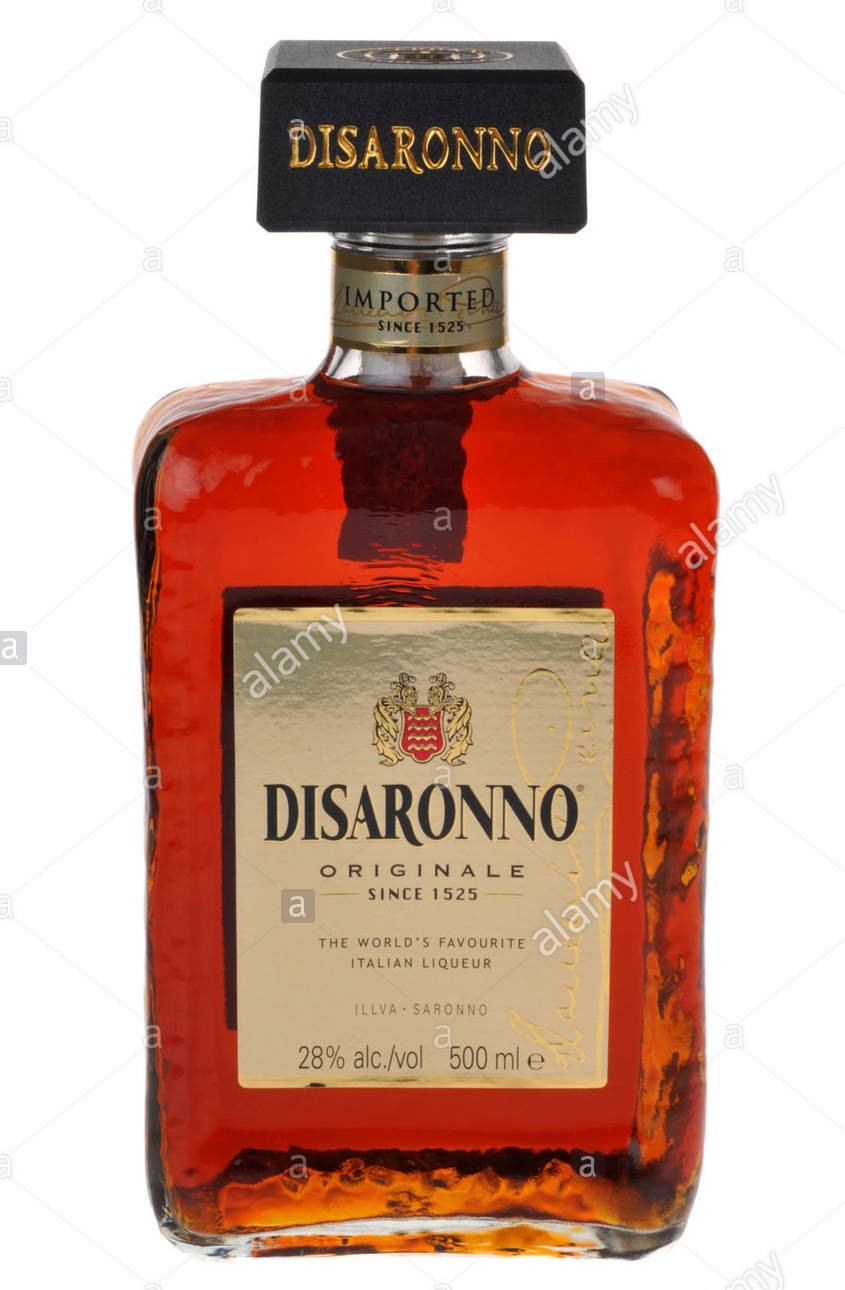
No discussion of almonds would be complete without a glass of amaretto.  In my junior year of college, studying abroad in Rome and not quite of drinking age, I was introduced to copious amounts of table wine, but also to Amaretto Disaronno, the elegant liquor from the northern part of Italy. The (supposed) origin of Disaronno is as colorful as the drink itself:

In 1525, a Saronno church commissioned artist Bernardino Luini, one of Leonardo da Vinci’s pupils, to paint its sanctuary with frescoes.  As the church was dedicated to the Virgin Mary, Luini needed to depict the Madonna, but was in need of a model.  He found his inspiration in a young widowed innkeeper, who became his model (and lover).  Out of gratitude and affection, the woman wished to give him a gift.  Her simple means did not permit much, so she steeped apricot kernels in brandy and presented the resulting concoction to a touched Luini. (from “A Brief History of Amaretto” – Shaw Media)

Saronno, Italy

Apricots still play a role in the making of amaretto, but its distinctive flavor comes from bitter almonds (amaretto translates to “bitter”).  Yet it’s still syrupy sweet – too sweet for me to drink straight.  Like most I “sour” mine with a shot or two of lemon juice.

Now that I think about it, we have almonds everywhere in our house.  Almond milk in the refrigerator.  Almond flour in the pantry.  Almond extract in the spice drawer.  Almond butter for our protein shakes and slivered almonds for our salads.  Amaretto in the liquor cabinet.

Still not enough.  I need to go find me some more marzipan.

Some content sourced from Wikipedia, “the free encyclopedia”.

Foul Mouth

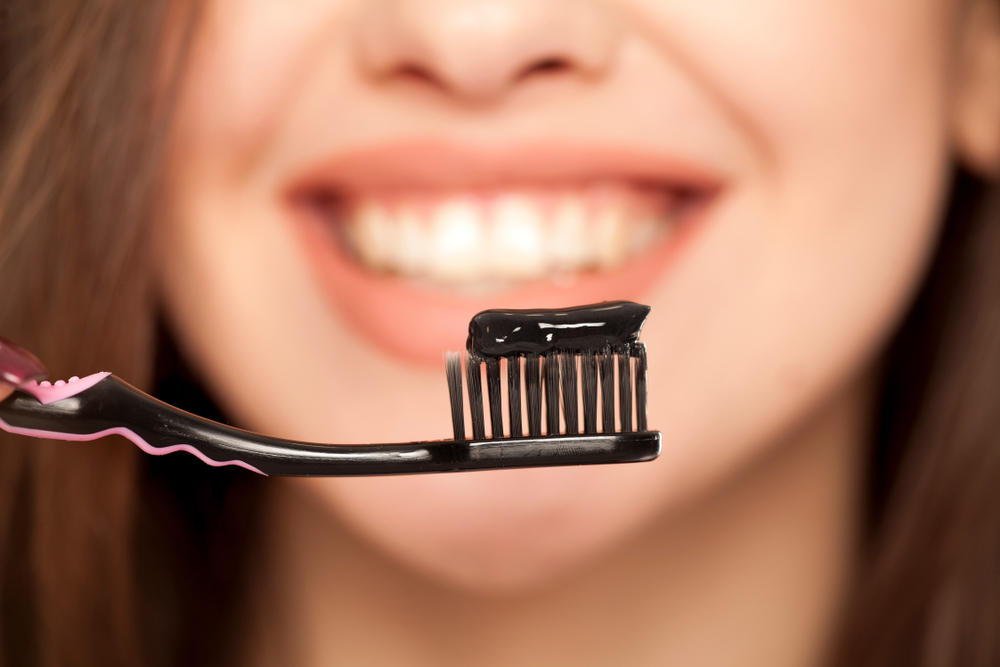
Search the Guinness World Records website using the word “mouth”, and you’ll get pages and pages of results – over 250 mouthy records. Most seedless grapes stuffed into the mouth: 94. Most lit candles: 37. Most tennis balls: 5 (by a dog). Most drinking straws: 459. We’ll put just about anything into our mouths these days.  Now add to the list baking soda for brushing, coconut oil for “pulling”, and charcoal for whitening.  That last one; it makes me pause. Charcoal?

Charcoal is the mound of briquettes in your barbecue.  Charcoal is the sooty remains of a smoldering campfire.  Charcoal is “lightweight black carbon and ash residue produced from animal and vegetation substances”.  Yet we choose to put this substance into our mouths?  Apparently “Sensodyne”, “Pearl Drops”, and all those other white-whiteners didn’t do the trick.  Checkmate.  Black wins.

If hygiene headlines speak the truth, black is the new white (or something like that).  Charcoal powders and pastes are the trend-setters these days, turning the mouth solid black before – allegedly – turning the teeth a whiter shade of white.  The color cycle of toothpastes is now complete, starting with the classic whites from days gone by, moving through the entire rainbow (including the blues and reds of Colgate; the green gels of several), and concluding with a shade the darker side of midnight.  But is blacker really better? Some fan-quotes are a little vague: “I’m using this [to show] I’m in the know,” says one, and “Everyone wants to try something new, but it has to be something that looks cool,” says another, and “I’m doing it to encourage dialogue.” Sounds like charcoal is more about image and less about whiter teeth.

Rather than post an in-progress and visually-disgusting photo, check out Hannah Hart’s brief demonstration of charcoal whitening here.  She dips her brush into what can only be described as a tin of shoe polish, morphs her mouth/lips/teeth from clean-and-white to blacker-than-black, destroys her sink (honestly; it’ll never be the same again), and finally, shows off her stained tongue; a regrettable side effect of thirty days of carbon consumption.

Watching Hannah’s video, I can’t help picture something entirely inedible dripping from her mouth.  Looks like black paint, used motor oil, or the sap of some deep forest tree you wouldn’t take big money to consume.  No matter how effective charcoal powder is for your pearlies, I can’t stomach the idea. Maybe I should try it without a mirror.

Now let me admit to a little hypocrisy:

1) I relish black foods, so I have no problem putting “black” into my mouth.  Among my favorites: olives, licorice, coffee, and black beans.  I also don’t shy away from blackberries, black bread (made with bamboo charcoal!), black rice, and the black of mushrooms.  I’m told I should try squid ink pasta.

2) I brush my teeth with a product called “Earthpaste”.  Earthpaste (“amazingly natural”) is exactly what it sounds like.  Mix together dirt (well, clay actually), a little salt, sweetener, and oil, and brush, brush, brush.  It’s not sweet – though flavors include peppermint, lemon twist, cinnamon – and the dry, gritty feel takes some getting used to.  But Earthpaste sold me for what it doesn’t contain: glycerin, fluoride, foaming agents, and artificial colorings.

It stands to reason if a) I have no problem putting black things into my mouth, and b) I’m willing to brush with dirt, I should be willing to c) brush with charcoal (A+B=C or something like that).  But Hannah’s video ruined it for me.  So did the facts behind the teeth-whitening.  Yes, bleaching gels abound, but for the most part “whitening” means abrasives.  Over time, you’re removing the top layer of your teeth to expose something whiter underneath.  Goodbye enamel; goodbye tooth strength.  Charcoal, as it turns out, does the same thing, only in black.  Short-term: whiter teeth.  Long-term: digging into the dentin.

My recommendation? Skip the charcoal.  Maintain your inner child.  Eat dirt instead.

Some content sourced from Wikipedia, “the free encyclopedia”.  Also, from the Wall Street Journal article, “The Latest Fad in Tooth Whitening Is to Turn Them Black”.

Disc Chalky

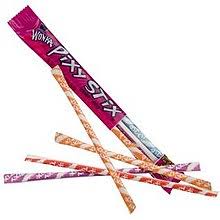
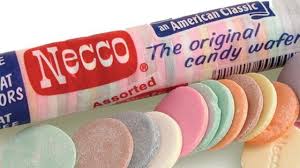
Woodstock Candy (“Let Sweet Flashbacks Sprinkle Down”) assembles collections of vintage candy and sells them on Amazon.  The “nostalgic retro mixes” tailor to the buyer’s age, as in “30th Birthday Box” or “65th Birthday Box”.  For those in my decade, Woodstock tosses in classics like Chuckles, Red Hots, Sugar Daddy’s and Smarties. Also, a few Pixy Stix, a Candy Necklace, and a long strip of those colorful Candy Buttons. Finally, buried quietly in the back of the box: one small roll of Necco wafers.

Four months ago, the Wall Street Journal alerted those of us with nostalgic sweet teeth of the fate of Necco wafers.  More correctly, NECCO – the New England Confectionery Company – would shutter if it didn’t secure a buyer.  Apparently, no one came to the candy counter, because the factory closed its doors late last month.  The consumer reaction was immediate – on the order of the Hostess Twinkies frenzy.  Rolls of Necco wafers flew off the shelves.  Frantic calls to candy stores demanded entire boxes be placed on hold.  One Necco devotee offered his 2003 Honda Accord in exchange for the company’s remaining product.  You might call it “disc(o) fever”.

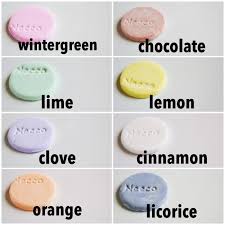
The Necco wafer/disc is an underappreciated candy of years gone by, though admittedly my affection for the confection is not what it used to be.  Necco’s are packaged in rolls of about thirty, in an assortment of eight flavors, including clove.  Clove.  Even the flavors sound dated.  A Necco wafer looks and tastes like a disc of chalk (drywall?), with a hint of flavoring to make it seem like food.  Eat a dozen wafers and your hands and clothes are covered with edible dust.  Eat a dozen more and the flavors all start to taste the same.  What used to be a satisfying crunch now feels like a threat to my dental work.

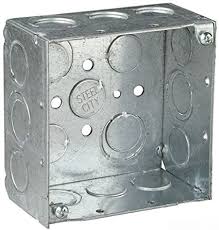
Why was I drawn to Necco wafers, when my back-in-the-day 7-Eleven store included an entire aisle of more appealing candy?  Maybe I just like little discs.  My father used to drive my brothers and I to some of his building sites, and I quickly discovered the concrete littered with dozens of metal coins.  These were “slugs” – today called KO’s or “knockouts”; the quarter-sized remains of partially-stamped openings in electrical junction boxes.  I collected hundreds of them – God knows why (but I was a kid, so I didn’t need a reason).

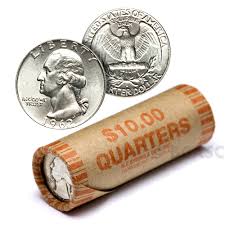
I also collected coins – more specifically quarters, because quarters were big money in my day, and translated into just about everything in that 7-Eleven aisle.  Quarters could also be stacked into paper wrappers; perhaps my precursor to a roll of Necco wafers.

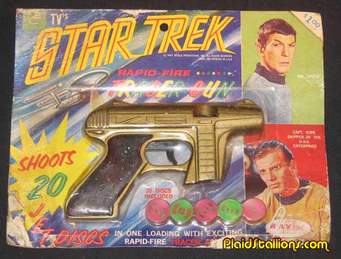
At the same time in life, I had what was probably the coolest toy around.  It was called a “Rapid-Fire Tracer Gun” (if you were really cool you had the Star Trek version).  The Tracer fired little round plastic discs, spinning them out of the barrel so fast they hurt when they hit skin.  They even made a Tracer Rifle for more accurate shots.  The Tracer had a spring-driven magazine, so you could queue up a whole pile of plastic discs.  Or Necco wafers.

Necco wafers aren’t nearly as appealing as some of the stories behind them.  A hundred years ago Necco’s were carried by Arctic explorers and handed out to Eskimo children.  Their “suspiciously long” shelf life (Necco’s are sugar, corn syrup, and not much else) allowed them to be stored for months; then consumed by Union soldiers during America’s Civil War.  And therein lies the significance of the NECCO factory closing: the wafers have been around since 1847.

If I still don’t have your attention, consider this: NECCO also manufactures Sweethearts, the heart-shaped romantic-message-stamped equivalent of the Necco wafer, distributed by the billions on Valentine’s Day.  Think about that: no more candy hearts bearing “Kiss Me” or “Love You” or “Be Mine”.  Instead, just inedible greeting cards and meh grocery-store chocolates.  But don’t despair – I think the factory closing is just a hiatus.  The Hostess Twinkie came back and so will the Necco wafer.  It’s already underway, so join the movement: #SaveNecco.

Kindling the Fire

Last Sunday, in the midst of a sleep-in/no-alarm kind of vacation, my dad dragged my wife and I to early church. That meant falling out of bed by 7 and leaving the house by 8:15. Not my idea of a relaxed schedule, to be sure. On the drive to church and all through the service, I found myself in a fog and close to nodding off (the meh sermon didn’t help). Even at brunch afterwards – stoked with a double-dose of mimosas – I couldn’t seem to shake the cobwebs. It wasn’t until much later in the day I realized something significant went missing from my daily routine. I hadn’t had my morning coffee.

Morning coffee is more a habit than an addiction for me.  Or so I thought.  It wasn’t so long ago I occasionally substituted juice or water, and the day proceeded as normal.  Sunday’s drowsiness made me pause.  Maybe the impact of caffeine is more significant as you age.  Maybe drinking a hundred cups (or more) in a hundred days creates a dependency.  As they say, caffeine is “the world’s most widely consumed psychoactive drug”.

While I debate the impact of no caffeine today, I can absolutely attest to the impact of lots of caffeine, with two examples of inconvenience.  For me, caffeine sends a loud-and-clear, pulsing, Times-Square-sized announcement to my bladder saying, “IT’S TIME TO PEE.”  Not in fifteen minutes.  Not in fifteen seconds.  Now; as in – get up and go NOW.  I better have my path to the bathroom mapped out, and that door better be open.  It’s like clockwork biology, forty-five minutes after that first coffee sip.  Remarkably, the experts still question whether caffeine is a diuretic AND they wonder whether the amount of liquid expelled is equivalent to the amount consumed.  I emphatically answer “yes” and “MORE”.  With all the expelling, it’s a wonder my body doesn’t dry out and disintegrate.  No matter; it’s a small price to pay for my daily drug.

Here’s the second impact of caffeine.  Beware the cup of coffee (or any choice from Starbucks) after three in the afternoon.  Let that late-day caffeine hit take hold and you’re in for a long night.  I can very dependably fall asleep within five minutes of hitting the pillow except when my coffee intake is late-day (and on that note, why is upscale after-dinner restaurant coffee so good?).  I toss and turn like laundry in the wash cycle, staring at the ceiling and ruing my beverage mistake.  Then I stare at the bedside clock.  What a pretty clock it is.  Such colorful numbers.  It’s fun to watch the numbers change every minute.  Every hour.

Let’s review.  Assuming I plan my bathroom trips and lay off the coffee by mid-day, I can safely embrace my caffeine habit.  And if “habit” concerns me at all – its synonyms include “addiction” after all – here’s some good news.  Four cups a day is ideal for heart health, according to recent research by the Germans (my new favorite people).  Not up to four cups, but exactly four cups, netting you about 300 mg of caffeine.  Four cups is also the equivalent of a Starbucks “Venti” (the Nitro cold brew somehow packs in 469 mg of caffeine) but I steer clear of the big cups.  Wouldn’t want to get “addicted”.

We’ve only been talking about coffee here, but thankfully caffeine is found in only a handful of other foods and drinks.  What starts as a naturally-occurring compound in plants finds its way to teas, cocoa, cola soft drinks, energy drinks, and over-the-counter meds (i.e. cough syrup).  The only one I touch is cocoa (my chocolate habit justifies its own blog post).  So, unless I exceed my daily two-square ration of a Lindt 70% Cocoa Excellence Bar, my caffeine intake is all about coffee.

If you count milligrams the way you count calories, know that 300 of caffeine is the threshold to avoid anxiety and panic attacks.  A warning sign might as well pop up after 300 saying, “STOP!  Proceed with caution”.  It’s like there’s this sweet spot with coffee – an oasis between falling asleep in church and earning the jitters – that kindles my fire.  Gives me justification to start every day with a cup of coffee.  Or four.

Which Came First?

When my son wrapped up his undergraduate college years, he gradually reduced the stock in his refrigerator to just about nothing.  Living on a shoestring budget, he wasn’t about to purchase food he didn’t need after graduation.  I’ll never forget the phone call one of those last couple of nights.  He told us – rather proudly – he’d made a meal with two eggs… and a can of processed chicken.  A “chicken scramble” if you will.  To which I replied, “ick“.  If we’d been on FaceTime he’d have seen my face turn a lovely shade of green.

Some foods were just not intended to be consumed in the same bite.  I can’t think of a better example than chicken and eggs.  All chickens hatch from eggs and all chicken eggs are laid by chickens, so why on earth would we eat them together?  Can we skip the biology class and agree – at least by one definition – chickens and eggs are essentially the same “thing”?  And really; how often have you found them side-by-side on your breakfast plate?  Hopefully never.

The memory of my son’s kitchen creation locked itself away in my brain until recently, when Starbucks decided to meddle with their sous vide egg bites menu.  Not content to offer just “Egg White & Pepper” and “Bacon & Gruyere”, Starbucks now offers “Chicken Chorizo Tortilla”, described as “perfectly cooked, cage-free sous vide egg bites, including chicken chorizo, and…” and… and… and I stopped reading right there.  I couldn’t get past eggs and chicken in the same offering, gag reflex included.  I’m not sure I’ll order any egg bites anymore.

To lend credence to my chicken-OR – not chicken-AND – claim, I turned to one of the experts in the field: fast-food icon Chick-Fil-A.  CFA offers an extensive breakfast menu (Starbucks does not) so I figured, a restaurant built entirely on chicken would never offer eggs mixed up with chicken.  Wrong-o.  To my disbelief (and horror), two entrees loom large on CFA’s breakfast menu where you can get plenty of both.  Choose from the Egg White Grill: a breakfast portion of grilled chicken stacked with freshly cooked egg whites on an English muffin; or the Chicken, Egg, and Cheese bagel: a boneless breast of chicken along with a folded egg and American cheese.  Seriously, who buys this stuff?

I’m not sure who said it, but some would assert “the chicken is merely the egg’s way of reproducing itself”. (The same applies to the caterpillar’s “use” of the butterfly.)  I like that, evil as it sounds.  Kind of devalues the chicken, but also kind of proclaims: the egg came first.  And what about that quandary, “which came first”?  There’s not much to discuss if you really think about it.  Make the simple choice – science or religion.  Science votes for the egg, laid by something that wasn’t quite a chicken (but evolved into one once the egg hatched).  Religion votes for the chicken, created by a higher power in those first six days.

Maybe chicken + eggs is the greatest thing never eaten and I just don’t know what I’m missing.  I suppose I could ease into the idea one entree at a time.  Start with corned-beef hash… with fried eggs.  Move to full-on steak… and eggs.  Swallow hard over chicken… and waffles (eggs in the batter).  Then, at long last, order that new sous vide egg bite from Starbucks.  Yeah right, that’ll happen… as soon as we all agree on “which came first”.