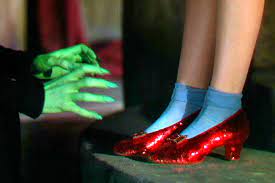
Among the televised game shows I remember watching as a kid was one called Name That Tune. The version I watched wasn’t the original but it was the most successful, running from 1974-1981. Contestants competed for cash prizes by guessing the name of a song from a sound bite performed by the live band. The appeal of Name That Tune was the ability to play the game yourself while you watched (like you can with Jeopardy). But there was one genre of music Name That Tune didn’t tap into very often: film scores.
 Here’s my question of the day. Name the last movie you saw where you also remember the music that accompanied the film. Titanic? Okay, but I’m not talking about soundtracks made up of popular songs you’d hear on Spotify (sorry, Celine) but rather instrumental scores where the music is tied to particular scenes of the story. Here, listen to the following sound bite and see if you can name the movie. Bonus points if you can picture the scene where the music was played. (scroll to the bottom for the answer)
Maybe your brain doesn’t associate movies with music the way mine does, but to demonstrate this acuity it took me no time at all to come up with a dozen of my favorite film scores; instrumentals so memorable I instantly recall the movie. Some, like the one I teased above, won Academy Awards (for “Best Original Score”). Others on my list weren’t even nominated… but maybe should have been.
 Speaking of Academy Award winners, perhaps examples will help you “hear that tune”. The Best Original Score in 1965 was for The Sound of Music, primarily original songs with lyrics but several instrumental turns as well. The winner in 1973 was for The Sting, in which Scott Joplin’s ragtime piano tunes played the major role. The winner in 1975 was for Jaws, and I wonder who can’t hear that threatening theme whenever they picture a man-eating shark. The 1977 winner? Star Wars, scored by John Williams, who created the music for dozens of blockbuster films. 1990? Dances With Wolves by John Barry, another giant of the world of film scores. The list goes on and on.
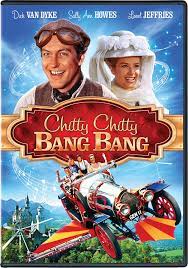 As for my own list of favorites you’ll have to be a little more patient. I’ll include them – one at a time – as I give updates on the construction of my LEGO Neuschwanstein Castle over the next several months. If you’re wondering what movie soundtracks and a German castle have in common, I refer back to Chitty Chitty Bang Bang of course, with scenes filmed at Neuschwanstein. The story is a vivid childhood memory start to finish but so is the music. Trust me, for the number of times I’ve seen the film I can “name that scene” for just about every piece of the score.

LEGO Neuschwanstein Castle – Update #1 (read about the start of this project in Fit for a (Fairy Tale) King)
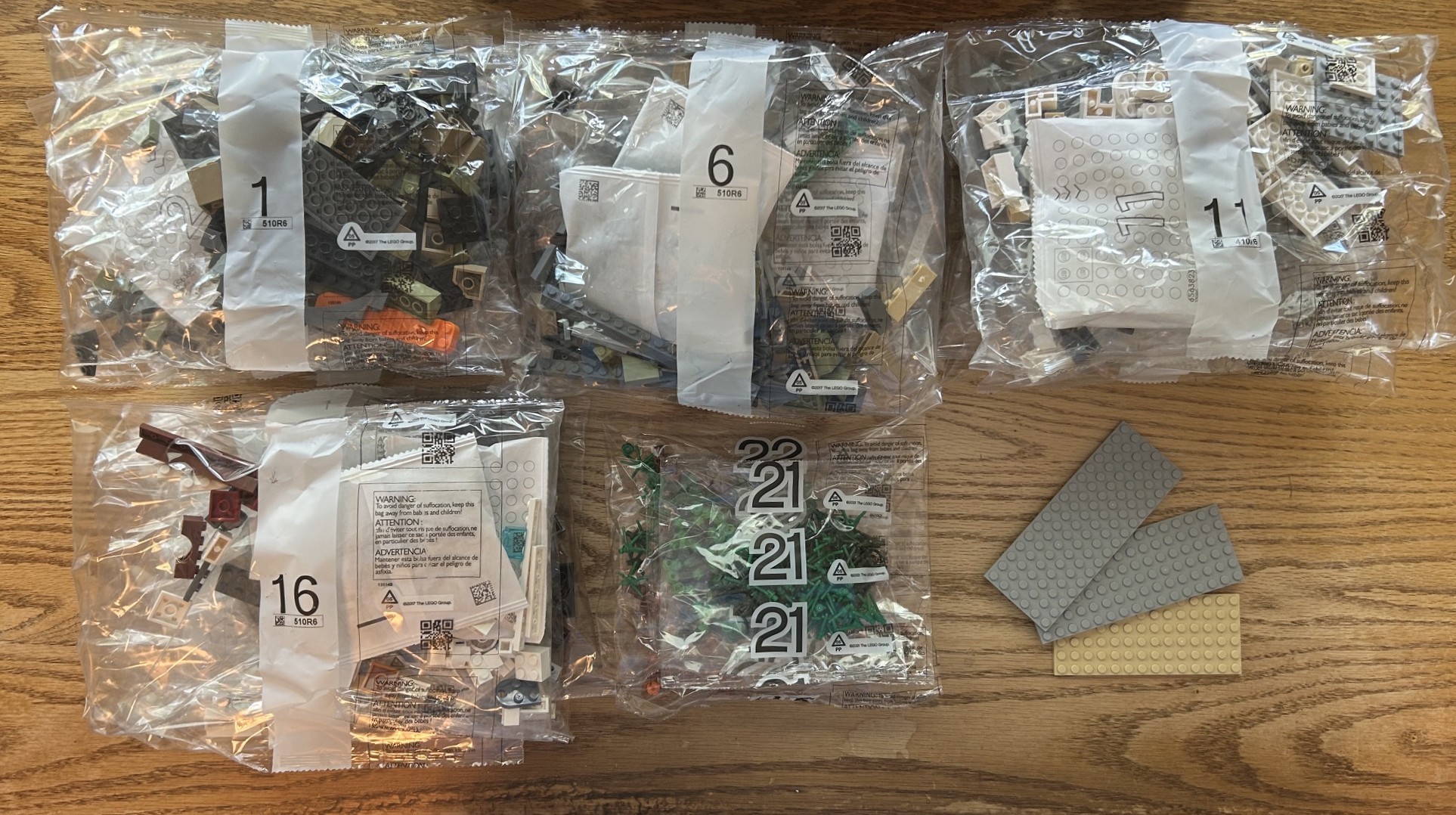
You’d think the construction of a castle would begin with the cornerstone. With the LEGO model you’d be wrong. We’re moving mountains instead. King Ludwig already had the Bavarian Alps at his disposal but we have build them from scratch before they’re crowned with his creation. Good thing this structure isn’t full-size or I’d be renting some serious earthmoving equipment!
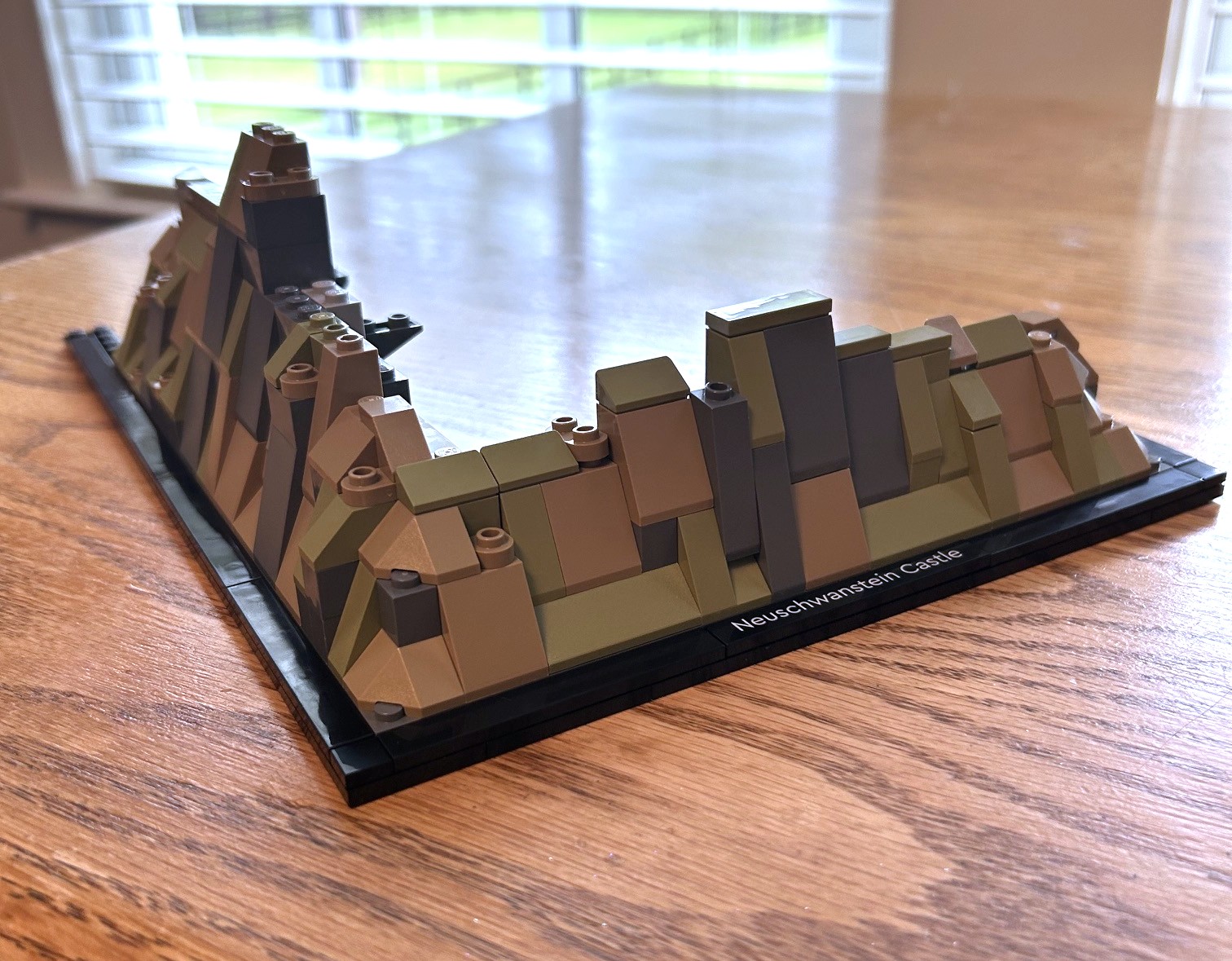
With Bags 1 and 2 (of 23 bags of pieces) we got our hands dirty piling up dirt, rock, and other rather undefined landscape to create a mountaintop. Well, one-third of a mountaintop or so. If the next few bags represent the other two-thirds I’m not gonna an exciting update for you next week. At least the pieces snapped together smoothly. As with all LEGO models I’ve built, there were moments where I thought LEGO left out a piece, and other moments where I backed up a step or two to correct the construction. One change I’ve noticed from previous models: LEGO puts the tiniest pieces into paper “baglets”, which I’m not a fan of. Those little bags aren’t transparent, so you don’t always know when a piece gets stuck way down in the corner.

The model’s instruction manual – which henceforth shall be called the “tome of construction” – includes a few teasers about the real castle. Neuschwanstein has secret passageways! It also has “ingenious” inventions of its time, like modern toilets, central heating, and an electric call system for all of the servants who never spent a moment inside the walls. If any of these details are worth seeing before I “close in” the castle, you can bet I’ll be snapping a few photos for your viewing pleasure. Until next week!
 Accompanying soundtrack: Mary Poppins . Did the magical nanny really make my list of favorite film scores? No she didn’t (not even for a spoonful of sugar), but I couldn’t find Chitty Chitty Bang Bang on Spotify and Dick Van Dyke was already singing in my head so… I went with Bert the chimney sweep instead.
Running build time: 44 minutes. Leftover pieces: 4.
“Name the movie” audio answer: Chariots of Fire (during the scene where several runners clad in white jog barefoot on the beach).
Some content sourced from, IMDb.com, “the Internet Movie Database”, and Wikipedia, “the free encyclopedia”.