What’s the Score?

Among the televised game shows I remember watching as a kid was one called Name That Tune.  The version I watched wasn’t the original but it was the most successful, running from 1974-1981.  Contestants competed for cash prizes by guessing the name of a song from a sound bite performed by the live band.  The appeal of Name That Tune was the ability to play the game yourself while you watched (like you can with Jeopardy).  But there was one genre of music Name That Tune didn’t tap into very often: film scores.
Here’s my question of the day.  Name the last movie you saw where you also remember the music that accompanied the film.  Titanic?  Okay, but I’m not talking about soundtracks made up of popular songs you’d hear on Spotify (sorry, Celine) but rather instrumental scores where the music is tied to particular scenes of the story.  Here, listen to the following sound bite and see if you can name the movie.  Bonus points if you can picture the scene where the music was played. (scroll to the bottom for the answer)

Maybe your brain doesn’t associate movies with music the way mine does, but to demonstrate this acuity it took me no time at all to come up with a dozen of my favorite film scores; instrumentals so memorable I instantly recall the movie.  Some, like the one I teased above, won Academy Awards (for “Best Original Score”).  Others on my list weren’t even nominated… but maybe should have been.
Speaking of Academy Award winners, perhaps examples will help you “hear that tune”.  The Best Original Score in 1965 was for The Sound of Music, primarily original songs with lyrics but several instrumental turns as well.  The winner in 1973 was for The Sting, in which Scott Joplin’s ragtime piano tunes played the major role.  The winner in 1975 was for Jaws, and I wonder who can’t hear that threatening theme whenever they picture a man-eating shark.  The 1977 winner?  Star Wars, scored by John Williams, who created the music for dozens of blockbuster films. 1990? Dances With Wolves by John Barry, another giant of the world of film scores. The list goes on and on.
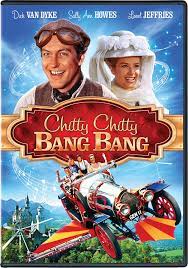
As for my own list of favorites you’ll have to be a little more patient.  I’ll include them – one at a time – as I give updates on the construction of my LEGO Neuschwanstein Castle over the next several months.  If you’re wondering what movie soundtracks and a German castle have in common, I refer back to Chitty Chitty Bang Bang of course, with scenes filmed at Neuschwanstein.  The story is a vivid childhood memory start to finish but so is the music.  Trust me, for the number of times I’ve seen the film I can “name that scene” for just about every piece of the score.


LEGO Neuschwanstein Castle – Update #1 (read about the start of this project in Fit for a (Fairy Tale) King)
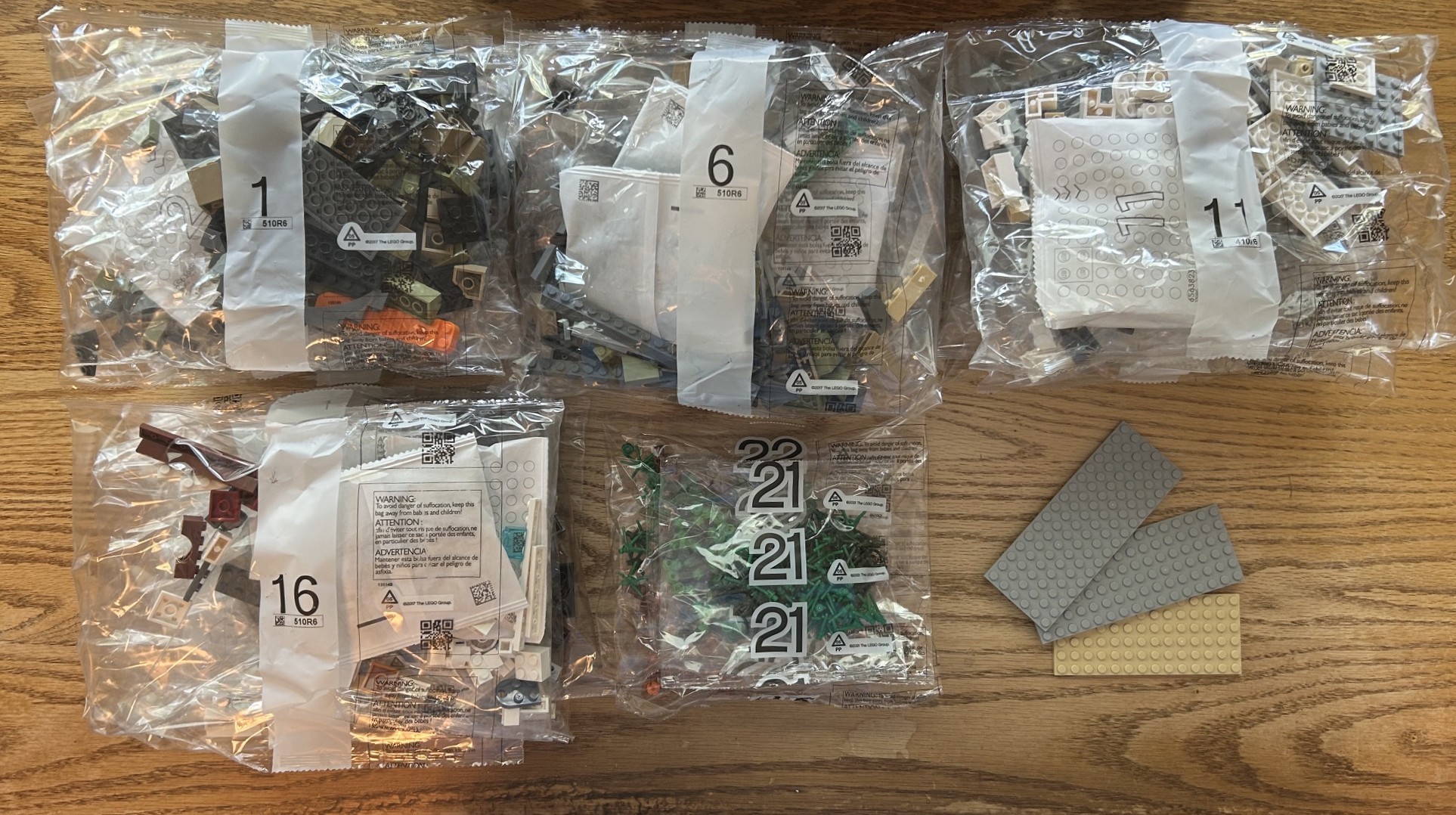
23 bags of pieces + 3 “orphans”

You’d think the construction of a castle would begin with the cornerstone.  With the LEGO model you’d be wrong.  We’re moving mountains instead.  King Ludwig already had the Bavarian Alps at his disposal but we have build them from scratch before they’re crowned with his creation.  Good thing this structure isn’t full-size or I’d be renting some serious earthmoving equipment!
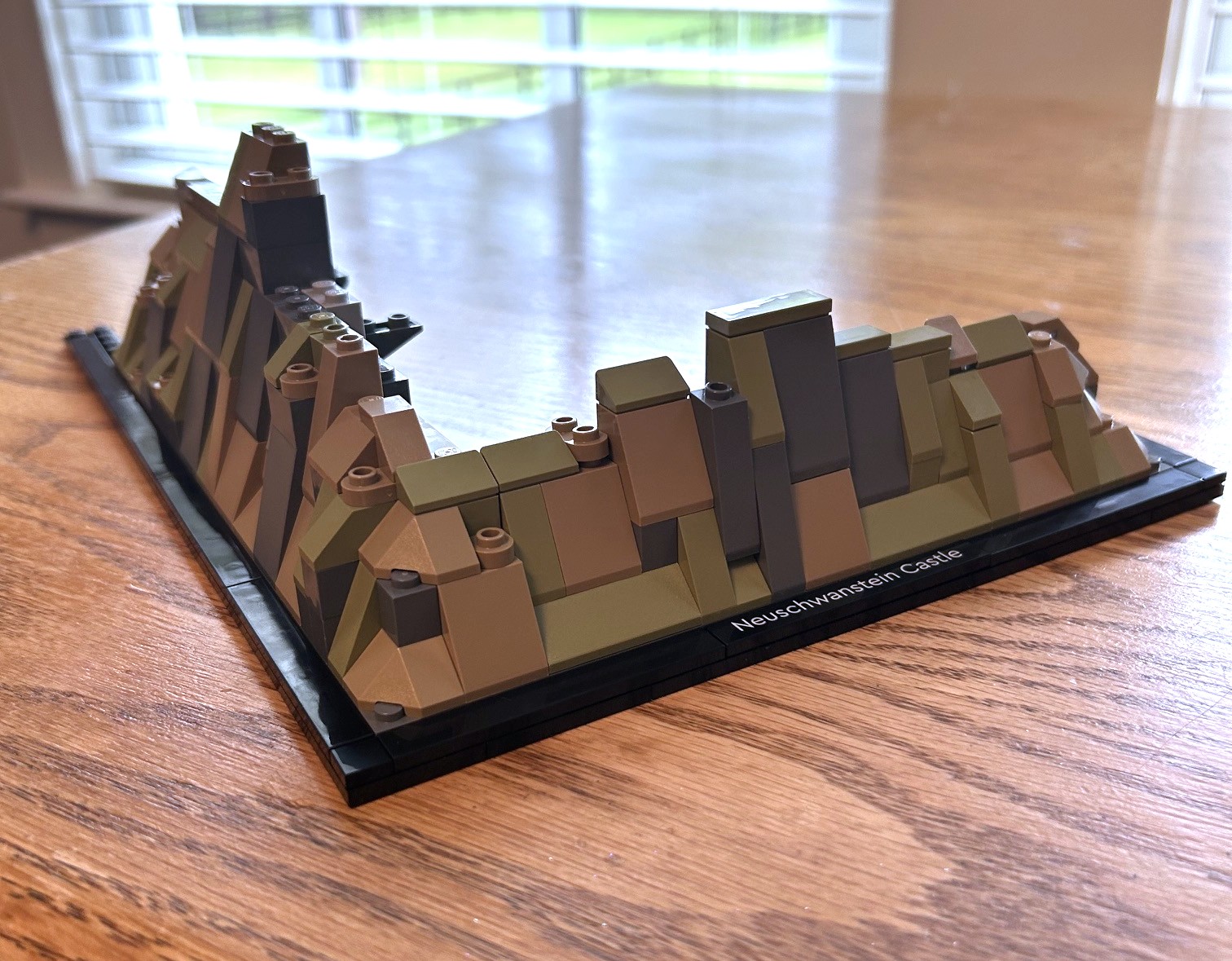
LEGO “Alps”

With Bags 1 and 2 (of 23 bags of pieces) we got our hands dirty piling up dirt, rock, and other rather undefined landscape to create a mountaintop.  Well, one-third of a mountaintop or so.  If the next few bags represent the other two-thirds I’m not gonna an exciting update for you next week. At least the pieces snapped together smoothly.  As with all LEGO models I’ve built, there were moments where I thought LEGO left out a piece, and other moments where I backed up a step or two to correct the construction.  One change I’ve noticed from previous models: LEGO puts the tiniest pieces into paper “baglets”, which I’m not a fan of.  Those little bags aren’t transparent, so you don’t always know when a piece gets stuck way down in the corner.
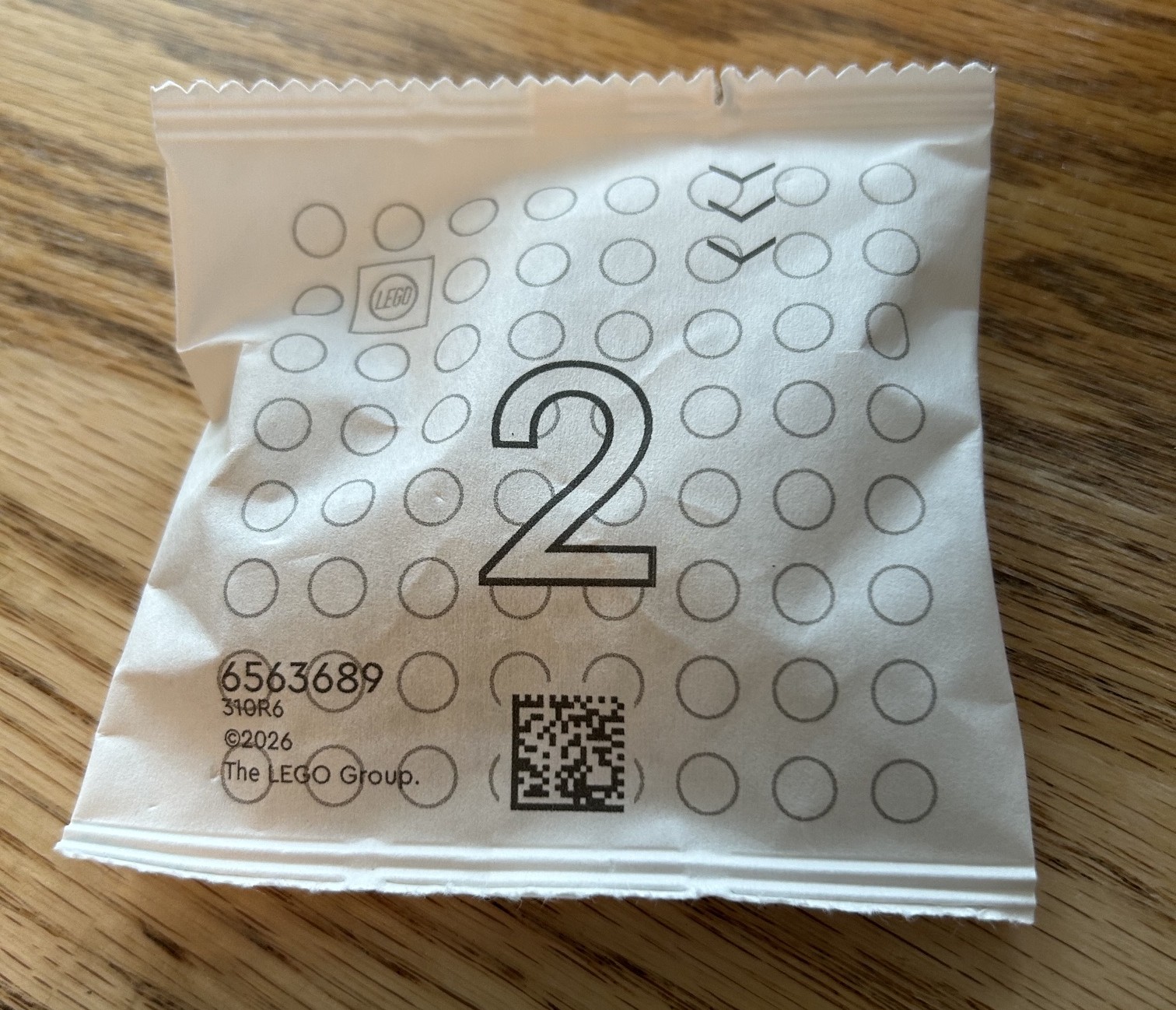
“Baglet” of the tiniest pieces

The model’s instruction manual – which henceforth shall be called the “tome of construction” – includes a few teasers about the real castle.  Neuschwanstein has secret passageways!  It also has “ingenious” inventions of its time, like modern toilets, central heating, and an electric call system for all of the servants who never spent a moment inside the walls.  If any of these details are worth seeing before I “close in” the castle, you can bet I’ll be snapping a few photos for your viewing pleasure.  Until next week!
Accompanying soundtrack: Mary Poppins .  Did the magical nanny really make my list of favorite film scores?  No she didn’t (not even for a spoonful of sugar), but I couldn’t find Chitty Chitty Bang Bang isn’t on Spotify and had Dick Van Dyke songs on the brain so… I went with Bert the chimney sweep instead.

Running build time: 44 minutes.  Leftover pieces: 4.  

“Name the movie” audio answer: Chariots of Fire (during the scene where several runners clad in white jog barefoot on the beach).

Some content sourced from, IMDb.com, “the Internet Movie Database”, and Wikipedia, “the free encyclopedia”.

Fit For a (Fairy Tale) King

I was sorry to see the Germans bow out of the World Cup early, because I’ve had Deutschland on the brain lately. This month (seven years ago) my wife and I cruised down the Rhine River from the Netherlands to Switzerland, but it was pretty much all Germany in between. This month also signals full-on summer and more time in front of the barbeque.  On our grill you’ll find German bratwurst as often as American burgers. But more than river cruises and brats, I’m thinking about castles.  Not the kind made of sand on beaches, but the real ones made of bricks and stone on mountaintops. Like Germany’s Neuschwanstein Castle.

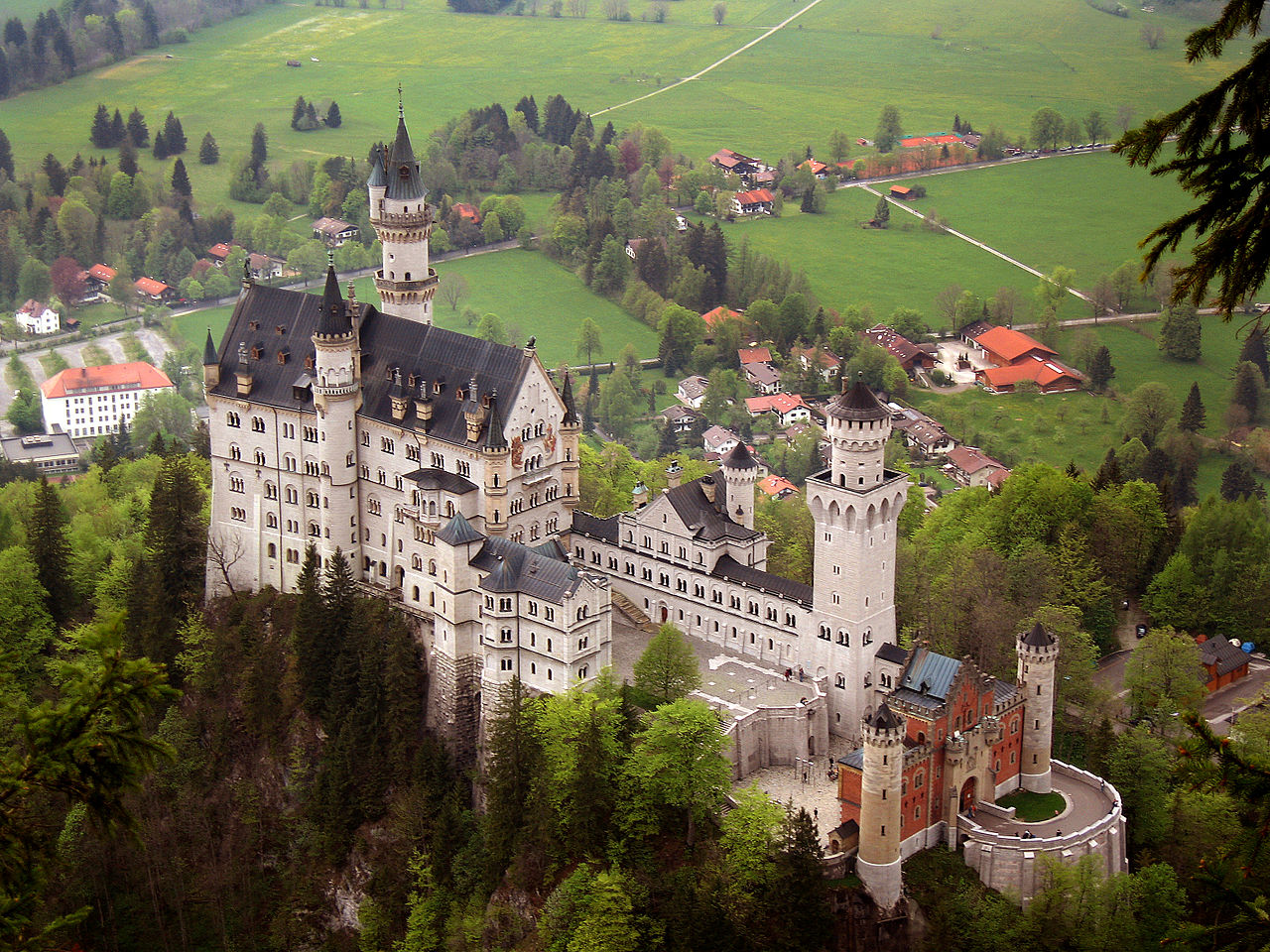
Neuschwanstein Castle

You’re already familiar with Neuschwanstein; I’m sure you are.  When 1.5 million people tour the castle every year – one of the most popular attractions in Europe – it translates to a lot of photos on Facebook.  Also, Neuschwanstein includes all of the castle elements you remember from childhood fairy tales: towers, turrets, balconies, gatehouses, courtyards, dungeons, and (the intention of) more than 200 lavishly decorated rooms, built up to the highest of heights.  There’s no surrounding moat, but Neuschwanstein gets along fine without one, perched on a hilltop in the middle of the Bavarian Alps.

Painting by Hubert Sattler (1904)

Frankly, all this castle needs to complete its picture is a king and his court.  Alas, Neuschwanstein never had a king – never – not even after its completion in 1892.  Yes, the castle was designed by King Ludwig II of Bavaria, but here’s where the fairy tale falls to pieces.  To begin with, Ludwig built the castle to escape the stresses of his primary palace life in Munich, so more than anything else it was meant to be a vacation home.  Then, Ludwig copied most of Neuschwanstein’s architectural elements from nearby castles, so the design is pretty much a mashup of structures that came beforehand.  Finally, and perhaps the saddest statement of all, Neuschwanstein was never completed – not even close.  With only a throne room, a “Minstrels’ Hall” (a sort of tribute to the entertainment of the time), a drawing room, and a dozen other spaces, Neuschwanstein’s construction fell well short of its intended 200+ rooms.

Neuschwanstein’s “Minstrels’ Hall”

The whole idea of Neuschwanstein feels like a bit of a charade.  Did Ludwig really intend to decorate and staff hundreds of rooms in a castle from which he didn’t care to lord over the surrounding land?  Was he really just frittering away Mom and Dad’s money because he was bored in Munich and had nothing better to spend it on?  And shouldn’t he have been focusing his time and energy on his royal responsibilities instead?  No wonder he was often referred to as “The Mad King”.

Let’s forget about Ludwig.  After all, this post is about a castle, not the king who never occupied it.  For all of its lack of completion, originality, and use, Neuschwanstein is still a model castle.  Most of you should recognize it from the castle designs it inspired: Disneyland’s Sleeping Beauty Castle and Walt Disney World’s Cinderella Castle.  But I prefer another one of its inspirations.

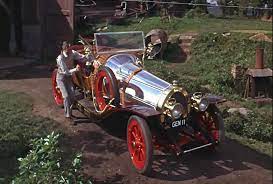
If Neuschwanstein is the ultimate castle, then Chitty Chitty Bang Bang (which I wrote about five years ago in Delicious Clicks) is the ultimate fairy tale.  The story of the magical flying car, its inventor Caractacus Potts, the evil Baron Bomburst, the lovely Truly Scrumptious, and on and on, comes back to me like it was yesterday.  Chitty Chitty Bang Bang was the first Ian Fleming book I ever read, well before anything James Bond.  Yet it never occurred to me until this post that Neuschwanstein served as the story’s castle.  The movie version includes several aerial shots (from the driver’s seat of a flying car, of course), and sweeping views of the surrounding countryside.  Neuschwanstein has always had a familiarity about it.  Now I know why.

Someday I’ll make the journey to see King Ludwig II’s creation in person… but not before I build it myself here at home.  Just when I thought I’d tackled my last LEGO project, along comes another one I simply can’t pass up.  The LEGO Neuschwanstein Castle is 3,455 bricks of towers, turrets, and Bavarian Alps, boxed and bagged along with the usual paperweight instruction manual.  I’m ready to don my crown and get started and as usual I’ll include small updates alongside my usual posts.  When all’s said and built maybe I’ll even suspend a flying car overhead, so the castle looks more like a fairy tale than a mere vacation home for a mad king.

Some content sourced from Wikipedia, “the free encyclopedia”.

Up, Up and Away Birthday

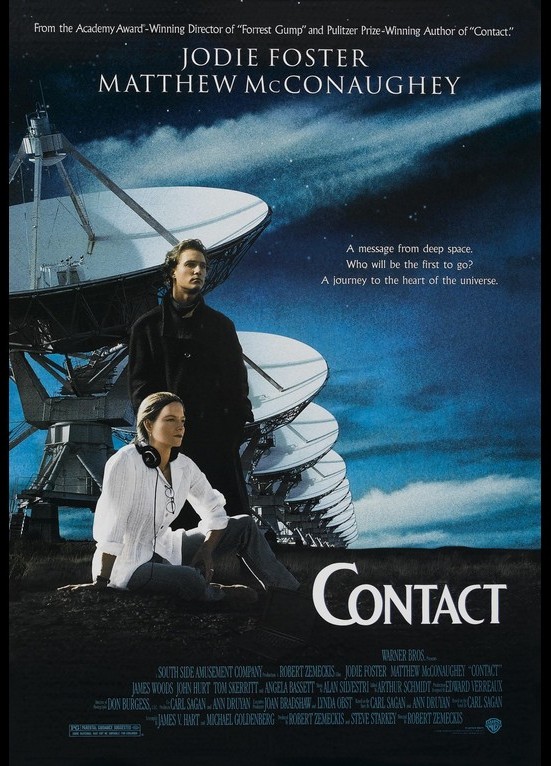
One of my favorite lines from the science-fiction classic “Contact” (starring a young Jodie Foster and and even younger Matthew McConoughey) comes from one of the lesser-known characters. Foster’s Dr. Arroway discovers a communication stream from beyond Earth, while an anonymous millionaire funds the spaceship capable of traveling to the source of the signal. The donor then turns to Foster’s character with a smirk and says, “What do you say, Dr. Arroway… wanna take a ride?”  This year, the same question was posed by the (good) people at Goodyear.

Wingfoot Two is a “semi-rigid airship”

In a nod to my advancing age, the Goodyear Blimp turned 100 on Tuesday (or I should say, one of the Goodyear Blimps).  “Pilgrim”, Goodyear’s dirigible based in Akron, Ohio, took it’s first flight on June 3, 1925.  Now Goodyear can claim a hundred years of lighter-than-air travel, even if this noteworthy form of transportation never made it to the masses.

To be clear, Goodyear started with rubber, and then tires.  They manufactured tires for bicycles and carriages back in the day as well as horseshoe pads and poker chips, before Pilgrim first took to the skies.  Sure, you’ll find their products on vehicles everywhere but what comes to mind when I say “Goodyear”; tires or blimps?

The Goodyear Blimp of my childhood

I choose blimps.  I grew up just thirty minutes from Goodyear’s blimp airbase in Carson, CA.  The blimp I saw back in the ’60’s and ’70’s was named something like “Puritan” or “Reliance” or “Defender”, because Goodyear honored the sailboat winners of the America’s Cup.  Not today.  Thanks to a public naming contest the blimp down the street from my childhood neighborhood is named “Wingfoot Two”.  (I prefer the America’s Cup names instead.)

Maybe you also choose blimps because you drive on Michelins or Firestones.  More likely it’s because you’ve seen a blimp buoyant over the Super Bowl or other sporting event.  And speaking of football, if the Goodyear Blimp sets down on the field it covers 80% of the yardage.  That’s one big balloon.

“LZ 129 Hindenburg”

Goodyear’s flying machines of my childhood were literally balloons filled with helium, without any of the technology of today to make them easier to steer.  Coincident with middle-school history class, whenever I’d see the blimp I’d think of Germany’s Hindenburg, the Nazi propaganda passenger dirigible that, like the Titanic, is best known for its final flame-filled disaster, on approach to Lakehurst Naval Air Station in New Jersey in 1937.  Perhaps we should be thankful Goodyear never promoted its blimps as a form of mass transportation.

Also in my childhood, blimps offered a far more romantic image in the movie Chitty Chitty Bang Bang, where a colorful zeppelin traveled here and there over the fictional country of Vulgaria, carrying the villainous Baron Bomburst and his crew.  (And here’s my opportunity to distinguish between terms.  A zeppelin has more of a cylindrical shape, while a blimp looks more like a sausage.  A dirigible? Just a general term for an airship.)

Speaking of sausage, it was inevitable someone would open a sub sandwich shop named after the aircraft.  The Blimpie franchise (“America’s Sub Shop”) began in the 1960s, spread to locations around the world, and enjoyed a good fifty years of success.  Today most of the helium has left their balloon.  There are only about 25 Blimpie stores left in the U.S. (compared with almost 20,000 Subways).  IMHO Blimpie’s was the better product, at least the version I remember from the 1990s.

Oh how I wish I could’ve concluded this post with another wanna take a ride?  You and I missed the boat, er, airship on that opportunity.  Goodyear held a contest at the start of 2025 and leading up to Pilgrim’s birthday, where three lucky passengers won a blimp ride.  I say “lucky”, when in fact my fear of heights takes away any personal appeal to float up, up, and away.  No worries, because now I’m thoroughly distracted by hunger pangs.  Think I’ll hunt me down a “blimp sandwich”.

Some content sourced from IMDb,  “the Internet Movie Database”, and Wikipedia, “the free encyclopedia”.

Map-Sap Goodness

A few months ago, authorities in New Zealand wrapped up a five-month sting where they confiscated the largest import of methamphetamine in the country’s history. Millions of dollars of the liquid stimulant were discovered in, of all places, a shipment of maple syrup jugs. Agents swapped out the drugs with water and let the jugs continue to Australia, where the recipients were quickly apprehended. Did this story captivate me?  Why yes it did, but not because of a million-dollar drug bust. I pretty much stopped reading at jugs of maple syrup.

With all due respect to fruit, I think maple syrup is the better example of “nature’s candy”.  After all, it’s essentially organic liquid sugar.  If you have the tree, the tools and the time (a lot of time), you can tap your own supply.  Simply drill a hole into the trunk of your sugar maple tree, hang a bucket below the opening, and let the goodness s-l-o-w-l-y flow.  After you’ve collected what you need, boil off the water, filter off the crystallized sugar, and your pancakes or waffles are set to be topped.

Sugar maple

If you prefer a more solid sweet, make snow candy like Little House on the Prairie’s Laura Ingalls did back in the day.  Pour boiling maple syrup into short lines on a fresh bed of snow.  Press Popsicle sticks into the lines.  Then roll the cooling syrup around the sticks and voila! – a sweet handheld-treat.  Last Saturday’s arrival of the fall season makes this confection seem extra appealing.

My very favorite doughnuts are maple bars

In the U.S., “real” maple syrup is not so common anymore.  Years ago at my childhood breakfasts I was already consuming imitators like Log Cabin, Mrs. Butterworth’s, or Aunt Jemima (more recently known as “Pearl Milling Company”).  These brands and countless others are known as “table syrups”, made from corn syrup and chemicals instead of anything found in a tree.  They can’t even use the word “maple” in their names because of a consumer protection law known as the Pure Food and Drug Act.

Maple sugar

Enough about the impersonators.  Maple syrup’s rich flavor and density should be the preference to table syrup’s as long as a) Your taste buds can be reeducated, and b) you’re willing to spend a few more pennies.  And maple syrup is just a step removed from some distinctive treats.  Maple sugar candy is compacted maple sugar formed into small squares or maple leaves (delicious!)  Maple taffy is what you get if you boil maple syrup past its liquid form.  And for the truly obsessed (me), you’ll also find maple versions of toffee, butter, and liqueurs.

Treacle tart

Let’s take a paragraph for a confection of honorable mention.  Ever heard of a treacle tart?  Yes you have, if you know the timeless children’s classic Chitty Chitty Bang Bang.  In the story, the evil Child Catcher in the fictional village of Vulgaria tempts young Jeremy and Jemima Potts with ice cream, candy, and treacle tarts (“and all for free!”)  Those tarts are small pastries filled with maple syrup, breadcrumbs, and a splash of lemon juice, served warm with a cream topping.  Yum.  Catch me if you can, Child Catcher.

If you know your flags, you can guess which country produces most of the world’s maple syrup.  Canada accounts for fully 80%, with most of the sweet stuff coming from the province of Quebec.  Vermont’s production is similarly dominant compared to other U.S. states.  Both locales are northern climates, where sugar maple trees thrive in the cold winters.  So as much as I’d like to channel my inner L.L. Bean by planting a maple tree and drilling a hole, donned in flannel shirt and snow boots, it’s never going to happen here in hot-and-humid South Carolina.  Guess I’ll have to settle for a store-bought jug of nature’s candy instead.

Some content sourced from the Deutsche Welle (DW) article, “Authorities find drugs worth millions hidden in maple syrup”, and Wikipedia, “the free encyclopedia”.

Delicious Clicks

When my wife and I completed a partial remodel of our house last year, we replaced the rather ordinary-looking front door with a solid-core faux mahogany beauty, highlighted with a stylish centered rain glass cutout.  This single architectural element transformed our entry into a much more inviting space.  But after many months of opening our new door, I’ve come to realize it’s not just the look I enjoy so much.  It’s the sound.  A door of this caliber comes with a well-machined, weighty set of hinges and lockset.  Close the door and you’ll hear the latch and catch nestle comfortably and perfectly together.  It’s one of the most pleasing sounds I’ve ever heard.  I call it a delicious click.

Our newish front door

Delicious clicks.  Maybe you already know what I’m talking about.  You hear a rich, deep sound and you immediately think “high quality” or “high dollar” or just “n-i-c-e…”.  You hear this kind of a click in someone’s house and you think, “whoa, these people have it made”.  If you haven’t experienced this brand of audible, here’s an idea.  Your local bank may have a walk-in safe, one of those with the big spinner handle front and center on the door.  Maybe you can hang around until the time they secure the safe.  They’ll push that massive steel door closed on silent hinges.  They’ll spin the handle until it catches, and then secure the deadbolt with a secondary lever.

That’s when you’ll hear it.  A delicious click.

I’d love to trademark my little sound phrase but I must give credit where credit is due, so I summon James Bond.  Rather, James Bond’s creator, the author Ian Fleming.  After From Russia With Love, Goldfinger, and all of the other Bond adventures, Fleming wrote a wonderful, timeless children’s story called Chitty Chitty Bang Bang (1964).  For those not familiar (and shame on you), Chitty is about a nutty inventor living in a windmill with his family, the nearby candy company whose owner’s daughter is “Truly Scrumptious“, a mysterious castle in a land called Vulgaria, and the magical flying car that brings it all together.

Note the license plate

Perfect for this post, “chitty chitty bang bang” is also the sound of the flying car’s engine when it’s in gear.  There’s a moment in the movie where you hear the four-part tempo and you think, “perfect words to describe it!”  But more to my point today, it’s the car’s doors that are even more pleasing.  Even without a copy of the book in my hands, I still remember the author’s description as Chitty’s doors came to a close.  Delicious clicks.

Mercedes just came out with its “largest and most luxurious” electric car, the EQS.  It’s the battery-powered equivalent of the popular S-class sedan.  It has an aerodynamically sloping hood to make speeds above 100 mph (!) smoother.  The EQS can travel 480 miles on a single charge.  And the purchase will set you back over $100K.

Ferrari’s 296 GTB

Ferrari just came out with a new “supercar” with 818 horsepower and a V6 engine.  The “296 GTB” is also a plug-in hybrid.  It’s not Ferrari’s fastest car but it sure looks like fun to drive.  If you have the means, the 296 GTB will set you back the equivalent of three Mercedes EQS’s.

I can’t afford either of these cars; not even close.  But I can guarantee one thing.  Whether you go with the Mercedes or the Ferrari, your money will get you meticulously crafted doors on your car.  With delicious clicks.

Only $900 on Amazon!

Recently one of my liquid soap bottles was down to its last few drops.  When I pressed down for more the nozzle made a horrible, empty, nasally kind of plea for more soap.  What an awful sound.  Not exactly “toot sweet”.

On that note, I think I’ll close my front door again.

Some content sourced from IMDb.com.

Land of Flying Cars

My wife and I live in a rural area of Colorado known as the Black Forest.  The high density of Ponderosa Pines in our small geography gives us our name.  Remarkably, there’s only one other notable place on the planet named “Black Forest”: the region near Bavaria in southwest Germany.  As it turns out, I have personal ties to both places, though I’ve never been to the south of Germany.  Follow along as I connect the Forests.

Fill in the blank, “Best Childhood Movie: ________”.  Most of you would respond with an offering from Disney.  Including “Snow White…”, “Mary Poppins”, and “The Little Mermaid”, you’ve already covered sixty years of film-making, with countless other Disney classics in between.  I don’t think I missed a single Disney growing up in the sixties and seventies, yet – go figure – my favorite childhood movie doesn’t come from the Mouse.  It doesn’t even come from my home country.  My childhood choice?  The UK’s “Chitty Chitty Bang Bang”, based on the 1964 novel by Ian Fleming.

“Chitty Chitty Bang Bang” – the captivating musical about the inventor and his kids who lived in a windmill cottage; about those wonderful-though-not-always-perfect inventions (my favorite: the eggs-toast-sausage breakfast machine); about the candy-maker and the toy-maker and the captivating castle world of Vulgaria; and most importantly about the magical flying motorcar itself – created figments of my imagination like no other movie.  The lyrics to the title song (“…Bang Bang Chitty Chitty Bang Bang, our fine four-fendered friend…”) were burned into my brain.  Someday I vowed to visit the lands of Caractacus Potts and Baron Bomburst.


As it turns out, the Potts’ windmill cottage really does exist (and not on a movie set) – as the “Cobstone Windmill” in Buckinghamshire, England. The mansion where “Truly Scrumptious” lived is in the same area of the country.  And the Scrumptious Sweets Company was a working factory in Middlesex (today a steam-engine museum).  But it was the castle and village in Vulgaria I really wanted to see.  Not long after seeing the movie of course, I learned “Vulgaria” was a fictitious country.  Baron Bomburst didn’t actually lord over the land, nor did he ever keep all those children as slaves beneath his castle. But the castle and the village are based on actual places.  The village is Rothenburg ob der Tauber in Bavaria.  The castle is Castle Neuschwanstein, also in Bavaria.  And how ironic; both locations were inspirations for Disney as well: Rothenburg for the village in “Pinocchio”, and Neuschwanstein for the Cinderella castles in the theme parks.

To bring my journey full-circle, Rothenburg, Castle Neuschwanstein, and Bavaria sit in southwest Germany, adjacent to… the Black Forest.  Germany’s version of the Forest is a mountainous land of picturesque villages, castles, vineyards and spas.  This is the region that brought the world Black Forest Ham and “truly scrumptious” Black Forest Cake.  This is the land of glass-making and cuckoo clocks.  From the photos above, it looks every bit as charming as “Vulgaria”.


Colorado’s Black Forest barely amounts to a dot on Google Maps.  Within our pines, the “town” is a hodge-podge of nondescript businesses clustered around a couple of traffic signals, with nothing more alluring than a Subway, a post office, and a couple of coffee shops.  The terrain is fairly flat, with no windmill cottages or mountaintop castles or cuckoo clocks.  But it’s a great place to live, with its own unique charm.  And every now and then, when I’m deep in the pines, I’ll start humming that forever-familiar Chitty-Chitty tune, as I gaze up to the skies in search of a flying motorcar.