
When I filled a prescription at my supermarket’s pharmacy recently, the line of customers snaked down an aisle of toiletries. I surfed on my phone for a few minutes as I waited but eventually took note of the products on display around me. To the right, endless shampoos, conditioners, sprays, and other hair care items. To the left, nothing but rows and rows of toothpaste.
 If you’re a Millennial or older, I’ll bet you’ve brushed a time or two with Crest or Colgate. Both products have dominated the toothpaste market since their humble beginnings in the 1950s. I was raised on Crest and saw no reason to change brands as a young adult. But these days, like most anything I put into my mouth I’m a little more selective.
 The shelves of toothpaste in my supermarket caught my attention for two reasons. First, the options from a single manufacturer these days are daunting. Crest may have only eight product lines (like “Gum Health” or “Kids”) but that translates to a total of fifty-seven unique tubes of paste. Wow. So you’re telling me you’d know which one would be perfect for you?
My second observation: there are surprisingly few players in the game for a product each of us uses at least twice a day. Crest and Colgate dominate the shelf space; I’d put the number at 85%. The other 15% – at least in my supermarket – goes to products from Sensodyne and Arm & Hammer. Sensodyne targets those of you with sensitive teeth. Arm & Hammer promotes, naturally, the perceived benefits of baking soda.
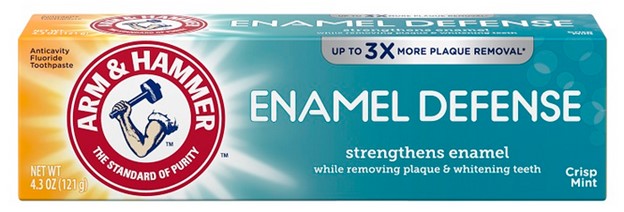 The truth is, there are dozens of toothpastes besides Crest and Colgate. Just think of it like a chessboard: you have the two kings and then you have the rest of the pieces. Those pieces include a few that make me nostalgic. For a short time I had a “brush” with Pepsodent; its unique taste flavored with sassafras. My dentist’s recommendations during my cavity-prone years included Mentadent and Aim (neither of which took hold). And honorable mention goes to Pearl Drops, which I never tried but was the first product to add sex appeal to brushing your teeth.
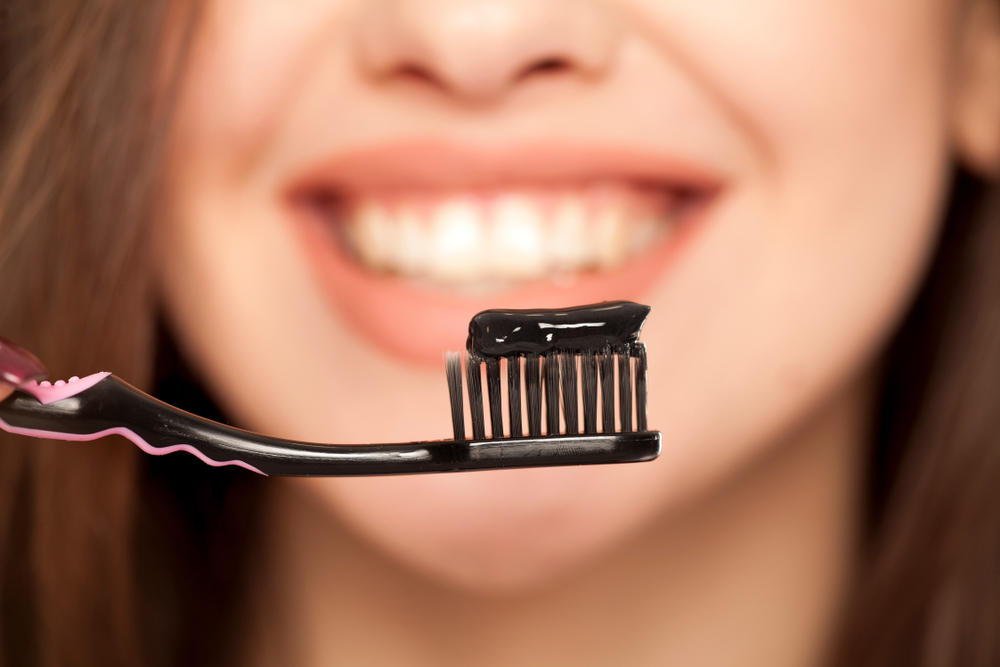
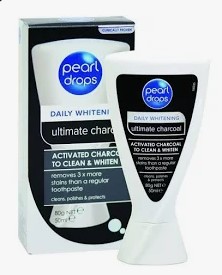 I don’t know anyone who uses Pepsodent or Pearl Drops anymore, but I also think Crest and Colgate are finally getting serious challengers. Today’s generation (and those behind it) is more enlightened. In fact, my own choice for my toothbrush – Earthpaste – has to be purchased at a specialty store or online.
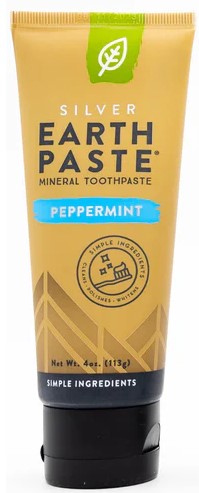 I’ve talked about Earthpaste before, in Polishing the Pearls. That post was more about the ingredients in toothpaste than the products themselves. But ingredients certainly matter. Crest contains between fifteen and twenty (and some are better left in a science lab). Earthpaste contains just five, including bentonite clay, salt, and essential oils. I have no problem putting any of those in my mouth, including the “dirt” of bentonite clay.
The truth is, if you can stand the bitter taste you can just brush with baking soda. It’s a short list of ingredient that actually benefit your dental hygiene. And for me, the habits I’ve locked in besides brushing far outweigh the importance of which toothpaste I choose. Daily flossing (at night). Oral rinses. Toothpicks for my close-together teeth. Recent trips to the dentist would suggest I’ve got a good regimen going.
 As for you Gen X, Y, Z and especially Alpha members, there’s a palpable point to this post. 99% of humans will continue to brush with toothpaste. Crest and Colgate still dominate the market seventy-odd years after their debuts (at least in America). It seems to me there’s room for another low-ingredient high-health product like Earthpaste. I’d fire up that home chemistry lab before someone else beats you to it. There’s potential prodigious profit in the production of paste!
Some content sourced from Wikipedia, “the free encyclopedia”.






 Life In A Word