
If you were to spend an entire year in Rome, you could visit five churches every day and still miss out on some of the more than 1,600 within the city limits. You could also visit five piazzas (public squares) and never see all 2,000. If monuments are your thing, Rome has so many that instead of an actual count they simply say “more than any other city in the world”. And then we have Rome’s fountains. You could dip your hand in five a day and never see them all in a year. So here’s a better idea. Just spend a few hours at the Trevi and assume all of the others are second best.

I wouldn’t decree “best fountain in all of Rome” if I hadn’t been there and seen it for myself. I spent a college year in the Eternal City studying architecture, and you can’t help noticing the other elements of the city while you’re at it. Like fountains on every street corner. The Trevi Fountain was walking distance from the hotel/dorm we Americans lived in, so you can bet I stood before the Trevi’s gushing waterfalls many a day. Even a few nights.
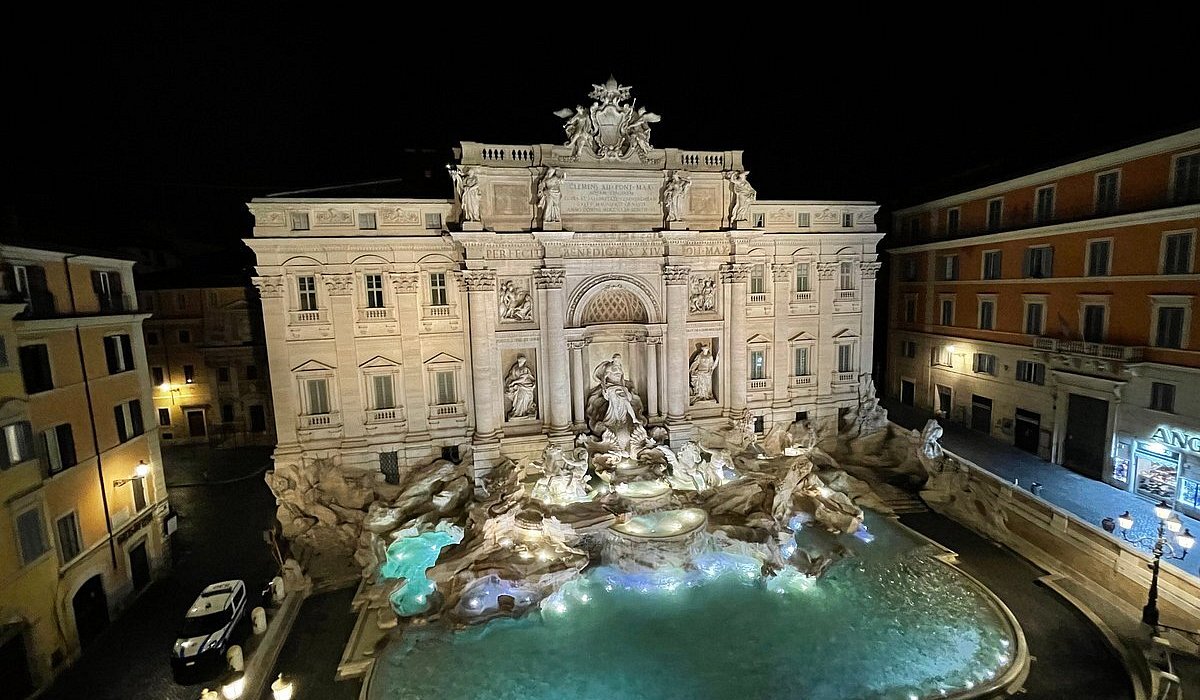 Most people assume “Trevi” is an Italian word. It’s actually two words mashed into one. Tre = three, vie = ways. The Trevi is located at the intersection of three streets. It’s also the terminus for an aqueduct from ancient times. Water is picked up from a source outside of the city, carried over fourteen miles through the aqueduct, and deposited “with a splash” at the Trevi, to be further dispersed to the city underground.
Here’s a little more trivia on the Trevi. It was designed and built in the 1700s, on the back wall of a palace. It’s primary material is travertine stone (pricey!) quarried from nearby Tivoli. Besides the columns, arches, and niches along the wall, you have quite the trove of imagery going on over the water, with mythological creatures like tritons and hippocamps. I have no idea who the sculpted figures gazing down from either side are, but the big guy front and center is Oceanus, a pre-Olympian god.
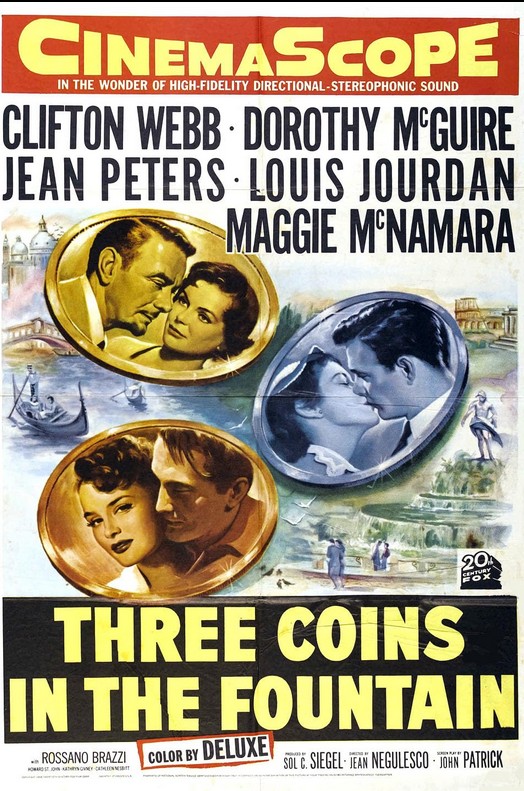
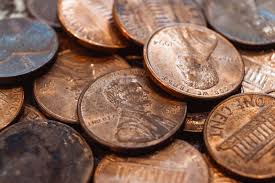
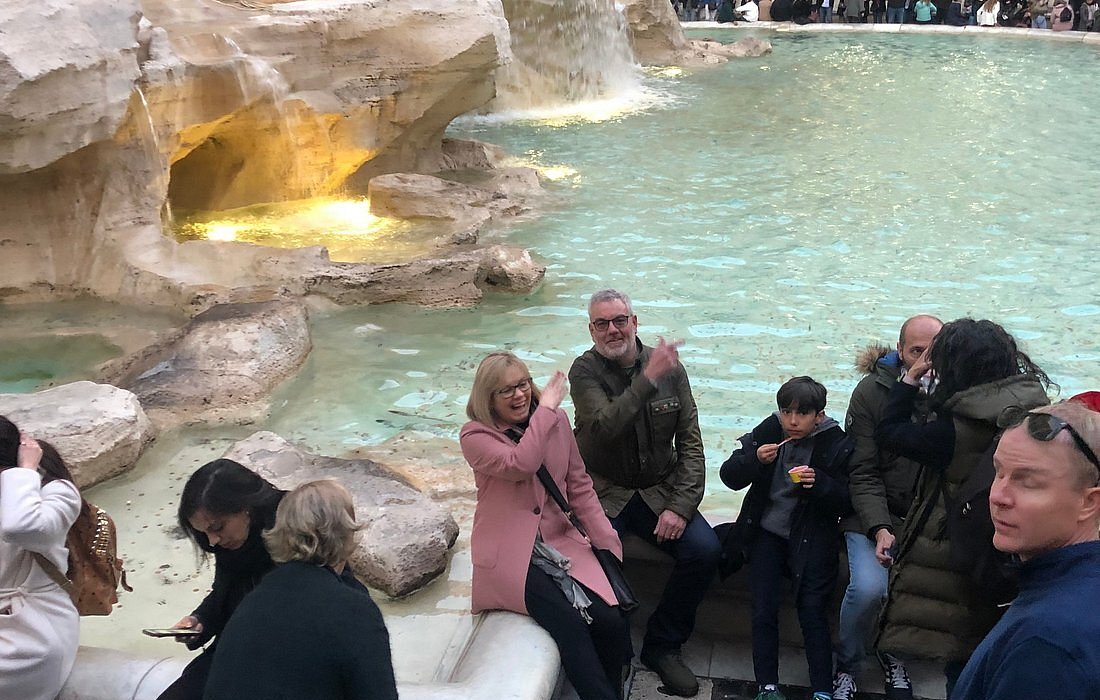 If you’re a top-five tourist attraction in Rome, you must be pretty darned attractive for a city with countless places to visit. Maybe it’s the coin thing. Why do tourists stand with their backs to the fountain and toss three coins over their shoulder into the water (right hand, left shoulder)? Because legend says they’ll return to Rome some day if they do. “Legend” is really just Hollywood, from the movie Three Coins in the Fountain. But if you really know your Trevi trivia, you say the tossed coins follow the ancient tradition of honoring the gods of the waters, granting you safe passage home.
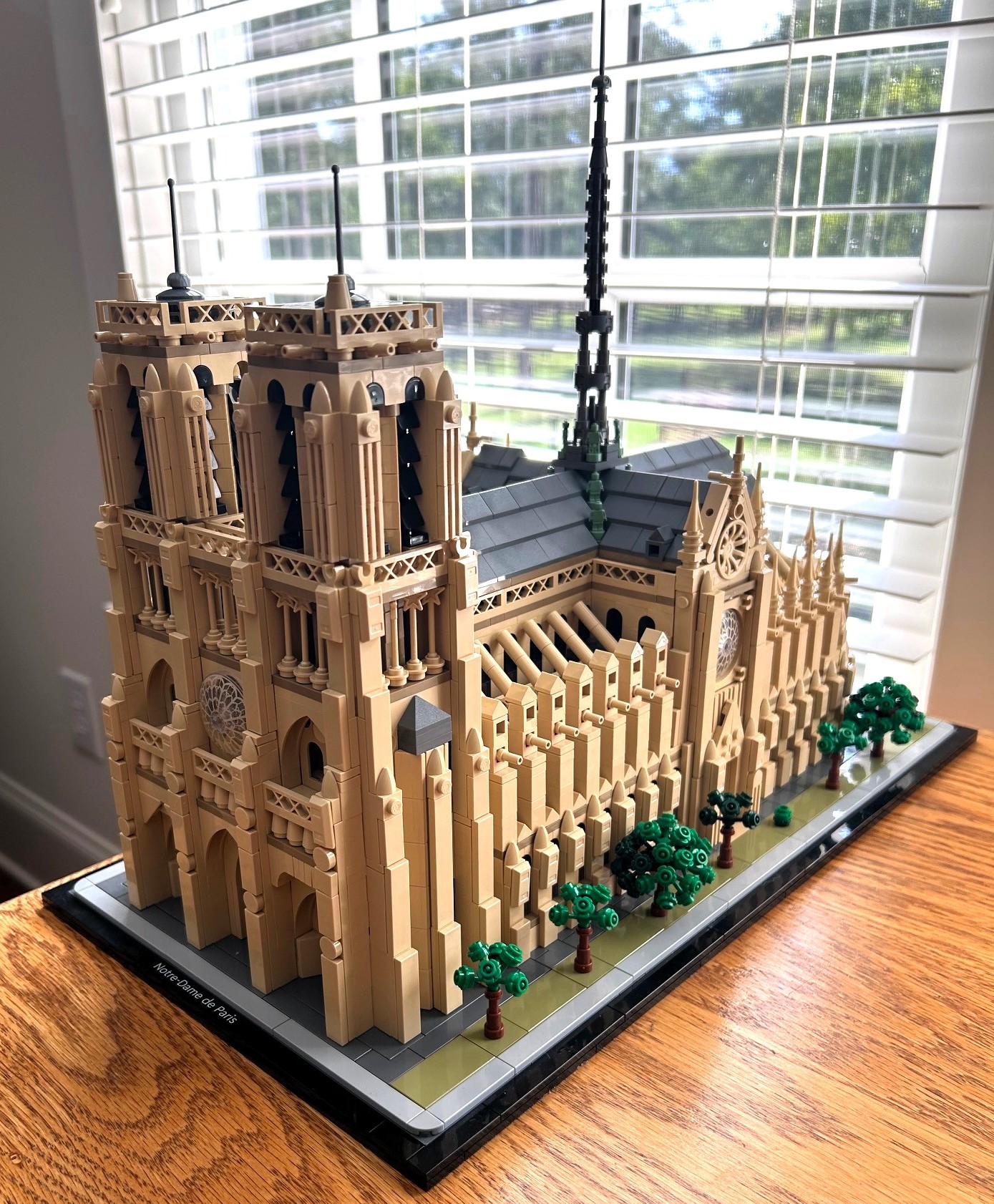
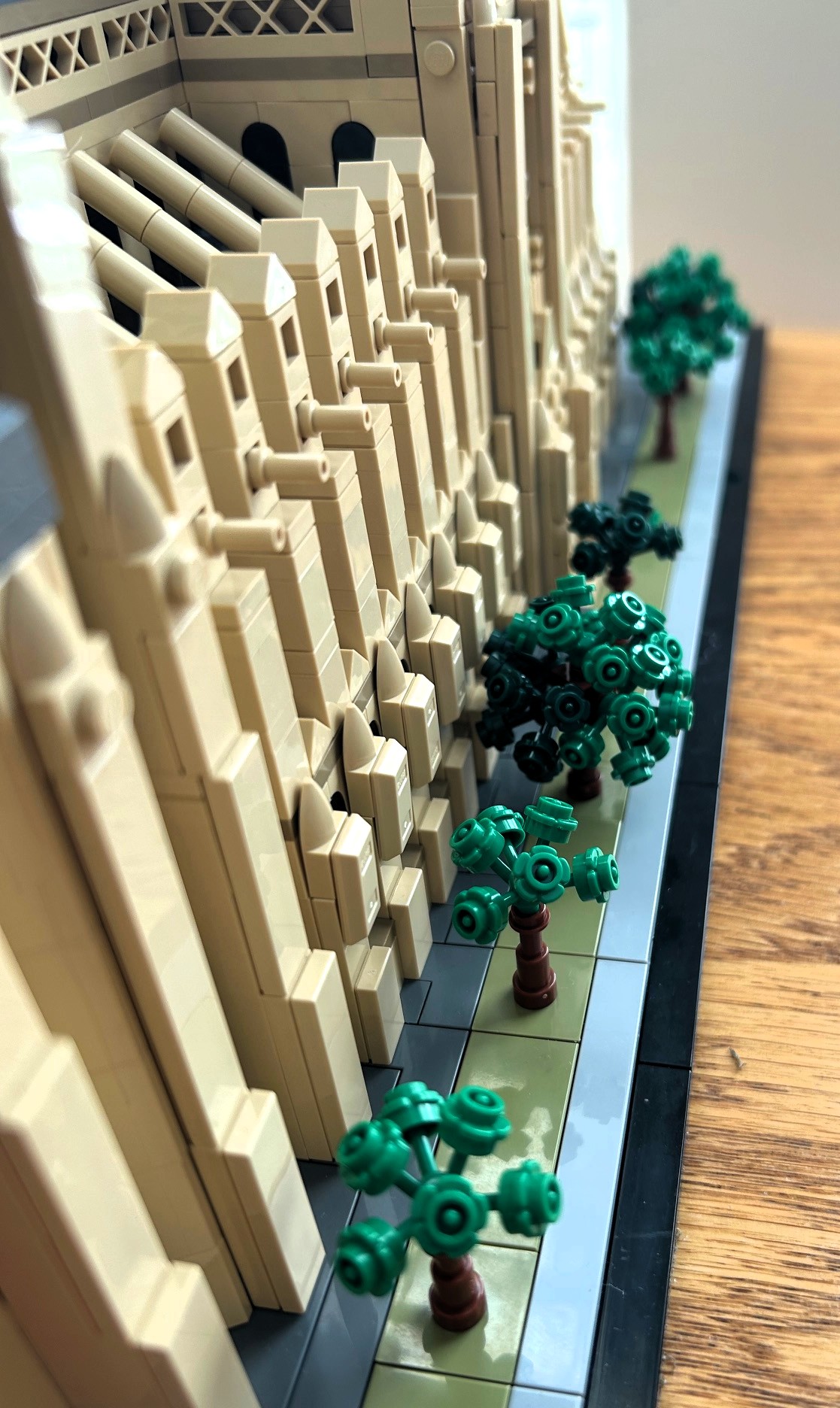
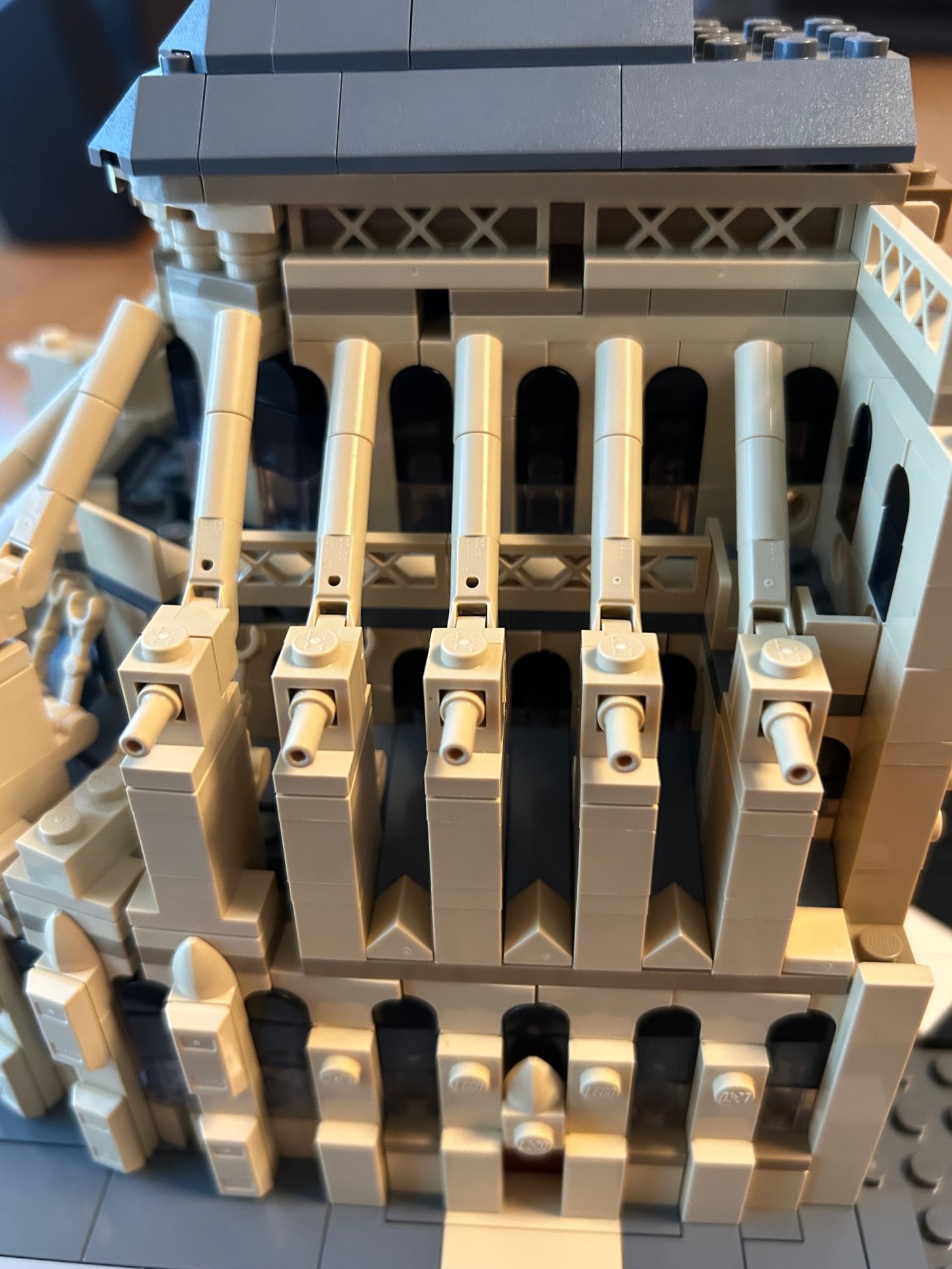
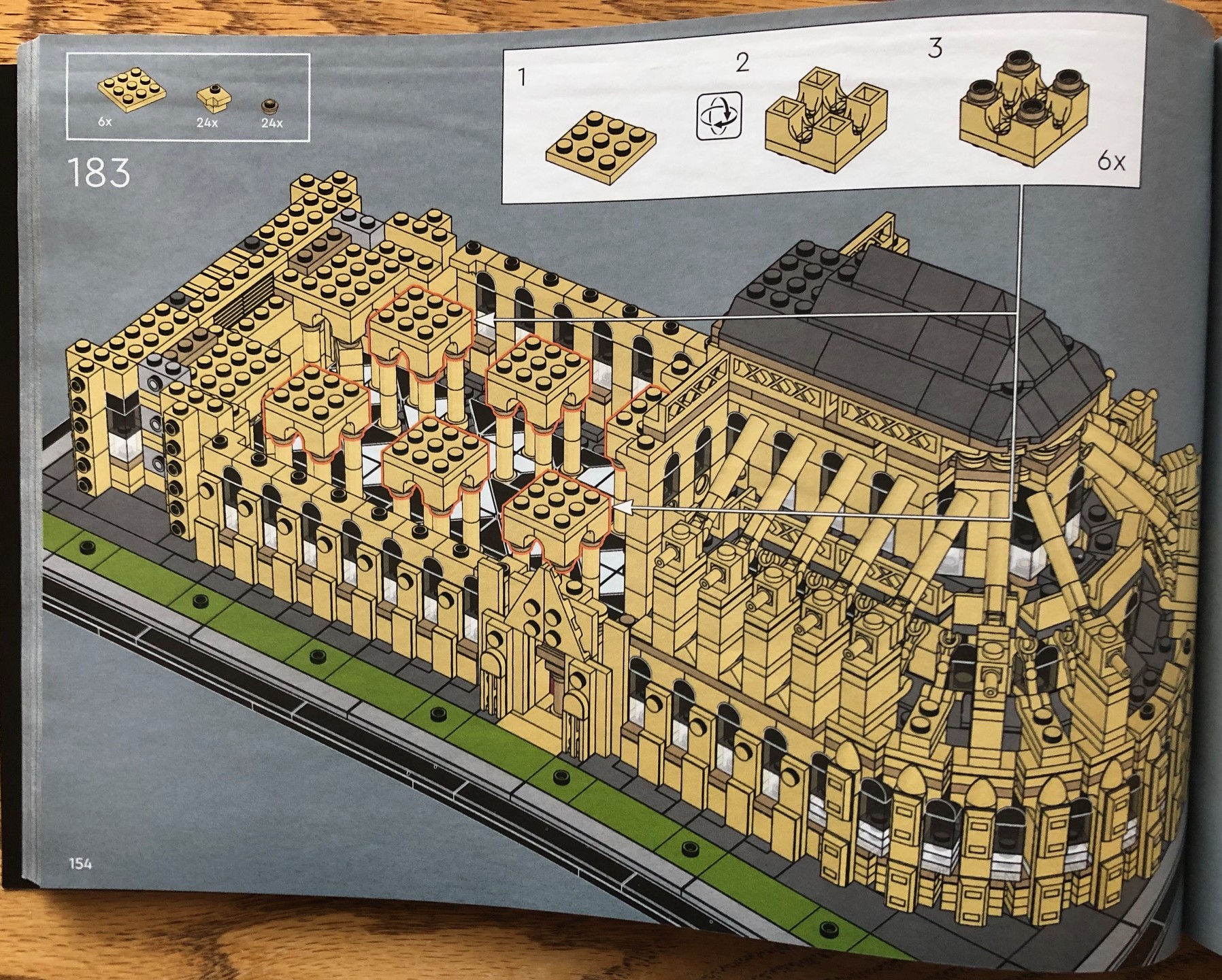
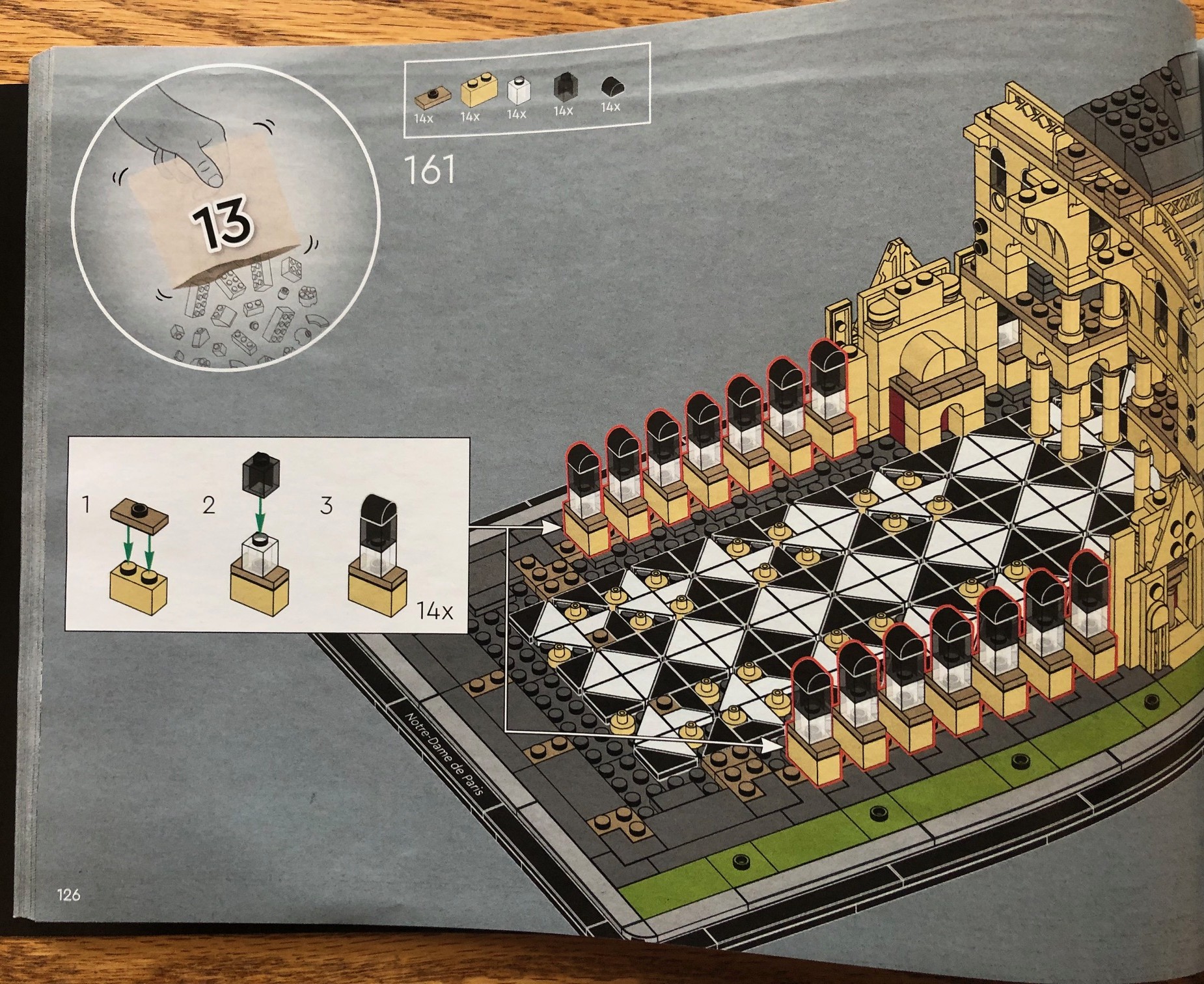
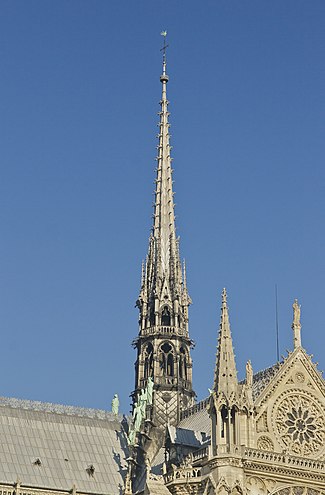
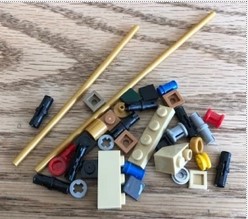
 I’ve talked about the Trevi before, in Too Many Roads Lead to Rome. The fountain has become so popular you now need a ticket and a specific time to stand in front of it. But what I haven’t done before is build the Trevi. Last spring, the “architects” at LEGO immortalized the fountain in a 731-piece model, which I will construct over the next several blog posts. I haven’t put my hands on a piece of LEGO since Notre-Dame du Paris last January (which still beckons me to add its lighting kit). I might be a little rusty at this. The fountain might leak a little. But I’m up for a dip in this brick wall waterfall if you are.
 Author’s Note: The title of this post was inspired by the strange-but-sweet Dickie Roberts: Former Child Star. The movie included a little ditty my thirty-one year old daughter can still recite to this day: “Brick wall, waterfall, Dickie thinks he got it all but he don’t, and I do, so BOOM with that attitude. Peace punch, Cap’n Crunch, I’ve got something you can’t touch. Bang-bang choo-choo train, wind me up I do my thing. No Reese’s Pieces, 7-Up, you mess with me, I’ll mess you up.”
Some content sourced from the TripAdvisor.com article, “Everything you need to know about the Trevi Fountain coins”; IMDB, “the Internet Movie Database”; and Wikipedia, “the free encyclopedia”.

























 Life In A Word