South Carolina’s heat and humidity are quickly moving the dial to “broil” – as they always do this time of year – so my wife and I will go with our most dependable coping mechanism: travel to places other than South Carolina. Technically that’s not quite true because one of those destinations is still South Carolina. Doesn’t matter. The goal is to find temperatures closer to the “bake” setting, where the air movement qualifies as a breeze. Both conditions can be found, of course, at the beach.
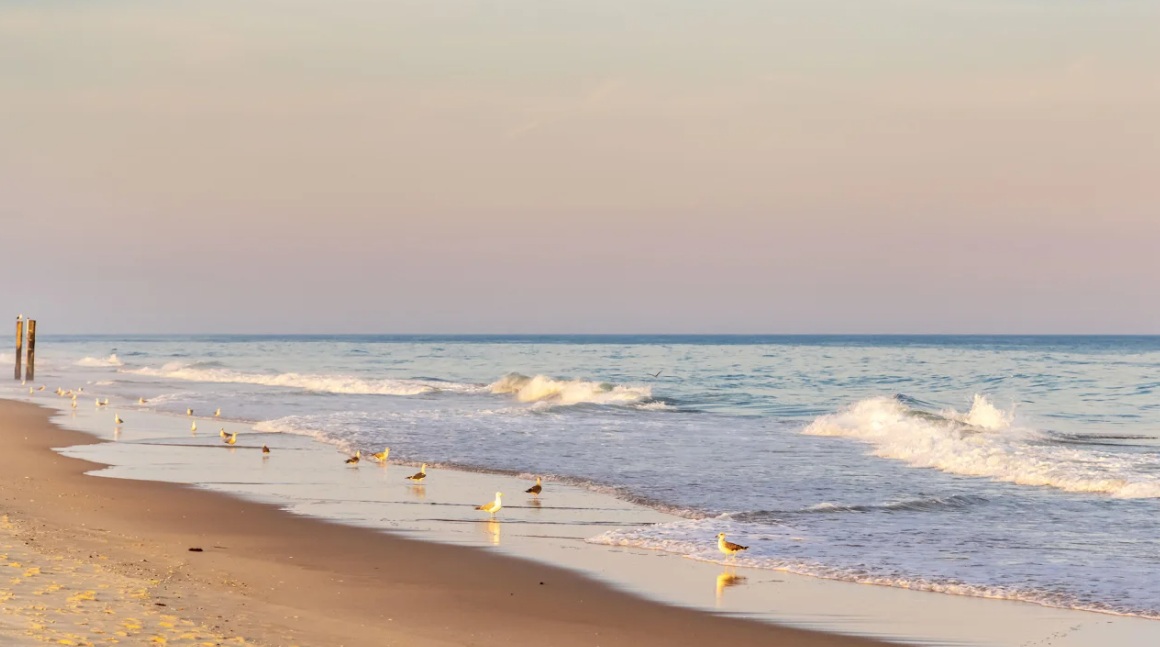 I consider myself fortunate to have grown up near a beach. Others may counter by saying the mountains are more desirable, or the desert, or the shores of a pristine lake. To each their own. For me, an upbringing of Pacific Ocean sand and surf turned the calm of the coast into a part of my DNA. I thirst for the beach several times a year. And in the United States alone, I have 650 choices.
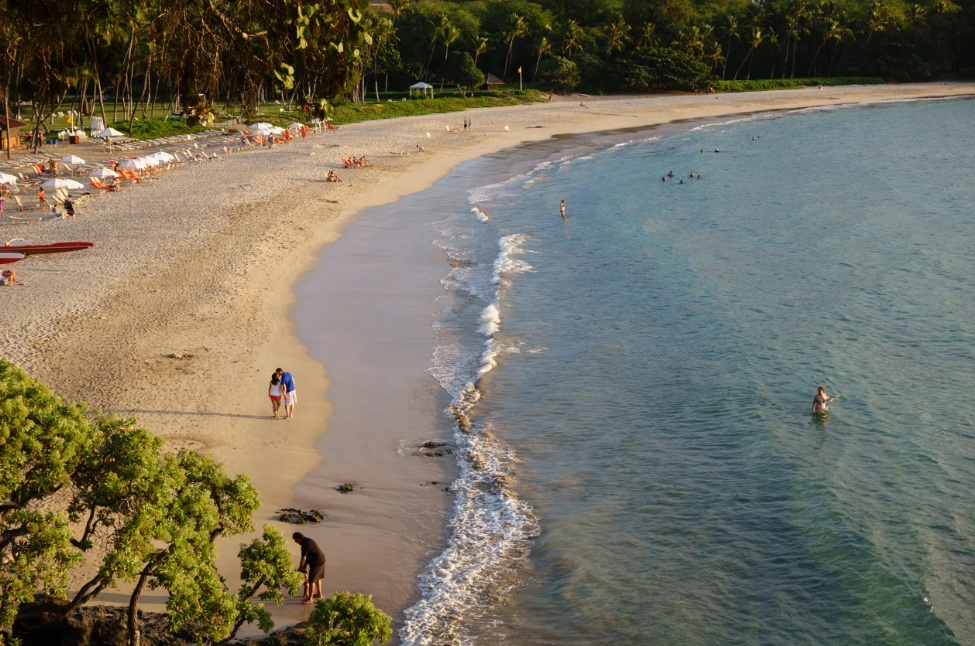
Inevitably, 10 of those 650 beaches are rated as “top”. The so-called authority on the subject is a guy nicknamed Dr. Beach. At first I scoffed at the notion that one person could choose the ten best from hundreds, but this doctor takes his medicine seriously. Dr. Beach has identified fifty criteria (fifty!) to evaluate beaches, including water warm enough to swim in, sand clarity, presence of pests (like mosquitos and seagulls), and the size of the ocean waves. He even rates the surrounding noise level generated by humans.
To further solidify his credentials, Dr. Beach disqualifies locales threatened by pollution, erosion, or out-of-control seaweed. He “retires” beaches that have reached the top ten too many times since he started his lists (in 1991). Finally, Dr. Beach has visited every… single… one… of those 650 beaches. He may be obsessed with his subject but I’d say he’s a bona fide authority, wouldn’t you?
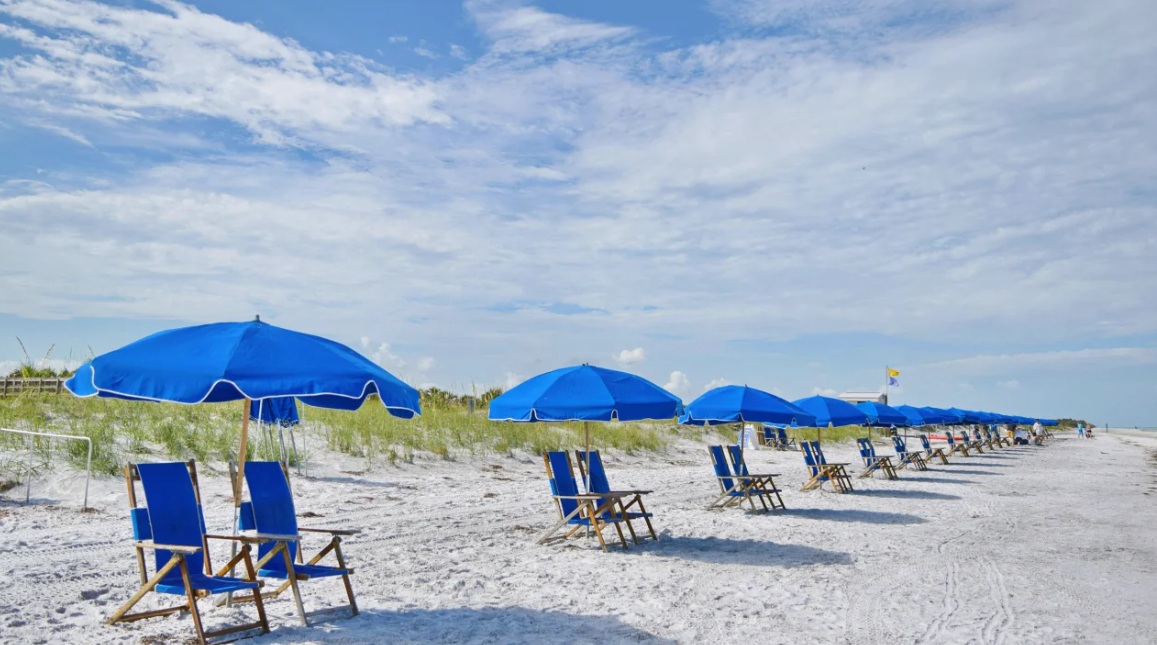
On his list for 2026, Dr. Beach prescribed four in Hawaii, three in Florida, one in Cape Cod, and one in the Hamptons. His tenth selection, coming in at #7, is right here in South Carolina. Whew, that was close. After all, he could’ve picked MY beach and then me and the good doctor would be having a serious conversation.
As you know, the problem with top-ten lists is exposure. Something or somewhere great suddenly becomes headline news and everyone wants a piece of it. Next thing you know that thing or that place becomes too popular, and no longer resembles its former wonderful self. With all due respect to Dr. Beach’s “retirement” strategy, once something becomes “top-ten” we’re not quick to forget about it.
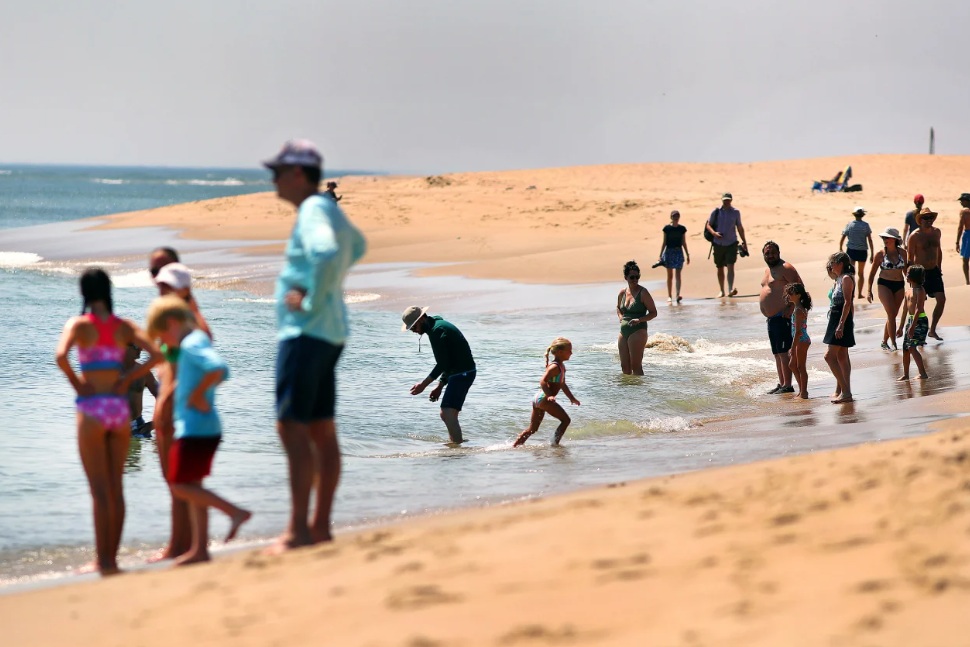
I’ve been to a few of Dr. Beach’s top choices for 2026. Maybe not Coast Guard Beach in Cape Cod, but just about every beach on Cape Cod is bucolic. Maybe not Caladesi State Park in Clearwater, Florida but I’ve dipped my toes in the sugar sand and warm waters of a beach in Clearwater. I’ve been to Poipu Beach on the island of Kauai, Hawaii twice, for my honeymoon and for a family reunion. I’m happy to see Poipu ranked as the #1 beach in the United States this year.
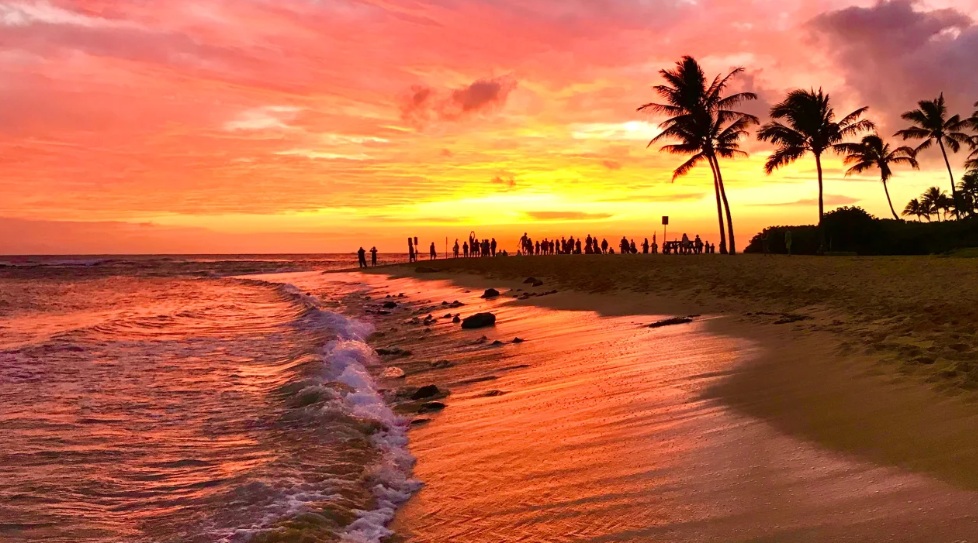
I’m even happier to see my two favorite beaches not ranked in the top ten (or anywhere near it) this year. One is on the West Coast and one is right here in South Carolina. One is big and one is small. Both have easy access to the quaint shopping of a nearby village. And both have the kind of views where walking, riding bikes, or simply staring out at the sea never gets old. The names of these beaches are…
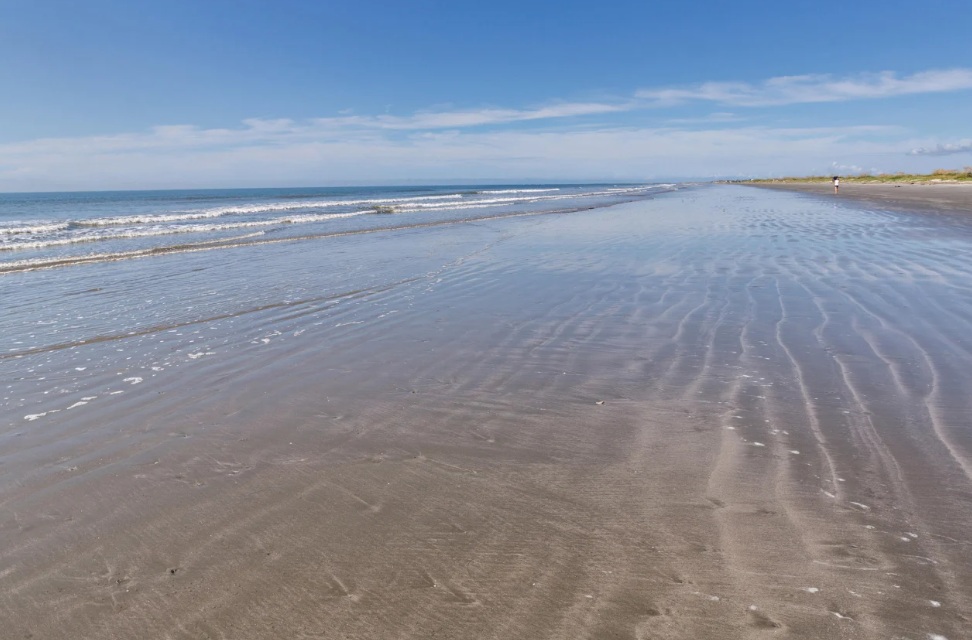 Nope. Sorry, no big reveal. Not even the tease of a photo. There aren’t a ton of you readers out there but it only takes one to make my beaches go viral, and then what am I going to do? Find another couple of beaches? Uh-uh, no way. Go find your own beaches. You have 650 to choose from. And God forbid Dr. Beach ever ranks mine in his top ten. If that happens I’ll report him to the “surf board” and demand they pull his license.
Some content sourced from the CNN Travel article, “Hawaii and Florida top list of best U.S. beaches…”, and Wikipedia, “the free encyclopedia”.