
Because of the numbering system I use to save photos for my blog, I know last week’s dish on ice cream (ha) was my four-hundredth WordPress post. I’m not one to track statistics but unexpectedly, reaching this milestone begs the question: Will I make it to #500? Mind you, it’s not about staying in the game. Topics worth my exploration are endless and creative writing is a welcome escape. No, today begs a much more relevant question: What about artificial intelligence (AI)?
 If I could meet you readers face-to-face in the Amazon rain forest I’d whisper a secret password for all to hear. Then when I use that password in a post, you’d know it’s actually me, Dave, the human, and not some updated version of HAL 9000 doing the typing. Surely you wonder, as I do, when will AI get so good at authoring documents, so genuine, you won’t even realize you’re reading something untouched by human hands?

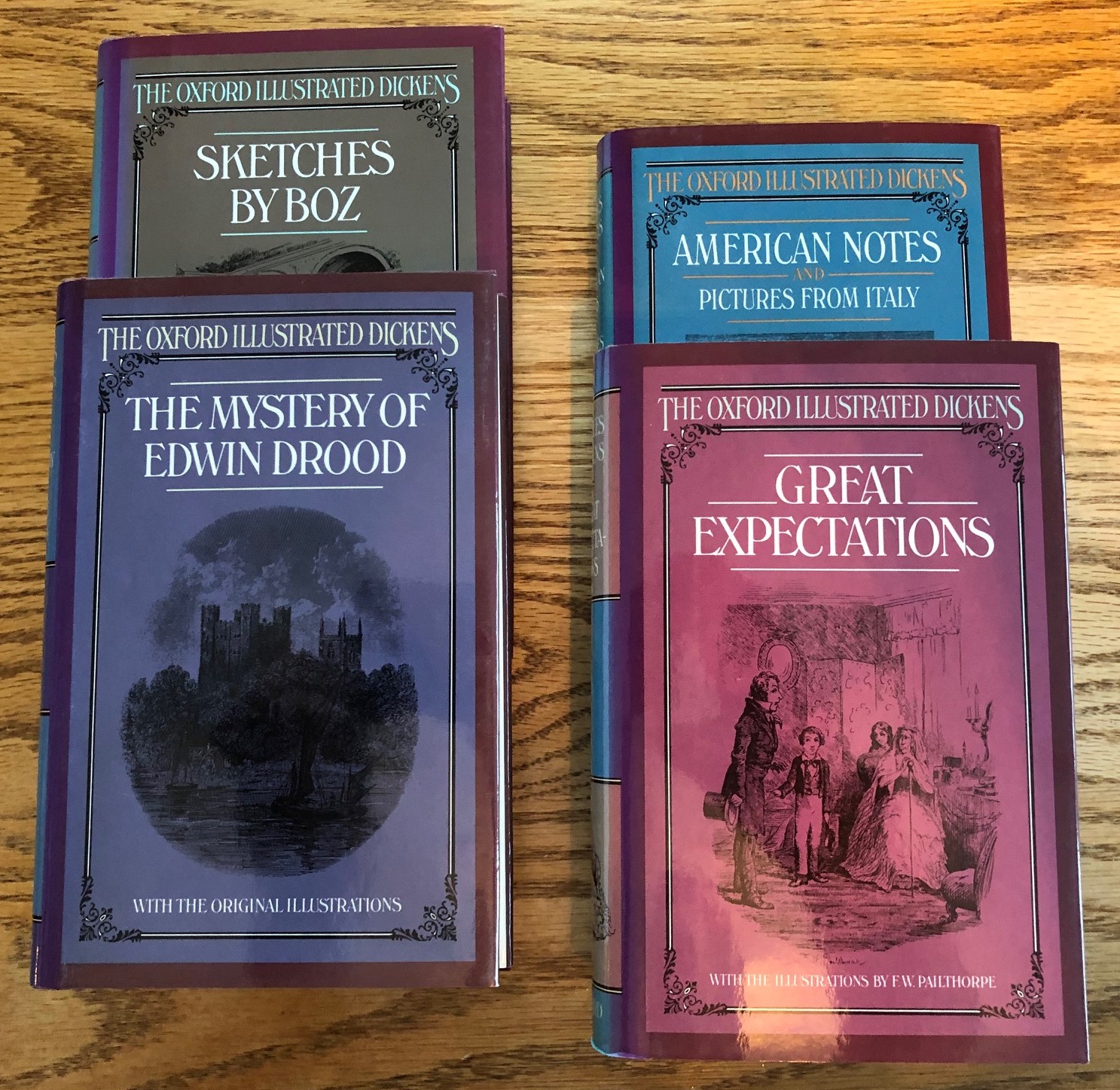
Before we go any further, I think “AI” sounds awfully impersonal. I suppose impersonal is appropriate for a silicone wafer and a pile of circuit boards. I just think we need a friendlier word for it; something we humans can better identify with. How about “Oliver”? Oliver is the third most popular boy name of 2023. Oliver Twist was one of Charles Dickens’ most beloved characters (and AI will certainly be a twist on the way we ask for and receive information moving forward). Let’s nickname it (him?) Ollie.
 Wikipedia’s article on artificial intelligence (yes, there’s already an article) says one of Ollie’s primary goals is problem-solving. Okay, that digests well. But then you see goals like reasoning, learning, perception, and social intelligence and your stomach flips a flop. My reasoning and perception are tools I use for this blog. If Ollie develops those same tools, it’s only a matter of time before Dave 1.0 (me) is replaced by Dave 2.0 (machine).
Let’s go back to ice cream for a second. Let’s say you want to read an opinion piece on ice cream. If you have AI at your disposal, you could say, “Hey Ollie, write me a post about ice cream, 600 words or so, with arguments in favor of plain old ice cream over sundaes, bars, and other frozen treats. Reference a few commercial ice cream brands, a few local brands, and finish by talking about the most expensive ice cream in the world. Oh, and speak the page back to me in James Earl Jones’s voice.” Then you’d hit the ENTER button and who knows? Your screen might light up with something remarkably similar to my last post in Life In A Word.
 Also consider, Ollie will have his own opinions on what you read. After you ask about ice cream, he may spam you with posts on healthy lifestyle. He also may counsel you about spending your time on more important topics. Like world peace. Newsflash, Ollie. We’re all trying to figure out world peace. How about you put your circuit boards together and come up with a post on that?
Here’s my point. If you have Ollie you don’t need me. In fact, you don’t even need the WordPress platform. You could simply slip on a VR headset and ask for a post with just the right topic, tone, reading level, length, and restrictions. It’s like placing an order at the drive-thru of a fast food restaurant. Seconds later, what you asked for is right there in front of you (no paper bag necessary). And if Ollie “reads” all four hundred of my posts, he’ll write it pretty much the same way I would.
 At the rate I’m posting, I’ll publish blog #500 in about two years. Two years. Considering all we’ve covered today, how advanced will Ollie be in two years? Enough to put WordPress out of business? Enough to where you can generate your own Life In A Word posts by simply entering a handful of carefully chosen criteria? I hope not. I’m having a good time with you people (especially those of you who also write blogs). Maybe all of us should pick up and move to the rain forest. Then we could pass our handwritten pages around and keep this
 artificial intelligent party going. Someone make sure Ollie doesn’t get an invite.
Some content sourced from Wikipedia, “the free encyclopedia”.

 T
T


 Life In A Word