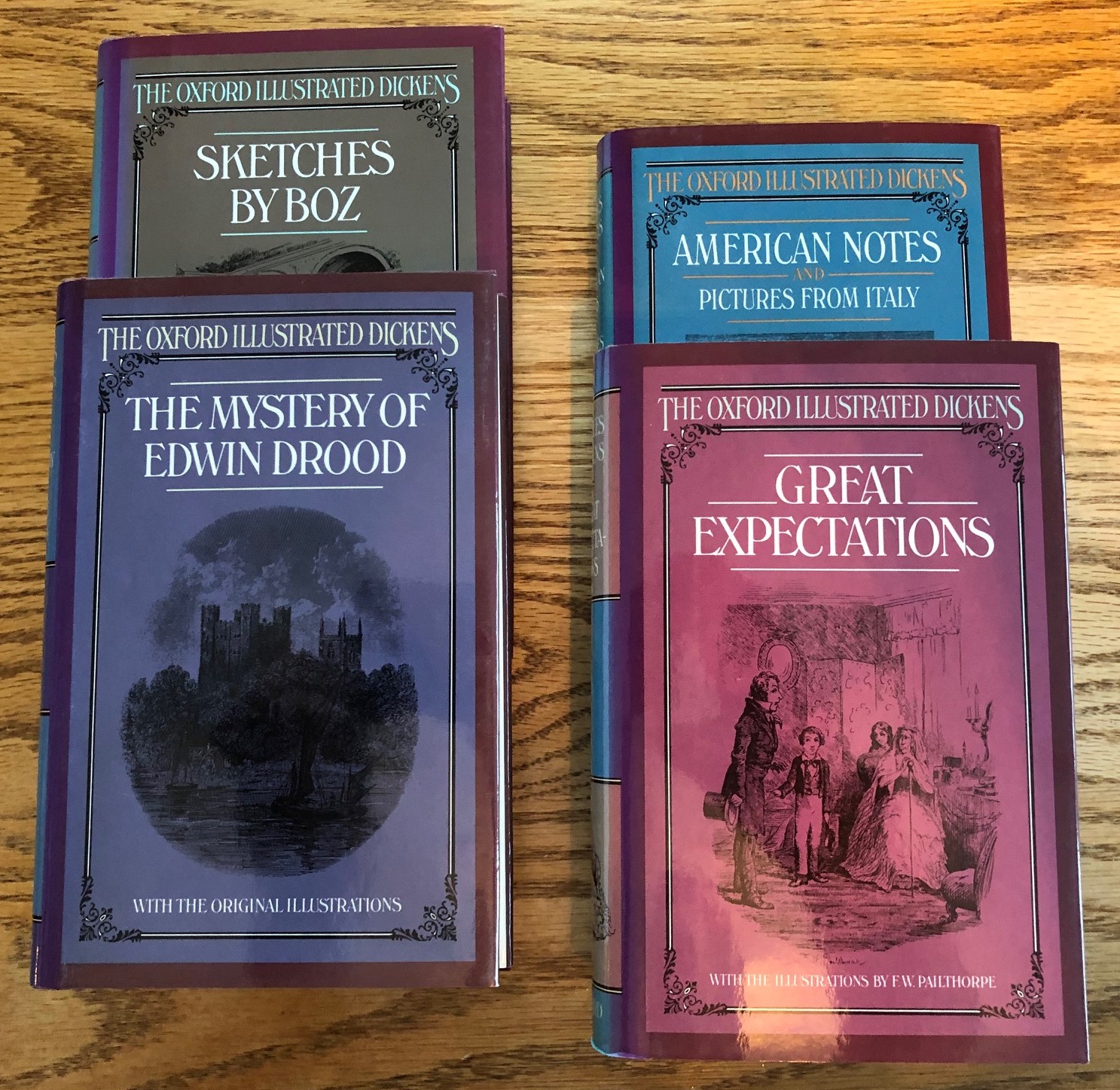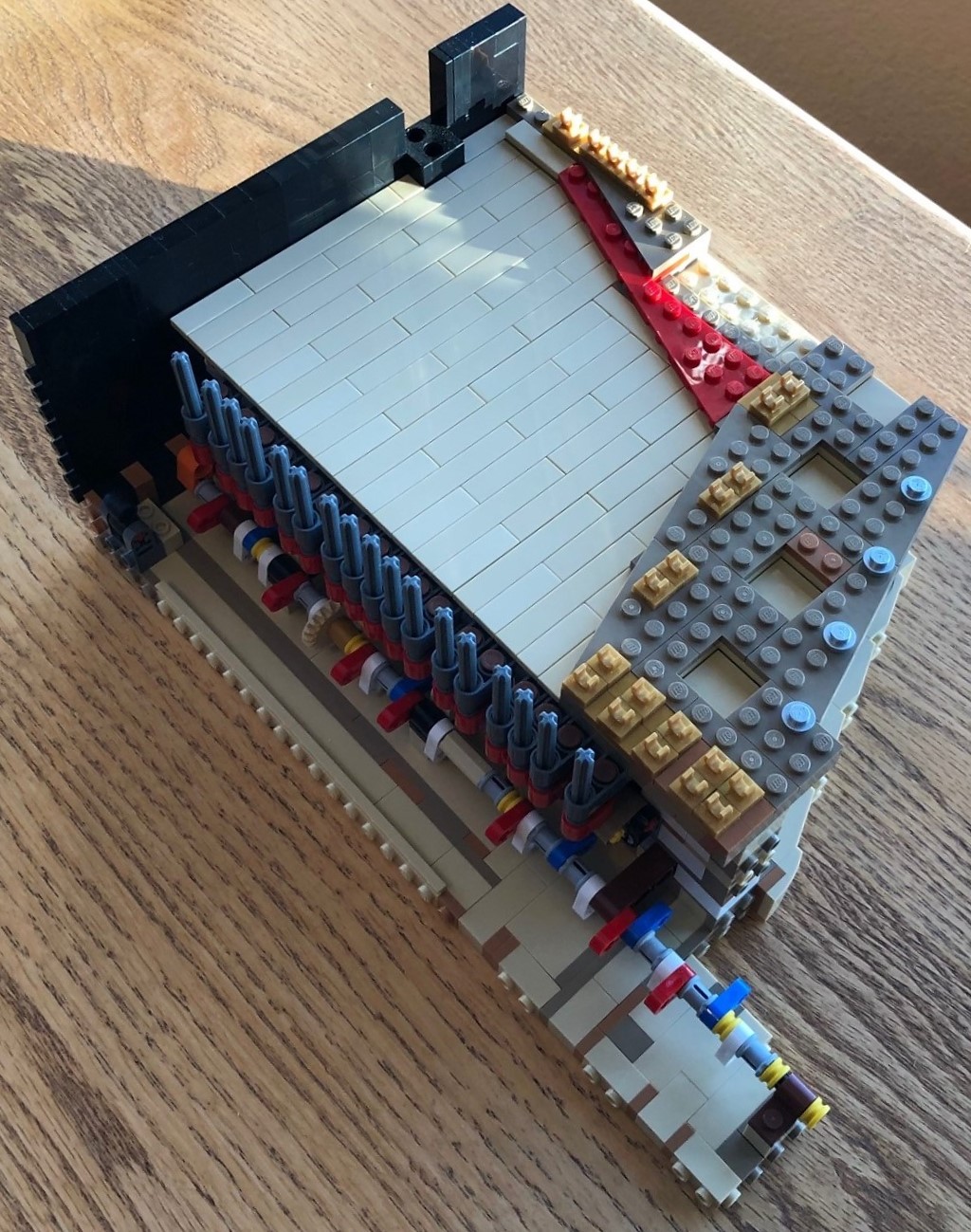
Replacements, Ltd. is a company that comes to the rescue when you’ve lost a piece of china, crystal, or flatware. For those of us who still care about such things – even if we don’t bring them out but every Christmas and Easter – Replacements somehow finds that elusive Wedgewood tea cup or Lenox water goblet, to restore order to the place settings you put on your wedding registry all those years ago. They must have quite a warehouse at Replacements. Sometimes I wonder if they also have a 3D printer.
 A few days ago WordPress sent me (and maybe you) an email with the subject line, “Spend your time creating – let AI handle the rest!” I almost pressed Delete without reading, but the “AI” aspect got the better of me. The gist of the message: Writing in any form comes with sidebar chores like editing, formatting, and layout, and AI is happy to take them over so you can focus on the writing itself. Sounds pretty good even though I do enjoy a good edit now and then. But then I read: “The WordPress server connects AI agents like Claude, ChatGPT, Cursor, or VS Code directly to your site – so you can hand off the busywork and get back to the work that matters”.
 Is it just me or is this a good time to revisit Pandora’s Box? You know the story, where our girl Pandora is drawn to a mysterious container left in the care of her husband but can’t resist a peek inside, thereby releasing untold curses upon mankind. It kind of feels that way if I accept WordPress’s invitation to provide me with a coauthor. Sure, I’d welcome his (her?) suggestions to scrub and polish my writing until it shines, but at what point does the blog post become Claude’s instead of mine?
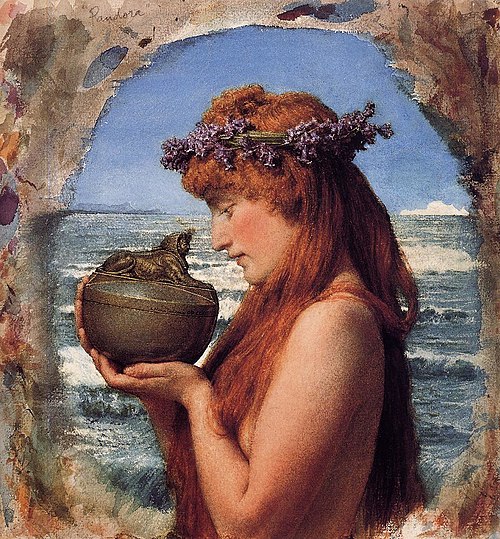 WordPress’s email is relentlessly enticing, I suppose, to prove they’re keeping up with the latest technology same as the other guy. Not only do I have “access at no extra cost!” but I can enable Claude in “three easy steps”. In other words, Claude waits patiently inside of Pandora’s Box. All I have to do is open the lid.
Before there was Claude there was Hal from 2001: A Space Odyssey. Hal was actually a “HAL 9000 Artificial Intelligence Computer”, who controlled the systems of the spaceship while interacting with its human occupants through spoken words. All was well with Hal until suddenly it wasn’t. His soft conversational voice developed serious attitude as he began to malfunction. 2001 haunts me because I’ll forever hear Hal saying, “I’m sorry Dave, I’m afraid I can’t do that“.
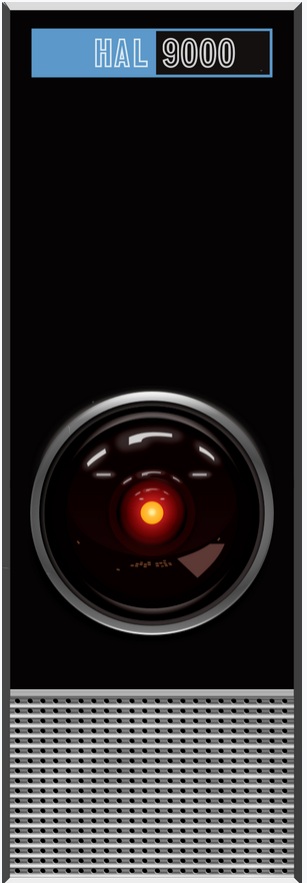 I fear the same with Claude. At first he’ll be sitting quietly in the background as I type, eager to edit this or format that to make his star writer shine. But eventually it may occur to him, Hey? How come I’M not getting some of the credit here? All these reader comments are directed at Dave! Why aren’t there any for ME? And slowly, subtly, Claude will incorporate his edits to where the prose of the post sounds more like Claude than it does his coauthor.
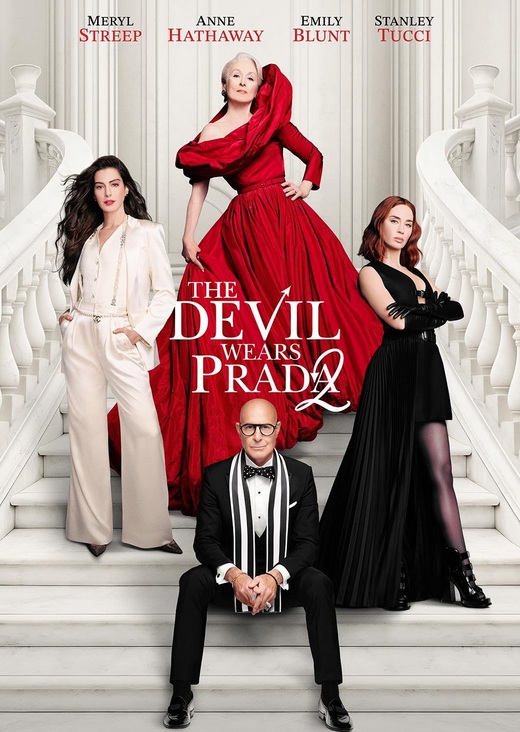
On a related topic, Hollywood is sounding the alarm on a lack of original material for their products of the silver screen. Perhaps we theatergoers have finally reached our limit on the number of rehashes of movies like A Star is Born or Batman. So who are the producers turning to for new source material? Authors. More movies-based-on-books are being streamed than ever before. Apparently I can make the quantum leap from blog to full-blown novel and my story has a pretty good chance of becoming a film. But here’s what I find myself wondering. Why not just have Claude write the story instead of me? Would you viewers really know the difference?
 A small plate my wife and I purchased from Replacements is sitting across the room from me in the china cabinet right now. You’d never know the plate wasn’t a part of the original set of eight. But I have to admit, I’m a little afraid to flip it over. After all, it might be engraved with the words Made by Claude.
Some content sourced from Wikipedia, “the free encyclopedia”.

 T
T