
In the coastal village where my wife and I spend a couple of weeks each summer, a hat boutique has been converted into a gelato shop. An’s Hatmakers, paying homage to the location’s prior business, claims to be one of the top five gelato shops in America two years running. You’d believe it if you saw the line of twenty-plus patrons we joined to give it a try. But there’s more to this story than ice cream and headgear. In fact, you might call it something of a hat trick.
 My wife and I have always been ice cream fanatics, so much so that we’ve banned any and all versions from our household freezer for fear of overindulging. I blame Häagen-Dazs, the brand that brought ice cream to a whole new level of quality (and butterfat) when it debuted in the 1970s. Today a pint of Haagen-Dazs sets you back $6-$7. That may seem like a lot until you consider places like An’s Hatmakers. A pint of An’s runs you twice that much.
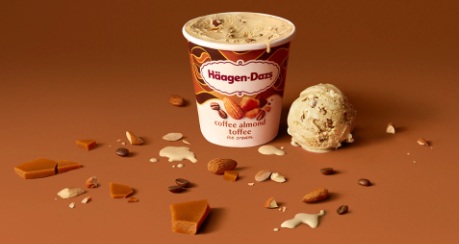 Seriously, who pays $15 for a pint of ice cream? Apparently more people than the twenty-plus in line at An’s. Artisanal gelaterias and ice cream shops have been popping up online and on-street in numbers like we’ve never seen before. Baskin-Robbins and Coldstone Creamery won’t be threatened – especially with these eye-popping prices – but it may interest you to know the customer who buys at Baskins is the same one who buys at An’s.
 It’s an oft-heard post-pandemic story. A person is unexpectedly pushed out of their corporate job by COVID. Exploring their inner-entrepreneur, this person combines something they have with something they’re good at and voila… a boutique business is born. I’ve just described A to Z Creamery in Minneapolis. A to Z was born in a home kitchen, from nothing more than an ice cream machine, a penchant for creating unique flavors, and a bit of online marketing. A to Z started as a “drop business” (filling orders online as they came in) but today they’re a thriving retail establishment. At $15 a pint.
$15 ice cream speaks to an interesting trend of economic tolerance. With prices through the roof on all sorts of items, it’s fair to say some of us can no longer afford (or no longer choose to pay for) the things we would’ve dropped big money on ten years ago. Maybe we forego a new car for a used one. Or an expensive trip for a stay-cation. As a reward for being frugal we may find ourselves with a little spending money. So we opt for “micro-indulgences” like overpriced gelato.
 The pandemic also fostered more of a you-only-live-once (YOLO) attitude. We’re more about enjoying the moment instead of planning for the future. It’s the primary reason An’s and A to Z have lines of customers down the block. I’m reminded of the early years of our marriage, when my wife and I struggled with California’s high cost of living. We couldn’t afford the houses our Silicon Valley neighbors boasted so what did we do instead? We bought a luxury sedan we really had no business owning. But that car sure made us feel better.
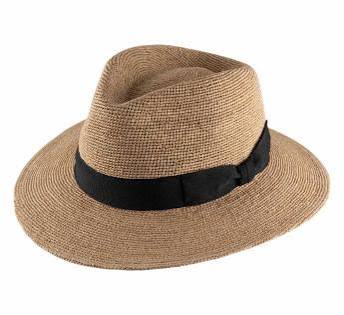 Here at home, our little town hosts three ice cream shops. Each sells a perfectly good product. If you convert the cost of their scoops to pints (4:1), any one of them tops out at around $8. Which makes me think the next time I’m at An’s I’ll be buying a hat instead of gelato. After all, I want to have something I’ll eat if I ever spend $15 on ice cream.
Some content sourced from the KSL.com article, “What a $15 pint of ice cream says about the economy”, and Wikipedia, “the free encyclopedia”.
———————————————————–

LEGO Neuschwanstein Castle – Update #4 (read about the start of this project in Fit for a (Fairy Tale) King)
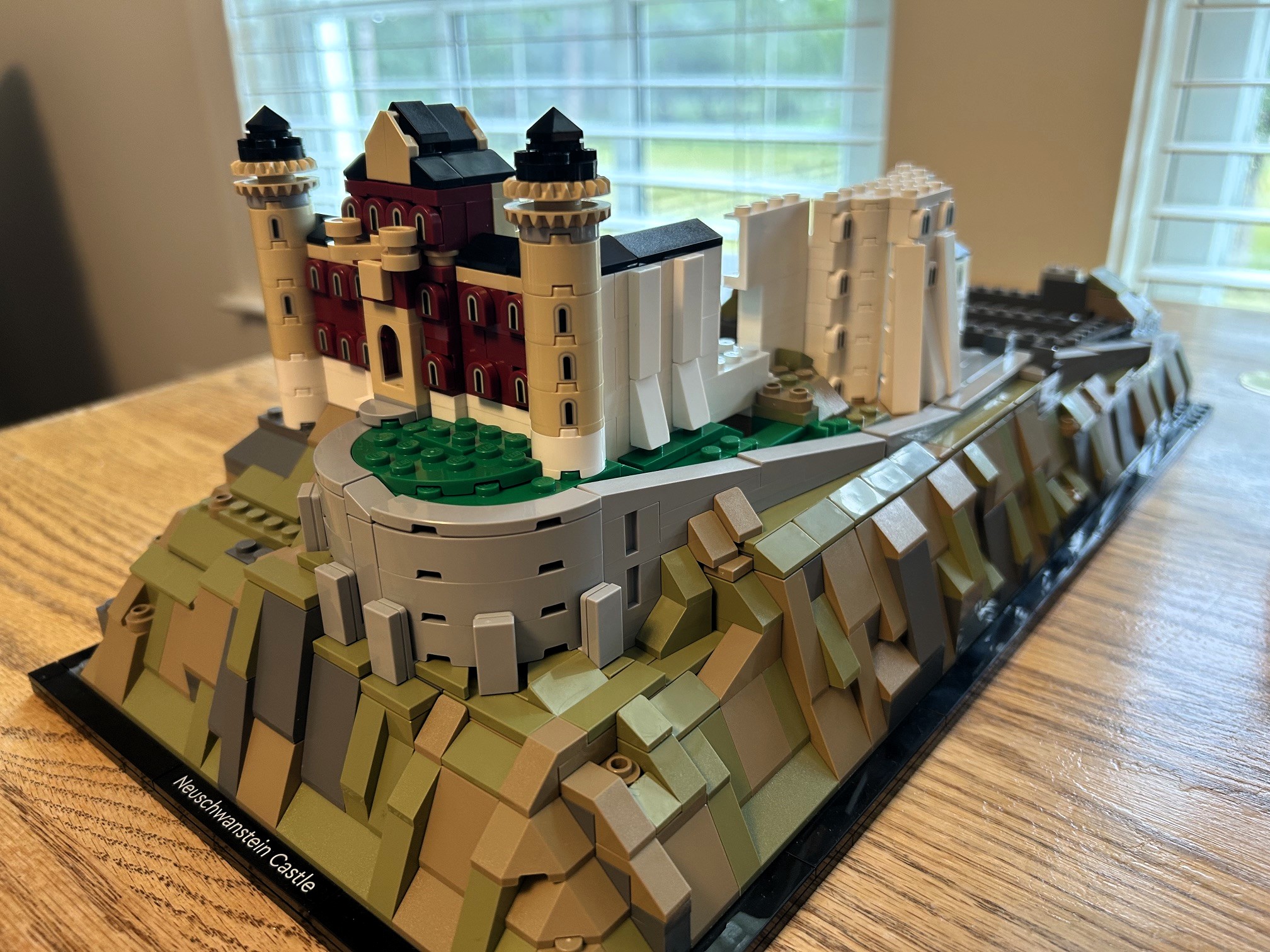
Believe it or not, I wish King Ludwig built an even bigger castle. If he had maybe LEGO would’ve used bigger pieces for its model. Bags 7 and 8 (of 23 bags of pieces) contained some of the smallest bits of LEGO I’ve ever tried to get my fingers around. When I first spilled out the bags I let out a big sigh, not just for today’s construction but for the similar chapters sure to follow. After all, we’ve only built the Gatehouse and a portion of the lowest level of the castle so far. The finished structure will be about three times the height you see in the photo. That’s a lot more LEGO bits.
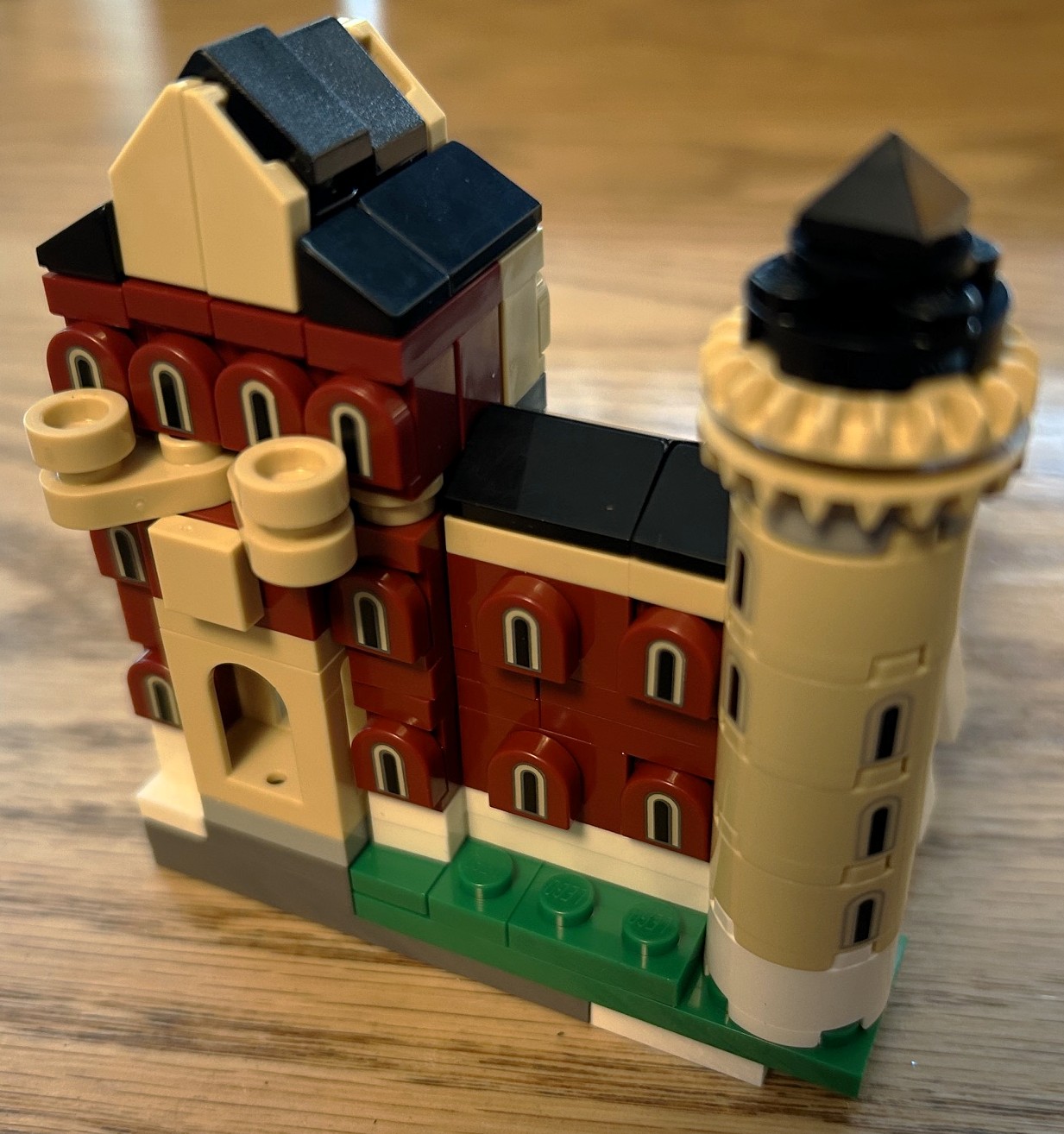
We built away from the main model today. Each bag represented a separate “module” of the castle like you see in this photo. When it’s complete you drop the whole assembly into the base. This sort of approach is possible with the cranes we use in modern construction but certainly not in Ludwig’s time. His builders would’ve been creating the castle one brick at a time. Regardless, at least we have the beginnings of the castle instead of just boring Bavarian Alps, right? The Gatehouse was the first part of the castle to be completed back in 1872, so credit LEGO for designing the model to be built in the same order.
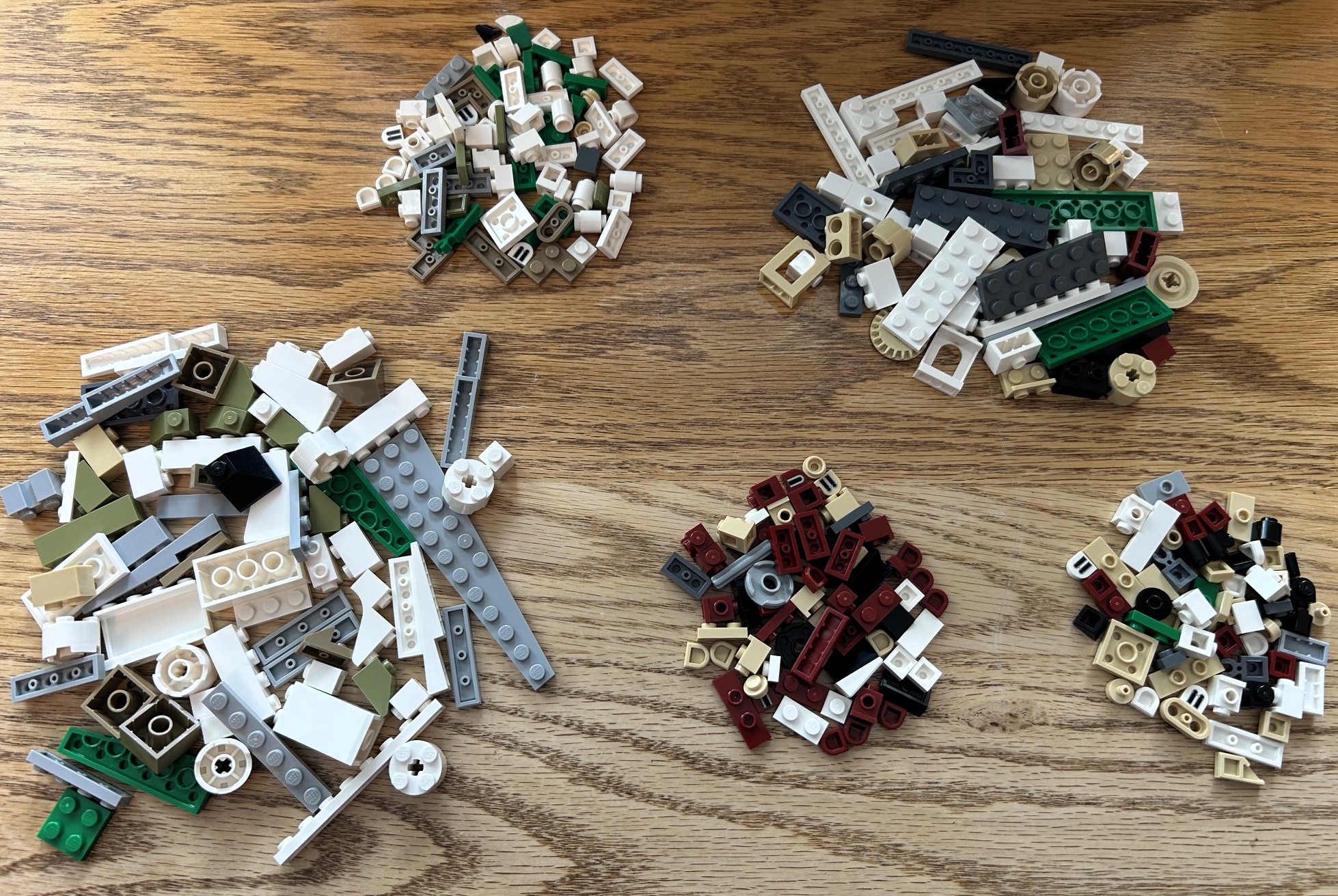
As I searched for tiny piece after tiny piece today I got to thinking, “Man, it’d be nice to have an AI bot right now. This bot could consult the instruction manual, scurry over to the piles of LEGOs, and haul back exactly what I needed for each step. But hey, like a jigsaw puzzle the hunting for the pieces is (supposed to be) part of the fun. I just wish they were bigger than cake crumbs!
Running build time: 4:02.
Total leftover pieces: 28.
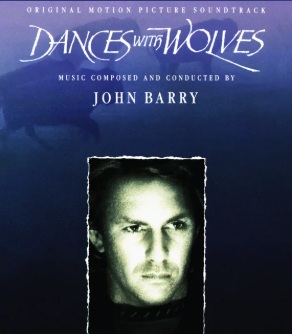 Accompanying movie soundtrack: Dances with Wolves (1990). No one should disagree Dances with Wolves is the crowning achievement of Kevin Costner’s film career. With it he won the Academy Award for Best Producer, Best Director, and was nominated for Best Actor. I’ll never forget a random hotel stay with my wife, where we turned on the television to Dances with Wolves just as it was starting. We’d never seen the movie before. Three hours later we sat speechless, having long missed our dinner reservation. John Barry’s scoring of the film also won the Oscar and is entirely deserving. Understandably – assuming you’ve seen the movie – the melodies are mostly haunting and forlorn, but the score is beautifully tied together time and again with the unforgettable theme music. Listen to it here.

