
Like many towns these days, my own hosts an annual festival featuring a series of running races; the 5k on up to the marathon. My choice of those is the 10k, about six miles start to finish. Those miles give me a good tour of everything our town has to offer, including Civil War-era buildings and landmarks. But even better, the middle miles of the run go down a street I consider utterly unforgettable. After all, the street is named after my mother.
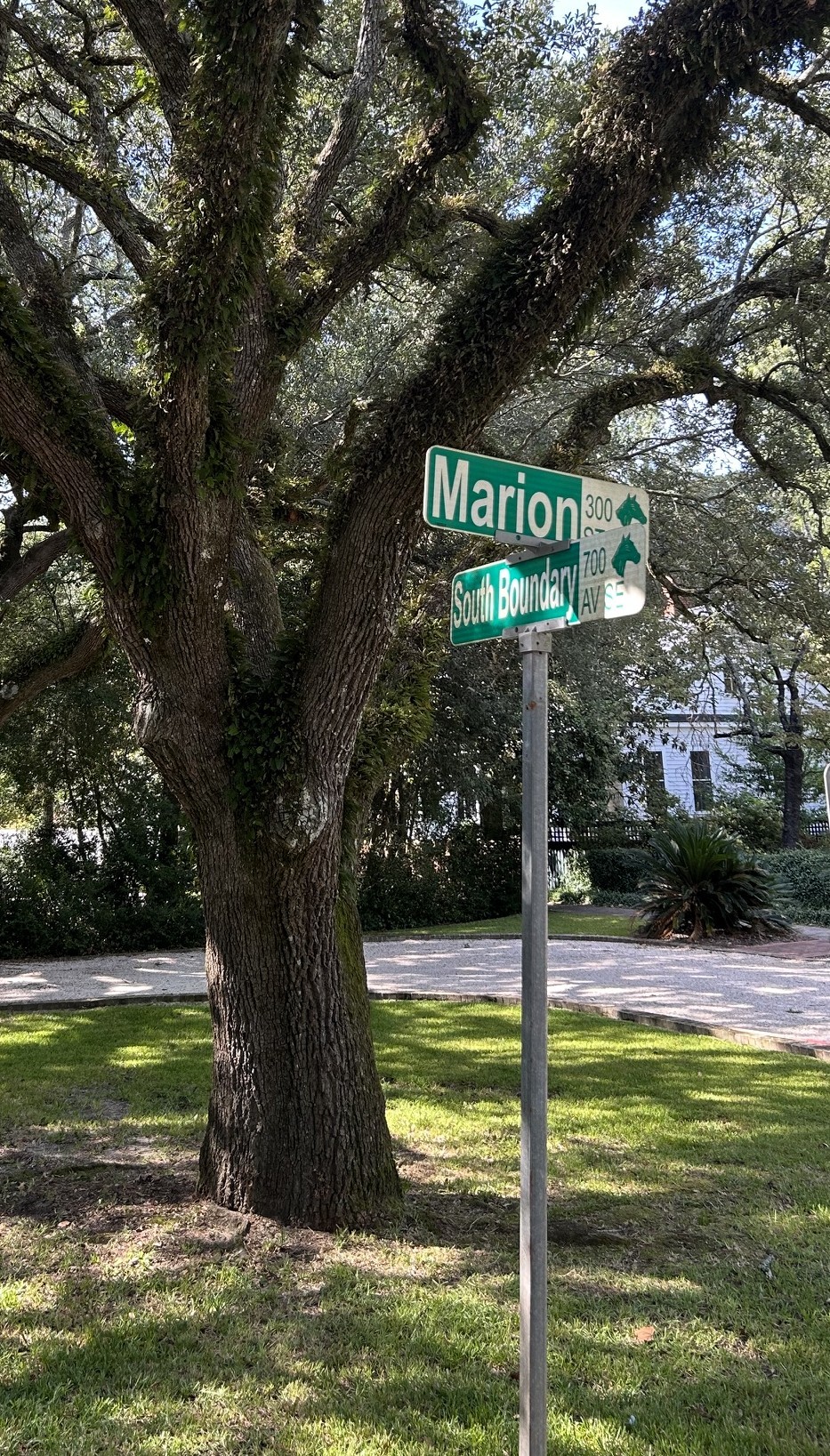 Okay, it’s safe to say Marion Street is not named after my mother because it was added to the map almost a hundred years before she was born. But the name grabs my attention because of the spelling. My mother is “Marion”, not “Marian” or “Maryann” (or however else you choose to spell it). Besides, when our town’s other streets default to standards like “Second”, and “Park”, a woman’s name smack dab in the middle of them all certainly stands out.
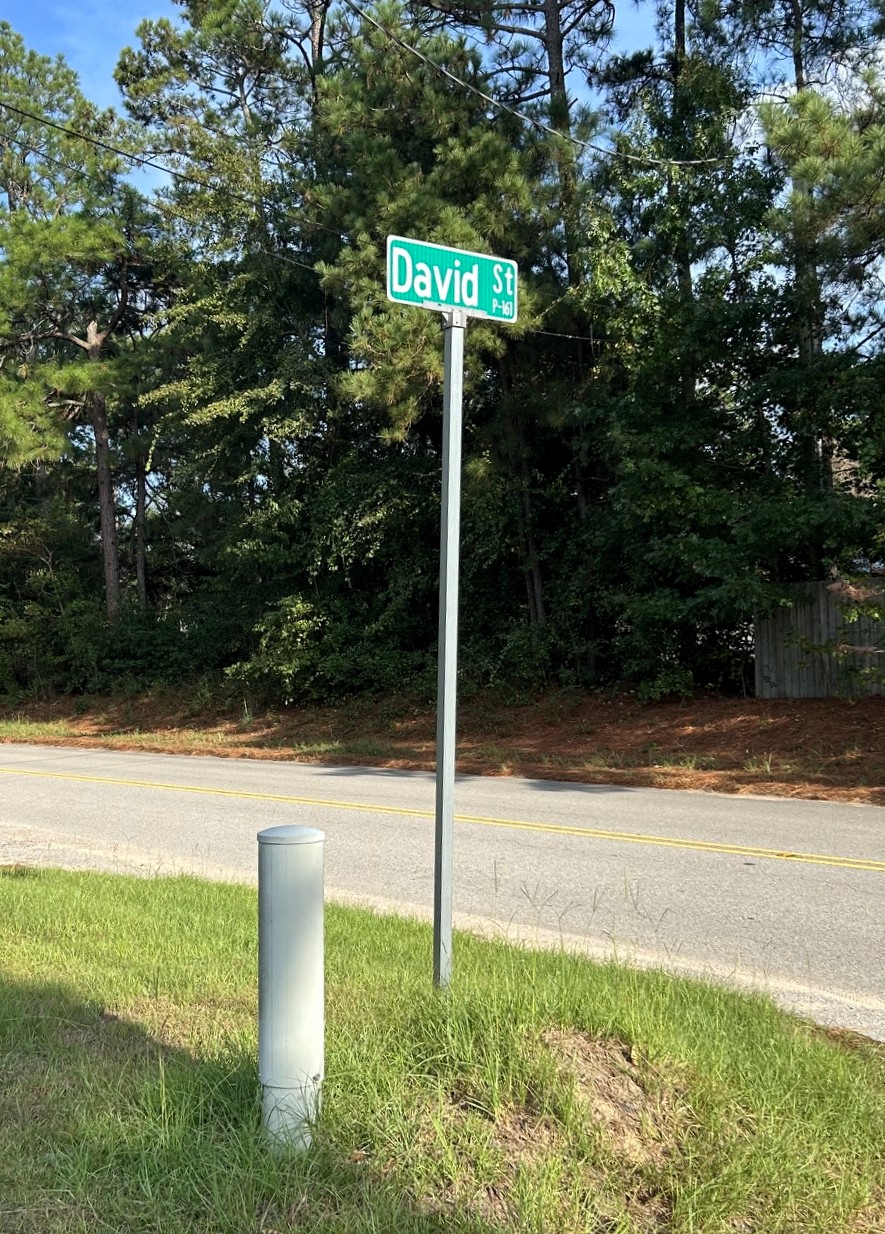
I ran the town 10k for the fourth time last April, so it was another chance to blow a kiss to my mother as I huffed/puffed down her street. But this topic never would’ve become a blog post without broadening the search a little. Which brings me to “David Street”, a discovery I made just this past weekend. Driving down a road I rarely traverse, the street sign popped up just after a curve, causing a double-take and a tap on the brakes. Marion Street and now David Street? What’s going on here?
Believe it or not, the study of street names (like we’re doing today) also has a name: odonymy. “Odonyms” in U.S. cities prefer to go with numbers, trees, or landscape elements. There’s a good chance your town has a Second Street, Elm Street, and/or a Park Avenue. If you do have a street named after someone, that person was likely a U.S. president or a prominent figure in American history. And the person is most assuredly dead, because tradition says we don’t name our streets for the living.
Odonymy trivia: “Second” is the most common street name in the United States (there are over 11,000 of them), followed by “Third”, followed by “First”. Why is “First” in third place? Because “First” is often replaced by “Main” (for a town’s most prominent street) or “Front” (if that street fronts something noteworthy like a river).
If a town’s grid is big enough the street names can be part of a group. In San Diego, the city chose trees in alphabetical order (e.g. “Ash”, “Beech”, “Cedar”) intersected by numbered streets, so your location at say, “Fourth and Elm” is very easy to find. Austin, TX named its streets after Texas rivers. Palo Alto, CA went with distinguished colleges and universities. And even though Tucson, AZ didn’t go with a group of names at all, they still get points for calling their streets on the diagonal “Stravenues”.
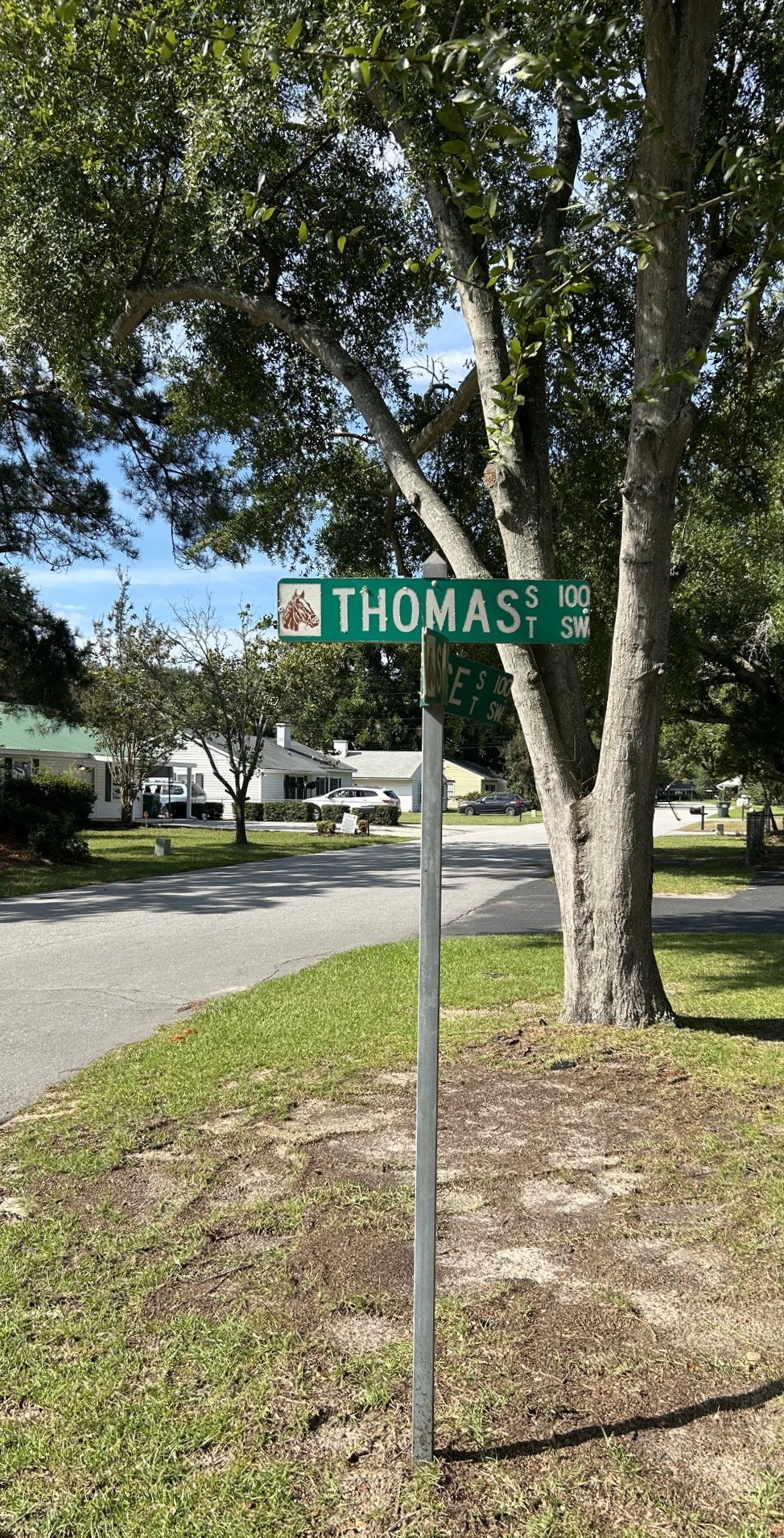
Because I can’t resist a good treasure hunt I looked up the rest of my family on Google Maps. Guess what? Of my four brothers, two are on street signs right here in town, while the other two are less than thirty minutes away. My three children are in the neighborhood as well. As for my father? Well, the nearest “Bob Street” is over two hours away, yet that seems apropos. After all, my dad was always one to endeavor far beyond his immediate surroundings.
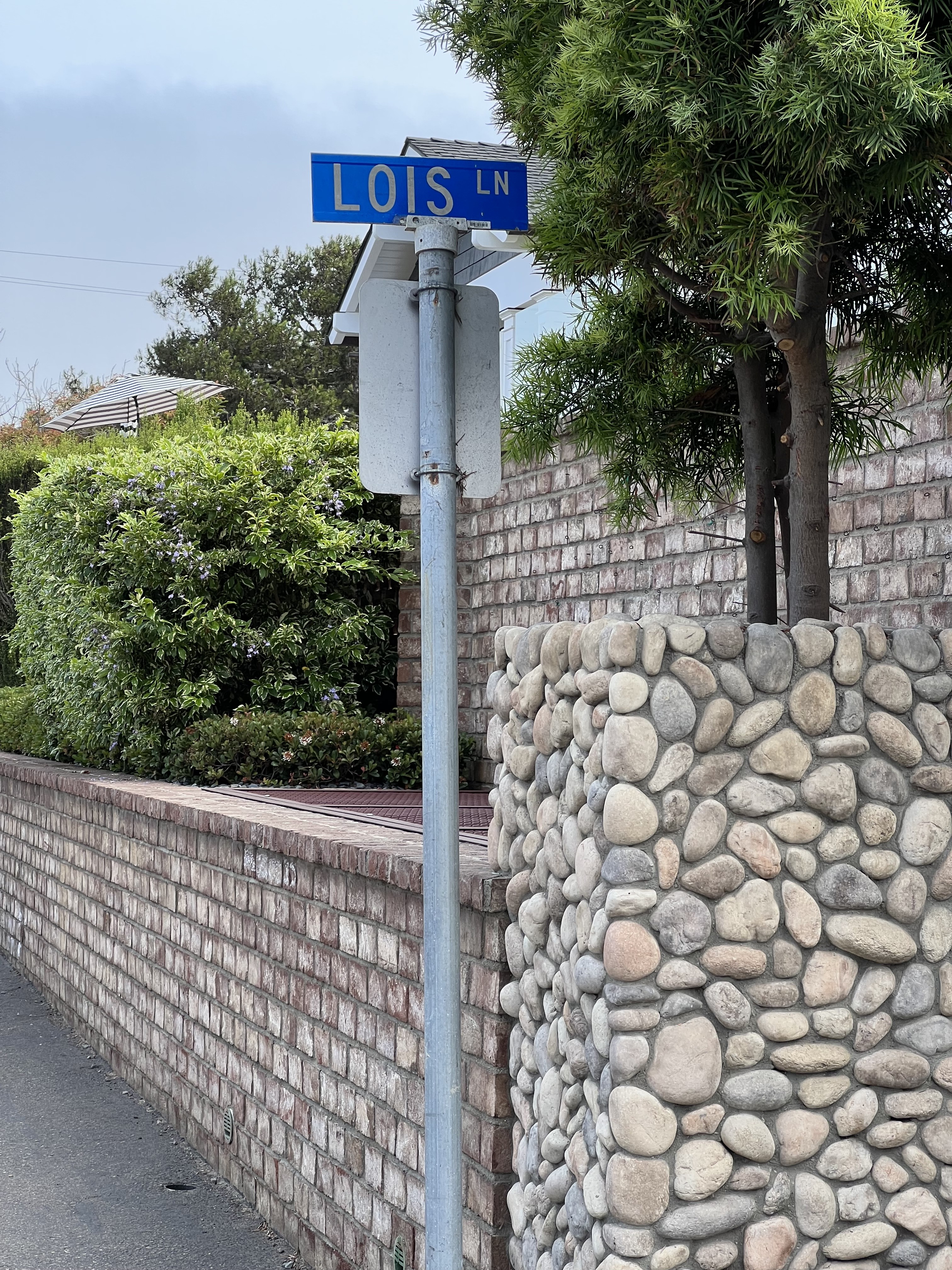 To bring us back to where this all started, the mystery of Marion Street is really no mystery at all. My town chose South Carolina counties for its street names and Marion County is one of those, just off the Atlantic coast. The name “Marion” honors Francis Marion, the “Swamp Fox” brigadier general who served in the Revolutionary War. But I prefer to honor a certain someone else instead. So every chance I get I’ll run down her street, give a little wave to her sign as I pass by and say, “Hi Mom!”
Some content sourced from Wikipedia, “the free encyclopedia”.
———————————————————–

LEGO Neuschwanstein Castle – Update #7 (read about the start of this project in Fit for a (Fairy Tale) King
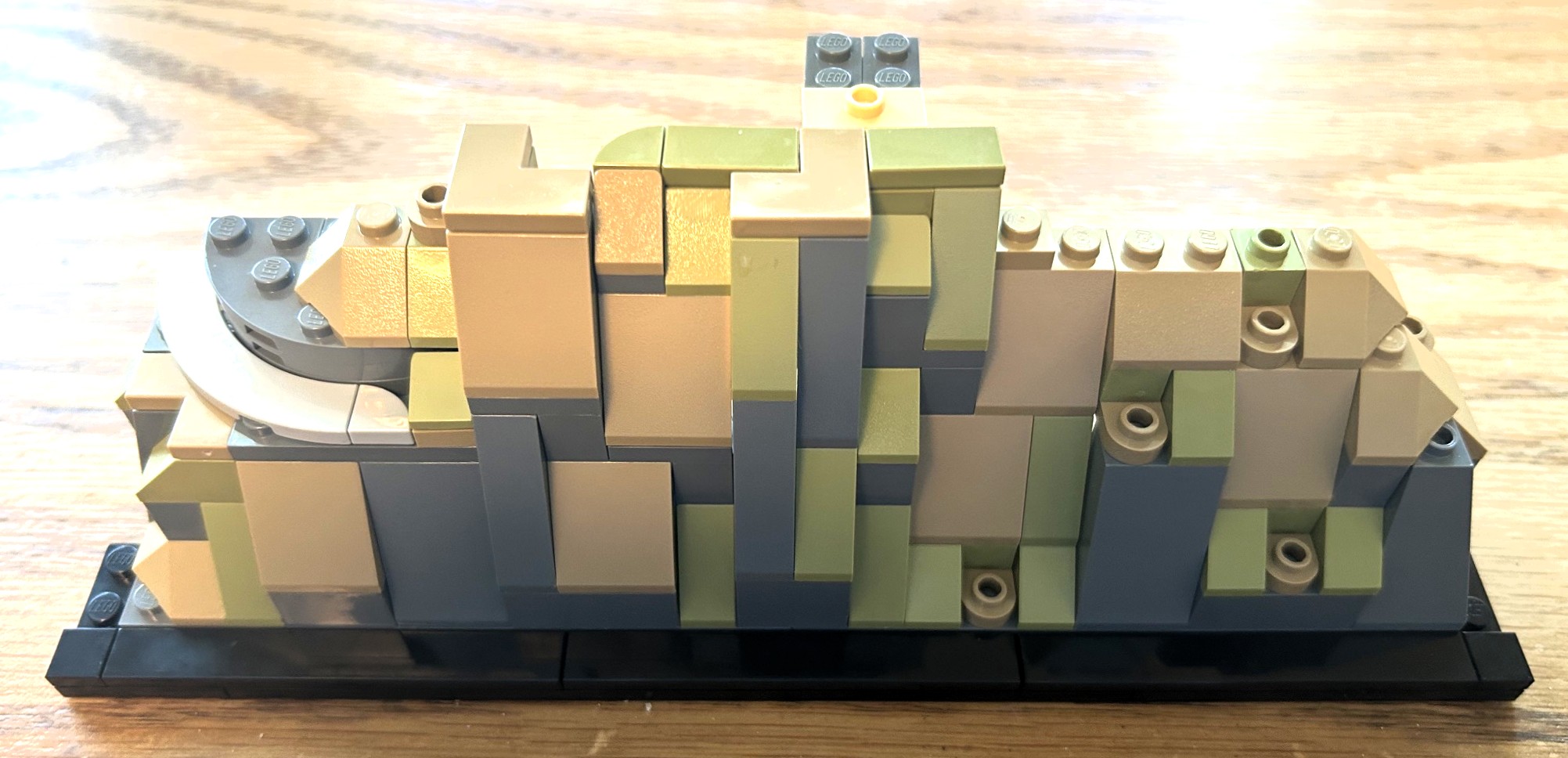
King Ludwig’s castle is determined to be the most difficult LEGO build I’ve undertaken, even if the construction has been fairly straightforward so far. Bags 13 and 14 (of 23 bags of pieces) returned to the Bavarian Alps below the structure, working to close in the far end of the castle’s earthly foundation. Today was effectively ninety minutes of adding more of the green, grey, and beige pieces you see in the surround of the model. And the build was going just swimmingly… until it wasn’t.
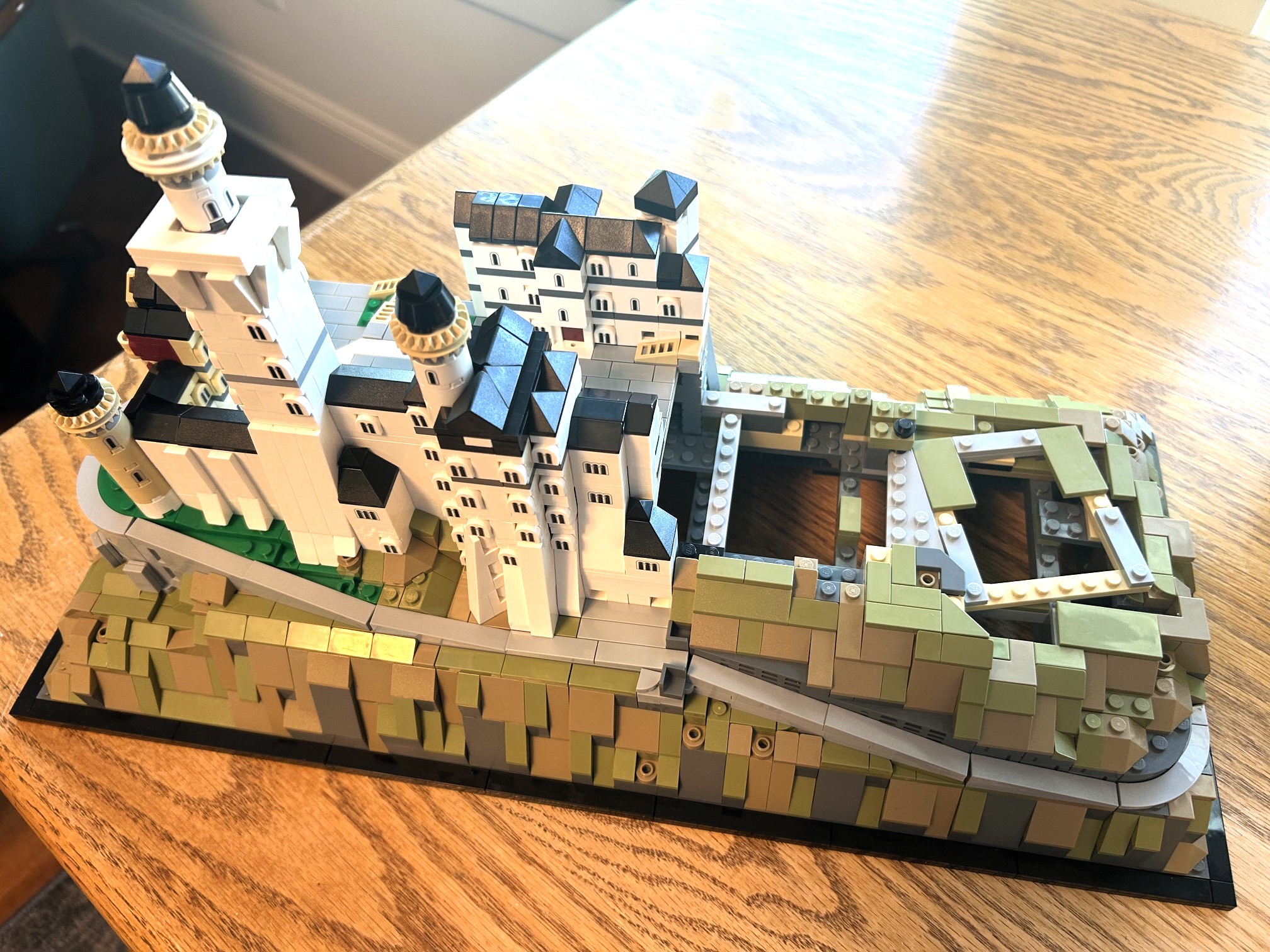
LEGO left another piece out of the box (or so I thought). As I wrapped up construction of the contents of Bag 13, I realized the little bugger simply wasn’t there – and it was an important little bugger. I looked everywhere to no avail. So clever me improvised by replacing the piece with a fairly similar one from my pile of leftovers. It wasn’t until I was well into the build of Bag 14 that I noticed the missing piece staring up at me from the remaining parts. Which begs several questions. 1) Did LEGO put the piece into the wrong bag? 2) Did I somehow mix up the pieces from both bags (since I emptied them out together)? Or most probably, 3) Did the piece not want to be held captive in the model and was trying to make a run for it?
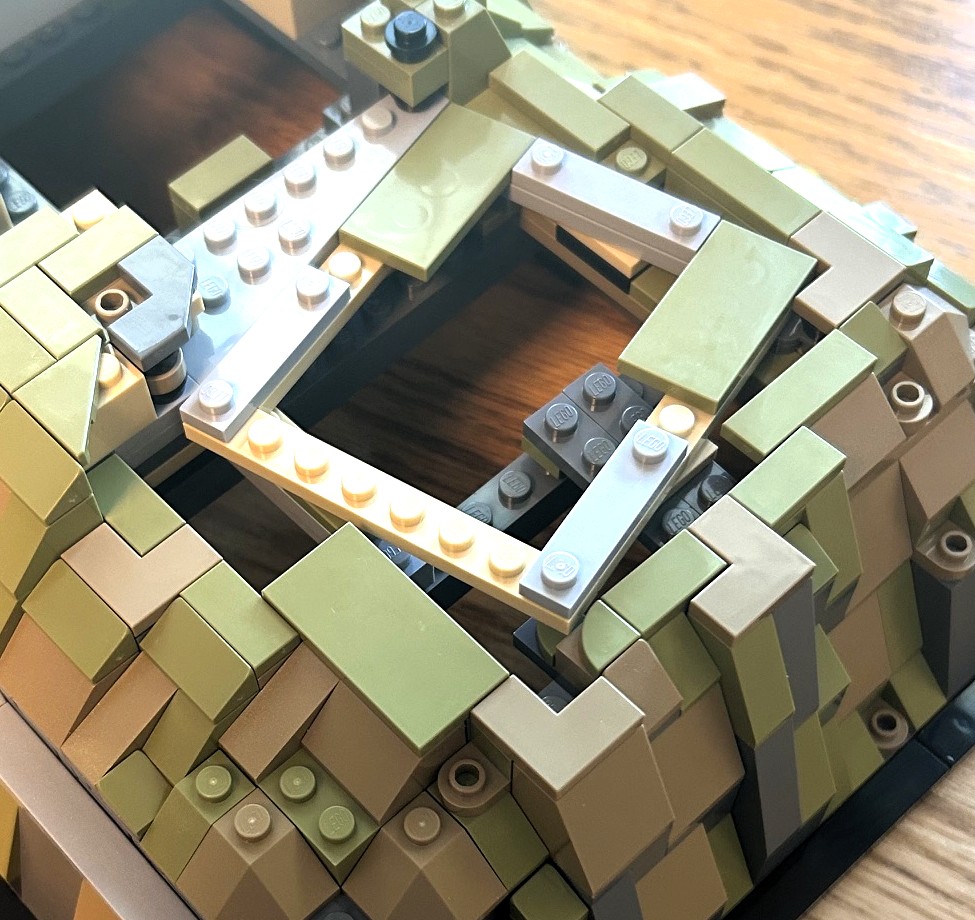
Whatever actually happened I managed to install little bugger where he originally belonged, but not before having to take apart a good chunk of the angled area you see here to gain access to his rightful location. You can’t even see this missing piece when all’s said and done, but it does serve as an anchor for the pieces above it so it’s kind of necessary. I’m happy to report, our little runaway is now officially captive inside of the model. Forever.
Running build time: 6:41.
Total leftover pieces: 41.
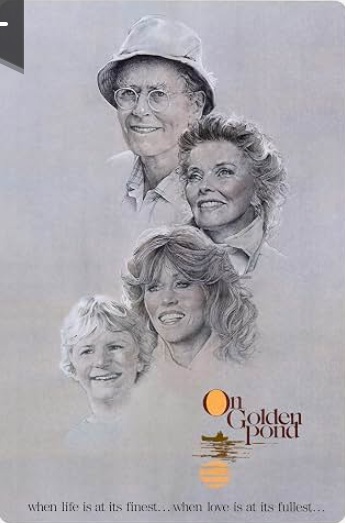 Accompanying movie soundtrack: On Golden Pond (1981). After last week’s barrage of Italian opera solos from Breaking Away I was ready for something calmer. And it doesn’t get much calmer than the music from On Golden Pond. The story itself is not a walk in the woods (by design) but who among us baby boomers wouldn’t jump at the chance to see Henry Fonda and Katharine Hepburn in the same film? Both won Academy Awards for their performances. The soundtrack, as it turns out, isn’t much more than the movie’s theme song, a beautiful wandering piano solo with a little flute (and a few loons). So I just put Spotify on repeat and hung out on Golden Pond (over and over) for awhile. Listen to the melody here.


