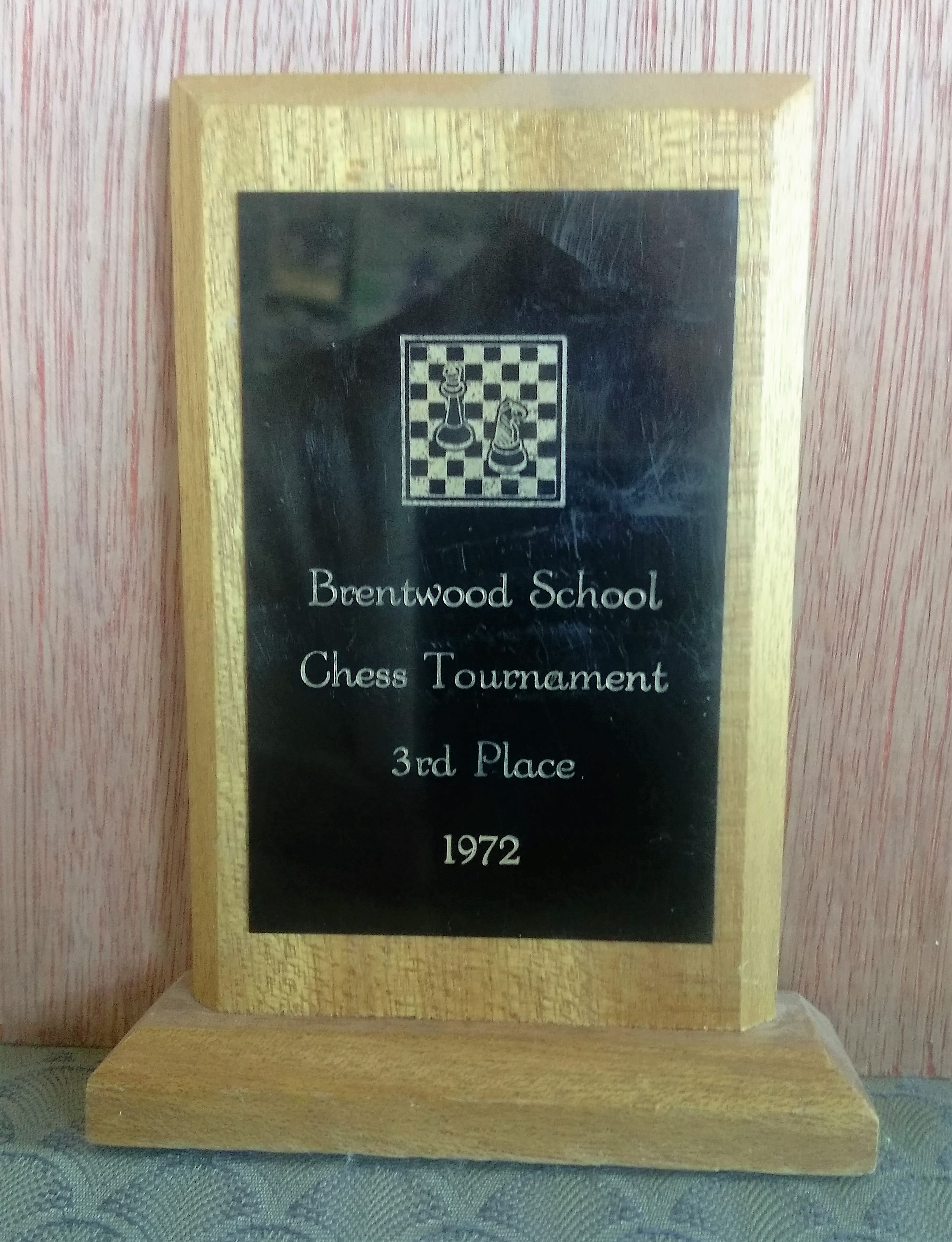
For those of you who know the game of chess, the rook (also known as the “castle”) is a powerful piece to have in your corner as things progress. The rook can take out an opponent’s pieces through long strides across the board. More importantly, if all you have left at the end of the battle is your king and a rook, you can still win. It’s the sort of thing I had on my mind as I wrapped up my latest LEGO build: A king (Ludwig II)… his castle (Neuschwanstein)… game over.
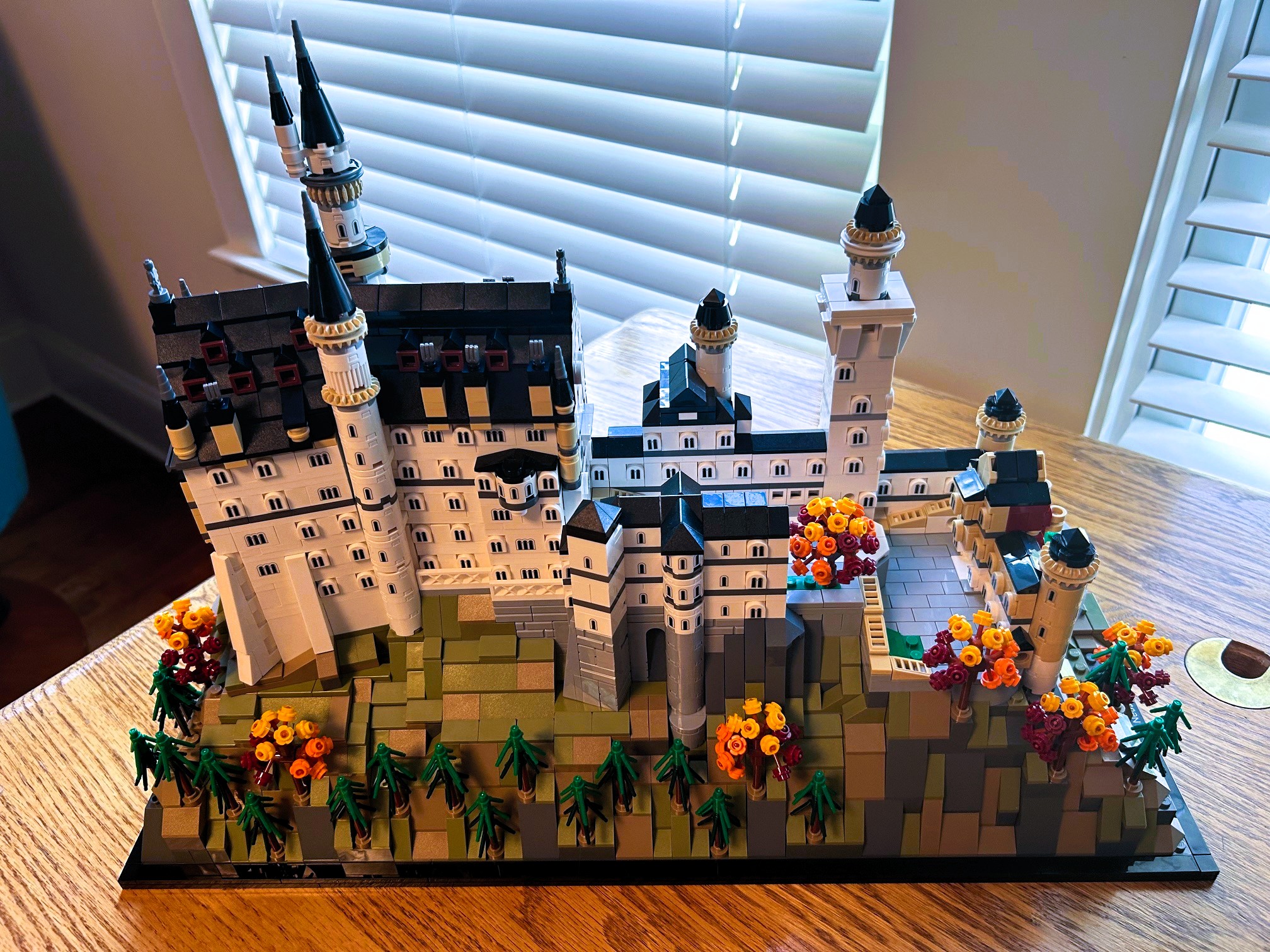 Three months ago I spilled 3,455 LEGO pieces onto my home office desk and wondered how they’d all come together to represent the wondrous architecture of the Neuschwanstein Castle in Germany’s Bavarian Alps (read about the start of this project in Fit for a (Fairy Tale) King). Today I can take a step back and admire this completed “cottage”. Well, sort of completed. Don’t judge a book by its fairy-tale cover. Only a handful of Neuschwanstein’s 200+ rooms were ever fleshed out. King Ludwig II himself never lived there, even though Neuschwanstein was designed to be his vacation getaway from nearby Munich.
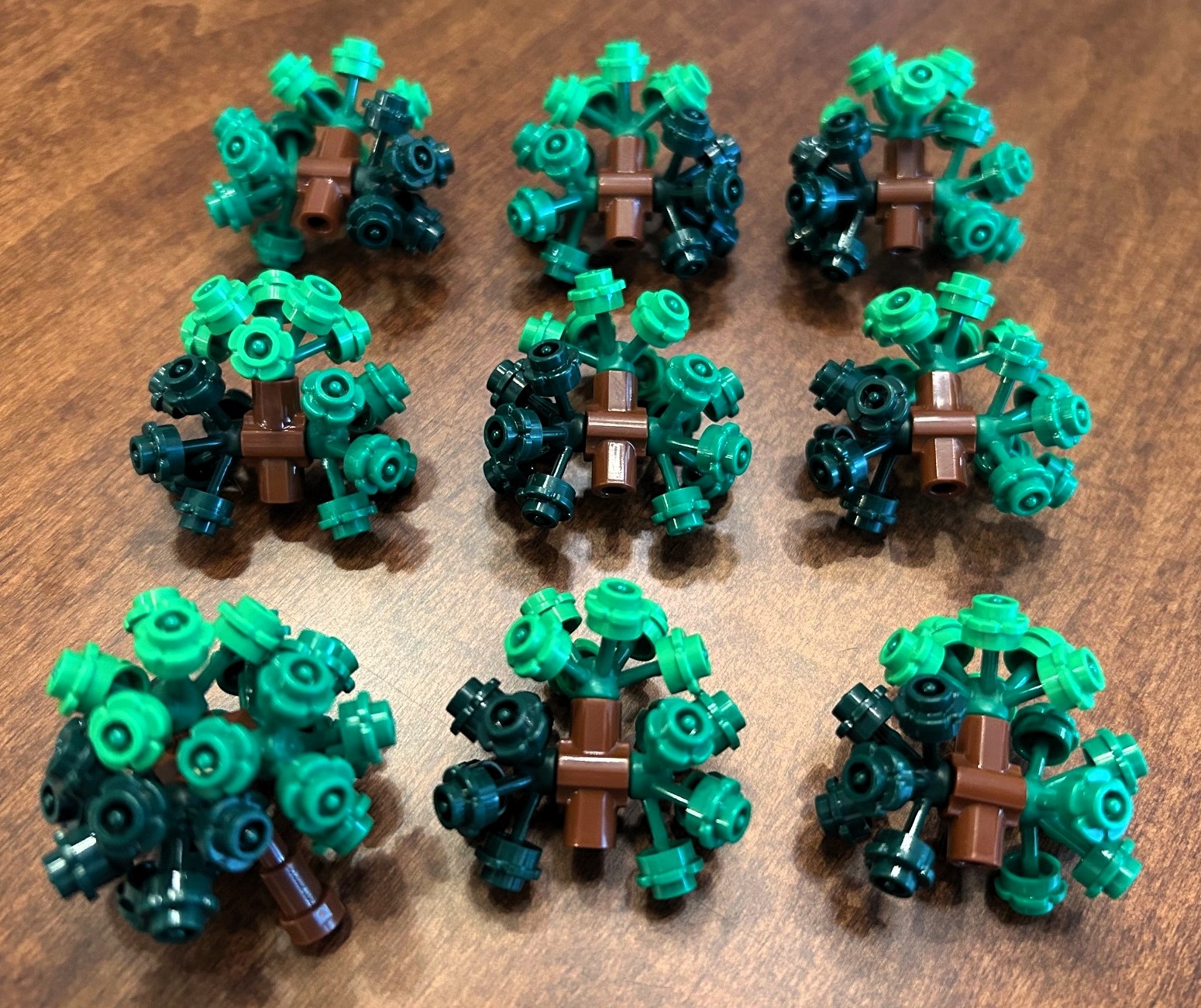
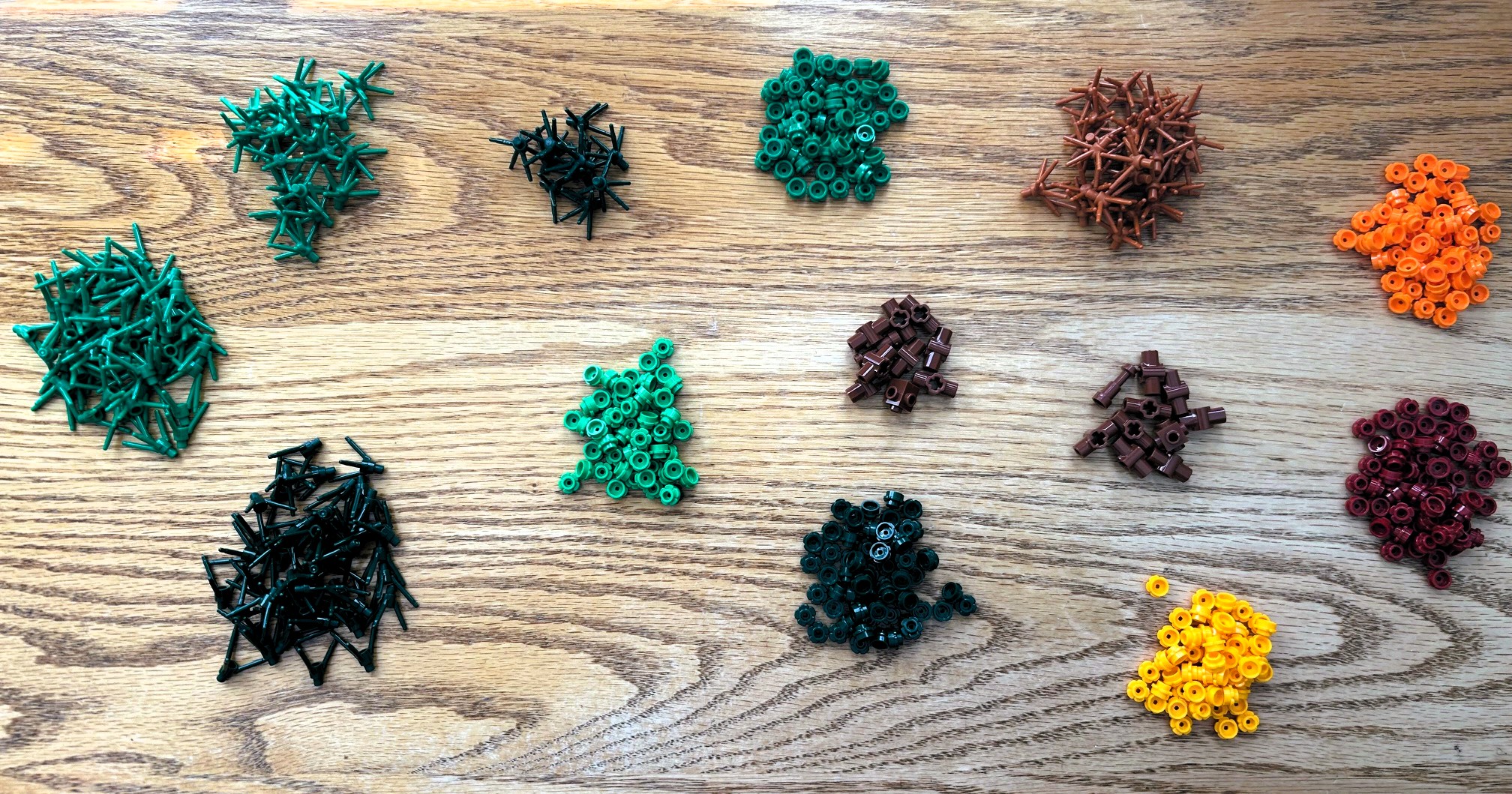 Bags 21, 22, and 23 – of 23 bags of LEGO pieces – put me fully in the forest of the Bavarian Alps. The castle itself wrapped up two weeks ago, so all that remained was to grow a bunch of centuries-old trees in the immediate surrounds. All that remained… HA! LEGO trees are more involved than you’d think. Start with the trunk, snap on four pieces of branches, then add a bunch of tiny, finger-numbing “leaves” on the ends of those branches, and each tree can consume up to 37 LEGO pieces. Now repeat the process 41 times. No wonder the final chapter took me two weeks instead of one.
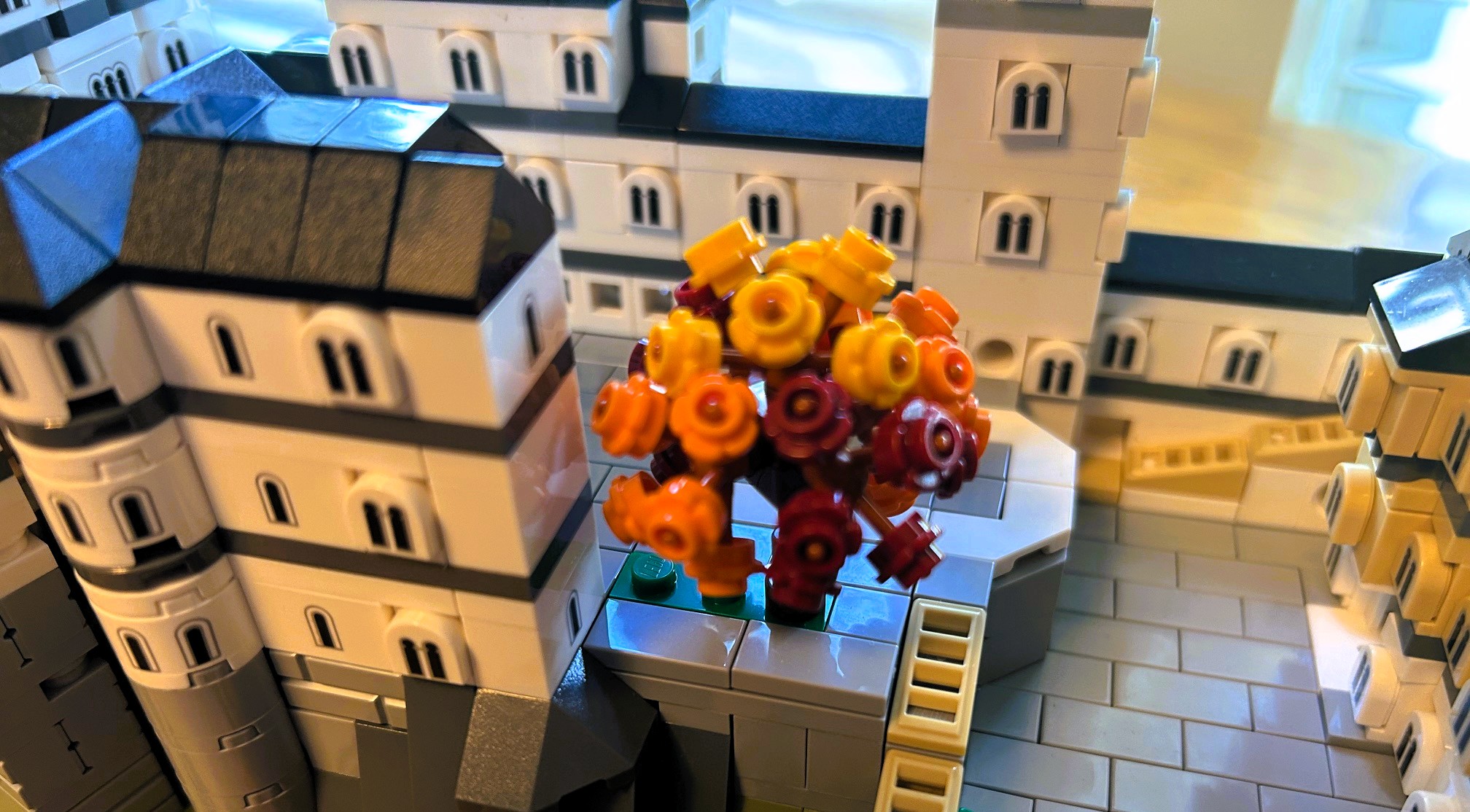 Here’s an interesting twist on LEGO models. The Neuschwanstein Castle allows you to “change seasons” with the look. Since we’re in fall right now I’m using trees of gold and brown. Come spring I can replace those trees with fresh ones in varying shades of green. It’s like having the black pieces on the chessboard set up and ready to go, only to be quickly swapped out by the white ones. “Nice move”, LEGO.
 If you’ve read these castle-building posts all the way to the end, you know my journey through the chapters of Neuschwanstein was accompanied by the music of movie soundtracks. It’s been an adventure to choose my favorite scores, let alone find them on Spotify or elsewhere. My final choice – the one that brought unbridled joy to all those tree builds – is a forgotten gem.
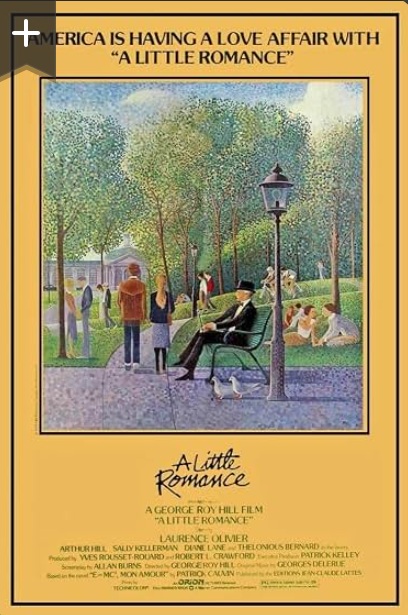 A Little Romance, the 1979 film with Laurence Olivier in his later years and Diane Lane in her younger, tells a story of young, innocent love, set in the beautiful surrounds of Paris and Venice. It’s a sweet story with unexpected adventures, and Georges Delerue’s Oscar-winning music accompanies every step of the way. The theme song is the flight of a happy flute, while the sadder scenes are the wandering of a lonely mandolin with a background of strings. I never get tired of listening to this one. Alas, the soundtrack to A Little Romance is an almost impossible get. You won’t find it on any of the streaming music services. You’ll have to pay too much for the CD someone hung onto for decades and is now trying to sell through Amazon. Instead, you’ll have to settle for the ten-minute compilation on YouTube I’ve included below. But have a listen anyway. The music will warm your heart and maybe even have you give the film a try.
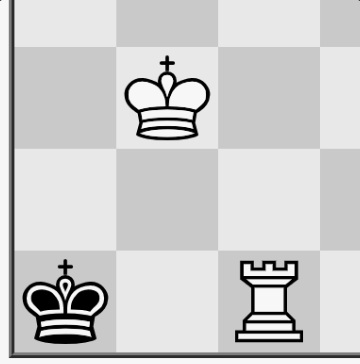
The completion of Neuschwanstein Castle – once again – brings my interest in snapping LEGOs together to a close. My discretion in choosing these models (and the shelf space in my home office) limits the ones that interest me. Yes, LEGO tempts me with its models of Spain’s Sagrada Familia (12,000 pieces!) and more recently London’s Tower Bridge but neither really appeals to me. Not to worry. LEGO is sure to add new members to its Architecture Series in 2027 and beyond. Before I know it I’ll be spilling out plastic pieces onto my desk again. Until then, as they say, game over.
Running build time: 12:10
Total leftover pieces: 75 (including tree trunks and leaves!)