Adventures in Library-ing

Early each calendar year I look back on the previous year’s expenses to discover areas in the family budget where I can trim. The price of food, gasoline, and other “have-to-have’s” always seems to go up, so I search for items that are not so “have-to-have” to balance things out. A good example is books. I read two or three a month on my Kindle e-Reader. At say, $14.99 a pop that’d be over $500 I could carve out of annual expenses… if I could only get those same books at no cost. But where-oh-where could I possibly find books for free?

You bibliophiles out there (and the rest of you, for that matter) are laughing as I’m about to describe going to the library as an adventure, but here’s the thing.  I’ve been e-reading on my Amazon Kindle for so long that the idea of holding a book and turning its pages – let alone checking one out of a library – has become, well, novel again.

I wouldn’t have reached this crossroads were it not for a particular book.  Amazon described Frank Delaney’s The Matchmaker of Kenmare just the way I’d hope: an intriguing WWII-era work of fiction.  So I went to “try a sample”(where Amazon allows you the first several pages of the book for free) and – horror of horrors – it’s not available in digital format.  WHAT?  No e-Version?  You’re saying, Amazon, I have to shell out $24.99 for the hard copy if I want to read it?

A book for $10 doesn’t make me pause but one for $25 sure does.  Hence began my library adventure.  The last time I spent meaningful time in one was in college (and I don’t want to tell you how long ago that was).  The library experience is probably different in every way now, starting online. When I “checked out” my library’s website (ha) I discovered I could get a digital library card almost immediately.  With the digital card I could reserve and check out books from the comfort of my home computer.  Hurrah, free books here I come!

Oh how I wish it were that easy.  Turns out, my library’s software is not compatible with an Amazon Kindle.  No digital books for me, sigh.  And besides, physical books – like the one I wanted – require a physical library card.  So with no other excuse to avoid it, I got in my car and headed off to my local branch.  Guess what?  Parking at the library is free.  Entering the building itself is free (no cover charge!).  Getting a library card is free.  Even the library bathrooms can be used without having to check out a book first.

Our main (and modern) library branch

Yes, this is my tax dollars at work of course, but the illusion of all this free stuff is fun while it lasts.  And boy howdy, libraries aren’t what they used to be.  Ours has all these rooms and services and people, as if the surrounding shelves of books are merely a carry-over from past generations.  You can sit down to public-access computers, attend a lecture, host a meeting, rent DVDs, buy coffee, and even spend time in a room of books dedicated to the history of the surrounding county.  Maybe this is all review for you, but it’s a little overwhelming for an e-reader who’s navigating libraries of the new world.

Our secondary (and ancient) library branch

There’s more to this adventure in library-ing than I have time for today (including the over-the-river and through-the woods visit to a different and decidedly ancient branch in my library’s network), but let’s close the book on this topic with a “laugh’s on me” conclusion.  As I was researching for this blog post I went to the Amazon page for my Matchmaker… novel again.  Go figure; it’s available in digital format after all, and even in paperback.  How did I miss these options the first time around?  Must be the library gods telling me to go old-school and get a physical copy for free.


LEGO Notre-Dame de Paris – Update #4

(Read about the start of this “church service” in Highest Chair)

Click the photo for a more detailed view

As Notre-Dame de Paris rises slowly from its foundations, I often picture a congregation of parishioners down there at ground level, sitting quietly in the pews.  Startled by the snap of a LEGO block above them, they gaze skyward, see my giant fingers, and wonder, “OMG is that the hand of God?”  No, no, little ones, it’s just Dave, working through Bag 7… of 34 bags of pieces.

The little devil was still in the bag

Today almost included the long-awaited moment where I realize with mock horror that LEGO left a piece out of one of their model sets.  I churned through my piles of pieces, endlessly stirring and turning them over and over, but to no avail.  A piece was missing, and that sick-to-your-stomach feeling settled in deep, the way you reach the end of a jigsaw puzzle minus one piece.  Then, to my utter amazement, I spied it out of the corner of my eye.  The tiny traitor was still in Bag 7.  Wow.  Good thing that plastic bag wasn’t already relegated to the trash, huh?

“Underfed” buttresses

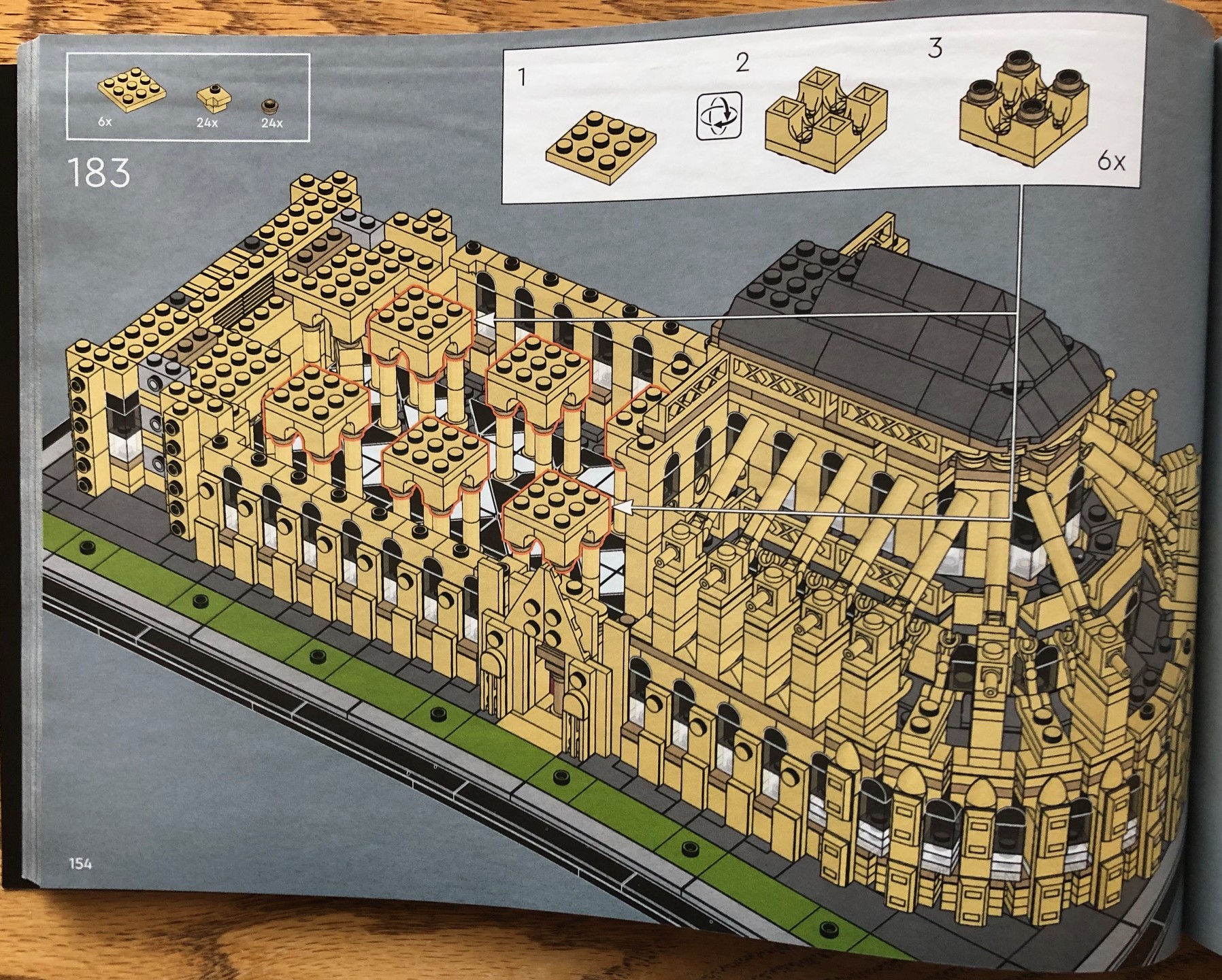
On the other hand, with more excitement than it probably deserved, today we began construction of Notre-Dame’s signature flying buttresses.  At first I was disappointed in the LEGO pieces, because I thought they looked a little, well, “underfed”.  Then I remembered; we’re only beginning the structure of the buttresses.  The finished look you see on the outside of Notre-Dame is supported by a complex of arches and columns well below it.  Here I thought my “God’s hand” was already working at roof level but in fact, we’re only about halfway up the structure.

Running build time: 3 hrs. 32 min.

Total leftover pieces: 16

See You In (my) Church

When I went to Sunday school many, many years ago, they taught us the little ditty “Here Is The Church” (… here is the steeple, open the doors and see all the people). You’d make a church with your hands pressed together as you sang, raising the steeple by extending and touching the tips of your pointer fingers. Today, sixty-odd years later, those same hands will build a cathedral – Notre-Dame de Paris. Granted my church is made from LEGO blocks and the entire model will be smaller than a cornerstone of the real Notre-Dame, but at least the steeple is made from more than fingers.

So then, “Here Is The Cathedral”… in its purchased form. The cardboard box you see is not what I would call huge, but it’s an ample residence for 4,383 plastic pieces. These pieces dwell in thirty-four separate plastic bag communities, just begging to be liberated.  Buried underneath all these subdivisions (in the crypt, if you will) is the brick of an instruction manual, a veritable phone book of almost 300 pages. C’mon, you didn’t think we’d raise this cathedral in a single blog post, did you?

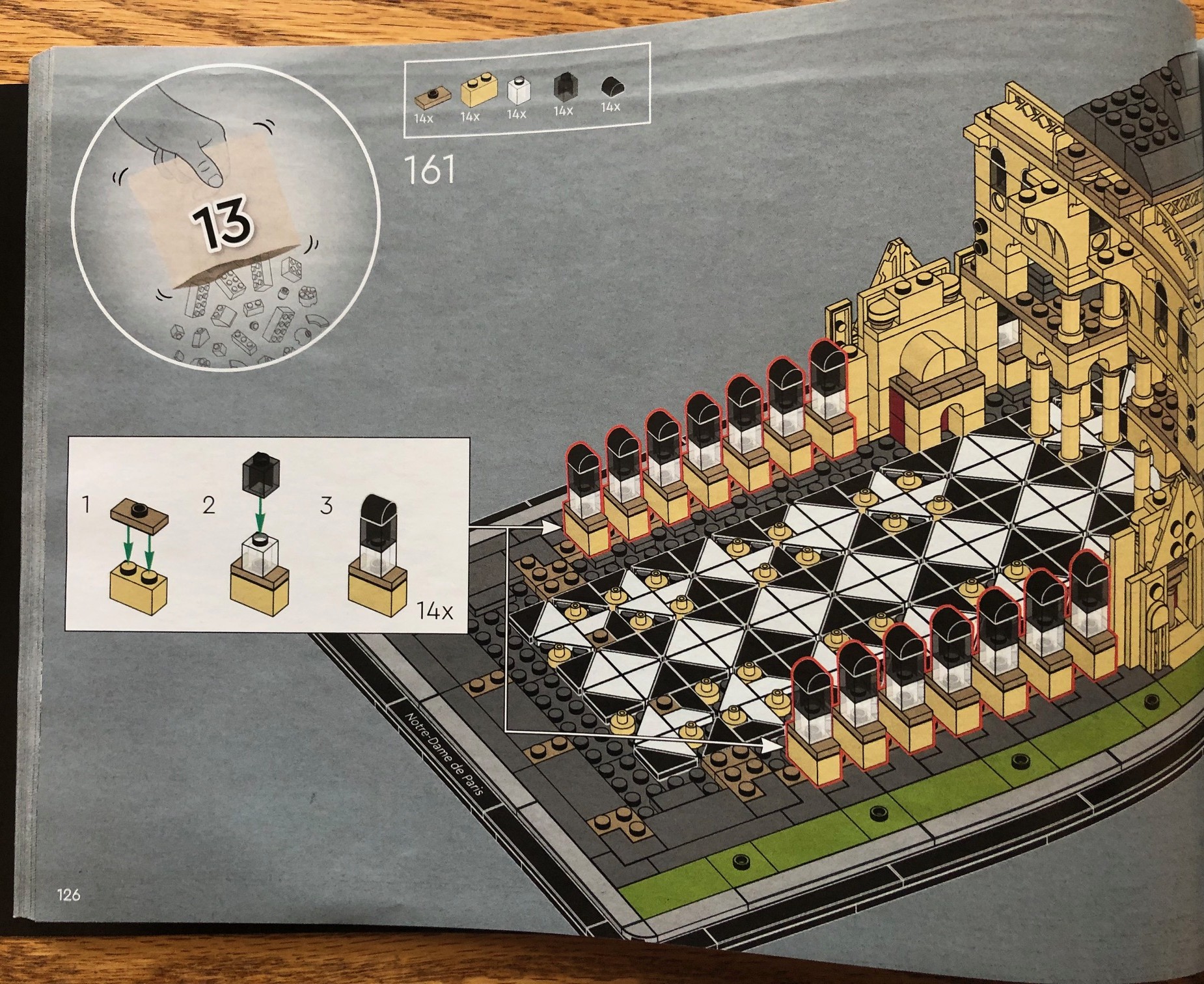
Mr. Instruction Manual could be called the mayor of this manufactured mess. He guides me on who gets together with who, when they get together, how they get together, and what it’s all supposed to look like as I go.  Mr. Manual has pages and pages of impressive illustrations (like this one), but also some LOL ones (like the one below). I mean, check out the upper left corner.  Am I really supposed to vigorously shake the bag out like that? The tiny residents will go running in all directions! We’re trying to create order from chaos here, people, not the other way around.

I expect all of the same challenges I encountered when I built the LEGO Grand Piano. I’ll think pieces are missing until somehow they appear right in front of me. I’ll connect pieces incorrectly and have to backtrack several steps to get them right. I’ll be left with extra pieces every now and then, and forever wonder if they were really “extra” or perhaps “overlooked”.  And I’ll police plastic piles around the meager real estate of my home office desk.  Maybe I require a shepherd’s crook or a bullhorn?  I mean, it’s me versus 4,383 others so you can see how one or two of them are bound to escape.

Here’s a thoughtful aspect of LEGO Notre-Dame de Paris, and oh-so appealing to the architect in me. The model will be built in the same chronological order as the original was (instead of, say, from the ground up). The first twenty years of Notre-Dame’s construction produced only the rounded east end you see here, which served by itself as a functioning church. The next twenty years generated the full footprint but without the roof, towers, and other noteworthy exterior elements.  The final sixty years brought everything across the finish line.  So I’ll be building the LEGO model in the same order, only in a hundred days (or less) instead of a hundred years.

10,000 piece tower

Before I snap Piece 1 onto Piece 2, let me dress down my many thousands of new plastic friends.  Together they comprise nowhere near the largest of the LEGO sets.  A model of Harry Potter’s Hogwarts Castle is over 6,000 pieces.  The LEGO Star Wars Millennium Falcon is over 7,500 pieces.  LEGO Titanic (er, before it sank): 9,000 pieces.  And standing regally at the top of the LEGO podium (and just a twenty-minute bus ride from Notre-Dame de Paris): the Eiffel Tower, the only LEGO model to exceed 10,000 pieces.  To each of these top-tens I say non.  Notre-Dame will be challenge enough for this builder/blogger.

LEGO Notre-Dame de Paris – Update #1

Now that we’ve had the prelude (so to speak) it’s time for the church service to begin!  Bag #1 – of 34 bags of pieces – houses the first 100 or so of the little guys.  LEGO thoughtfully opted for a sub-community in Bag #1 for the tiniest of residents (some of which are just begging for tweezers).

chaos

Mr. Instruction Manual (who is multilingual by the way; he speaks English, French, and Spanish), warns me to “… avoid danger of suffocation by keeping this bag away from babies and children!”  Mr. Manual also wants me to know my thousand of pieces were manufactured in five different countries: Denmark (of course), Mexico, Hungary, China, and the Czech Republic.

danger

It’s fair to say I haven’t stood in the LEGO “pulpit” for awhile.  I snapped pieces together incorrectly at least three times today.  I also thought I was missing pieces twice, and I fretted over the fact I ended up with two leftovers.  Let’s hope our church service is smoother next week!  In the meantime, here is the build of Bag #1.  Not much to look at but at least it’s the foundation of the east end of the Cathedral.  In 1163 Pope Alexander III oversaw the first stone being set in place.  In 2025 nobody saw me do the same.

order

Bag #: 1

Running build time: 25:38

Total leftover pieces: 2

Highest Chair

When we babysit our granddaughters here at the house, we tap into several items to make the job easier. A big basket of toys and stuffed animals sits in the corner of our living room. A dozen children’s books line the lowest shelf just waiting to tell their stories. Sesame Street is easily streamed on the nearby television. And at dinner time we roll out the high chair so everyone’s on the same level. So who would’ve thought a high chair would be my blog topic for today? Maybe you, if you know anything about cathedrals.

Notre-Dame de Paris

We’re almost there, loyal readers.  I will lay the corner-block of my LEGO model of Notre-Dame de Paris next week.  Why not this week, you ask?  Because before we crack the seal on the giant box of pieces, we need to pay a little respect to the real Cathedral.  I want you to know a few things about the stone and glass Notre-Dame before you witness the rising of the plastic one.

West facade

It’s a cathedral in the middle of Paris, Dave… what more do I need to know?  Uh, a LOT more.  To begin with, do you even know what a cathedral is?  I didn’t (and I have a background in architecture, for gosh sake).  It’s a big, giant church with stained glass and chapels and a raised altar, you say.  Well yes, you’re right, but what makes a church a cathedral?  Interestingly, it has nothing to do with the building itself.  Instead, a cathedral is the seat of a bishop (the ordained clergy-person who presides over the surrounding parishes). For lack of a church this person could just as easily be in a small house and it would still be considered a cathedral.

Cathedrals really do have “high chairs” on their altars for the bishops (cathedra in Latin means “seat”) but Notre-Dame de Paris is much more than a place for furniture.  First and foremost, it took a hundred years to construct (1163-1260).  In that era the building evolved from the common Romanesque style of the period to the more elegant French Gothic.  Notre-Dame feels unusually vertical and airy for a structure of its time and there’s a novel reason for this: flying buttresses.

Flying buttresses

Imagine Notre-Dame’s architect – Eugène Viollet-le-Duc – talking to the Paris city council in the twelfth century and saying, “Look guys, let’s think outside the box here… literally.  The structural support for this church ought to be outside of the building instead of inside”.  Why would the architect want this?  Because the flying buttresses assume the structural load that was previously handled by short, thick interior walls.  The result is taller, more dramatic spaces, filled with the light of high-up stained glass windows.  In other words, flying buttresses allow Notre-Dame to “reach for the heavens” much better than its Romanesque predecessors.

North rose window

There’s also more to this French “grande dame” than structure, of course.  Notre-Dame has twenty-nine chapels surrounding the main sanctuary (that’s gonna take a lot of LEGO).  It features three spectacular stained glass “rose” windows that would not be as large or as high were it not for those flying buttresses.  Notre-Dame’s twin towers host ten massive bronze bells and they each have first names.  “Emmanuel” (listen to his sound bite below) and “Marie” are so big they take up the entire south tower, while their eight ringing siblings all fit into the north tower.

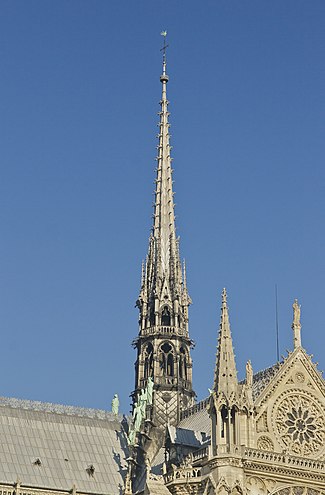
Notre-Dame also has a central flèche, a spire not unlike the ones you see on more modest churches.  This spire, however, is topped by a bronze rooster, which is not only the symbol of the French state but also a container for (supposedly) a small piece of the Crown of Thorns, worn by Jesus leading up to his crucifixion.

Rooster-topped “flèche”

As you would expect, Notre-Dame de Paris hosts countless works of art, whether paintings or sculptures.  Many of the sculptures are biblical scenes intended to educate the illiterate parishioners of the twelfth century.  But my favorite sculptures may be those of the twelve apostles, way up high surrounding the base of the flèche and looking outwards towards Paris… all except one.  St. Thomas – patron saint of architects – faces Notre-Dame itself, and was given the facial features of Viollet-le-Duc.

Okay, so now you know more about Notre-Dame de Paris than just the LEGO model.  Considering there are over 500 Gothic cathedrals in Europe, it’s impressive to see Notre-Dame at the very top of at least one “Top Ten Cathedrals” list.  We’ll visit some of those other “high chairs” in future posts, to add even more life to my pile of plastic pieces. In the meantime, my LEGO “church service” begins promptly at 10am next Thursday.

Some content sourced from Wikipedia, “the free encyclopedia”.

(Not) Paying the Piper

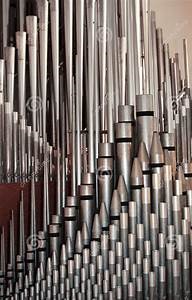
One player, many pipes

Our church is weighing creative approaches to conducting in-person services next month. Pastor Bob sent out a survey recently asking we-the-congregation to consider options like outdoor church, weekday church, and evening church – all in the name of social distancing.  We’ll also be shaking up the service “touchpoints”, like sharing the peace, passing the (offering) plate, and partaking in communion. The Big Guy doesn’t care about the where’s, when’s, and how’s, of course – just that we have church.  On the other hand, He (She?) might have something to say about the music. After all, how does a church organ sound after a three-month absence from tuning?

It’s bad enough our congregation is gloriously inharmonious when we bellow out the hymns (no choir of angels are we), but add in a fully discordant church organ and you have a complete mess. Organs need tuning like the human back needs a chiropractor: maintenance is key. When dust accumulates and seasons change, organ pipes sound noticeably different than they’re supposed to (hence the term “off-key”).  Imagine the pitch-perfect tones of a bass saxophone, but instead you get more of a sour wail.  That’s an organ pipe sans “tune-up”.

Every one needs tuning

Tuning organ pipes is serious business and can run thousands of dollars per visit.  Consider, the biggest organs have as many as 25,000 pipes.  The booming bass pipes can be thirty feet long and two feet in diameter, while the little pixie sopranos look more like metal soda straws. Each pipe must be individually tested and tuned no matter how big or small.  Tuner A presses a key on the (up to four) keyboards down below, while Tuner B adjusts the pitch of the pipe up above (sometimes on a ladder, sometimes on a suspended platform).  It’s hours and hours of monotonous – and in the case of cathedrals, death-defying work, one demanding pipe at a time.  Better love what you do.

Here’s another reason organ tuners deserve hazard pay.  Imagine you’re suspended hundreds of feet above the sanctuary floor on a swaying rope-suspended platform (I’m already saying “no”), virtually floating like the angels, and as you reach over to adjust the pitch of a mid-sized pipe, bats fly out.  Yep, that’s the kind of critters tuners encounter when an organ wants for too long (or a single pipe sounds suspiciously out-of-tune).  Squirrels even make their homes in the pipes – though don’t ask me how they don’t go plummeting to their death the moment a note is blasted from the keyboard.  Maybe they’re flying squirrels?

The view from above

In the land of COVID-19 there are no organ tuners (or very few).  Those Peter Pipers are being denied access to their church-bound “patients” because a) COVID may reside on a surface like, say, a keyboard, and b) no congregation means no offering plate means precious few payments to the Piper.  So what do stay-at-home tuners do instead?  Why, they tune their pianos of course!  Then they play those pianos hours on end.  We may come out of COVID with a whole new genre of classical music called “tuner tunes”.

Talk about a sprint from feast to famine.  An organ tuner’s busiest weeks are those leading up to Easter, often requiring extra staff and longer hours.  COVID downpoured on that parade.  Demand for pre-Easter tuning disappeared faster than Mr. Bunny himself.  In the case of one tuner – profiled in the Wall Street Journal – 100 contracts withered to less than a dozen inside of two weeks.  He furloughed his entire workforce, worried instead over simply paying the rent on his shop.

One day soon, we faithful will walk away from our laptops and wander back into church sanctuaries instead.  We’ll spread out over more services.  We’ll wave hands instead of shake hands.  We’ll drop the offering into the plate from a “safe height”.  We’ll bypass communion servers and help ourselves to the bread and wine instead.  The organist will play and the congregation will sing; both noticeably off-key.  And when that happens give a nod to the organ tuners, who will someday get the pipes pitch-perfect again. 

Just hope they don’t need an exterminator as well.

Some content sourced from the 3/25/2020 Wall Street Journal article, “As Coronavirus Shutters Churches, an Organ Whisperer Changes Key”, and Wikipedia, “the free encyclopedia”.

Deutschland-ish Improvements

My wife and I are slowly remodeling our house, a room at a time. First, we took a big plunge and overhauled the kitchen. Then we gutted the master bath. Now we’re thinking about a large deck with indoor/outdoor spaces. But that was before a recent trip to Germany, where we cruised a good stretch of the Rhine. Suddenly “remodeling” takes on a whole new meaning.

Our cruise down the Rhine started in Amsterdam.  Bad idea.  Amsterdam is loaded with the prettiest little canals and bridges outside of Venice.  As we were floating up and down the “city streets” we thought, “let’s put a canal bridge on our property!”  But a canal bridge requires a canal, else you get London Bridge in the middle of the Arizona desert.  So first we’ll be building a canal.

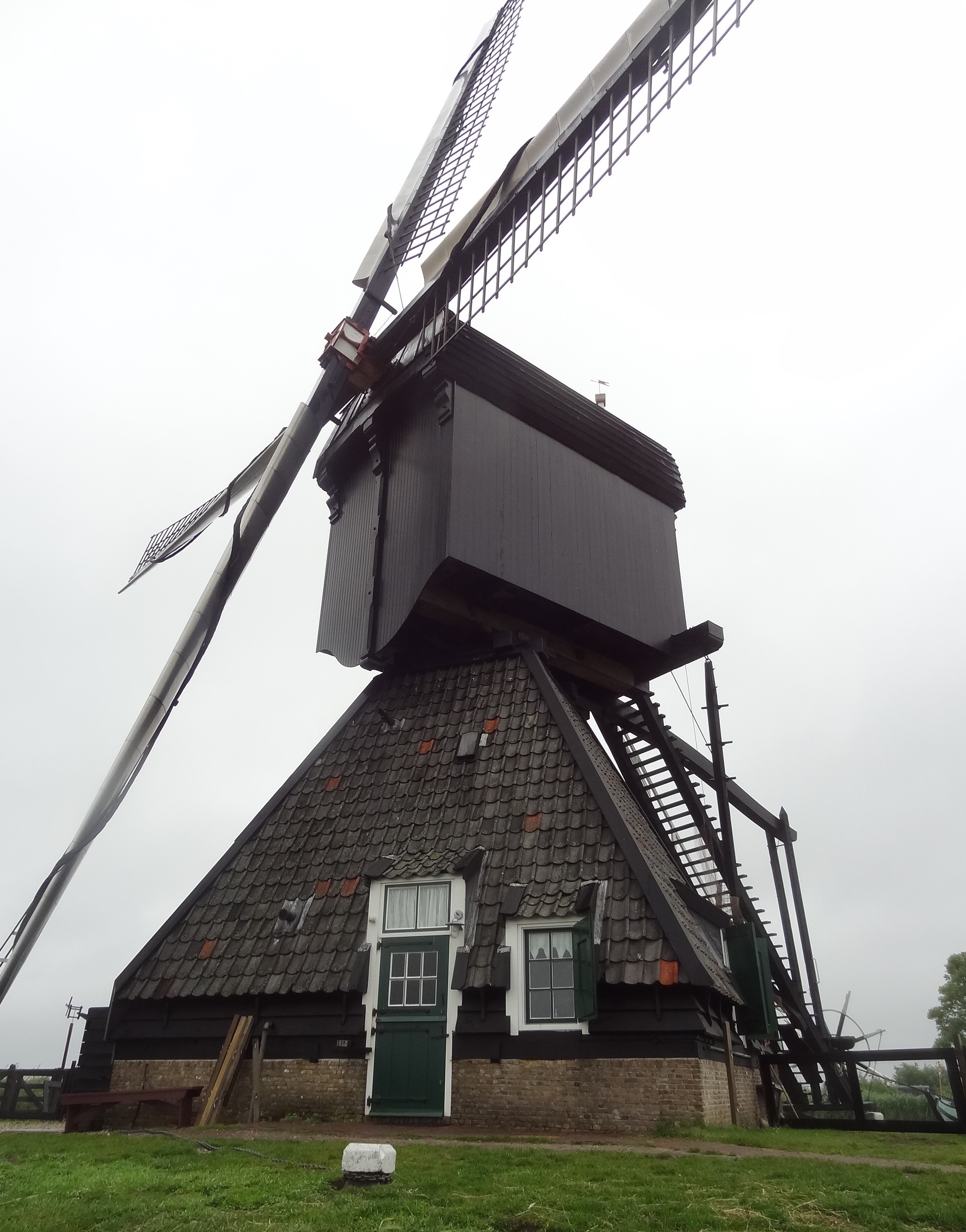
Our next stop on the Rhine kept us in the Netherlands.  We landed briefly in Kinderdjjk, not even a map dot if it wasn’t for some of the most beautiful windmills in the world.  Kinderdijk’s windmills not only pump water; they’re houses.  We must add a windmill to our remodel list!  It would make a unique guest house, and instead of pumping water from our well we’ll just windmill it up to the house from the canal.  You know, the canal we just installed so we could put in a canal bridge.

Once our river boat hit Germany, I knew our remodel was entering uncharted territory.  In Cologne, we walked through one of the most spectacular cathedrals in the world (seven centuries to complete!)  In every Rhine river town we passed there was another cathedral (more likely a church, but over there they all look like cathedrals).  Am I saying I need a cathedral on my property?  Of course not; the neighbors would consider that a little pompous.  But a chapel would be nice.  Something to accommodate a steeple and bell tower as elegant as the ones you find in Germany.  Wouldn’t it be great – calling the family in at dinnertime?  BONG-BONG-BONG!!!

Here’s the other problem with Germany.  Castles.  Big ones.  Little ones.  Intact ones and crumbling ones.  Wherever you look in the Rhine region, you see postcard-perfect towns with castles at their highest points.  I mean, who wouldn’t want a castle on their property, right?  The problem is, here in the flatlands east of the Colorado Rockies, a castle would look, well, compromised.  You’ve got to have your castle sitting higher than everything else (otherwise, how would you lord over your domain?).  Not to mention, castles take centuries to build.  I’d like to be alive when my remodel list is finished.

(Side note: my wife showed a disturbing interest in the castle torture chambers and all their nasty devices.  Either this is lingering effects of watching “50 Shades of Grey” too many times, or I’m in deep trouble.  I’ll have to keep a closer eye on her).

Castles just reminded me about one more thing in Amsterdam.  They love their cobbled streets.  Sometimes they’re perfectly uniform and flat; other times they’re ankle-busters if you’re not careful.  Either way there’s no avoiding the cobbles.  So now my driveway needs a remodel too.  I watched an Amsterdam-ian working to replace the cobbles on one of the bridges (yes, they cobble those too).  It looked like backbreaking work, one heavy stone at a time.  But if I’m going to have all my other Rhine region elements, an asphalt driveway just won’t cut it.

In the southwest of Germany, just before the Rhine flows into Switzerland, you make a stop in Bavaria: land of dense fir trees, Black Forest cake, and cuckoo clocks.  You’d swear you walked into a fairy tale, with Snow White (or Hansel & Gretel, or a hobbit) emerging from the nearest Tudor-style cottage with a smile and some gingerbread.  Fortunately, nothing in Bavaria made it to the remodel list.  I suppose we could plant a forest of firs, but that’s just tempting a large-scale fire and we’ve already had enough of those in Colorado.

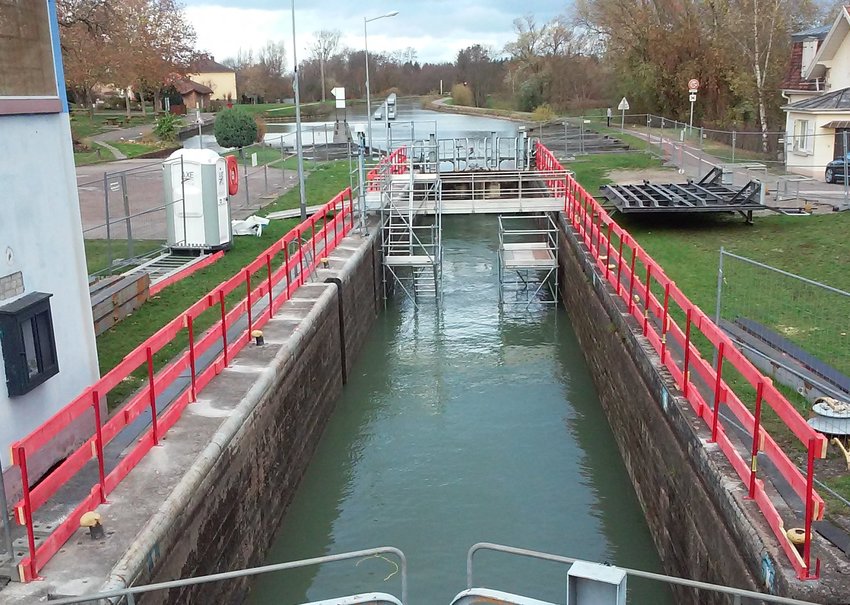
Also just before Switzerland, the Rhine passes through several locks; those mechanical wonders raising vessels from the lower river on one side to the higher river on the other.  There’s nothing like watching a lock do its thing while you’re in the lock.  Just when I thought I was done with my remodel list, here come the locks.  What a great way to secure my property!  Raise the driveway higher than the street; then force my visitors to enter through a lock!  On second thought, that’s too much work.  I’ll add another castle element instead – a drawbridge over the canal I installed way back in the second paragraph.

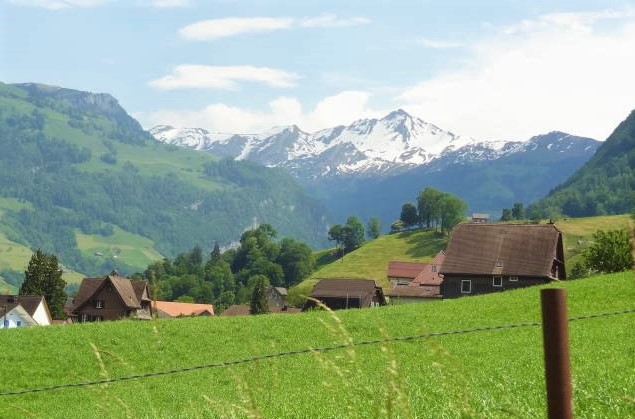
If you think my remodel is brazen (i.e. “Dave, do the deck and call it good”), just you wait.  My list is not quite complete.  Our cruise ended in Switzerland.  OMG.  I repeat, OMG.  How the heck am I going to remodel our property into Little Switzerland?  There’s nothing I wouldn’t tap from this Alpine dreamland: the dairy farms (which means a whole herd of dairy cows), the cheese and chocolate, and some of the prettiest, cleanest lakes in the world.  I’d even recruit a few of the Swiss themselves (as if they’d rather live in Colorado).  Of course, the real problem with recreating Switzerland is those dang gorgeous Alps – snowy caps, grassy meadows, cog railways and all.  Building Alps on my property would require ten billion delivery trucks of dirt and I just can’t afford that.  I’ll settle for gazing at the distant Colorado Rockies instead.

Come to think of it, gazing at the Colorado Rockies requires a deck.  That I can manage.  Let’s put my Deutschland delusion to the side and just start with a deck, shall we?