
Hello, I’m Veronica
The sky is not completely dark at night. Were the sky absolutely dark, one would not be able to see the silhouette of an object against the sky.


-
Your True Love’s a Nut Job
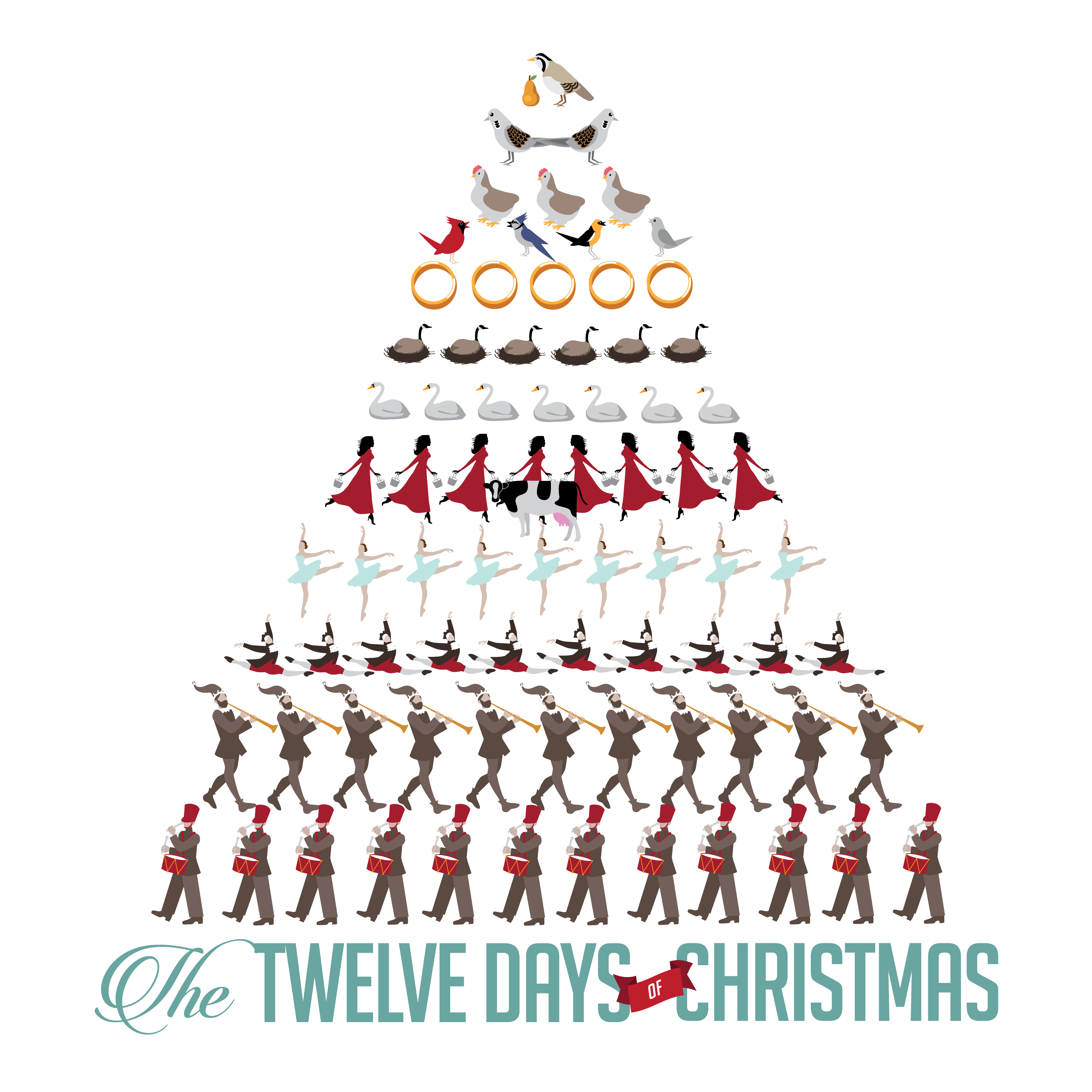
Each Christmas season (which translates to every waking moment from Thanksgiving to the New Year), I’m fascinated we still sing “The Twelve Days of Christmas”. I feel like a character in the Dickens world of Scrooge and Tiny Tim as I labor through the verses (ditto “Here We Come A-wassailing”). I should sing with an English accent. More to the point, I question the TDoC lyrics. What other context do we have for turtle doves and calling birds? What’s with the gold rings? Don’t we owe it to ourselves to understand more about a carol we’ve been singing for over two hundred years?

Depending on the source, “The Twelve Days of Christmas” was either a) written as a children’s book – which eventually morphed into a song, or b) “code” for memorizing elements of Christian religion at a time when faith could not be openly practiced. I prefer the latter. For example, the two turtle doves represent the New and Old Testaments of the Bible, while the four calling birds represent the gospels of Matthew, Mark, Luke, and John. The six geese represent the days of creation (“and on the seventh day He rested”), while the eleven pipers represent the faithful disciples of Jesus Christ. “My True Love” is Jesus himself. Clever, no? (see here for the full “code”).
Wikipedia claims “the exact origin and meaning of the Twelve Days song are unknown…” so perhaps we should just leave it buried in the past. But I can’t do that. TDoC is so much more fun if you take the literal approach to the words.

The title is innocent enough. “The Twelve Days of Christmas” equals Christmastide, a season of the liturgical calendar in most churches. Christmastide begins on December 25th and lasts until January 5th (the day before the season of Epiphany). Twelve days. That’s even more celebrating than Hanukkah. Fine with me – our family likes to drag out Christmas as long as possible.
Beyond the title however, “The Twelve Days of Christmas” descends into total chaos. Consider the structure of the carol. TDoC is a “cumulative” song, which means you add the previous verse to the one you’re singing – just like all those animals in “Old MacDonald Had a Farm”. By the twelfth verse you’re singing about everything, and you’re totally exhausted. Some people solve the length by having a different voice for each gift. That’s great for the partridge in a pear tree singer, but kind of sucks for the drummers drumming singer (who only gets one chance to shine). Make sure you have a solid voice for the partridge in a pear tree.

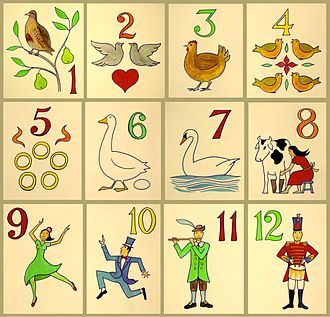
Speaking of the gifts, let’s do some analysis. Other than the rings, your true love has an obsession with birds. He or she is gifting you an aviary on six of the first seven days. Doves, hens, swans, and more. Not only that, you’re getting pear trees and God knows how many eggs from those a-laying geese. (Note: pears and eggs make great Christmas gifts).

The final five days, your true love gifts you a bunch of workers and merrymakers for the estate you apparently have. You’ll gain a herd of cows (what else are those maids a-milking?) and you’ll have a some dancers and a band making quite the ruckus on your front lawn. The neighbors may complain. C’mon, you say: how much noise can eleven pipers make? Eleven? So you forgot about the aggregate of a “cumulative” song, did you? Your true love actually gave you twenty-two pipers by the time January 5th arrives… and twelve drummers, thirty-six dancers and thirty guys who like to jump. And don’t look now, but your twelve pear trees are swarming with 184 birds. Maybe you don’t have any pears after all.
Sorry, but if this is your true love’s idea of Christmas giving, he or she is a nut job (or at least an animal hoarder). Here’s my advice: run. Take your forty gold rings and date one of those lords or ladies instead.
-
Getting My Juice GONE (p.2)
“Survivor” is reality TV’s longest-running program. “Survivor” is also my new middle name after a vicious three-day juice cleanse last weekend. For my pre-cleanse (sane) state of mind, refer to last week’s Getting My Juice On. For my current (questionable) state of mind, proceed with caution. The words that follow may be the equivalent of the movie scene you wish you never saw; the one still burned into your brain.
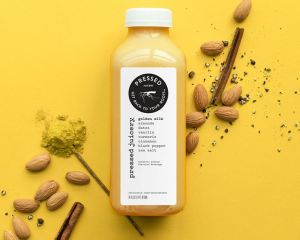
The quick recap: my daughter recently coerced my wife and I into trying Pressed Juicery, a hard-core player in the world of retail cold-pressed juice products. PJ offers gentle confections like coconut water with cinnamon, but for the truly gullible (me), they suggest a “cleanse”, where you down 336 ounces of liquid in three days (assuming you include the recommended twenty-four glasses of water). In those torturous seventy-two hours you get nothing else on the menu – no snacks, no bars; no solid food whatsoever. It’s just bottle after bottle of sickly-green liquefied vegetables (with an occasional fruit thrown in, which might as well be a lamb tossed into a pride of lions).
Considering I knew everything in the above paragraph before I took the first sip labels me as some kind of (raving lunatic)? But add my daughter to the equation and my voice goes rogue with, “sounds great, honey!”. Thus last Friday morning at zero-eight-thirty, I took my first sip of the PJ Kool-Aid. Let’s set the table with the scrumptious ingredients. Kale. Cucumber. Romaine. Spinach. Parsley. Lemon. I’d list the rest but I’m about to toss my cookies just thinking about them again (and believe me I’ve had a few cookies since that last fluid ounce).

In the beginning (this is a tale of biblical proportions), I assumed remarkable confidence staring down Cleanse Bottle #1. I consumed its contents in two or three gulps. Not so bad, I thought. Utterly vegetable with a sickly fungal aftertaste, but nothing a glass of water wouldn’t kill. But two hours later (which is a short 120 minutes on a juice cleanse), Bottle #2 came a-calling. This time I’m not so fast. It takes me a good half-hour to drain the contents. Now I’ve got thirty-two ounces of liquified vegetables in my system, which PJ claims is eight pounds of the real produce. That’s rough(age) on a body, and the body doth protest. After Bottle #3 the burps started. After Bottle #4 I enjoyed the occasional dry heave. By Bottle #5 I was asking for Mommy so I could tell her I didn’t want to do this anymore.

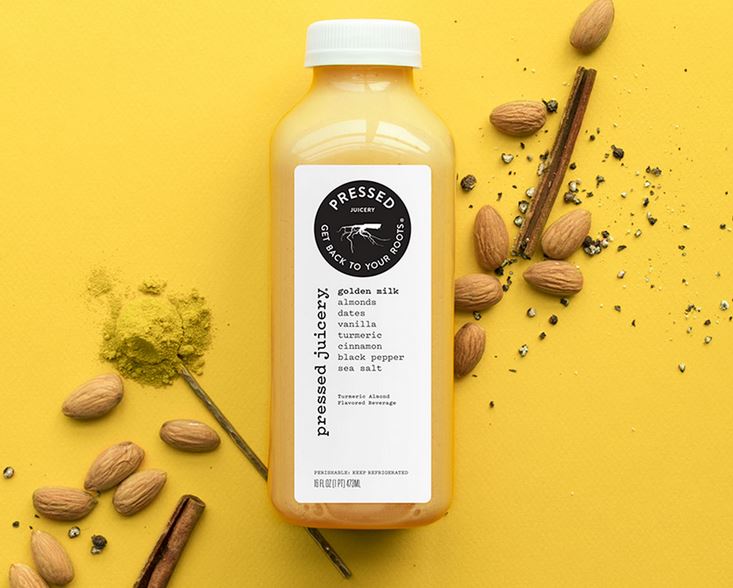
Unbeknownst to me (remember, I am gullible), I had created the perfect storm of stomach acids and vegetable puree deep down in my digestive system. Perhaps that’s why Bottle #6 is all almond milk and vanilla. It’s like dumping two cups of Pepto-Bismol over the whole mess (“Coats!” “Soothes!”). Okay fine, but try sleeping on that stomach. Your dreams are technicolor and downright scary.

Somewhere during Day 2, I looked in the mirror and saw a cucumber with a tomato head and broccoli-stalk arms. I stifled a scream. I put my hands on my hips and tried a “Ho-Ho-Ho” to see if I should audition for those Jolly Green Giant commercials. But there’s no time for auditions when a bottle beckons every two hours. Furthermore, deep into a juice cleanse you stop stop tasting the vegetables. That is, even when you’re not drinking, you’re tasting the green. Every gulp of air is tainted with chlorophyll. No breath mint is strong enough to conquer the stench. It’s like somebody threw your backyard garden into a giant blender, then filled your swimming pool with the resulting green muck, then threw YOU into the deep end. You’re six feet under in vegetable quicksand.
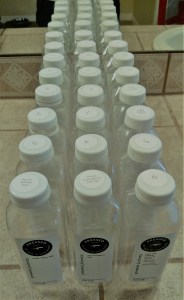
Enough of the madness – let’s cut to the merciful end of my story. Somehow I burped and lurched Day 3 away. On Day 4, the clouds cleared, the sun rose, and I awoke to the promise of solid food. Bless my soul – a full-course breakfast awaited me. No longer would I spend as much time in the bathroom as I would in the free world. Life was good again. Or so I thought. As PJ smartly warns you, one cannot just return to normal eating/drinking immediately after a juice cleanse. One must slowly reintroduce the finer things in life. Choose carefully. Chew slowly. Limit thy portions. Rome was not built in a day.
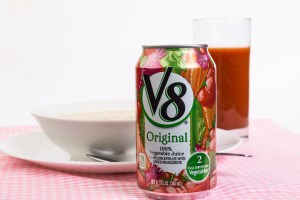
Would I recommend a juice cleanse? No. (unless you’re gullible – then you don’t have a prayer anyway). Do I feel healthier after my three days in the garden? No, but I feel different, as if a vegetable alien is growing inside my stomach and may someday rip its way out. Do I have any advice after the fact? Yes. Damn, I could’ve had a V-8!
-
Getting My Juice ON (p.1)
My daughter has a knack for making me do things I wouldn’t choose to do myself. Perhaps it’s because she was unexpected at birth (I came from a family of five boys and already had two sons of my own). Perhaps because as a kid, she could scrunch up her face and use her best sweet-little-girl voice whenever she wanted something. Maybe it really began by relenting to little Girl Scouts and their boxes of cookies at my front door. Whatever the reason, my daughter still finds a way, even as an adult in her mid-twenties. And that is why I’m commencing a three-day juice cleanse tomorrow morning.
Cleanse. The word scares me a little. I think of those whirly scrubbing-bubble characters on TV, dashing around the bathtub disinfecting away soap scum. Or I think about SOS pads and their steel-wool grittiness. Is this simply a short-term liquid diet, or am I on the verge of a full-on purge?
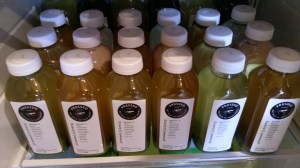
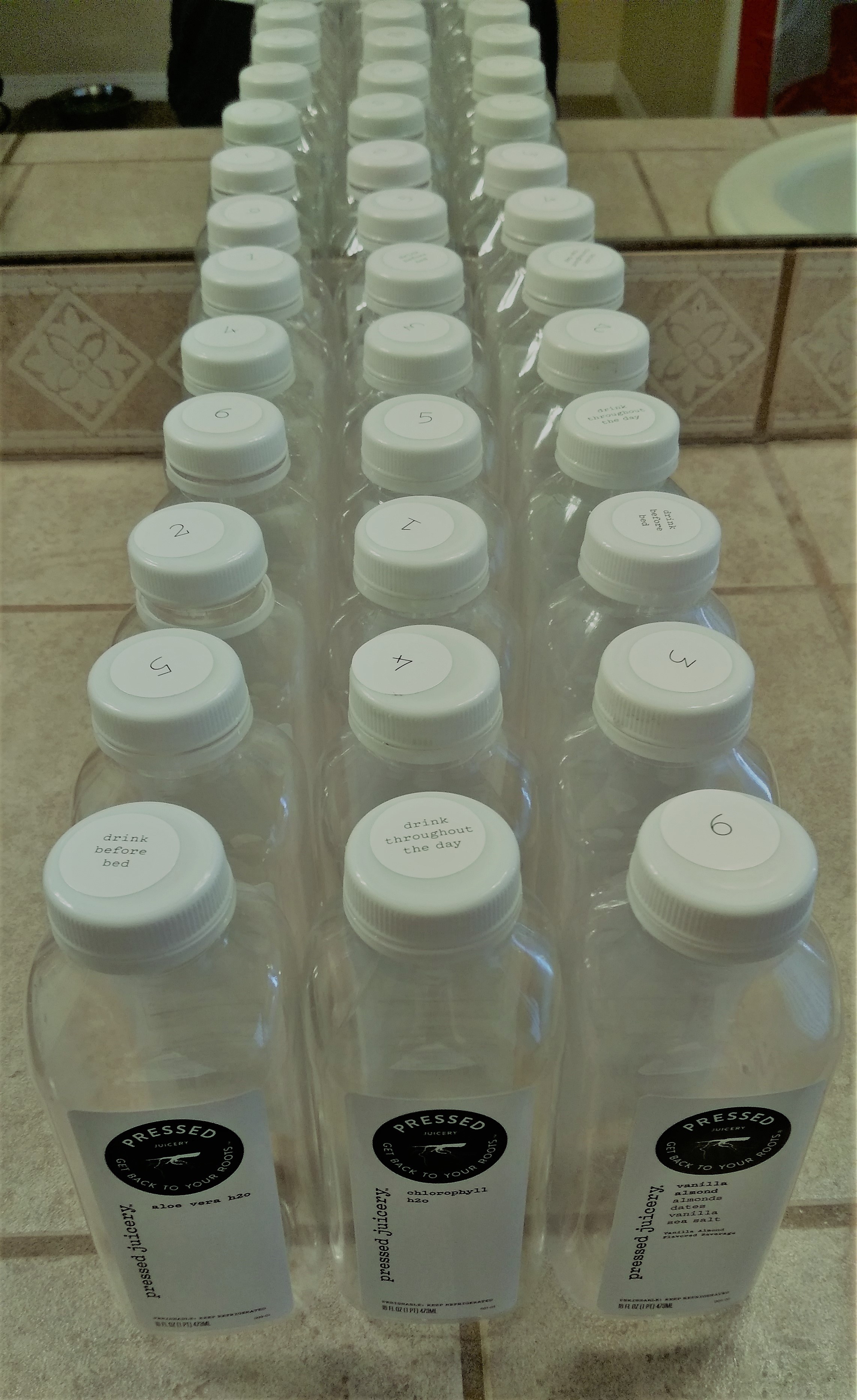
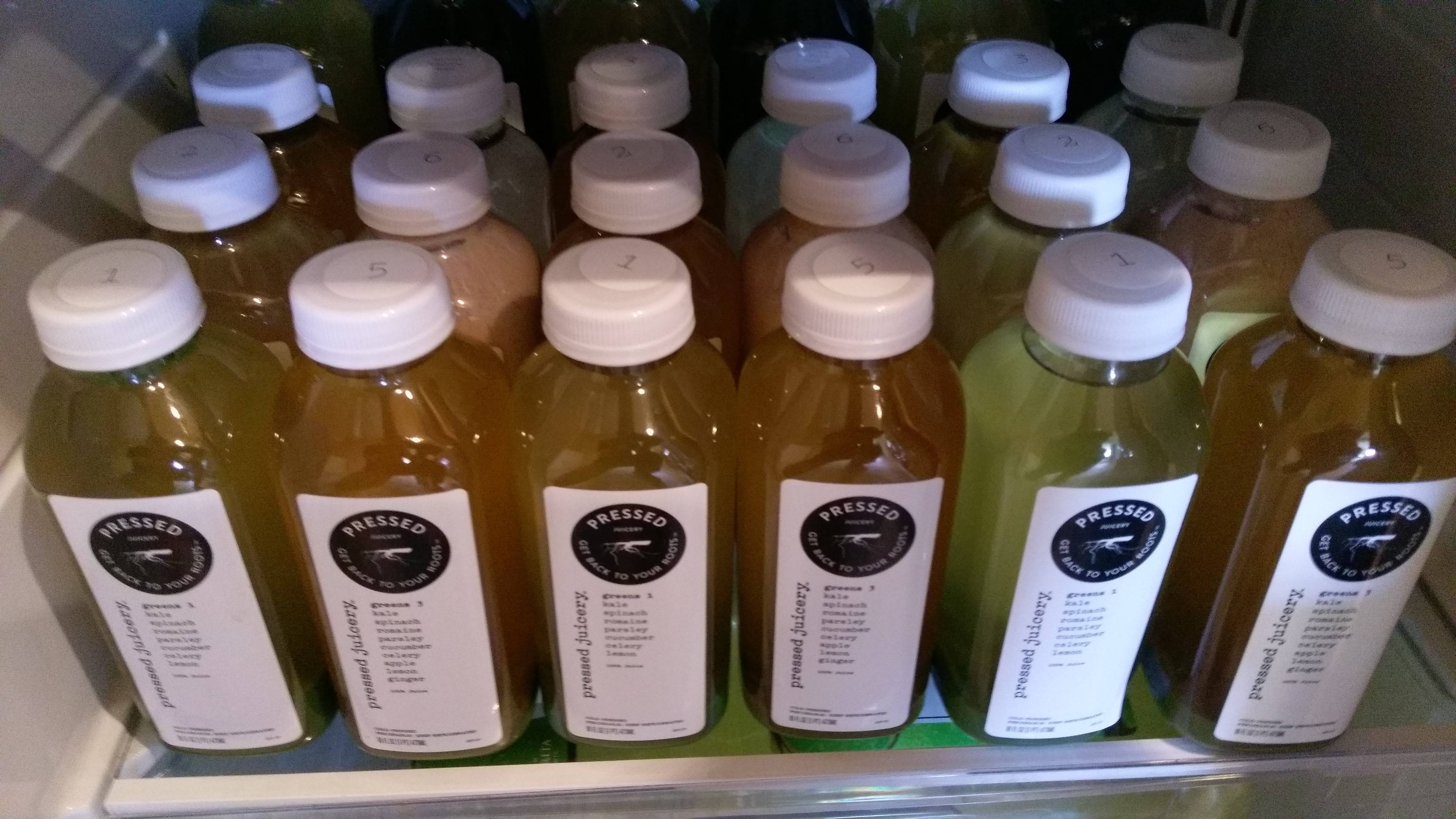
My box-o-cleanse arrived last night; a liquid-brick wrapped carefully inside a foil space blanket. I opened the container to find twenty-four intimidating 16 oz. bottles staring up at me. I swear they were grinning. They looked like they couldn’t wait to get out of their box, sprout their scouring brushes, and commence the cleaning. Each bottle contains a different colored concoction, labeled rather impersonally. Greens 3. Roots 1. Citrus 2. I’ll drink one of these little guys every two hours in the waking hours of the next three days, chasing their green goop with a similarly-sized bottle of “Chlorophyll” water or “Aloe-Vera” water. Chlorophyll? Aloe Vera? I feel like a plant already.
I can’t claim to be surprised by the contents of my box-o-cleanse. Just last week I visited one of the labs – er, retail outlets – for a sample of these products. Pressed Juicery, with locations close to the coasts and Hawaii, sells cold-pressed, 100% fruit & vegetable concoctions; all ingredients non-GMO. I tried one of their delicious coconut-cinnamon drinks… and that was my mistake. P.J. lures you in with mild, decent-tasting options like coconut and cinnamon. Then they gently suggest you consider a cleanse. My daughter wanted to try one, and I was only too happy to foot the bill (these drinks ain’t cheap). I figured Colorado was a safe distance from the cleansing craze, so my only involvement would be with my wallet. Wrong-o. P.J. is happy to overnight their products to just about anywhere. Thus my twenty-four cleanse bottles mock at me today, anticipating tomorrow’s cleaning kick-off.
If I stepped back and gave Pressed Juicery a hard look, I might have used my better judgement, turned, and fled. The retail outlets abound with stark-white surfaces and plate glass. The employees dress in uniforms intimidating enough to double as lab coats. The products emerge from a dark, back wall refrigerator, pre-assembled and ready to consume. For some reason “drinking the Kool-Aid” just came to mind. Gulp.
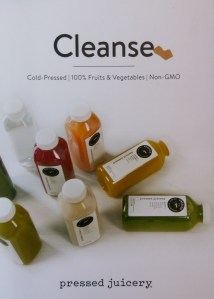
P.J. describes their juice cleanses with a selection of unnerving words. Reboot. Fresh Start. Body Do-Over. Cue a bout of mild nausea. Am I going to be more intimidated by a) the taste of “four pounds of fresh produce in every juice” or b) what those four pounds will do to my insides? Will my body a) turn green and sprout shirt-ripping muscles like “The Incredible Hulk”, or b) reduce to a puddle (think “Wicked Witch of the West”) through non-stop visits to the toilet?

My daughter is already halfway through her own three-day P.J. cleanse. She claims she’s never hungry, feels really healthy, and only misses “the act of chewing”. But she also admits to gagging trying to get a bottle of “Roots 2” down (she recommends shot-glassfuls).
If I’m still around next week, you can count on a post-cleanse blog report. If I’m not, Lord help me for never saying no to my daughter’s ideas.
-
The Euphoria of Joe
Today I’m perched at one of my favorite Colorado coffeehouses, sipping the local version of a cafe latte. The air is rich with the bitter aroma from the nearby roaster. I’m surrounded by chatty patrons, each with their own coffee-based delight-in-a-cup. If I had a handful of the crunchy chocolate-covered espresso beans they sell, I could say coffee’s hitting all five of my senses today (instead, I have a delicious apple fritter). These days, coffee is as infused into American culture as baseball and Apple (pie). And how far we’ve come from the cups of Joe former generations would brew with store-bought cans of Folgers.

How far have we come (besides the requisite latte foam-art)? Consider this: my coffeehouse does not allow to-go orders. You read that right: if you get your coffee here you’re drinking in-house. According to the resident “roastmaster”, paper cups alter the flavor of the coffee and thus they won’t sell it to-go. Hard for me to swallow (the cup thing, not the coffee), as my palate has never been very discerning. Yet here I am, paying top dollar to drink real-cup coffee “in the house”.

It wasn’t always this way. Not so long ago all you had on the menu was a “cup of coffee”. Take it black or take it with sugar/cream, but that’s where your options ended. And the reference to “Joe”? That comes from a 1914 ban of alcohol on U.S. Navy ships by then Secretary of the Navy Josephus “Joe” Daniels. The strongest alternative to a “real” drink on-board was black coffee.
Today’s kids get their first taste of coffee at Starbucks. My own first taste took place in Italy, during the college year I lived there in the 1980’s. Italians take their coffee very seriously. Walk into an Italiano café, belly up to the bar, and order an espresso shot and sweet roll. That’s your standard-brand Italian breakfast, and you take it standing up. You’re in, you’re out, and you’re on your way again in less than a minute, sufficiently caffeinated. Not many are baptized on straight espresso, but that was my experience.
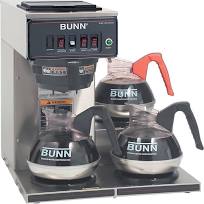
My coffee journey continued after college, but it was quite a stumble. I graduated from Italian espresso and regressed to the standard-brand Bunn coffeemakers of corporate America. Starbucks and its kin would not arrive for another 5-10 years. Office coffee was a mindless, characterless, tasteless experience. A Styrofoam cup of black nothingness, with a few unbrewed grounds thrown in for texture. It was like descending from the Golden Age of the Roman Empire to the Dark Ages.
Thankfully, my coffee habits persisted until coffeehouses became an American staple in the late 1980’s. The houses themselves still aren’t the vision of Starbucks’ Howard Schultz: “comfortable, social gathering places away from home and work”, but at least we’re getting past the Frappuccino-this and macchiato-that, evolving back to straight coffee.

My one dedicated-cash phone app is for coffee. I literally wake up and smell the coffee thanks to my Keurig; then structure my waking hours with the possibility of a drive-through cup of Joe later on. To get really serious I could spend $200 on a Ninja’s home coffee bar, which claims to be a coffee system (“Variety of brew types and sizes!” “Built-in frother!” “Tons of delicious coffee recipes!) Their tagline: “See what all the coffee buzz is about”.

Coffee buzz is no joke, as patrons of America’s 33,000 coffee shops will tell you. The euphoria we desire – the blissful effects drawn from caffeine – actually has a name: “margaha”. For that reason, whether your preference is a nitrogen-infused cold brew, a coconut-milk mocha Macchiato, or a take-it-straight cup of Joe, it’s safe to say coffee is here to stay.
-
Discount Me Out
It happened again week before last, and I couldn’t help but wince. My dentist handed over the bill for my six-month cleaning and it came with a 5% discount. The same thing happened the week prior, when the sprinkler guy came out for my annual winterizing. 5% discount. Listen, I’m all about saving money (I have a little Scrooge DNA in me), but not when the rate reduction is followed by the words… senior citizen. Senior citizen? People, that’s for old people.

To soften the gut punch, I went looking for a gentler, kinder description on Wikipedia. Blew up in my face. Type “senior citizen” into the Wiki search box and you’re redirected to “old age”. Ouch. Not only that, “old age” defines as “ages nearing or surpassing the life-expectancy of human beings, and is thus the end of the human life cycle“. Really? Just hit me while I’m down, why don’t you? Cue “Amazing Grace” and start shopping caskets.

As if to sympathize with my predicament, Wikipedia lists several alternatives for “senior citizen”. Senior. Older Adult. Retiree. Pensioner. Elder. Elder? Why not just grow the long white beard and parade around the house in undies and dressing gown? I can’t even cackle, let alone vigorously shake a cane at little kids. I’m starting to think Wikipedia is for old people.
(Note to self: drop annual contribution to Wikipedia.)

As an infant or a kid or a teenager, it’s painfully obvious which of those classifies you. Various stages of awkward. You dream of advancing to the next level. A kid longs to be a teenager. A teenager longs to be an adult. Your twenties, thirties, and forties are described as “your best decade”, for reasons subtly designed to make peace with growing older. But age fifty is where the whole lexicon falls apart. Fifty is as soft as “approaching middle age” or as harsh as “eligible to join AARP”. You’re still a decade or more from the traditional age of retirement, yet you’re basically undefined. Then again, “undefined” redirects to “limitless”. Hey, maybe this isn’t so bad after all.

My son and his wife are expecting their first child, which means my wife and I need to come up with new names for ourselves. Grandma & Grandpa? Heck no – those are for old people. Let’s go with Geema & Geepa instead. Or Nana & Papa. Oma & Opa? Gigi & Gigo? We’re getting cuter as the list goes on. And “cuter” typically redirects to “younger”. Now we’re talking!

Segue to a recent article in Sports Illustrated. Laird Hamilton is my new hero. He’s 53 and still one of the most recognized big-wave surfers on the planet. He’s been at the top of his game for decades and shows no signs of stopping. Hamilton pioneered the tow-in technique, allowing surfers to catch faster-moving waves than would be possible paddling by hand. All in search of an adrenaline rush Hamilton can’t seem to shake “well into middle age”. As he puts it, “I’m not going to fall victim to what I’m supposed to do at any certain age. We subject ourselves to… social pressure – ‘Oh, this is how old you are now, this is the only thing you can do’” Hamilton never wants to grow up. I’ll bet he takes his senior citizen discounts and tears them up into little bits for the fishes.
Tell you what. I’m planning on living for an entire century; the full one hundred. If you’ll grant me that stretch, I can claim I’m now in the middle of the first decade following the midpoint of my life. In other words, fifty-something. To put it most optimistically, I’m only halfway-and-change to the great hereafter. I have no intention of growing up; not yet.
“Senior citizen” – ha! That’s for old people.

Some content sourced from Wikipedia, “the free encyclopedia”, and Sports Illustrated’s “Wild Man of a Certain Age“.


















About Me
The sky is not completely dark at night. Were the sky absolutely dark, one would not be able to see the silhouette of an object against the sky.
Follow Me On
Subscribe To My Newsletter
Subscribe for new travel stories and exclusive content.
 Life In A Word