
Hello, I’m Veronica
The sky is not completely dark at night. Were the sky absolutely dark, one would not be able to see the silhouette of an object against the sky.


-
Teacher of Note(s)
In church last Sunday, early in the service, the congregation was treated to a beautiful rendition of the hymn, “My God and I”. The young female soloist, introduced with aspirations of the Broadway stage, stood poised behind the microphone, beaming through pitch-perfect singing. As captivating as she might have been, my attention was drawn to her much older accompanist; a bespectacled white-haired woman at the piano, carefully dividing attention between sheet music and protege. Wordless communication was exchanged; subtle nods of encouragement; cursory, confident smiles. And just like that I was no longer in church, but back in second grade, toiling away at the keyboard in anticipation of my weekly piano lesson.

Josephine Siple [Sahy-puhl] – a name and face I’ll remember until my dying day – was my piano teacher from age eight until well into high school. Why I remember her first name is a mystery (she was always “Mrs. Siple” to me) – perhaps adults said it often enough. Josephine was the perfect embodiment of a grandmother – the white silvery hair, the abundance of wrinkles, the old-fashioned glasses, the matronly clothes, the wry smiles, and the soothing demeanor to make you feel more like a family member than a piano student. But make no mistake; Josephine was first and foremost a teacher, educating her students as much about life’s lessons as she did the notes on the page.
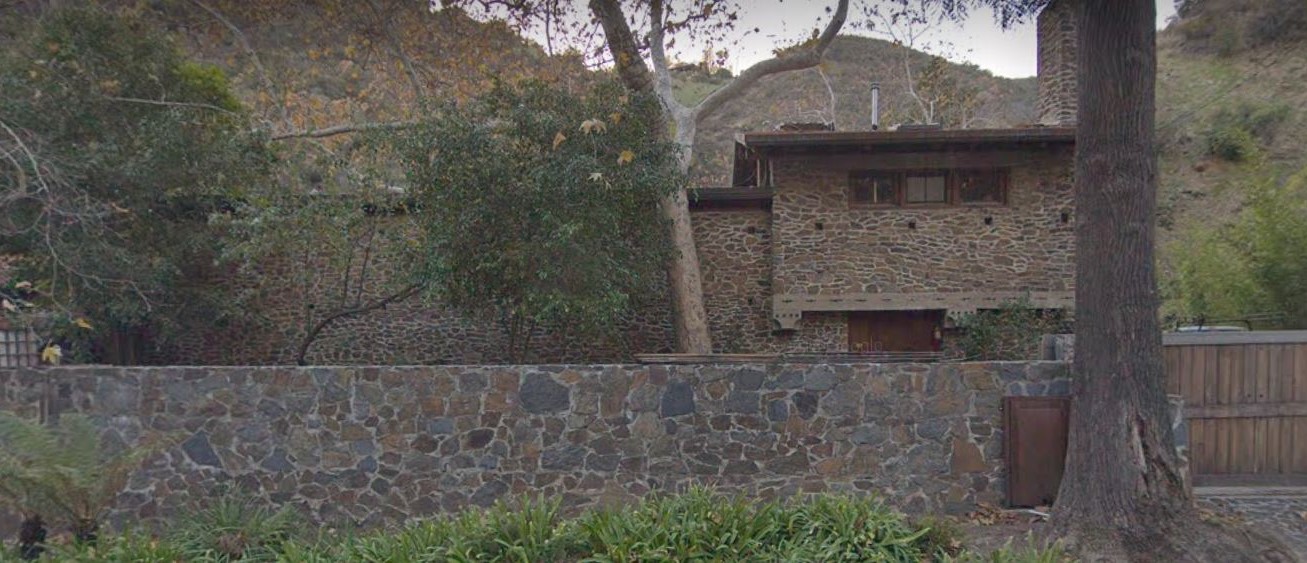
To add to my Norman Rockwell painting (or take away from it), Josephine lived in an unusual house just a few doors up from my own, which I traveled to by bike. It looked and felt much more like a fortress than a residence. You passed through an imposing wooden doorway into a stone-floored foyer. All I remember was the vast living room to the left (the piano lesson room, with a grand and an upright side-by-side), and the rustic kitchen to the right. A front-and-center staircase disappeared to the second level (where, for all I knew, Mr. Siple dwelled).

Bless you, Google Earth, for I confirmed – fifty years later – Josephine’s house still stands (photo above). Her place may have been uninviting, but Josephine found a way to make it feel warm and welcoming, even to a timid child. She would host recitals for parents in the big living room, allowing her students the luxury of a performance at the grand piano. I can still picture Josephine in the kitchen afterwards, happily serving and chatting behind a big glass punch bowl loaded up with a concoction of 7-Up and lime sherbet, boiling and fizzing like witch’s brew.
A good friend confided in me recently about his granddaughter’s impatience. He said she’d begun piano lessons – about the same age I was – but simply refused to practice. Her parents, with utter resignation (and delusions), allowed their daughter to move on to the violin instead. Why on earth would they endorse an infinitely-more difficult instrument when mere piano practice was already too high a hurdle?
Piano practice was never a problem for me, and I give Josephine all the credit. She instilled a sense of responsibility which I know translated to a stick-with-it attitude in other aspects of life. I remember one lesson where I knew I hadn’t practiced enough the week prior. Josephine sensed it immediately, and though the exact wording escapes me, her comment had just enough, um, wisdom and sting to reevaluate my priorities. I never showed up unprepared again.
As things are wont to do in childhood, my piano practice and lessons eventually fell by the wayside, in favor of other activities which pale by comparison. Thanks to Josephine, I entered a few piano competitions. (I was no Van Cliburn contestant but I certainly learned how to perform under pressure.) Thanks to Josephine, I explored outside of my comfort zone: lessons on the church organ; percussion instruments in the school orchestra; dabbles with flute in college. None of those instruments consumed me like the piano. Then again, none of those teachers were Josephine.

My piano teacher extraordinaire is long gone, but the memories and lessons she gave me are life-long companions. I can resurrect Josephine in a heartbeat, as through an accompanist in church. I can also bring her back in other seemingly-random moments, reminding me her teachings went well beyond the piano.
-
R-E-S-P-E-C-T
Thanks to another pro football season, America’s allegiance to its flag is once again called into question. My wife and I chatted with our German exchange student recently, asking whether her own country found patriotism so controversial. To this she said, “You Americans are considered very patriotic people. We Germans not so much; perhaps, because of Hitler in our past”. I was a little taken back by that comment. Americans can point to shameful events in our colorful – albeit brief – history, and yet; we still sing the anthem and stand for the flag. Well, most of us.

This week in Colorado, primary and secondary schools begin another year of formal education. The setting is not so different from schools I attended. The classrooms are laid out the same (technology aside). The cafeterias offer up borderline-edible food. And the students – every weekday morning – stand, face the flag, place their right hands over their hearts, and recite the Pledge of Allegiance. Forty-six of America’s fifty states mandate the practice. Congress opens its sessions with the Pledge, as do countless other government and private meetings across the land. Another day begins in America.
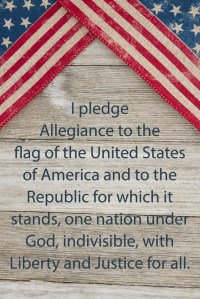

The Pledge has a rich history for a phrase spoken (or sometimes sung) in less than fifteen seconds. It was based on Captain George T. Balch’s Civil War-era pledge: We give our heads and hearts to God and our country; one country, one language, one flag! The version we use today – reworded by Baptist minister Francis Bellamy, was first published in the children’s magazine The Youth’s Companion in 1892 (albeit with simpler wording). The Pledge was also first used in public schools on October 12th of that year, coincident with the opening of the Chicago World’s Fair. The Pledge was designed to generate patriotism in young people, at a time when this kind of energy was on the decline. Sounds like something we need just as much today.

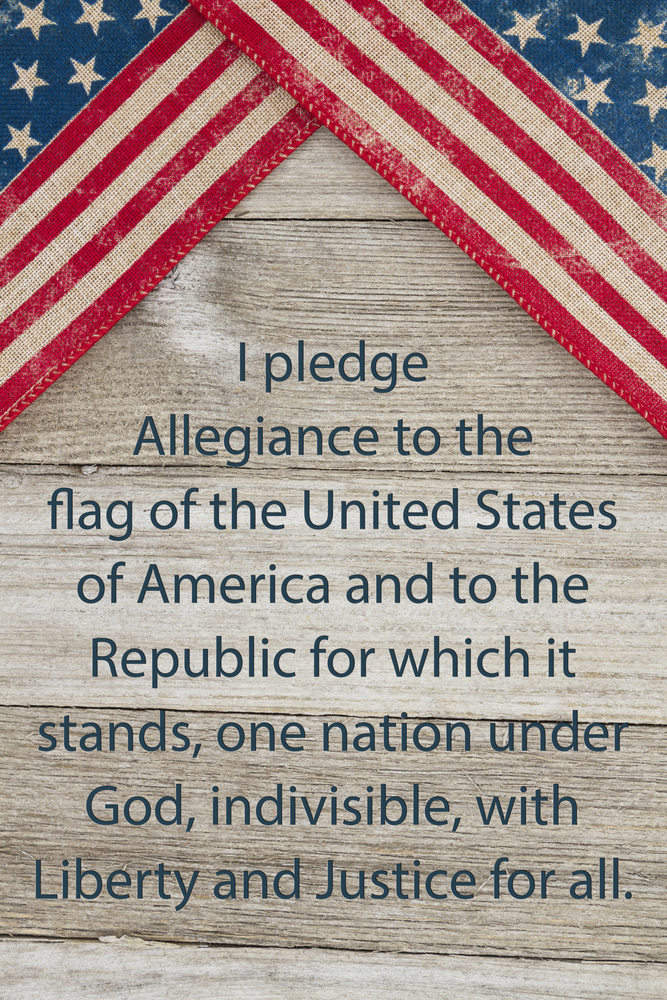
The original version of the Pledge stated: “...allegiance to my Flag and the Republic for which it stands… ” The change in 1923 to today’s version: “… allegiance to the flag, of the United States of America, and the Republic for which it stands…”, was a nod to America’s immigrants, so as not to deny loyalty to birth countries. Finally, the phrase “under God” was added in the 1950’s, and formally adopted on Flag Day (June 14th) of 1954. It was also at this time students began the everyday reciting of, as President Eisenhower referred to it, “…a dedication of our nation and our people to the Almighty.”
Along with saying the Pledge and standing for the flag, America’s students “place their right hands over their hearts”. This gesture also has a history. In lieu of a military salute (reserved for those in the Armed Forces), students originally stretched out their right hands towards the flag, palms down, ending the Pledge with palms up. But the practice was associated with the Nazi salute and quickly abandoned, in favor of the hand-over-heart (or cap over left shoulder) we use today.

To no one’s surprise, America’s Pledge of Allegiance (almost unique among countries) is not without controversy. Since 1940, there have been at least a dozen high-profile legal challenges. A few target the practice itself, claiming a violation of the First Amendment. But most target the use of the words “under God”, in conflict with the First Amendment’s Establishment Clause (freedom of religion). None of these suits succeeded, with the typical defense, “…the [Pledge’s] words represent a patriotic (not religious) exercise…”, and [to atheists], “…participation in the pledge is voluntary.”
Three years ago, in the most recent defense of the Pledge, New Jersey Judge David F. Bauman declared, “As a matter of historical tradition, the words under God can no more be expunged from the national consciousness than the words In God We Trust from every coin in the land, than the words so help me God from every presidential oath since 1789, or from the prayer that has opened every congressional session of legislative business since 1787.” Amen to that, David.

Aretha Franklin – America’s indisputable “Queen of Soul” – died last week after a long struggle with pancreatic cancer. Aretha’s most famous lyric was undoubtedly, “…all I’m askin’ is for a little respect…”. No coincidence; America’s flag makes the same request. The Pledge is a voluntary act – sure – but who’s going to argue with, “…liberty and justice for all”?
Some content sourced from Wikipedia, “the free encyclopedia”, and from Erik Larson’s novel, “The Devil in the White City”.
-
Foul Mouth
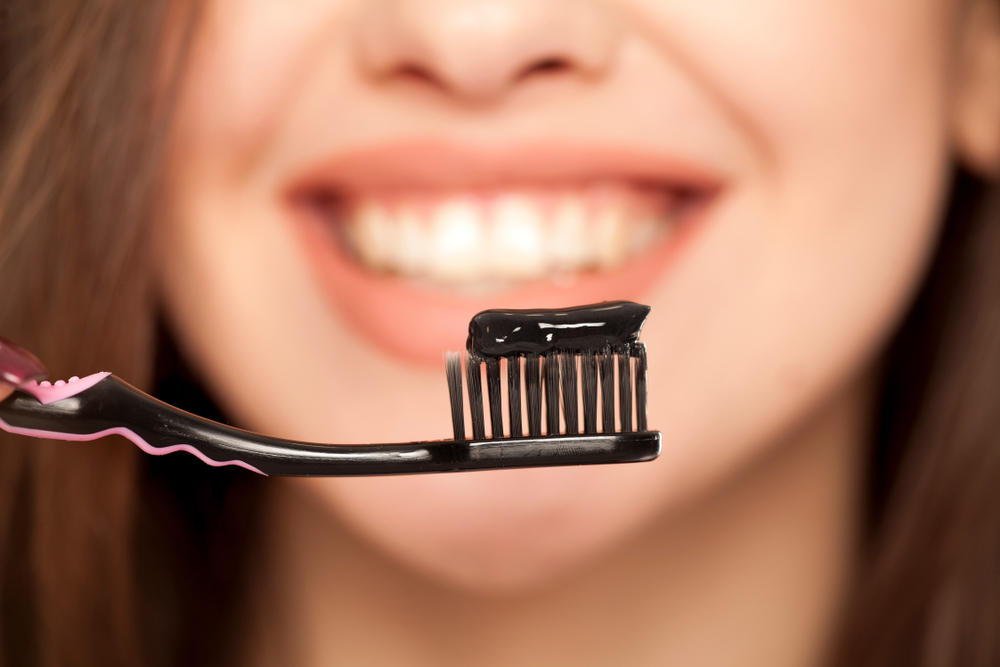
Search the Guinness World Records website using the word “mouth”, and you’ll get pages and pages of results – over 250 mouthy records. Most seedless grapes stuffed into the mouth: 94. Most lit candles: 37. Most tennis balls: 5 (by a dog). Most drinking straws: 459. We’ll put just about anything into our mouths these days. Now add to the list baking soda for brushing, coconut oil for “pulling”, and charcoal for whitening. That last one; it makes me pause. Charcoal?
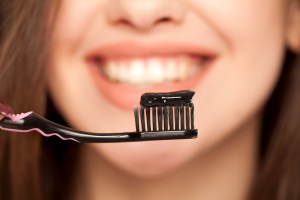
Charcoal is the mound of briquettes in your barbecue. Charcoal is the sooty remains of a smoldering campfire. Charcoal is “lightweight black carbon and ash residue produced from animal and vegetation substances”. Yet we choose to put this substance into our mouths? Apparently “Sensodyne”, “Pearl Drops”, and all those other white-whiteners didn’t do the trick. Checkmate. Black wins.

If hygiene headlines speak the truth, black is the new white (or something like that). Charcoal powders and pastes are the trend-setters these days, turning the mouth solid black before – allegedly – turning the teeth a whiter shade of white. The color cycle of toothpastes is now complete, starting with the classic whites from days gone by, moving through the entire rainbow (including the blues and reds of Colgate; the green gels of several), and concluding with a shade the darker side of midnight. But is blacker really better? Some fan-quotes are a little vague: “I’m using this [to show] I’m in the know,” says one, and “Everyone wants to try something new, but it has to be something that looks cool,” says another, and “I’m doing it to encourage dialogue.” Sounds like charcoal is more about image and less about whiter teeth.

Rather than post an in-progress and visually-disgusting photo, check out Hannah Hart’s brief demonstration of charcoal whitening here. She dips her brush into what can only be described as a tin of shoe polish, morphs her mouth/lips/teeth from clean-and-white to blacker-than-black, destroys her sink (honestly; it’ll never be the same again), and finally, shows off her stained tongue; a regrettable side effect of thirty days of carbon consumption.
Watching Hannah’s video, I can’t help picture something entirely inedible dripping from her mouth. Looks like black paint, used motor oil, or the sap of some deep forest tree you wouldn’t take big money to consume. No matter how effective charcoal powder is for your pearlies, I can’t stomach the idea. Maybe I should try it without a mirror.
Now let me admit to a little hypocrisy:
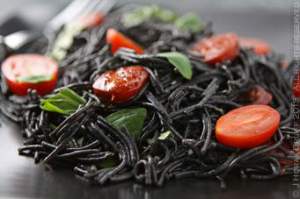
1) I relish black foods, so I have no problem putting “black” into my mouth. Among my favorites: olives, licorice, coffee, and black beans. I also don’t shy away from blackberries, black bread (made with bamboo charcoal!), black rice, and the black of mushrooms. I’m told I should try squid ink pasta.
2) I brush my teeth with a product called “Earthpaste”. Earthpaste (“amazingly natural”) is exactly what it sounds like. Mix together dirt (well, clay actually), a little salt, sweetener, and oil, and brush, brush, brush. It’s not sweet – though flavors include peppermint, lemon twist, cinnamon – and the dry, gritty feel takes some getting used to. But Earthpaste sold me for what it doesn’t contain: glycerin, fluoride, foaming agents, and artificial colorings.

It stands to reason if a) I have no problem putting black things into my mouth, and b) I’m willing to brush with dirt, I should be willing to c) brush with charcoal (A+B=C or something like that). But Hannah’s video ruined it for me. So did the facts behind the teeth-whitening. Yes, bleaching gels abound, but for the most part “whitening” means abrasives. Over time, you’re removing the top layer of your teeth to expose something whiter underneath. Goodbye enamel; goodbye tooth strength. Charcoal, as it turns out, does the same thing, only in black. Short-term: whiter teeth. Long-term: digging into the dentin.

My recommendation? Skip the charcoal. Maintain your inner child. Eat dirt instead.
Some content sourced from Wikipedia, “the free encyclopedia”. Also, from the Wall Street Journal article, “The Latest Fad in Tooth Whitening Is to Turn Them Black”.
-
Disc Chalky
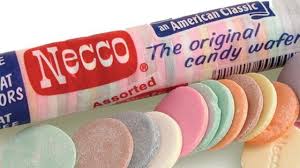
Woodstock Candy (“Let Sweet Flashbacks Sprinkle Down”) assembles collections of vintage candy and sells them on Amazon. The “nostalgic retro mixes” tailor to the buyer’s age, as in “30th Birthday Box” or “65th Birthday Box”. For those in my decade, Woodstock tosses in classics like Chuckles, Red Hots, Sugar Daddy’s and Smarties. Also, a few Pixy Stix, a Candy Necklace, and a long strip of those colorful Candy Buttons. Finally, buried quietly in the back of the box: one small roll of Necco wafers.

Four months ago, the Wall Street Journal alerted those of us with nostalgic sweet teeth of the fate of Necco wafers. More correctly, NECCO – the New England Confectionery Company – would shutter if it didn’t secure a buyer. Apparently, no one came to the candy counter, because the factory closed its doors late last month. The consumer reaction was immediate – on the order of the Hostess Twinkies frenzy. Rolls of Necco wafers flew off the shelves. Frantic calls to candy stores demanded entire boxes be placed on hold. One Necco devotee offered his 2003 Honda Accord in exchange for the company’s remaining product. You might call it “disc(o) fever”.

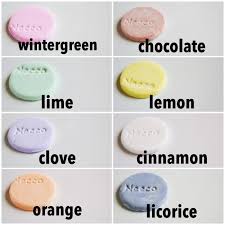
The Necco wafer/disc is an underappreciated candy of years gone by, though admittedly my affection for the confection is not what it used to be. Necco’s are packaged in rolls of about thirty, in an assortment of eight flavors, including clove. Clove. Even the flavors sound dated. A Necco wafer looks and tastes like a disc of chalk (drywall?), with a hint of flavoring to make it seem like food. Eat a dozen wafers and your hands and clothes are covered with edible dust. Eat a dozen more and the flavors all start to taste the same. What used to be a satisfying crunch now feels like a threat to my dental work.
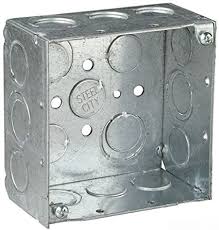
Why was I drawn to Necco wafers, when my back-in-the-day 7-Eleven store included an entire aisle of more appealing candy? Maybe I just like little discs. My father used to drive my brothers and I to some of his building sites, and I quickly discovered the concrete littered with dozens of metal coins. These were “slugs” – today called KO’s or “knockouts”; the quarter-sized remains of partially-stamped openings in electrical junction boxes. I collected hundreds of them – God knows why (but I was a kid, so I didn’t need a reason).

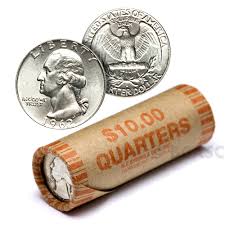
I also collected coins – more specifically quarters, because quarters were big money in my day, and translated into just about everything in that 7-Eleven aisle. Quarters could also be stacked into paper wrappers; perhaps my precursor to a roll of Necco wafers.
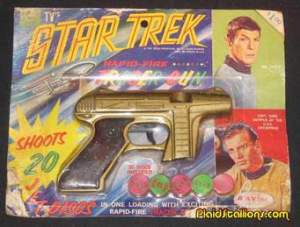
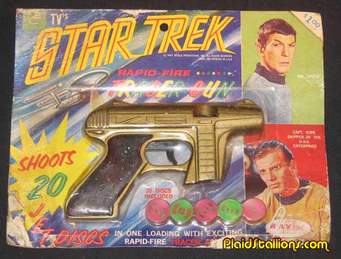
At the same time in life, I had what was probably the coolest toy around. It was called a “Rapid-Fire Tracer Gun” (if you were really cool you had the Star Trek version). The Tracer fired little round plastic discs, spinning them out of the barrel so fast they hurt when they hit skin. They even made a Tracer Rifle for more accurate shots. The Tracer had a spring-driven magazine, so you could queue up a whole pile of plastic discs. Or Necco wafers.
Necco wafers aren’t nearly as appealing as some of the stories behind them. A hundred years ago Necco’s were carried by Arctic explorers and handed out to Eskimo children. Their “suspiciously long” shelf life (Necco’s are sugar, corn syrup, and not much else) allowed them to be stored for months; then consumed by Union soldiers during America’s Civil War. And therein lies the significance of the NECCO factory closing: the wafers have been around since 1847.

If I still don’t have your attention, consider this: NECCO also manufactures Sweethearts, the heart-shaped romantic-message-stamped equivalent of the Necco wafer, distributed by the billions on Valentine’s Day. Think about that: no more candy hearts bearing “Kiss Me” or “Love You” or “Be Mine”. Instead, just inedible greeting cards and meh grocery-store chocolates. But don’t despair – I think the factory closing is just a hiatus. The Hostess Twinkie came back and so will the Necco wafer. It’s already underway, so join the movement: #SaveNecco.
-
Jack Be Quick
If the lazy days of summer sap your get-up-n-go, here’s an idea. Find a friendly donkey (not a stubborn one). Halter him and attach a solid lead rope – at least fifteen feet worth. Saddle your jack with thirty pounds of gear, including a pick, a shovel, and a gold pan. Finally, don your running shoes and head out to Fairplay, CO. $50 gets you into the World Championship of Pack Burro Racing. Welcome to the state sport of Colorado.

Pack burro racing seemed a little ridiculous to me… until I dived into the details. For starters, its origin is as legendary as the Greeks and the marathon. Back in the strike-it-rich days, two Colorado gold-miners hit it big in the same location, and supposedly raced back to town (burros in tow) – first miner to the claims office wins. Here’s another detail: pack burro racing really is a marathon – 28-30 miles up and back with your donkey, making the halfway turn at an elevation of 13,000 ft. My favorite rule? No riding. However, the runner may push, pull, drag, or carry the burro. Carry the burro? A thousand pounds of ass?
Capitals, flags, songs, and birds – of course – but I never knew states had official sports, until recently, when California considered its options. If your first choice for the Golden State is surfing, California’s state assembly agrees with you. The Wall Street Journal reports the assembly just passed the “bill”, and now the tiff moves to the state senate. I say tiff because a host of other Cali residents say not so fast. Those who don’t live near the beach choose skateboarding. Why skateboarding? Because surfing is already the state sport of Hawaii. They also say skateboarding is essentially surfing on wheels. Maybe.

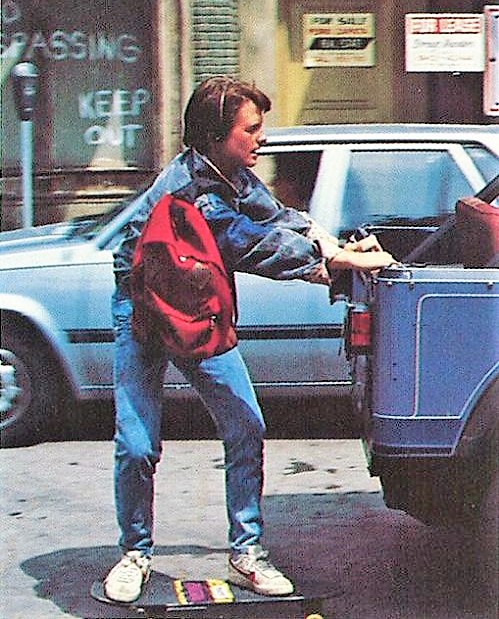
I grew up in California, but neither surfed nor skateboarded. Still, I deserve a vote. I did my share of body-surfing, so know what it’s like to catch a wave. I did my share of bicycling, so know what it’s like to cruise on wheels. You can put yourself in either camp, but arguments abound for both. As one state assemblyman said, “Hawaii may have invented surfing, but California ‘mainstreamed’ the sport”. Others say, “Surf ranches” and their wave machines bring the sport to the inland areas of the state. On the other side of the aisle, skateboarding is a sport enjoyed by the masses just about anywhere. And skateboarding really was invented in California, evolving from crude combinations of roller skates and wooden produce boxes. Marty McFly should get a vote too.

By coincidence, surfing and skateboarding will join the Olympics in 2020. The lighting of the torch in Tokyo will surely reignite the debate in California, no matter which sport is chosen. Or maybe the state will still be arguing one over the other, instead of dealing with – ahem – more important issues of government.
Only a handful of U.S. states claim a sport in their list of symbols. Some make sense, as in Alaska (dog-mushing), Minnesota (ice hockey), and Wyoming (rodeo). Others have me saying, “What the heck?”, as in Maryland (jousting), and Delaware (bicycling). I don’t live in Maryland or Delaware. Maybe they banned every other sport in those states. Of course, Marylanders and Delawareans probably feel the same way about Colorado and its pack burro racing.

Admittedly, Colorado could wage a healthy state-sport debate of its own. The Rocky Mountains alone inspire a half-dozen seemingly better options. If on water, go with river-rafting or kayaking. If on snow, go with skiing or snowboarding. If on land, go with hiking or mountain biking. Yet none of those acknowledge the state’s rich lore of gold-mining. None of them combine a human activity with an equestrian one. Come to think of it, Colorado has enough runners and horses to win the debate, gold-mining legend or not.

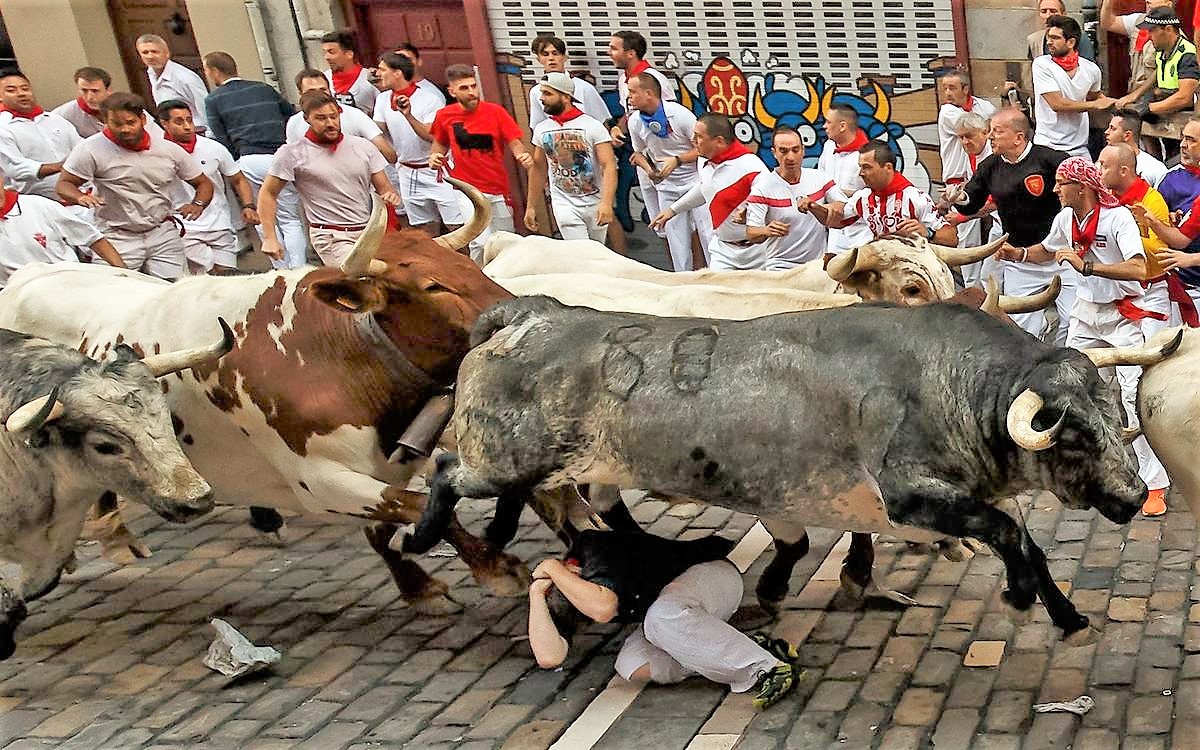
According to the Western Pack Burro Association (“Celebrating 70 Years of Hauling Ass”), Colorado’s pack burro racing series still has several to go this year. The first three are considered the “Triple Crown”, but I can still catch the remaining action in the towns of Leadville, Buena Vista, and Victor. It’ll be like the running of the bulls in Pamplona!
Some content sourced from Wikipedia, “the free encyclopedia”.








About Me
The sky is not completely dark at night. Were the sky absolutely dark, one would not be able to see the silhouette of an object against the sky.
Follow Me On
Subscribe To My Newsletter
Subscribe for new travel stories and exclusive content.
 Life In A Word