
Hello, I’m Veronica
The sky is not completely dark at night. Were the sky absolutely dark, one would not be able to see the silhouette of an object against the sky.


-
American Hollow-Day
Last Friday was a hugely important day in America! It was so hugely important I couldn’t sleep the night before! I got up twice hoping it was already morning. I stared at the numbers on the bedside clock, willing them to go faster. Finally, when dawn’s early light beckoned, I leaped out of bed like a child on Christmas, dashed down the hall, and stepped into the laundry room. I was brimming with anticipation! And there, standing patiently in the corner, tightly furled since last Independence Day: our American flag. Quick as a mouse, I ran her out to the front deck and hoisted her in the most prominent place I could find. Then I took a few steps back and placed my hand over my heart. To no one in particular I exclaimed, “Happy Flag Day!”
 Poor Flag Day – she’s an underappreciated holiday. She comes and goes with no more fanfare than pre-printed words on the June 14 square of a wall calendar. She doesn’t even rate a Hallmark card. She yearns to be a real holiday like those ten federal ones. She wants to believe the events of my first paragraph actually happened. But let’s get real. In our house, the only excitement last Friday was knowing the weekend was at hand. I slept without interruption the night before. I didn’t get up at dawn. And our flag remained furled in the corner of the laundry room, knowing its only chance to see the light of day would be July 4th.
Which is all to say, I’m missing the point of Flag Day, at least in this country. Wikipedia devotes two tiny paragraphs to its Flag Day article, beginning with the words, “A flag day is a flag-related holiday…” (promising start, no?) But at least they go on to say, “…a day designated for flying a certain flag…”, and, “…a day set aside to celebrate a nation’s adoption of its flag.” Here in America, we do neither on June 14th.
 Apologies to Troy, NY (whose Flag Day parades draws 50,000+ spectators) and Waubeka, WI (which claims to be the founding city of Flag Day and also has a parade). The residents of those towns surely had a “banner celebration” last Friday. The employees of the Betsy Ross House in Philadelphia probably took the day off as well. But for the rest of us, it was just another June 14th, conspicuously calendared halfway between big-boy holidays “Memorial” and “Independence”.
Don’t get me wrong – I think America’s flag is supremely appreciated. She flies above any government facility, sports stadium, or other big-time gathering in our country, and she always gets the highest position on the pole (except you, Texas). She shows up on a billion first-class postage stamps. She’s decorates the top of Mt. Everest and the moon. And on Independence Day, she’ll be raised more times than any other day. Which makes Flag Day seem, well, redundant, doesn’t it?
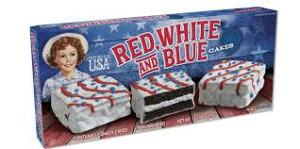
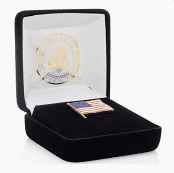
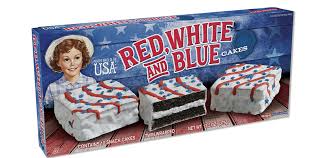
If we’re to truly embrace this overlooked holiday in America, I suggest the following from now on: 1) Your June 14th breakfast must contain some combination of red, white, and blue foods (i.e. cherries, blueberries, Pop-Tarts in a pinch). 2) Your June 14th outfit must contain the colors of the American flag (or at least one of those classy little lapel pins). 3) Unfurl and raise the flag at your house or place of business – and won’t it be cool to add “unfurl” to your vocabulary for a day? 4) Hail a cab or a friend, so you can say you “flagged them down”. Actually, disregard that last one.
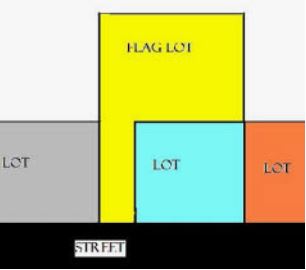
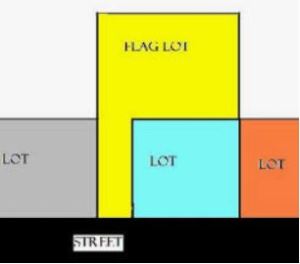 I’ll grant one exception to my efforts to boost the significance of Flag Day. If you happen to live on a flag lot, you don’t have to do anything at all. You’re celebrating by default! But you might consider coloring your property appropriately. Wouldn’t that cause a stir in the plane flying overhead?
Look forward, not back. Independence Day is only two weeks from today. Dust off your flag after all.
-
Deutschland-ish Improvements
My wife and I are slowly remodeling our house, a room at a time. First, we took a big plunge and overhauled the kitchen. Then we gutted the master bath. Now we’re thinking about a large deck with indoor/outdoor spaces. But that was before a recent trip to Germany, where we cruised a good stretch of the Rhine. Suddenly “remodeling” takes on a whole new meaning.
 Our cruise down the Rhine started in Amsterdam. Bad idea. Amsterdam is loaded with the prettiest little canals and bridges outside of Venice. As we were floating up and down the “city streets” we thought, “let’s put a canal bridge on our property!” But a canal bridge requires a canal, else you get London Bridge in the middle of the Arizona desert. So first we’ll be building a canal.
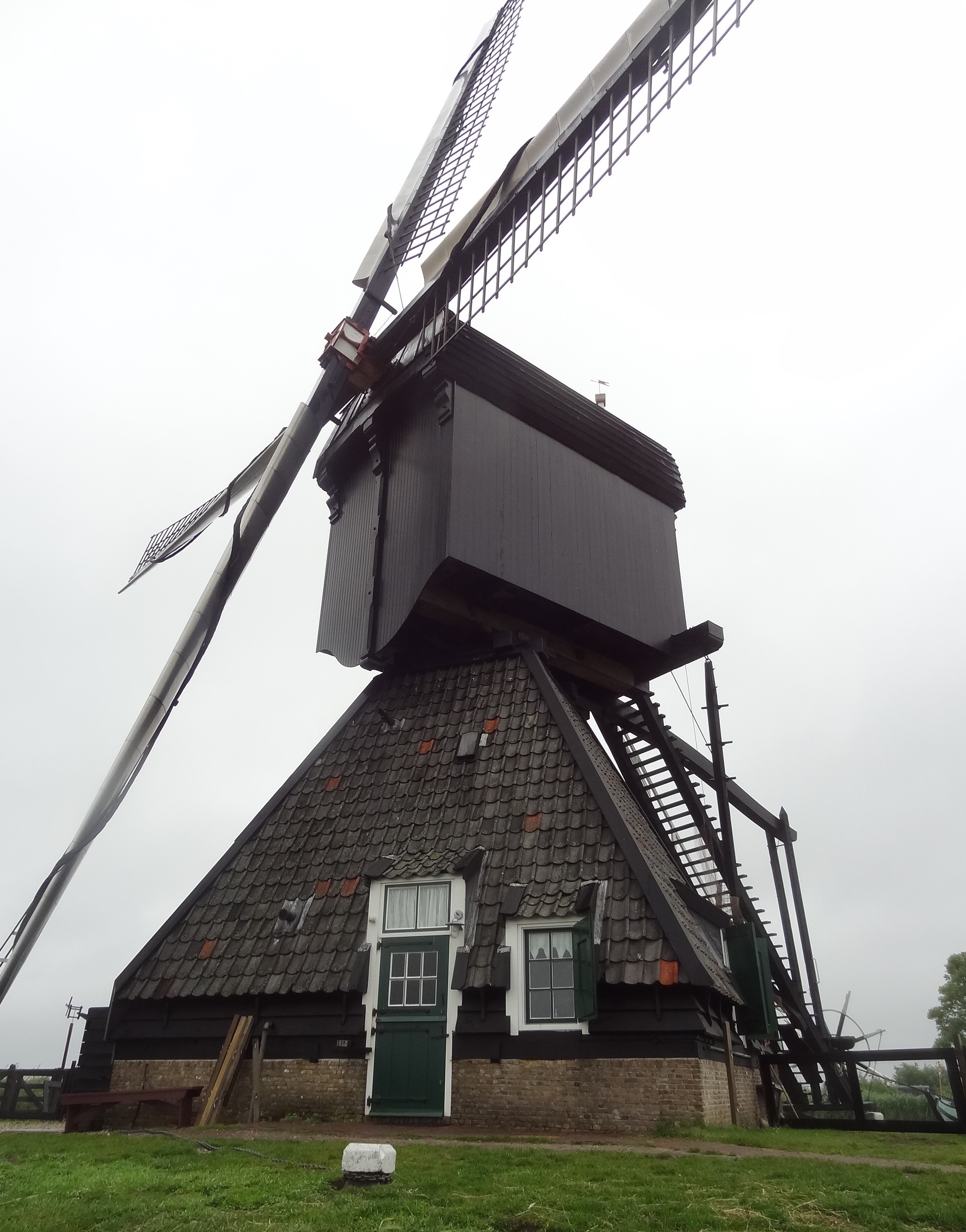
 Our next stop on the Rhine kept us in the Netherlands. We landed briefly in Kinderdjjk, not even a map dot if it wasn’t for some of the most beautiful windmills in the world. Kinderdijk’s windmills not only pump water; they’re houses. We must add a windmill to our remodel list! It would make a unique guest house, and instead of pumping water from our well we’ll just windmill it up to the house from the canal. You know, the canal we just installed so we could put in a canal bridge.
 Once our river boat hit Germany, I knew our remodel was entering uncharted territory. In Cologne, we walked through one of the most spectacular cathedrals in the world (seven centuries to complete!) In every Rhine river town we passed there was another cathedral (more likely a church, but over there they all look like cathedrals). Am I saying I need a cathedral on my property? Of course not; the neighbors would consider that a little pompous. But a chapel would be nice. Something to accommodate a steeple and bell tower as elegant as the ones you find in Germany. Wouldn’t it be great – calling the family in at dinnertime? BONG-BONG-BONG!!!
 Here’s the other problem with Germany. Castles. Big ones. Little ones. Intact ones and crumbling ones. Wherever you look in the Rhine region, you see postcard-perfect towns with castles at their highest points. I mean, who wouldn’t want a castle on their property, right? The problem is, here in the flatlands east of the Colorado Rockies, a castle would look, well, compromised. You’ve got to have your castle sitting higher than everything else (otherwise, how would you lord over your domain?). Not to mention, castles take centuries to build. I’d like to be alive when my remodel list is finished.
(Side note: my wife showed a disturbing interest in the castle torture chambers and all their nasty devices. Either this is lingering effects of watching “50 Shades of Grey” too many times, or I’m in deep trouble. I’ll have to keep a closer eye on her).
 Castles just reminded me about one more thing in Amsterdam. They love their cobbled streets. Sometimes they’re perfectly uniform and flat; other times they’re ankle-busters if you’re not careful. Either way there’s no avoiding the cobbles. So now my driveway needs a remodel too. I watched an Amsterdam-ian working to replace the cobbles on one of the bridges (yes, they cobble those too). It looked like backbreaking work, one heavy stone at a time. But if I’m going to have all my other Rhine region elements, an asphalt driveway just won’t cut it.
 In the southwest of Germany, just before the Rhine flows into Switzerland, you make a stop in Bavaria: land of dense fir trees, Black Forest cake, and cuckoo clocks. You’d swear you walked into a fairy tale, with Snow White (or Hansel & Gretel, or a hobbit) emerging from the nearest Tudor-style cottage with a smile and some gingerbread. Fortunately, nothing in Bavaria made it to the remodel list. I suppose we could plant a forest of firs, but that’s just tempting a large-scale fire and we’ve already had enough of those in Colorado.
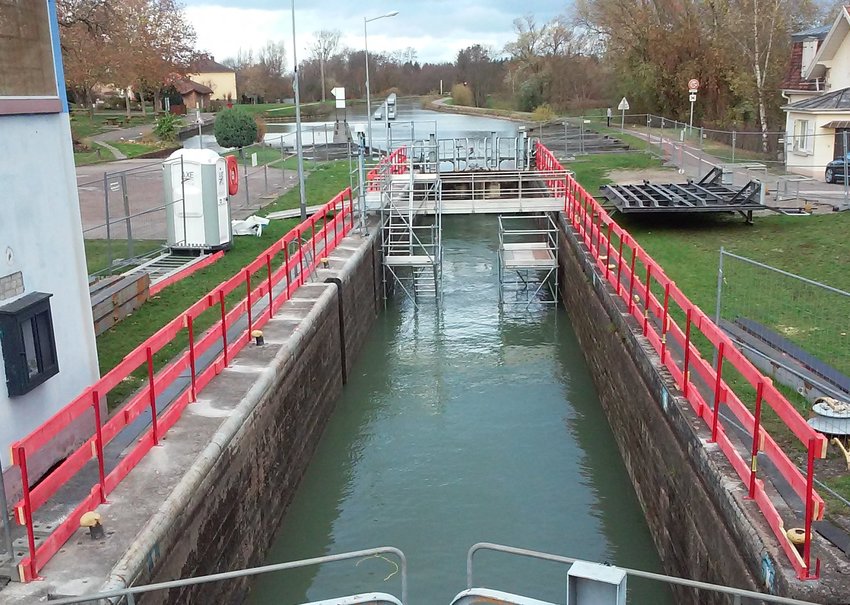
 Also just before Switzerland, the Rhine passes through several locks; those mechanical wonders raising vessels from the lower river on one side to the higher river on the other. There’s nothing like watching a lock do its thing while you’re in the lock. Just when I thought I was done with my remodel list, here come the locks. What a great way to secure my property! Raise the driveway higher than the street; then force my visitors to enter through a lock! On second thought, that’s too much work. I’ll add another castle element instead – a drawbridge over the canal I installed way back in the second paragraph.
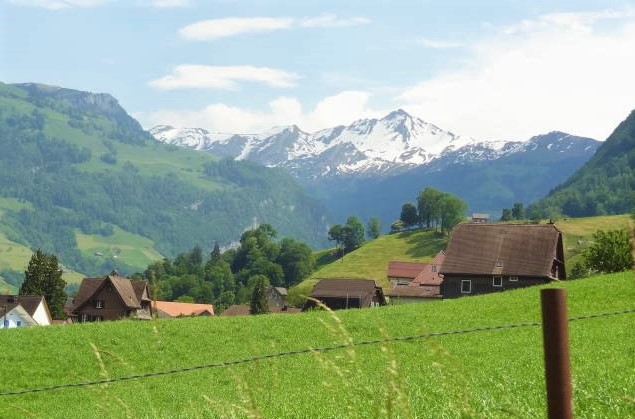
 If you think my remodel is brazen (i.e. “Dave, do the deck and call it good”), just you wait. My list is not quite complete. Our cruise ended in Switzerland. OMG. I repeat, OMG. How the heck am I going to remodel our property into Little Switzerland? There’s nothing I wouldn’t tap from this Alpine dreamland: the dairy farms (which means a whole herd of dairy cows), the cheese and chocolate, and some of the prettiest, cleanest lakes in the world. I’d even recruit a few of the Swiss themselves (as if they’d rather live in Colorado). Of course, the real problem with recreating Switzerland is those dang gorgeous Alps – snowy caps, grassy meadows, cog railways and all. Building Alps on my property would require ten billion delivery trucks of dirt and I just can’t afford that. I’ll settle for gazing at the distant Colorado Rockies instead.
Come to think of it, gazing at the Colorado Rockies requires a deck. That I can manage. Let’s put my Deutschland delusion to the side and just start with a deck, shall we?
-
Flight of the Humble Bee
Travelling to faraway places – weeks at a time – sprouts a dual bloom of stress and excitement. The stress buds from the interruption of life at home; the need to keep things clicking and intact while away. The excitement buds from the unknown of what lies ahead; the anticipation of new sights and experiences. My keyboard tap-tap-tappings come from one of those faraway places today; Northern Europe, but it’s not my destination I’m keen to talk about. Instead I’m drifting a few days back to the start of the trip, to my outbound flight from Denver to New York. There, in a moment of rarefied air, I mingled for a few hours as a first-class passenger.
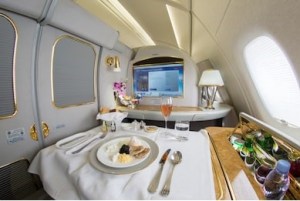 First Class. You know – the initial several rows on the airplane, dripping with white tablecloths, champagne flutes, and fluffy pillows. The wider, more comfortable seats. The dedicated flight attendant. Complimentary drinks, WiFi, movies, and magazines. Sounds so clean and expensive, with an almost regal attitude about it, don’t you think?
But what if I said, nein? What if I told you my first-class experience rated – yes – better than coach, but only with the slightest of differences? Wouldn’t you want to know why?
 For starters, let’s deplane and go back to the terminal. A first-class ticket entitles you to a dedicated always-short line at the check-in counter. You already know that. Me, I missed that line. Whether the signage was on its morning break, or the harshly voiced commandant-of-the-queue distracted me with her “line up he-ah!”, or “print your boarding pass he-ah!”, or “do not leave your luggage he-ah!” (add German accent), I missed first-class check-in. Me and the “coachies” dawdled together in the snaky commoner line for a good forty-five minutes instead.
Fast-forward to the wait at the gate. My wife shrewdly pointed out the “Delta Club”, which I assumed was an exclusive members-only hideaway. Turns out, a business-class international ticket (i.e. the only reason I got first-class on the domestic leg) gets you and I access to the Club. Through a set of dark, imposing doors, past a couple of guards (who really do “guard”), we were treated to a light-but-no-cost breakfast buffet, comfortable chairs and tables, and blissful quiet (except for the gent next to me with the persistent cough). I hereby admit, the Delta Club was a sweet perk of first-class, if only to hang with less rats in the airport maze.
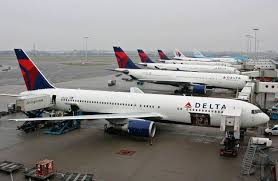 When a flight is even slightly delayed, and the passengers have nowhere to escape to outside of the boarding lounge, the ensuing chaos is a predictable study in human nature. No matter what kind of ticket you hold, “pre-boards” walk the plank first (defined as anyone needing extra time to get to their seat). After, Delta welcomes a mix of military, first-class (me!), and “Sky Priority” frequent flyers. But here’s the thing about rats. The line to board the plane is hopelessly windy and long, snaking between the walls of the concourse and the rows of boarding lounge seats. Try pushing to the front of the line – first-class ticket frantically waved above your head – when you’ve been standing in the back. Not-so-nice stares from other rats.
After taking my seat in 2a (or spoken with attitude, the second row), the complimentary glass of orange juice or champagne (or both please – mimosa!)… never materialized. Then I realized why. The logistics of serving drinks in first-class is virtually impossible when all the coachies board down the same aisle. No, this was not one of those planes where you “turn left” for first-class and “turn right” for everything else. One door. One aisle. All rats in the same maze after all.
 <Cue disconsolate, sad music – solo violin or muted cello. First-class is dying on the vine.>
How about breakfast? First-class meals are pre-ordered – on-line. That’s cool. Choose from blended steel-cut oats/quinoa with fruit, or an egg/cheese souffle with chicken sausage. My wife chose one and I chose the other – borderline-healthy airplane food requiring forks and knives! Not only that (insert smirk), turbulence prevented the flight attendants from serving anything in the main cabin, not even so much as a glass of water. Hope y’all bought some pre-packaged self-serve snacks before you boarded. Ha!
 But there it is. Attitude. Just when I think I can comfortably digest my first-class privilege; attitude rears its ugly head. Suddenly the passengers in row five and beyond are – ahem – somehow lesser. Not right. Time to pull my head out of – ahem – the clouds, and drift back down to reality. First-class may start out a little sweet, but the aftertaste can be a little bitter. Better to take my rightful place with the coachies from now on.
-
Snacks, Snooze, Repeat
My wife and I are adjusting our sleep schedules several days ahead of an upcoming trip to Europe. The first night we went to bed an hour earlier than usual, the next night two hours earlier, and so on. Our destination is eight hours ahead of Colorado, so who knows if this fool-the-body ploy pays off when we get there. It’s all about fending off Mr. Jet Lag.

Courtesy of lifehacker.com Sleep – quality sleep, that is – depends on almost too many factors to count. You’ve heard the guidelines before. Do you go to bed at the same time every night? Do you get a minimum of seven hours? Do you have a comfortable mattress? Is the room temperature cool-but-not-too-cool? Can you “black out” your bedroom, including every light except the little green one on the smoke alarm? And speaking of light, do you wind yourself down well before bedtime, without screens or headphones or anything else to keep the brain humming?
The list goes on, of course. What did you have for dinner; when did you have dinner; did you have alcohol or dessert too close to bedtime; did you take any meds; how and when did you exercise – they all mess with sleep. And if your sleep really is a mess, you have a convenient excuse in any one or more of these factors. But hang on. Someone (or some-ones) claims to have a better approach now. What if your quest for quality sleep hinged on only one factor?
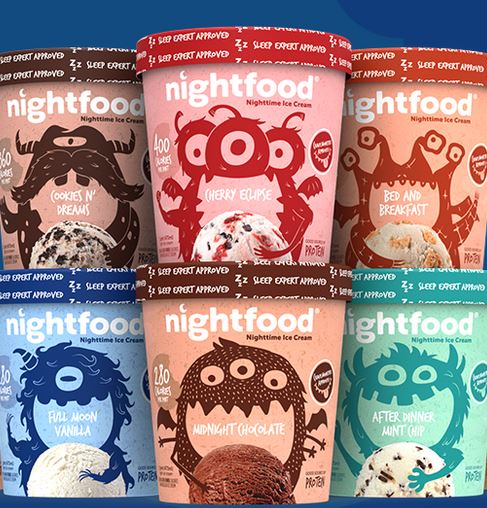
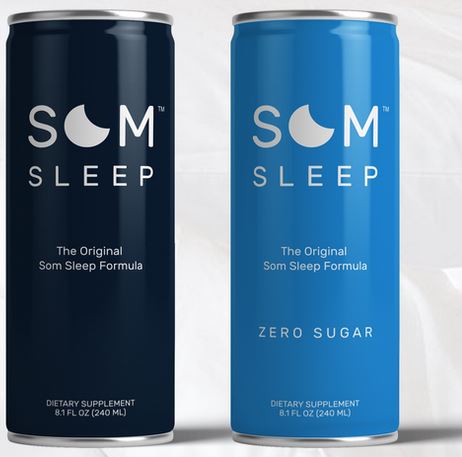
 Meet the latest trend in sleep aids: “pre-bedtime” snacks! Choose from a pint of ice cream, a handful of chocolates, a creamy drink, and others. They’re all concocted to show you the way to better sleep. Nightfood’s ice-cream pints are carefully advertised as “sleep-friendly”. Nestle’s “Goodnight” candies subtly recommend you “enjoy… 30-45 minutes before you’d like to drift off to dreamland”. Som Sleep’s products innocently ask you to “drink 30 minutes before you are ready to sleep”.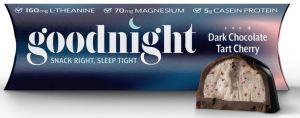
Am I the only one in the room with a terrified look on his face? I can hear myself already. “Time to go to bed, honey…. oh wait! You forgot your delicious pre-bedtime snack. Don’t you want a good night’s sleep?” After reading a little about these “foods”, my first thought was not, “how do they taste?” My first thought was not even, “I wonder if they work?” NO; my first thought was, “won’t they become psychologically addicting?” Think about it. Doesn’t really matter what’s included in the ingredients (i.e. melatonin, magnesium, glycine). Doesn’t even matter how much you consume. Rather, if you decide you’re suddenly getting a better night’s sleep, won’t your pre-sleep snacks turn into pre-sleep dependence? Snacks. Every night. For the rest of your life.
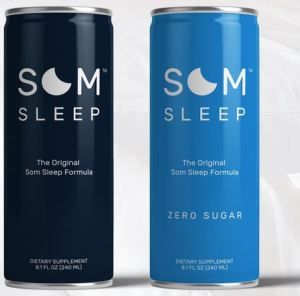 For sheer entertainment value, visit the websites and peruse the product claims. Nightfood says they’ve “removed/minimized stuff that in most other ice creams can be sleep-disruptive” (namely sugar and fat). Nightfood also says their product “… does not contain sleep-aid substances or drugs.” Finally, Nightfood does not suggest people eat ice cream as a sleep-aid. O-kay, anyone else utterly confused? I can get past an ice cream with no sugar or fat (not that I’d ever eat one), but if Nightfood doesn’t contain sleep-aids and I’m not even supposed to eat Nightfood as a sleep-aid, doesn’t it kinda-sorta lose its purpose in life?
The sad reality is that one-third of us get less than the recommended daily minimum of sleep. Probably another third is too attached to their handheld devices; brains revving day and night. The rest of us – save those few quality-sleepers – are getting something else wrong. But if that’s the truth, instead of snacking on chemicals (er, “food”), why not just adjust a sleep factor or two and see if you can do better?
 Despite my soapbox, maybe you’re still looking for the quick fix (to take up pantry space beside your 5-Hour Energy Shots). Guilty as charged? Go ahead then; buy into the hype. As Nightfood jingles, “…turn on TV, grab spoon, do your thing, sweet dreams!” You can almost see the company’s founders sleeping – er, laughing, all the way to the bank.
Some content sourced from the Wall Street Journal article, “A Late-Night Snack to Help You Snooze?”
-
Toasty of the Town
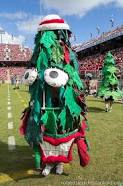
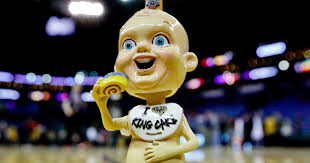
College and professional sports offer the perfect environment for several strange team mascots. Here in the U.S. of A, a bear or tiger or some other animal just doesn’t make the cut anymore. Instead, we have a wide assortment of weirdos: “The Tree” (Stanford University), “Blue Blob” (Xavier University), “The Phillie Phanatic” (Philadelphia pro baseball), and “Whatizit/Izzy” (Atlanta 1996 Summer Olympics). If you prefer downright creepy, look no further than “King Cake Baby” (New Orleans pro basketball). The Pelicans just won the #1 pick in this year’s NBA draft. They should keep King Cake in the closet ’til they sign Zion Williamson.


I’m an avid sports fan, so coming up with these examples was a no-brainer. I could add another dozen without too much thought. But even the weirdest of these characters – take your pick – couldn’t prepare me for a local newcomer, debuting next month alongside our minor league baseball team, the Rocky Mountain Vibes. Meet “Toasty – the fun-loving S’more“. You heard that right – a dancing, cheering S’more.

“Toasty” Salmon and maple syrup? Incompatible. Grounds for divorce? Irreconcilable. Oil and vinegar? Immiscible. But a S’more and baseball? Super-duper immiscible!
The Rocky Mountain Vibes – formerly the Helena Montana Brewers – must have a twisted front office. I’d like to meet one or two of their decision-makers. Consider the five finalists in their “name-the-team” contest:
- Colorado Springs Happy Campers
- Colorado Springs Lamb Chops
- Colorado Springs Punchy Pikas
- Colorado Springs Throttle Jockeys
- Rocky Mountain Oysters
If these are the finalists, I don’t want to see the rest of the entries. Happy Campers and Lamb Chops? What the heck is a Punchy Pika? And for those of you unfamiliar with a Throttle Jockey or Rocky Mountain Oyster, click the links at your own risk. I repeat, at your own risk. Don’t say I didn’t warn you.
 With a passing degree of intelligence, the Vibes nixed all five finalists and came up with their own choice. They claimed “Vibes” was something of a spin on “Happy Campers”; that euphoric feeling experienced in the Colorado outdoors. Whatever. Even without the reference, it’s a pretty good name.
Otherwise, this baseball team goes off the rails. The Vibes’ major-league affiliate is the distant Milwaukee Brewers (not the Colorado Rockies right up the road in Denver). They have five team colors – can’t wait to see those perky uniforms – “rubine” red, navy, gold, sky blue, and tan. They’ve never, ever won a minor league title. And then there’s that mascot. I can’t get past it; a dancing, cheering S’more? And then you had to go and name him “Toasty”?
 If we’re just talking S’mores as a dessert – remove the Vibes – we’d be having a whole different conversation. I love a good S’more. Er, qualify that; I love a good S’more for about ten minutes. Then I’ve had enough for the next six months. It’s like those plate-sized German apple pancakes you gorge on at carnivals and amusement parks. They sound good and smell good, but you pay too much for one and you’re feeling sick after just a couple of bites. Don’t forget to wipe all that powdered sugar off your face.
S’mores are a basic, fun dessert. Like the wheel or the hamburger, the origin of the S’more is debatable. The most credible story in my book: a recipe published by the Campfire Marshmallow company back in the 1920’s. Since then S’mores have been a favorite of the Boy Scouts and Girl Scouts (or just about anyone with graham crackers, marshmallows, chocolate bars, and a nearby campfire). You can order a S’mores Frappuccino at Starbucks. You can even purchase an “Electric S’mores Maker” on Amazon.
 With no lack of embarrassing small-town flair, Colorado Springs has completely embraced Toasty’s upcoming debut. A handful of local diners want you to “Vote for Your Favorite ‘S’more’”, with the following choices (restaurant names omitted in a desperate attempt to save their reputations):
- S’mores cheesecake bar (“healthier” with GF graham crackers!)
- “Sweet Victory” Tableside S’mores (including mini-campfire!)
- Smoky S’mores Cannoli (apologies to Italy)
- Savory S’mores Lamb Chops (no comment)
- S’mores Pancakes (i.e. dessert for breakfast)
- S’mores Florentina (with rum flambé, naturally)
 Mark your calendar – August 10th is National S’mores Day. You’ll probably get a free one if you’re watching the Vibes at the ballpark that day. As for me, I’ll be sitting at home lamenting our former minor-league baseball team, the Colorado Springs Sky Sox. I’ve already forgotten the Sox mascot. Pretty sure it wasn’t a dessert.
Some content sourced from the Springs Magazine article, “Toasty S’mores Tasting Contest”, and Wikipedia, “the free encyclopedia”.










About Me
The sky is not completely dark at night. Were the sky absolutely dark, one would not be able to see the silhouette of an object against the sky.
Follow Me On
Subscribe To My Newsletter
Subscribe for new travel stories and exclusive content.
 Life In A Word