
Late last year, Belgium found itself at the center of a culinary controversy. A local company was producing and selling a bottled version of “carbonara sauce”, much to the dismay of Italy. The Italians are fiercely protective of the recipe for spaghetti carbonara they invented a hundred years ago. Anyone familiar with the dish understands there is no such thing as carbonara sauce, because the food is the result of a slow, methodical process using fresh ingredients (including eggs and cheese), where everything melds together perfectly. You can’t just bottle it and call it the same thing.
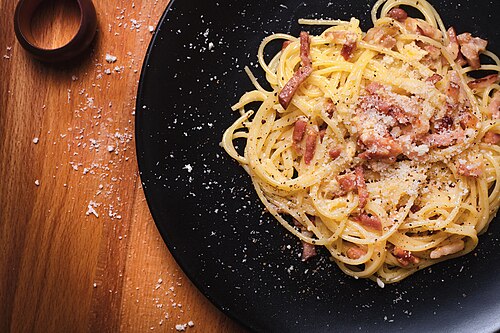
Carbonara is a good example of a product invented in Italy and dumbed down for mass consumption. Imagine how the Italians feel about Starbucks. Somewhere on the menu you can order a shot of pure espresso but it’s the drinks with the added flavors, sugar, and milk that generate the profits. Similarly, you’ll find a dozen packages of biscotti on America’s cookie aisles, but most aren’t twice-baked like the originals nor infused with real almond liquor.
Maybe you’ve already added pizza to this list of imposters. The transformation of pizza from the Italian original to the endless varieties offered in today’s restaurants could be the subject of its own blog post (and a long one at that). Suffice it to say, the Italians are justified in turning up their noses to any product we Americans call “pizza”. Unless you’ve had a pie made with authentic Italian ingredients and prepared the same way they made it centuries ago, you really don’t know pizza.
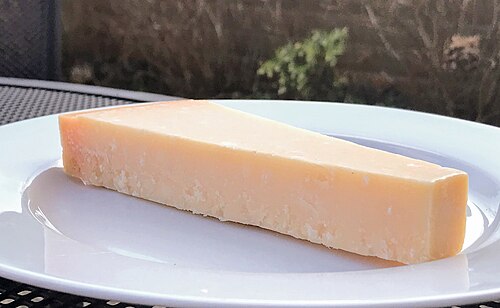
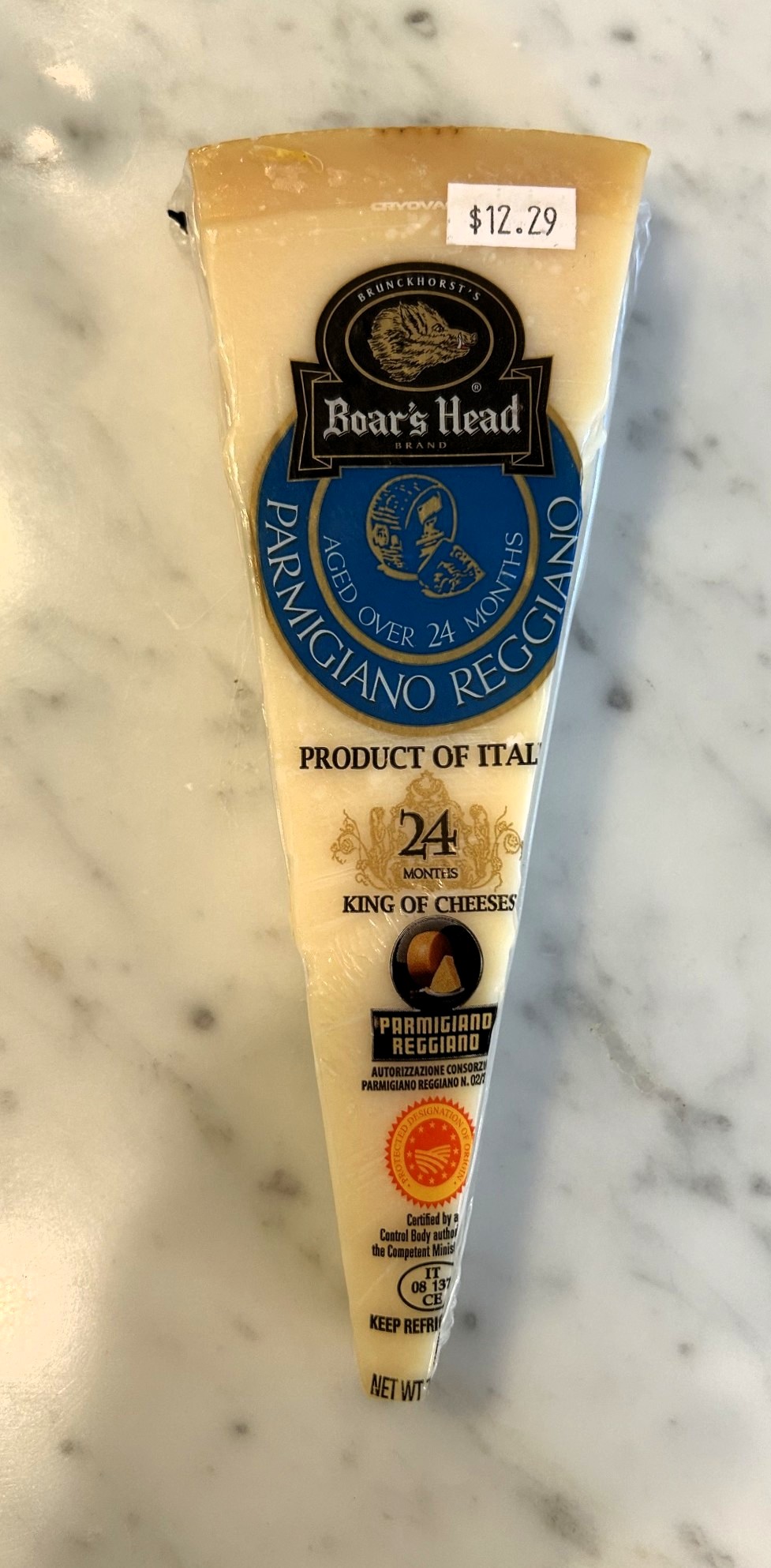
But let’s talk about cheese, because it’s the real subject of today’s post. Parmesan cheese is another Italian original, dating back to the Middle Ages. It’s made with just three ingredients: milk, salt, and rennet (enzymes). Today you can choose from a variety of parmesan cheeses in your supermarket deli or just cheat with the big green Kraft can from the pasta aisle (which includes several added ingredients you wouldn’t be happy about). But whether from the deli or from a can, you’re not purchasing the Italian original… unless, the package includes the official logo of Parmigiano Reggiano. That, my friends, indicates the real deal. Or, if you prefer, the “big cheese”.
Parmigiano Reggiano (shall we call it “PR” from here on out? Yes, let’s do that.) is one of the most tightly regulated foods in the world. Maybe the Italians got tired of losing control of their original recipes and declared, “Uh-uh, not this one”. PR is made from milk, salt, and rennet just like the other wannabes, but with two important differences. The cows that provide two of those three ingredients graze on the pristine grass of pastures in a single tiny region of central Italy. The cows, the grass, and the milk they produce are regulated in a way that would make Fort Knox proud. It’s a small, tight supply chain of cheese production with the same quality of centuries ago.
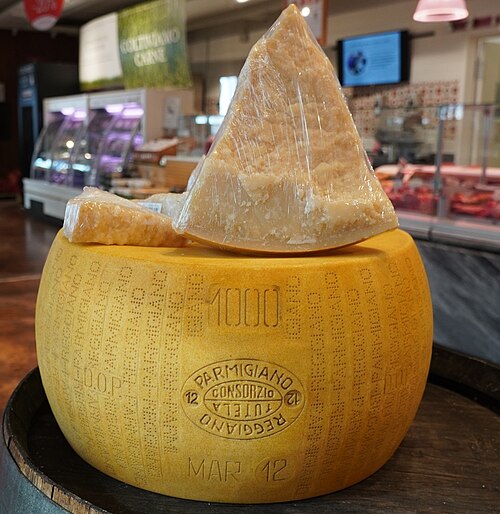
Here’s the other important distinction between PR and the others. It must be aged at least a year (and it’s typically more like two or three) before it can be sold. That requirement gets the cheese to stand alone even more than its carefully-produced ingredients. Why? Because most companies can’t sit around for a year or more waiting for cheese to generate profits while suppliers are demanding payment on the spot. So how do the makers of PR do it? They bank their cheese. Literally.
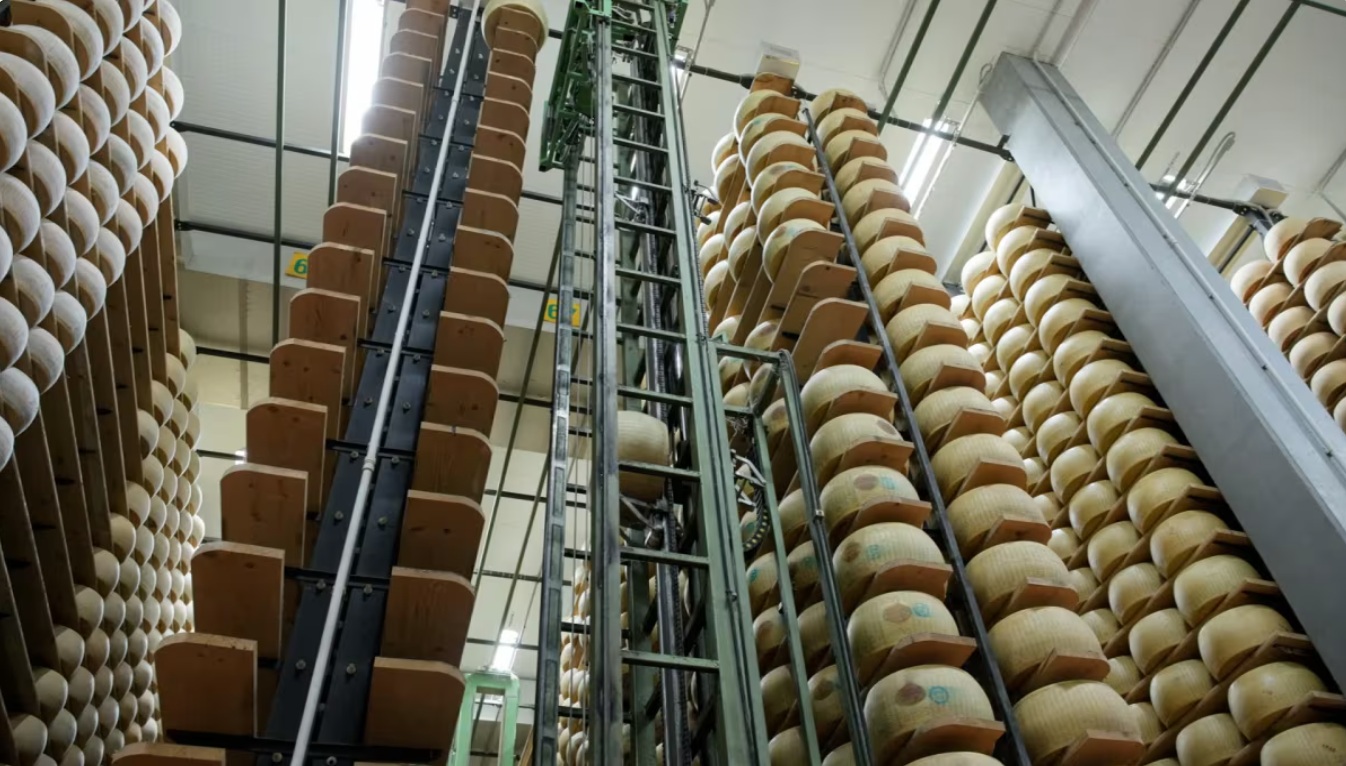
You know you have a really good cheese when your bank is willing to take it as collateral. Here are the staggering numbers. Italy produces four million wheels of PR a year, distributed throughout the country and the world for sale. (Fact: America is the largest consumer of Parmigiano Reggiano outside of Italy.) But 500,000 of those wheels are held back and “deposited” into a local bank to age, in exchange for the cash necessary to pay the suppliers. PR is of such high quality and so carefully regulated that the banks have agreed to this unique arrangement for generations. Of course, the combined value of those wheels probably helps (well north of $300 million).
 If you’d care to know more about this whole cheese-for-money thing, read the article I reference below. More importantly, if you ever come across Italy’s “Cheese Bank”, you’ll probably find the usual ATM’s, tellers, and offices, but at least you’ll know what that big warehouse next door is all about.
Some content sourced from the CNN Business article, “Inside Italy’s secret ‘Cheese Bank’…”, and Wikipedia, “the free encyclopedia”.


The slow down way of doing things! I remember being in Luxembourg one summer visiting friends. We toured all sorts of interesting places but were surprised to find how many things were closed for a few weeks so the owners/workers could take a summer holiday! Very civilized – people before profit.
LikeLiked by 1 person
Not speaking for Canadians (because I don’t know any better) but we Americans could learn a lot from the European way of life. Starting with less time on our electronic devices 😉
LikeLiked by 1 person
Dave, I know your time spent in Italy during college was a year well spent! You got to see the beautiful and ancient sites and experience the culinary delights, a real win-win! This is one country I wish I had experienced, but before the tourism made it less desirable to visit. I know you have mentioned the genuine Italian pizza before, perhaps in comments. So, just like the genuine pizza pie, I have never had the real-deal spaghetti carbonara either, not even an Olive Gardens’ version of it. I am sure the Italians find the Starbucks drinks cringeworthy – what is wrong with enjoying the robust flavor all on its own? I did not know all these fascinating facts about PR and I admit to resorting to Kraft Parmesan cheese occasionally which I sprinkle into soup for a treat. I am fascinated by the concept of “cheese banks” as well as the cost for these expensive aging cheese wheels.
LikeLiked by 1 person
Like many places, I worry Italy is significantly different (read: not better) than I remember it from the 1980s. I still aspire to visit again one day with my wife, if only to (re)experience the food and the so-called “dolce vita”. The Italians really have their priorities in order. It’s a simple and social life. Honestly, what more do you need?
LikeLiked by 1 person
Dave, I remember you did a post once about Italy and the tourism aspect and how it had changed from your college time abroad. You said it would be even worse for last year’s Jubilee Holy Year celebration in Vatican City. I think we could learn from the Italians’ way of life and other Europeans’ way of life as well … slow down the pace and embrace life’s offerings. I hope you and your wife get to visit Italy. I’m sorry I had to cancel my already-booked 1984 Italian Perillo vacation after my father left and circumstances changed at home. I’d have traded the 1982 Panama Canal cruise in a heartbeat.
LikeLiked by 1 person
You have certainly done your homework on PR. Thanks for enlightening us. Cheese banks? Who knew?
LikeLiked by 1 person
Now you’ve got me craving carbonara at 7:30am! Imagine using cheese as collateral here, you’d get laughed out of the bank.
LikeLiked by 1 person
As you know from first-hand experience Lyssy, the Italian way of life is different than the ours (and in many ways better). Wouldn’t surprise me to learn a handshake deal is still as good as a signed contract over there.
LikeLike
I had no idea that Italian cheese banking was a thing. Will you write about Swiss banks next week? 😛
LikeLiked by 1 person
HAHA!
LikeLiked by 1 person
Were I to delve into Swiss banking practices and then blog about them, I might find myself hauled off to prison for revealing their tried-and-true secrets. But I could see how they’d appreciate the wheels of cheese approach. Frankly, they should take their own chocolate as collateral.
LikeLiked by 1 person