
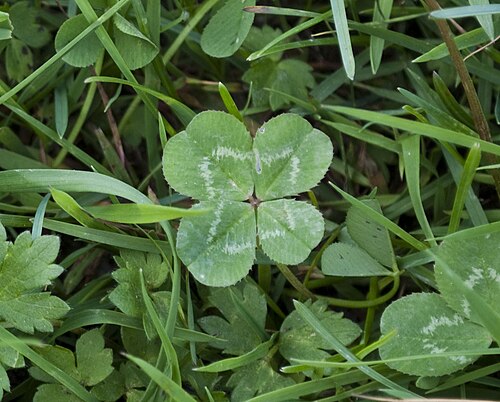
St. Patrick’s Day will be here in less than a month. The “holiday” is a once-a-year excuse to wear something green, pinch if you don’t, and carouse with abandon in the streets. There’s no real significance to any of it. On the other hand, St. Patrick’s Day gets me thinking about Ireland, leprechauns, and the four-leaf clover, which is a symbol of good luck. Just like Olympic Games mascots.
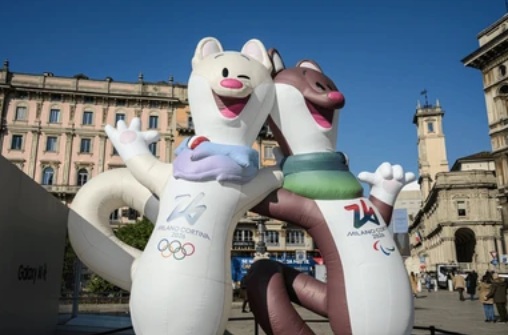
Can you name the animals represented by the mascots at this year’s Winter Olympics? “Tina” and “Milo” (takeoffs on the cities of Cortina and Milan – nice) are stoats, which you’d hope to be furry and cuddly little creatures, but in fact are anything but. Stoats – first time I’ve heard the word – are “voracious predators”; carnivores in the same classification as otters, ferrets, and wolverines. They’re so aggressive they can take down prey six times their size. New Zealand used a bunch of them in hopes of controlling their rabbit population but instead the stoats wiped out untold numbers of a species of native bird.
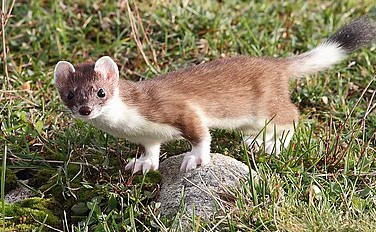
A stoat may seem like a curious choice for a mascot, but by definition it makes sense. Mascot (derived from the French mascotte or “lucky charm”) is supposed to drum up the competitive juices of fans and athletes; a sort of fierce cheerleader leading the charge to defeat the opposition. Yeah, that doesn’t quite work at the Olympic Games. As the host country you’re supposed to be friendly and cordial to the world’s visitors; not fist-pump and taunt as if to say, “Italy’s gonna take you out!”
Of course, that’s why Tina and Milo wear permanent smiles, colorful scarves, and make themselves available for purchase as soft stuffed animals instead of looking and acting like real stoats. They don’t want you to be afraid… they want you to spend.
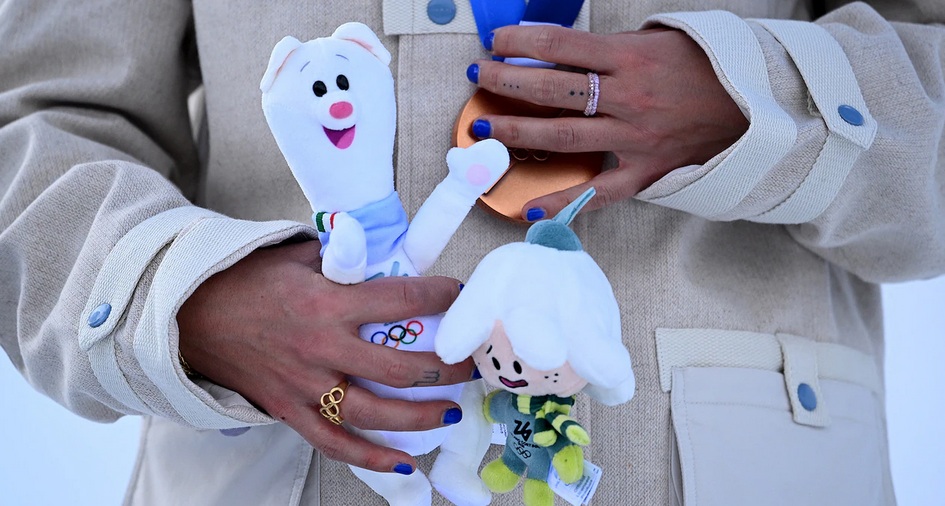
Olympic mascots drum up the competition at the cash register, not at the venues. Mascots are the faces of the Olympics; at least, the marketing and merchandising faces. Over there in Italy, the “plushies” have been so popular they sold out within the first few days. Patrons complained of waiting over two hours in line at the Olympics “megastore” and walking away with zero stoats.
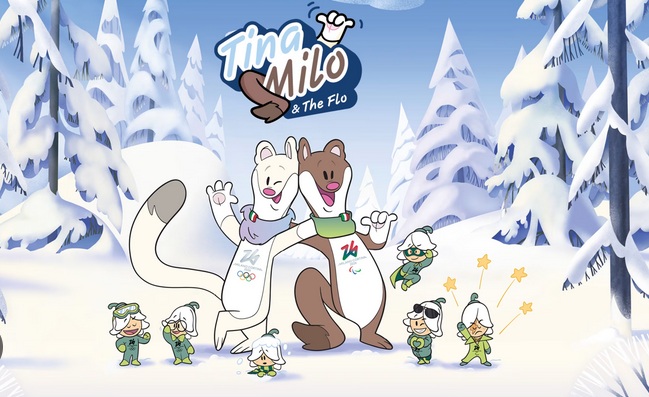 Tina and Milo are just latest in a long line of Olympic mascots dating back to the 1960s. It’s interesting to review the (every other) years and see those mascot names and faces again because, I don’t recognize a single one of them. It’s as if all the mascot fuss is extinguished along with each Olympic flame. Regardless, here are a few of my forgettable favorites: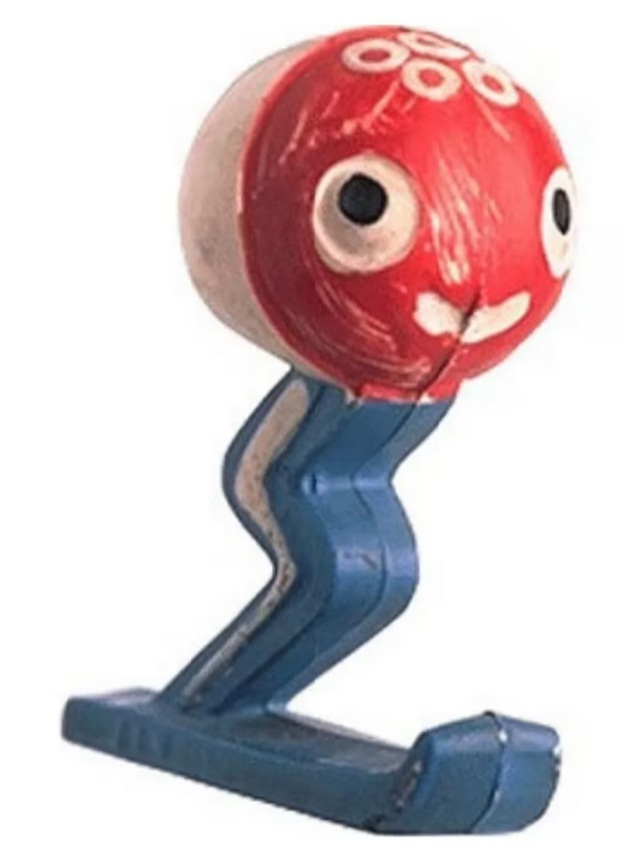
Shuss – the little man on skis – is the original Olympic Games mascot. He was created for the 1968 Winter Games in France, and is the first and last mascot you would consider resembling anything close to “human”.
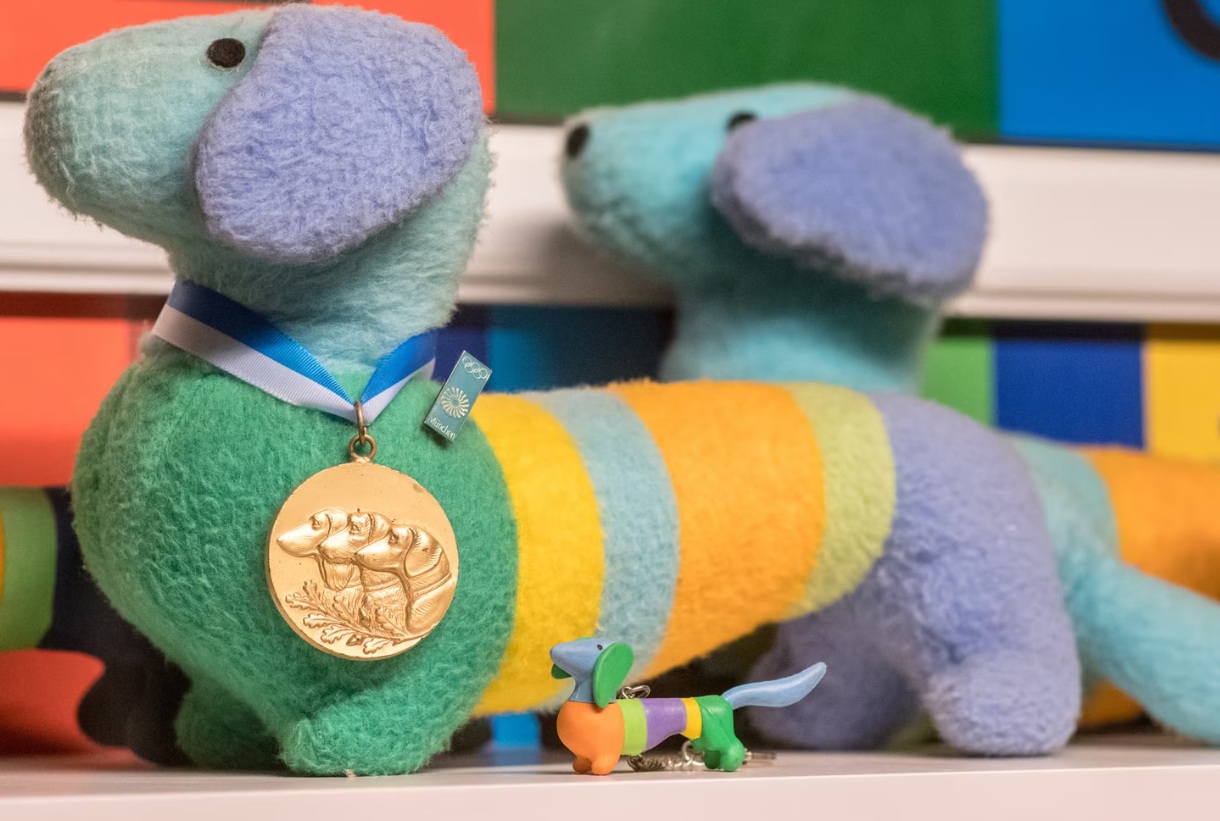 Waldi – a dachshund – came along just four years after Shuss. Perfect species of dog for a Games held in Germany, right? And here’s a clever detail: Waldi is shaped like the route of the Olympic marathon run through Munich.
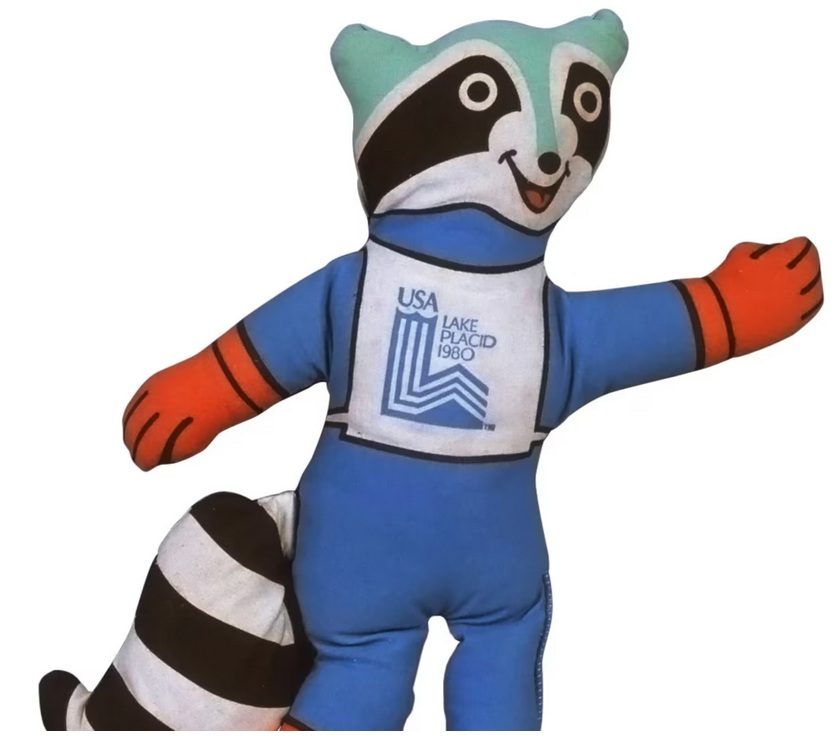 Roni – a racoon – was the mascot for the 1972 Winter Games in Lake Placid, and the first in line of what I’d consider unattractive U.S. Olympic mascots. I’ll pass on every one of them.
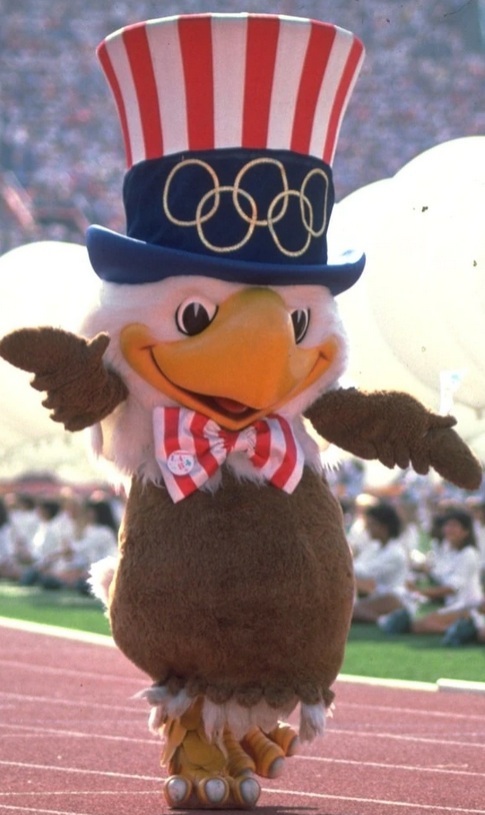 Sam – an eagle – hosted the 1984 Summer Games in Los Angeles. Okay, I get the “Uncle Sam” connection but I wouldn’t have stood two hours in line to buy this stuffed animal, would you?
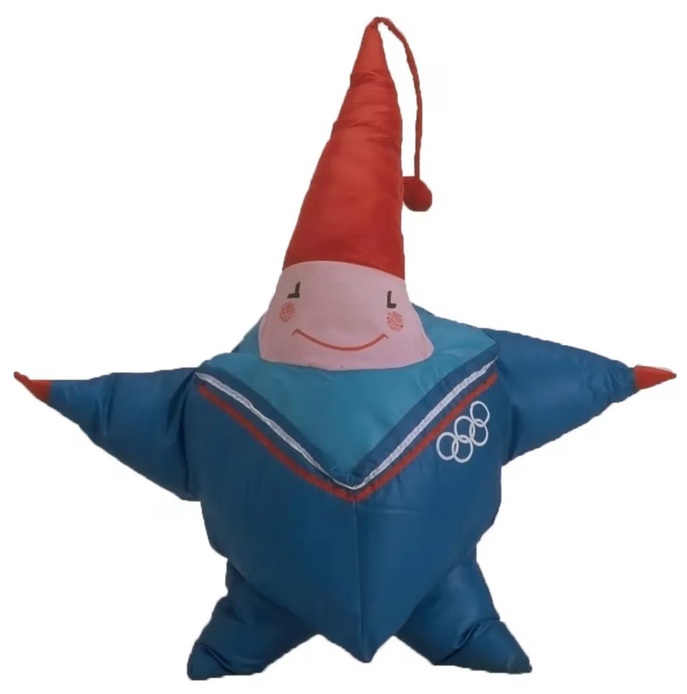 Magique – an I-don’t-know-what – “starred” at the 1992 Winter Games in Albertville, France. He (she?) actually isn’t so bad compared to several others on the list.
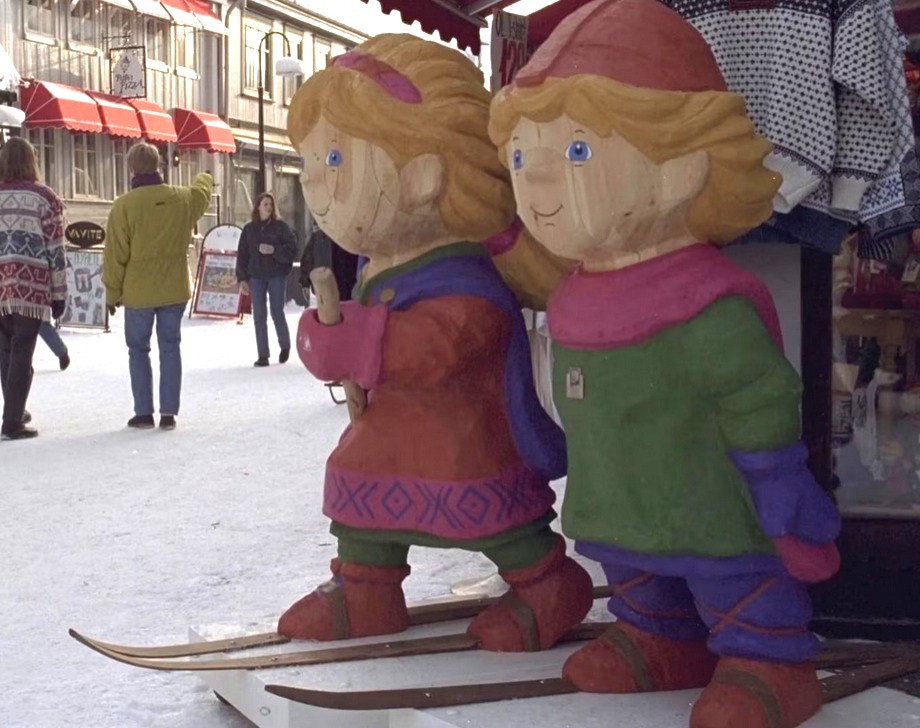 Haakon and Kristin – full-sized figures from Norwegian history – hosted the 1994 Winter Games in Lillehammer. Sorry, but doesn’t it look like Haak and Kris just want to come at you on their skis? The stuff of horror movies.
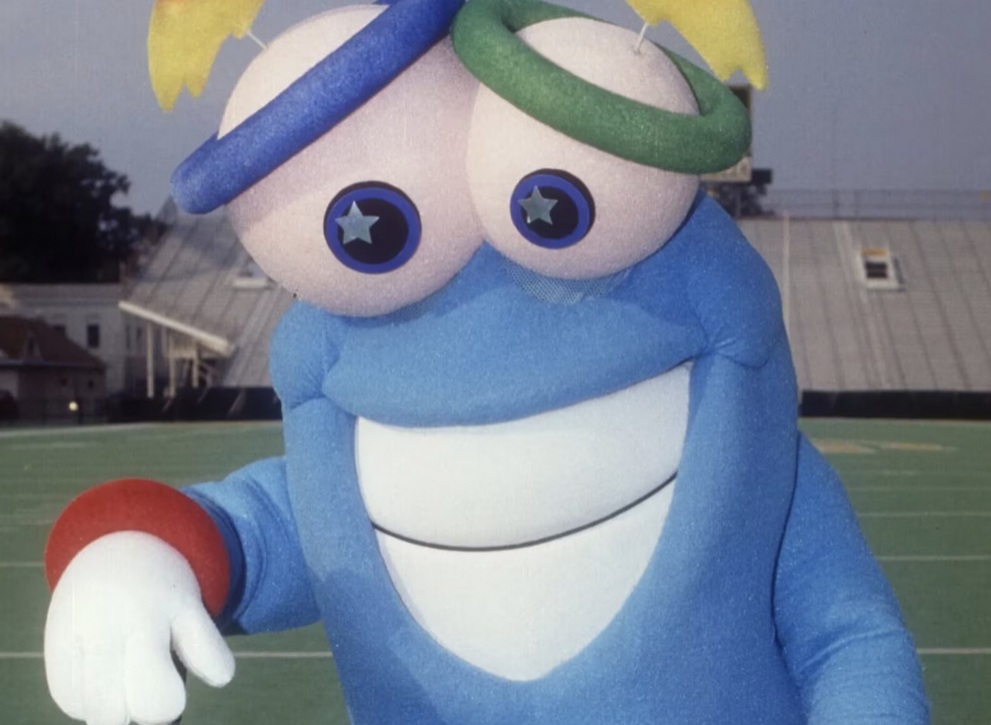 Izzy – another “I-don’t-know-what” – was all over the 1996 Summer Games in Atlanta. Leave it to the U.S. to come up with something neither human, animal, nor even “object”, yet somehow be the only mascot I can recall thirty years later.
 If a mascot translates to a good luck charm, perhaps that’s a good pitch to sell more stuffed animals at the Olympics. Not that these Winter Games need help selling stoats. No doubt you’ll find the ferocious furries on eBay as soon as the Games conclude. Which has me wondering, why would you overpay after the fact for something nobody will ever remember?
Some content sourced from the CNN Sports article, “Word of the Week: The adorable, lethal stoat…”, the NBCOlympics.com article, “A look back at Olympic mascots through the years”, and Wikipedia, “the free encyclopedia”.


I had never considered just how badly Olympic mascots have failed to capture the popular imagination, whether in their host country or elsewhere. I have never seen any of these. Or maybe it’s that I live in a pretty much Olympic-free bubble.
But I learned about stoats today, and one more example of scientific hubris gone awry. “Hey, let’s import this non-native species to prey on just this one pest. Nothing can possibly go wrong.”
LikeLiked by 1 person
Were it not for the merchandising opportunity you have to wonder if Olympic mascots would even exist. I’m a sports fan so I’m much more inclined to follow the competition than anything “Tina and Milo”.
LikeLike
Here at my house, we don’t need anymore stuff animals — we have lots of teddy bears in my wife’s collection. She did stop buying new ones about 10 years ago when we both realized the bears had no resale value and we were running out of shelves to put them on.
But there is the cereal, Lucky Charms — mother used to buy me a box of that once in awhile. Pure sugar, yum.
LikeLiked by 1 person
I haven’t discovered the cost of a Tina or Milo plushie and I really don’t want to know. On the other hand, I welcome Lucky Charms. The whole time I was writing this one I couldn’t get the breakfast cereal out of my mind. Like most products they taste a little different these days, but you’ll never find me turning down a bowl.
LikeLiked by 1 person
Thanks for explaining what those little stuffy things are at the Olympics!
LikeLiked by 1 person
I just had to go look at the list of Canadian Olympic mascots! Amik the beaver at Montreal in 1976 is not all that inspiring. Vancouver’s 2010 Quatchi and Miga were okay, but not nearly as pleasant as Calgary’s 1988 Hidy and Howdy polar bears. Of course, I am biased…
LikeLiked by 1 person
Without even looking at photos of the Canadian mascots I will stake big money they’re more tasteful designs than anything the U.S. has ever come up with. And speaking of U.S./Canada, I hope the men’s hockey teams end up together on the ice with the gold medal at stake. If it’s anything like the women’s battle it’ll be well worth the watch… and I’m not even a hockey fan!
LikeLike
Yes, it would be a good matchup of professional NHL players. The USA, Canada and Sweden apparently each have 25 of them. Finland has 24, Czechia has 11 and on down to France with only 1.
LikeLike
Thank you.
LikeLike
Dave, I don’t remember any of the mascots either and I used to watch the figure skating competitions all the time back in the day. The dachshund Waldi is the cutest mascot in my opinion and how fun that it is shaped like the running route through Munich. As to the stoat, the plush version is cuter than that little terror. 🙂 It actually looks like a mink. We have a lot of minks around here – ours hang out in the marshes and are dark brown with a long tail. The Lillehammer mascots would have been cuter without the big skis … I see a trip-and-fall incident happening if you got too closer!
LikeLiked by 1 person
I agree with you Linda. If forced to make a choice of one, Waldi would be top three. The stoats also have a solid white look, which I can’t decide is more beautiful or creepy. And since you brought up figure skating, when I watched the finals and there were so many mentions of Sarah Hughes (who was in the stands), I went back and watched her gold-medal performance on YouTube. I remember her win was considered an upset but I didn’t recall she was only sixteen years old at the time (2002). The skate – and her reactions throughout – still brings tears to my eyes.
LikeLiked by 1 person
I can’t imagine how these figure skaters must feel after years and years of practice to reach this pinnacle of their career and it is all on the line with a routine that takes just a few minutes. It would be exhilarating but stressful. I went and found Sarah Hughes’ performance and watched it just now. I felt so badly for the young male U.S. skater, Ilia Malinin. He endured a true Friday the 13th. He was so nervous that he made multiple mistakes in his program though every practice was flawless.
LikeLike
It’s why I admire Alysa Liu, even if I’m not a fan of her persona. She skates with abandon; zero regard for the consequences of failing. Maybe that’s the approach Malinin needs to take from now on, instead of getting caught up in expectations. Just ease the mind and the body will follow. Easy to say, right? 🙂
LikeLike
St. Patricks Day always reminds me of March Madness too. Today I learned what a stoat was. Milo and Tina are cute names and I’d never know they were vicious in real life!
LikeLiked by 1 person
March Madness… now that’s a worthy sports blog topic! I need to brush up on the teams this year before February runs out. It appears to be a wide-open field. Hope the Spartans have a shot. As usual, I need to hop on somebody else’s bandwagon (sigh…)
LikeLike
Interesting mascots, I can’t say I’m drawn to them… Now, our ND Leprechaun has charm. 😉
LikeLiked by 1 person
I had no idea who were the mascots of the Olympics this time around.
To mean Saint Patrick’s day means 1 thing: Irish Soda bread! 🙂
LikeLiked by 1 person
You may be the first fan of soda bread I’ve ever known, Ana 😉
LikeLike
Really? I will be in NY in a couple of weeks and what I am looking forward to is the soda bread from a bakery in Putnam Valley.
LikeLiked by 1 person
That real stoat looks rather cute–except for those oversize paws that look like they could rip a steak to shreds. The plushy stoats barely resemble the real thing. Per your review of other Olympic mascots, I’d agree most are unforgettable and un-inspiring. I hope we can do a better job for the 2028 summer games in L.A.!
LikeLiked by 1 person
The speculation on the 2028 Games mascot is an animal associated with California (ex. condor). Let’s hope whatever they choose at least represents a living thing!
LikeLike
Some of those male hockey players didn’t look too impressed by being handed a “stuffie” as we call them here, in the medal ceremony. There was a video of the one player which made me laugh, as he’s looking down at it in his hands, after they’ve moved down the line! Obviously not a guy with kids!
LikeLiked by 1 person
I saw that too, Joni. Funny to watch a big, burly hockey player receive a small stuffed animal. I guess the Olympic Committee need a little more return on their mascot investment 🙂
LikeLiked by 1 person