
Have you ever taken a bite of something and thought, “Nope, doesn’t taste right”? Gluten-free foods come to mind. Or salsa on a tortilla chip after the salsa’s turned south. There’s nothing more unnerving than expecting one taste and getting another. But at least with gluten-free (and bad salsa) you’re sort of prepared to be disappointed. The same can’t be said with more “sacred” foods. Like chocolate.
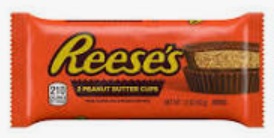
I ate my fair share of Hershey’s bars as a kid but once Reese’s Peanut Butter Cups came along I switched my preference. Reese’s somehow developed the perfect blend of peanut butter and milk chocolate into a convenient cup where you get both tastes in every bite. The two-cup packs never convinced me to save one for later, but they did give the impression I was getting more for my money.
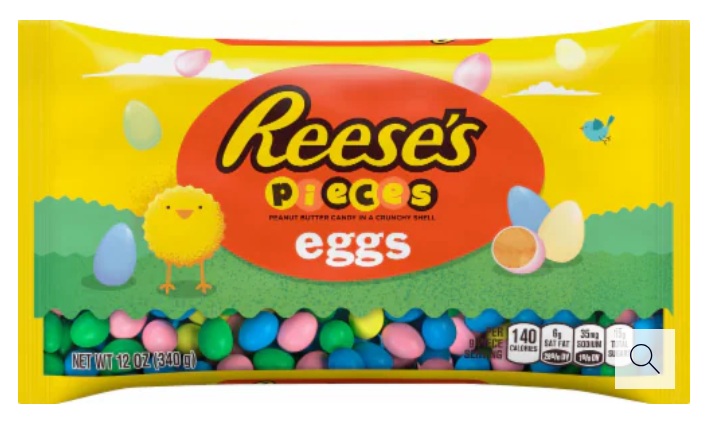
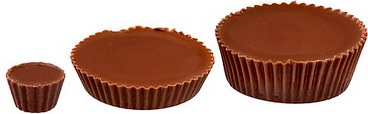 Some things are better left alone… but Reese’s never got the message. Instead, over the years they’ve produced endless varieties on the original peanut butter cup. Before you knew it we had a choice of sizes (including “Big Cup”), fillings (peanut butter and banana creme? Yuck!), and candy coatings, as well as holiday shapes like milk chocolate hearts, eggs, pumpkins, and bells, all with the peanut butter filling. Finally, Reese’s Pieces joined the list, made infinitely more popular by their supporting role in the blockbuster film E.T.
The problem with variations on a Reese’s is the altered ratio of milk chocolate to peanut butter. I would’ve enjoyed standing in ole man Reese’s shoes back in the 1920s when he taste-tested his way to perfection. He should’ve put a patent on it, because too much milk chocolate or too much peanut butter just doesn’t taste right to me. But at least we’re talking about milk chocolate here. Now for the real injustice…
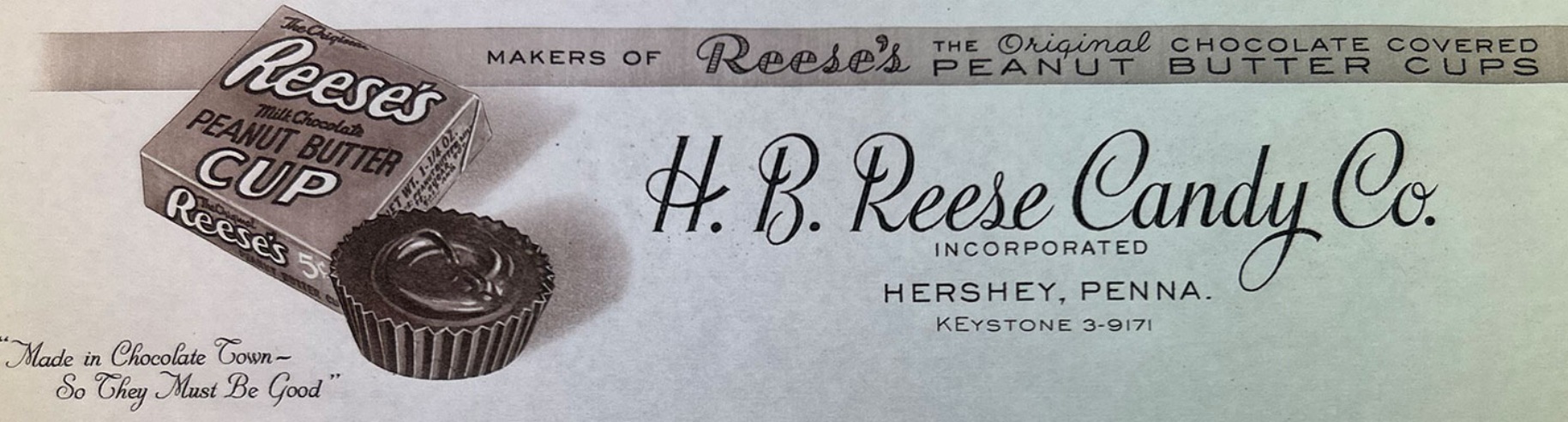 The H.B. Reese Candy Company became a subsidiary of Hershey in 1963. Their peanut butter cups instantly became Hershey’s bestseller (even surpassing the classic Hershey Bar). But recently, subtly, quietly, Hershey committed a mortal sin of the candy world. Rather than leaving well enough alone they changed the ingredients of a Reese’s Peanut Butter Cup. Soon to come, there will no longer be any milk chocolate in a Reese’s, at least not by proper definition. Instead, you’ll indulge in a “chocolate-flavored coating”. In the world of food, we all know flavoring is just another word for “artificial”.
 This little con of Hershey’s was brought to the headlines by none other than a grandson of H.B. Reese (and who can claim better peanut butter cup credentials than that?). Brad Reese is taking on Hershey for straying from the original recipe. Granted, the price of cocoa beans – the basis of real chocolate – has gone through the roof the last few years, forcing companies to get creative with size, price, or ingredients. I just wish Hershey offered me the option to still purchase the real thing.
I’ve already noticed how Reese’s Peanut Butter Cups are shrinking. The originals were 0.9 ounces. Then they went to 0.8 ounces, then 0.75, and finally to the 0.7 juniors they are today. If Hershey keeps this up, you’ll start thinking the “original” is a “miniature”. I can make peace with shrinkage as long as the milk chocolate/peanut butter ratio stays the same. But now the words “milk chocolate” will be removed from the orange wrapper. Ask the FDA and they’ll say, “Sorry, “chocolate-flavored coating” is not the same as “milk chocolate”.
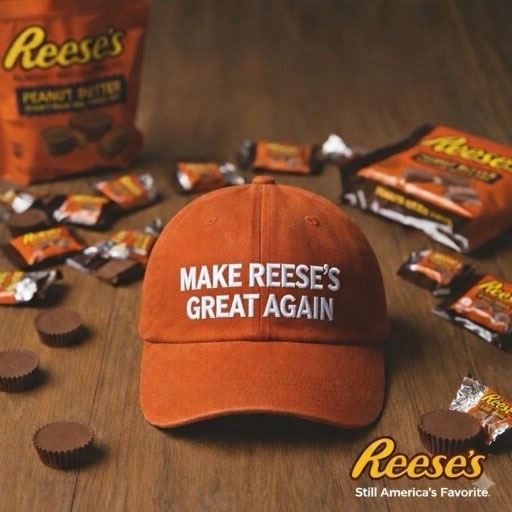 I’m joining Brad Reese’s campaign to restore Reese’s Peanut Butter Cups to their original composition. Some things are just worth their weight in gold. Not that I’d pay gold for a peanut butter cup, but show me the original size, ratio, and ingredients and I might just be tempted.
Some content sourced from the NBC News article, “Grandson of Reese’s Peanut Butter Cups is in pieces over missing milk chocolate”, and Wikipedia, “the free encyclopedia”.
 Life In A Word