
I’ve always been fascinated – mesmerized even – by the mechanics of assembly line manufacturing. A product takes form from a single part, then moves down the line to where another part is added. Then another part, another, and another, until at long last the completed product presents itself at the very end for packaging. Assembly lines are becoming more and more automated, which begs the question: When will humans be removed from the process altogether?
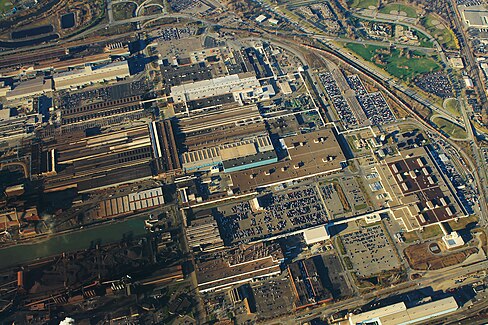
On a recent trip to Detroit with my brothers, we were lucky enough to snag tickets to a tour of the Ford River Rouge Complex, where the F-150 truck (gas engine) is mass-produced. Ford has over 65 manufacturing plants worldwide but I think “The Rouge” is the only one you can tour. And boy is it worth it. You walk away with a lot more admiration for a fully-built F-150 than when you first set foot in the building.
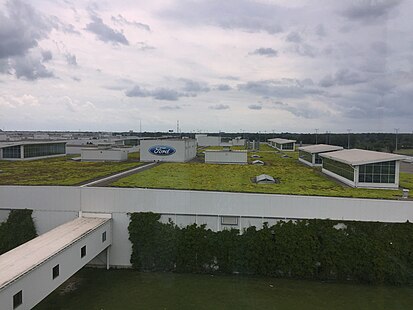
Ford doesn’t allow you to take photos inside The Rouge (and they keep a close eye on visitors) else I’d include a few here. The tour starts with a couple of promotional videos in comfortable theaters, followed by an elevator trip to the top of the visitors center for a look down at the vast campus. Then things get serious. You put away your phones, listen to the rules and regulations about behaving inside the factory, and off you go.

Here are the eye-popping numbers. The F-150 travels the length of a four-mile assembly line as it grows from parts to finished product. That line includes over two hundred stops to add parts (which aren’t really stops because the truck is always being pulled along). A fully-functioning F-150 rolls off The Rouge assembly line every 52 seconds, which translates to a remarkable 650 new vehicles per ten-hour working shift. And finally, the whole process is far from automated. 6,000 workers assemble the vehicles, each a specialist in the given part, calibration, or inspection the truck demands.
Of course, an F-150 has far more than two hundred parts. Some of those assembly line stops are for the installation of major components. The entire dashboard, for example, or most of the engine are installed in a single stop. But you also have workers who do nothing more than take a rubber mallet and pound on rear taillight covers. Think about it. Can you imagine hammering on taillight covers 650 times a day? It’s mindless, it’s repetitive, and you have to wonder about the toll it takes on the human body.
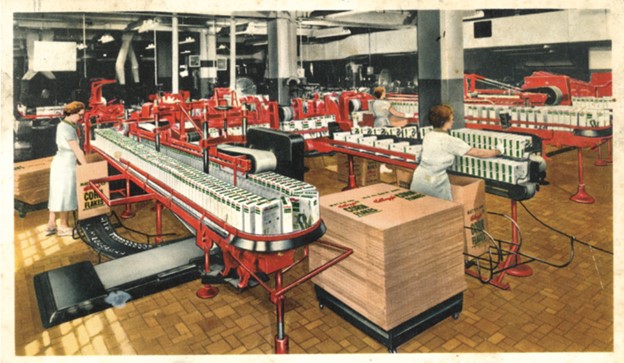
Assembly line work can be more fun and less repetitive than building cars. My family and I visited the Kellogg’s (cereal) factory in Battle Creek, Michigan in the early 1970s. The smell of cooked corn flakes might’ve turned a kid’s nose but the tour was the next best thing to Willy Wonka’s. You’d don a Kellogg’s paper hat and read the colorful brochure story about how “this little kernel went to Kellogg’s… first it was milled… then it was flavored…”. Then you’d walk the assembly line of breakfast cereal, from cooking all the way to box filling. The best part was at the very end, where you’d get free samples of all your Kellogg’s favorites, and postcards so you could brag about the place to your friends. Alas, like many manufacturing facilities, safety and espionage concerns brought an end to the Kellogg’s tours in the mid-1980s.
 At least I could watch assembly lines on TV after that. How It’s Made was my kind of show. The Canadian documentary spent years creating virtual factory tours so viewers could see the ins and outs of manufacturing processes. In a single episode you’d watch the dizzying mechanics behind the creation of everything from candies to clothing to cars. How It’s Made kind of gave you access where access wasn’t allowed.
Speaking of no access, the electric-engine version of the Ford F-150 – the “Lightning” – is produced in a plant where no tours are permitted (back to the espionage thing). Instead, you watch a short video of the process after you’ve completed The Rouge tour. How are the two F-150 assembly lines different? Several thousand humans. The Lightning production is almost entirely automated, with robotic machines hovering over the vehicles as they come together. Our tour guide said the assembly line is eerily quiet, since a robot doesn’t require a banging mallet to add on a taillight cover.
 For all my fascination with assembly lines and automation, I wonder whether “loss of humanity” is really the way to go. All those jobs at The Rouge would disappear. Machines would be one step closer to taking over the world. Suddenly “handmade” sounds better than ever.
Some content sourced from the Michigan Blue article, “Visiting the Kellogg’s Factory”, and Wikipedia, “the free encyclopedia”.
 Life In A Word