
Let’s talk about apricots. If you read my last post, apricots are the last topic you’d expect in a series about a Viking River Cruise. But fate played a hand when our ship only got a taste of the Danube River (while others were literally underwater), so I suppose we needed to satisfy our appetites on something else instead. Like apricots.
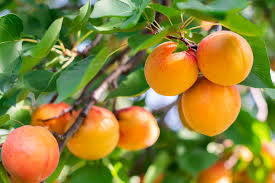
I don’t associate apricots with Austria at all (how about all the “a” words in that sentence there, huh?) Austria is more about snowy Alps, Mozart, and the hills coming alive in The Sound of Music. So it was something of a surprise to find myself on a hot, sunny day, standing in an apricot orchard in Krems, Austria. Almost floating above this little riverside town, you’ll find the fruit trees on the property of a Benedictine monastery known as Göttweig Abbey.
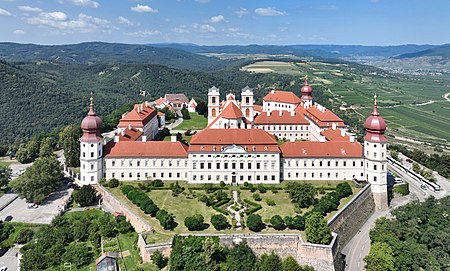
Göttweig is an impressive complex of buildings, and even more impressive for its lengthy history. The Abbey was built in the 1100s, rebuilt larger after devastating fires in the 1500s and 1700s, and survived relatively intact after the Nazi occupation of WWII. Its library contains 150,000 books and papers, and its main structure houses the largest Baroque staircase in Austria. But who cares about all that, I hear you saying. Tell me about the apricots, Dave!
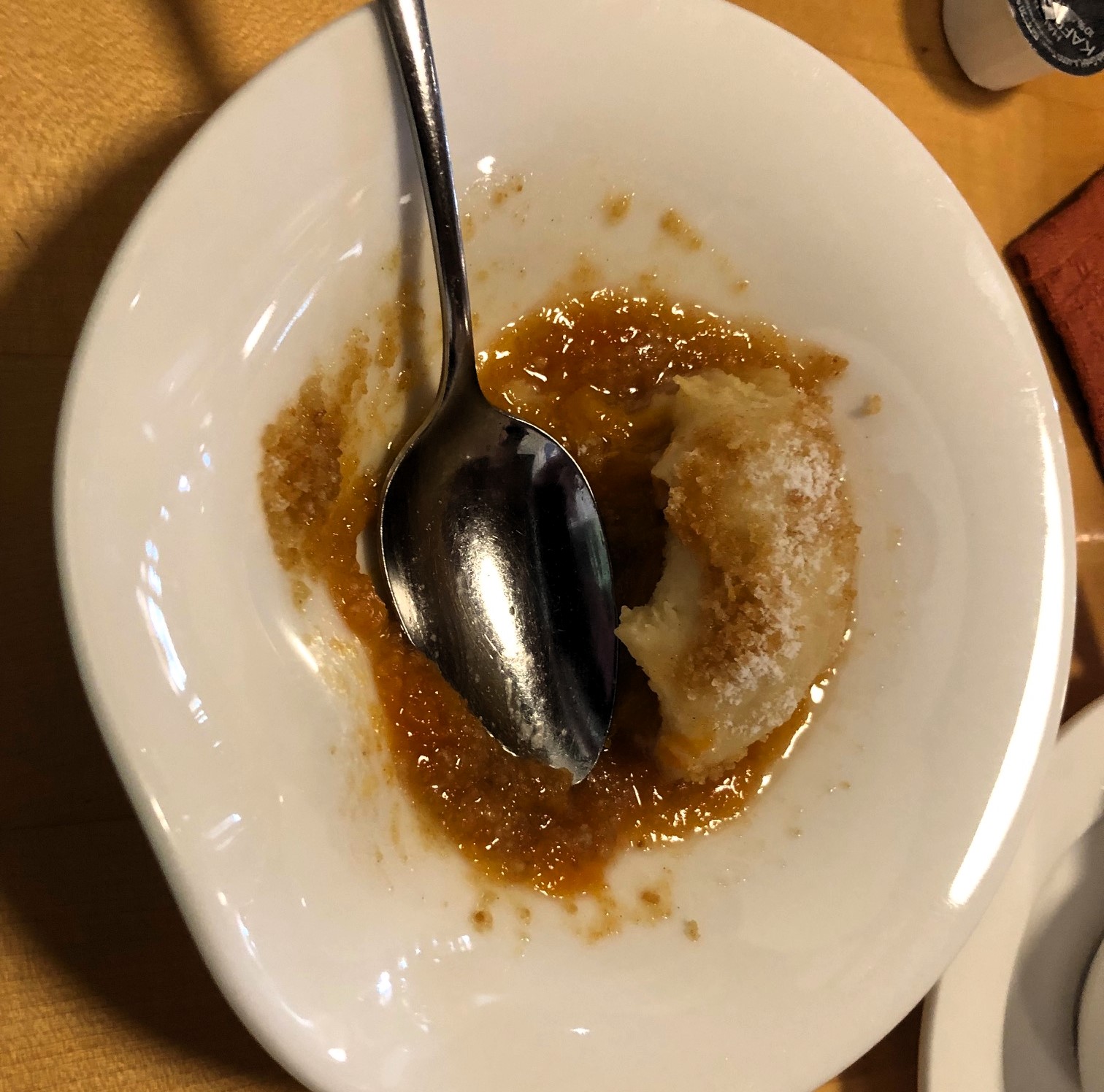
Let it be said; Göttweig brought apricots back to life for me. The Abbey tour starts in its apricot orchard, where we saw the trees up close, on the verge of harvest time. The tour ended with a short class on making apricot dumplings (unquestionably as scrumptious as they sound: a whole pitted apricot wrapped in puff pastry, topped with vanilla-apricot sauce, served hot). And the gift shop… oh my, the gift shop. Shelf after shelf of everything apricots, from syrups to jams to cookies to candy. Even better, you’ll find a tasting bar for several varieties of Göttweig apricot wine and brandy (also available for purchase, of course).

When the tour took us to a little theater for a short film on Göttweig’s history, one of the monks (at least, I think he was a monk) served us apricot juice in tall glasses as a refreshment. It was the proverbial nectar of the gods… and I time-traveled to my childhood instantly. My mother served apricot juice at breakfast occasionally, and I remember never really caring for its sweet/tart taste. Guess I’ve grown up since then. This juice was so delicious my wife and I are already in hot pursuit for a bottle here in the States. Not something you’ll find in your ordinary grocery store.
[Blogger’s note: Don’t take “Göttweig” for a spin on Google Translate. Our tour guide said they’ve never known the meaning of the word. Google Translate doesn’t either (but its guess is a little ironic).]

Here’s a strange word you should associate with apricots: drupe. It’s another word for stone fruit; as in, fruit where the flesh surrounds the pit. So apricots are drupes, as are cherries, peaches, nectarines, and plums. Even dates join this pit-y party.
Here’s another word you should associate with apricots: orchard. There’s nothing more frustrating with the English language than two words with essentially the same definition. So it is with orchard and grove. Technically there’s a difference. If your apricot trees are planted in neat rows with the intent of commercial production, you have an orchard. If you’re walking through the forest and come across a natural stand of apricot trees, you’re in a grove. But c’mon, if all that is true then why do we say “apple orchard” but “orange grove”? Sigh…

I wouldn’t care if I had an orchard or a grove as long as I had apricot trees. I’m not really a peach or plum fan, but man I love the taste of apricots. As a kid I also loved them dried, because they were so sweet they might as well have been candy. But the adult version of me chooses the fresh fruit instead. And now the juice.
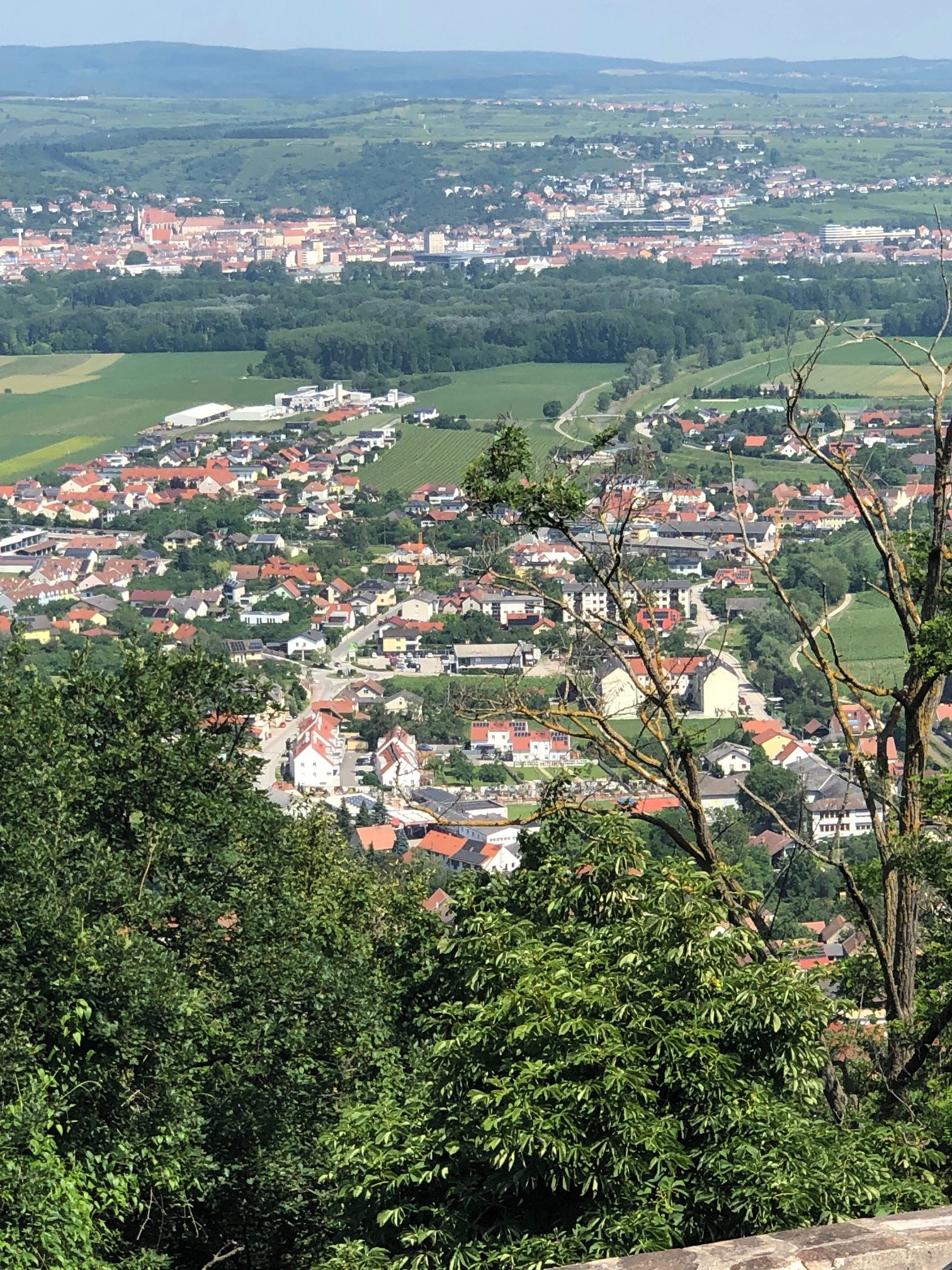
Some of you more adventurous (and/or Christian) souls may be interested to know Göttweig Abbey lies on one of the routes of the Camino de Santiago, the soul-searching network of the Way of St. James. A tall glass of apricot juice would be most refreshing along the 1,100-mile pilgrimage to the coast of Spain. Of course, you don’t need to walk that far for the taste of apricots. Just mosey down to your local grocery store, because they’re in season now. Maybe you too will discover newfound appreciation for “monk fruit”.
Some content sourced from Wikipedia, “the free encyclopedia”.
 Life In A Word