Renaissance Man

In the second movement of Antonin Dvořák’s New World Symphony, the orchestra settles down as the English horn begins its soft, wailing solo. You’ve heard this famous lullaby in one version or another, but never more powerfully than in the “Largo” movement of Dvořák’s symphony, with the strings and woodwinds providing the sweeping background (~45 seconds into the following video). It’s one of my favorite classical pieces, and my performance is flawless every time I play it.  Play it in my head, that is.

I’ve developed a satisfying habit over the years which you might share (or at least, be willing to try).  Think about something that interests you, or an activity in which you like to participate.  Over time you’ve developed a fair understanding of your subject, though your level of knowledge and skill would never qualify you as a professional.  But what if it did?  What if you suddenly had the smarts or the talent to find yourself among the world’s best?  Wouldn’t your life be wildly different?

My years of piano lessons never propelled me anywhere close to the ranks of “professional” or “best”.  I never even advanced beyond the piano’s foundation to pursue an instrument like the English horn.  To do so would’ve meant a wholly different direction in life.  More practice and lessons instead of time spent with friends or years in the Boy Scouts.  A different college or at least a different degree.  Competitions.  Travel.

Music eventually gave way to an interest in sports and soon I found myself on the basketball court more than in front of the piano keyboard.  I’d practice endlessly at our backyard hoop, imagining myself making game-winning shot after shot.  I did play a couple of years of JV ball in high school and went to college games at nearby UCLA.  But my skills never developed to the varsity-, let alone college-level.  Was I infatuated with basketball at the time?  Yes, but I also knew early on I’d never be one of the greats.

You’re starting to see a pattern here and it continued in college.  I studied architecture (“I’ll be the next Frank Lloyd Wright!”) but only spent the first few years of my career in the field.  I had a good run with info technology companies (“Bill Gates!”) but never developed the level of expertise to be labeled a “techy”.  I write these weekly blog posts (“John Grisham!”) but have no plans for the next Great American Novel.

Here’s my point, and maybe you never saw it coming.  I find all of this dabbling and dreaming incredibly satisfying.  My interest in a subject or activity wanes well before it becomes an obsession, and then I simply move on to the next thing vying for my attention.  Why do I behave this way?  Two reasons.  First, I prefer to be a jack of all trades (or a master of none, if you will), not a virtuoso.  Second, more importantly, I am far too content with my life as it is to ever be tempted by the sacrifices necessary for the pursuit of singular success.

Michelangelo’s “David” 🙂

There’s a complimentary phrase for people like me: Renaissance Men.  We hearken back to the great thinkers and artists who came along just after the Middle Ages; Leonardo da Vinci and Michelangelo, for example, with “unquenchable curiosity” and “feverishly inventive imaginations”.  Mind you, I can’t paint like da Vinci or sculpt like Michelangelo, but my curiosity and imagination may run just as rampant.  The modern Renaissance Man, in a nutshell, has “broad interests” and “superficial talents”.  Me to a tee.

Playing in my head

The next time I hear Dvořák’s “New World Symphony”, I’ll think about playing the English horn.  Maybe I’ll sign up for lessons and eventually get good enough to play the “Largo” movement.  Maybe then I’ll join the local orchestra so I get the chance to perform in front of a live audience!  Yeah… probably not. Long before my much-anticipated stage debut, some other activity will vie for my attention and off I’ll go.

Some content sourced from Wikipedia, “the free encyclopedia”.
(Not far from) Madding Crowds

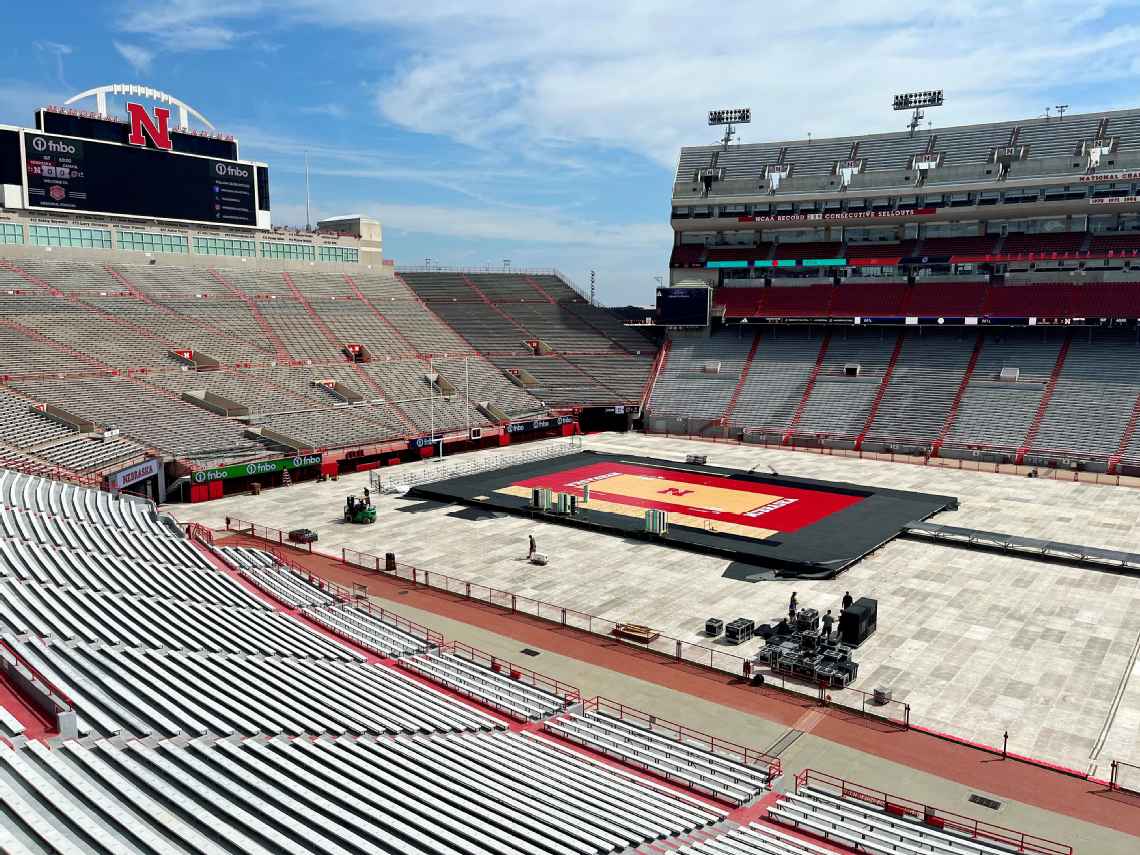
Last night, the University of Nebraska women’s volleyball team played the fourth match of their 2023 campaign. College volleyball doesn’t get much coverage sharing seasons with (American) football, but this match made the sports headlines for several reasons. One, it was played outdoors. Two, it was played in Nebraska’s massive Memorial Stadium (normally a football venue). And three – most notably – the Huskers brought home the straight-sets win in front of 90,000 riotous fans… at $25 a ticket.

Volleyball instead of football

I know what you’re thinking.  How do you get 90,000 people to cough up $25 for a college volleyball match?  Well, it helps to throw in a country music concert for starters.  Then add a second match to double the volleyball (Nebraska-Kearney vs. Wayne State).  Finally, most importantly, let fans know they just might break the regular-season attendance record for a women’s volleyball match… the same attendance record that volleyball rival Wisconsin stole from Nebraska just last season.

Memorial Stadium on any given Saturday

It fascinates me to read about sports competitions played in front of massive sold-out stadiums, weekend after weekend.  Nebraska has filled those same 90,000 seats for every Husker football game for the past sixty years (making the venue the “third-largest city in Nebraska” for several hours each Saturday).  Michigan’s Wolverines compete in the largest college stadium in America – 108,000 seats – with every seat taken more often than not.  And like Nebraska’s volleyball match last night, my fascination is not just with the number of fans but also with how much they’re willing to pay.  I’m in the market for tickets for my beloved Notre Dame; the football team headed to nearby Clemson later this season.  Unless I’m looking for a nosebleed I’ll be paying north of $450 no matter where I sit.

My weekends are busy so I’m lucky to watch a football game on TV, let alone attend one in person.  Yet every Saturday (and Sunday with the NFL) you have tens of thousands of fans gladly opening their wallets and purses to do just that.  It’s a loud, colorful thread (rope?) in the fabric of American society.

Denver’s “Coors Field”

Major League Baseball (MLB), with an average of 45,000 seats per stadium, is even more confounding to me.  In an endless spring-summer season of 162 games, half are played at the team’s home stadium.  The majority of those seats are taken by season ticket-holders.  With an average ticket price of $36 you’re handing over $3,000 for the season before you’ve even seen the first game.  Besides, who has the time to watch so many baseball games (mostly at night)?  Do what my friends back in Colorado do: split the season ticket in half with another fan and sell most of the tickets to family and friends.  You’ll make a small profit and still go to as many baseball games as you can stomach.

My appetite for baseball games is about two a season; that’s it.  Frankly I enjoy sitting outside in the summer air beside a friend as much as I do the game itself.  Otherwise, keep me far from those madding crowds.  The investment of time, money, effort (and sometimes hassle) to watch a game in person is almost always won over by the convenience, commentary, and cameras of television.

San Diego’s “Rady Shell at Jacobs Park”

Of course, this is sports we’re talking about.  If the topic was music and concerts, my post would take on a decidedly different “tone” (heh).  Tempt me with a chart-topper from the 1980s – Billy Joel comes to mind – and I’d give up the time and money to see a live performance.  Even better, dangle classical concert tickets in front of me, such as the San Diego Symphony at its cozy waterfront bandshell, or a summer concert in the outdoor gardens of Vienna’s Schönbrunn Palace (see below video).  Classical concert crowds are not nearly as madding as those for sports.

Nebraska is a five-time national volleyball champion

About that regular-season attendance record for a women’s volleyball match.  Wisconsin set the bar with an impressive 16,833 fans last season by filling its basketball arena.  Nebraska’s official tally last night was 92,003 fans… more than five times as many (on a Wednesday night, no less).  Way to crush those rival Badgers, Husker Nation.  That’s what I call a madding crowd.

Some content sourced from the ESPN article, “How Nebraska volleyball plans to pack Memorial Stadium”, and Wikipedia, “the free encyclopedia”.

Lack’n Keys

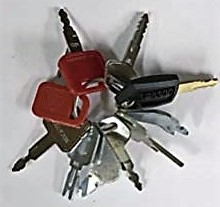
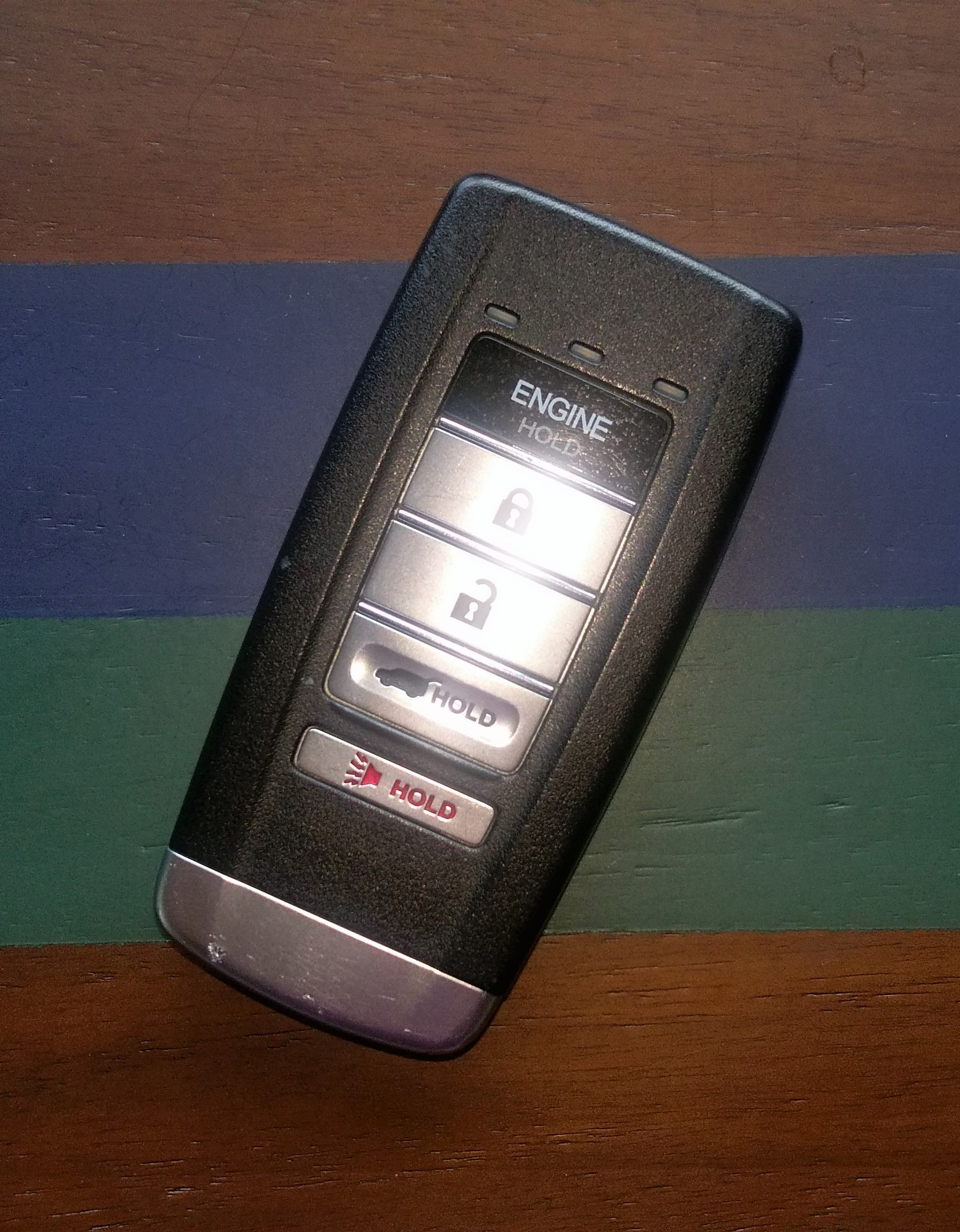
Walking out the front door, I can count on one hand the items I typically carry. I always wear a watch, choosing between a stylish timepiece and a fitness tracker. I pocket a slim leather wallet on my left, containing a minimum of cards and ID. I stash a handkerchief on my right, an acquired habit to handle life’s unexpected messes. My cell phone goes in my back pocket, but really, I’m just shifting it from one location to another (house to car, car to office, etc.)  Finally, I pocket a ring of jingling keys… or should I say “key”… or should I surrender to: “remote transmitter”?

Before

After

Key rings (or chains), still found by the eye-catching dozens at souvenir shops and car washes, used to be a symbol of status.  The more occupants on the ring, the more important the man.  Add on a colorful fob – perhaps boasting of a car brand or a sports team, and your key ring spoke volumes.

At the height of my own “importance”, I carried six keys: two for the cars (mine and my wife’s), and one each for the house door, office door, office file cabinet, and safety deposit box.  Each key had its own character, which made the collection even more interesting.  The house key contained a little light you could shine on the lock when it was dark.  The office cabinet key had a tubular shape.  The safety deposit key was flat and ancient (the senior member of the ring) and required a companion key from a bank teller to open the box.

First toy for our granddaughter

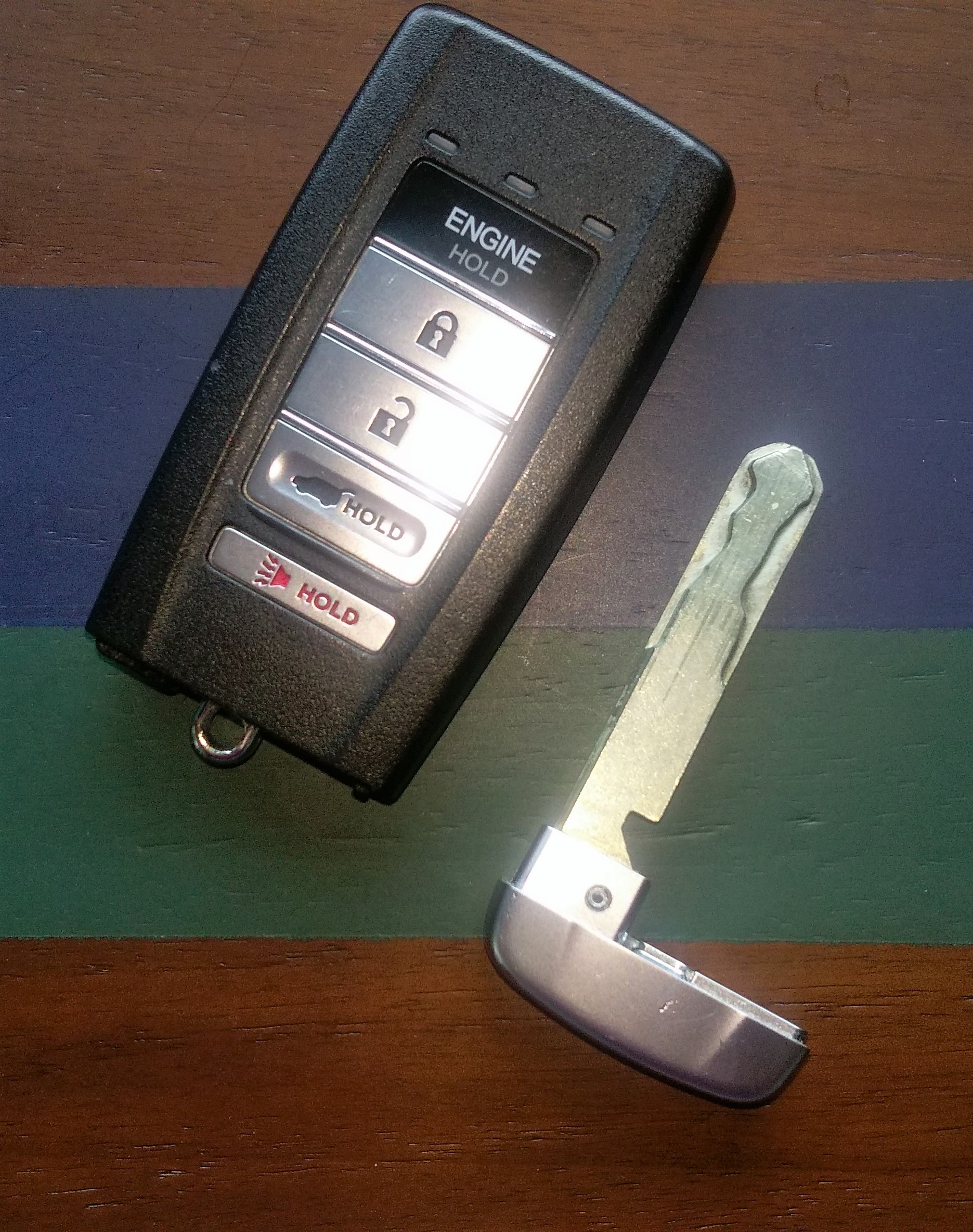
Alas, my key ring is now retired.  In its place is Mr. Remote Transmitter; technology’s answer to key-free cars.  The house door sports a lock with an electronic keypad.  Both office keys went away the day I began working from home.  My wife’s truck key shifted to a drawer in our foyer, in case hers gets lost.  And Mr. Flat-and-Ancient retreated to the home safe; a more prudent location than on a ring in public.

Keys carry a certain mystique in knowing they open something, which is why I miss them.  They also bleed a little nostalgia.  When I was a kid, I carried a tubular key for the lock securing the only vehicle I owned at the time – my bicycle.  When I practiced piano, eighty-eight black-and-white keys beckoned to make music.  When I played basketball, I never went far from the court “key”.  A childhood trip to Baltimore’s Fort McHenry taught me the origin of America’s national anthem…. and therefore about Francis Scott Key.

See why it’s called “the key”?

Keys also appeared in college.  Studying architecture introduced me to the keystone (the central block or other piece at the apex of an arch or vault).  Working architectural drawings always included a table-of-contents “key”, deciphering the symbols and acronyms on the greater page.

(Not-so-random thought: how did I never listen to the soul-filled R&B music of Alicia Keys?)

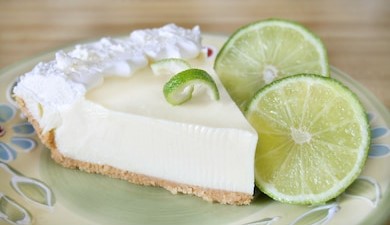
The “real” version requires Florida Key limes.

When I first met my wife, the keys kept coming.  Her family owned a home in the Florida Keys (small, low-elevation, sandy islands formed on the surface of coral reefs).  When she and I moved to Colorado, we flirted with the idea of a ski condo – in Keystone of course.  Our 25th wedding anniversary in Ireland included dinner at Dublin’s “Quays” Restaurant (pronounced, yes… “Keys”).  Also credit my wife for gifting me the most important key of all:

A lifetime of keys makes me a sad I’m “lack’n” them today.  But that’s not quite true, is it?  I spend most days clicking away on my computer keyboard, after all.  Even better, my remote transmitter contains – behind all that technology – a modest little back-up key.  Nice to know I’m still carrying.

Some content sourced from Wikipedia, “the free encyclopedia”.

Winning the Big One

U.S. News & World Report just ranked Denver and Colorado Springs high on its list of “best places to live” in America.  Apparently the job market, cost of living, and quality of life in the Rocky Mountains leaves little to be desired.  To add to the accolades, the Broncos just won the Super Bowl.

sequestered

Before you say “Honey – pack up the kids!  We’re moving to Colorado!”, you must pause if you’re a sports fan.  Sure, that Lombardi Trophy is shiny and new and will feed Denver’s ego for the rest of the year.  But it sure is lacking for company.  If the State of Colorado had a trophy case for professional sports, the Lombardi would almost find itself in solitary confinement.  Sequestered.  You might even feel bad for it.

Denver wasn’t even supposed to win this Super Bowl.  Fans from North Carolina (and frankly, anywhere outside of Colorado) never gave us a chance.  But we’re used to it out here.  Denver and Colorado are perpetual underdogs when it comes to sports championships.

The Super Bowl win got me curious, so I spent a few hours researching Colorado’s professional sports franchises (Wikipedia is my new best friend).  I desperately wanted to use the phrase “a list of championships a mile high“.  Far from it.  To be honest I had to dig deep to find any noteworthy performances.

To spin it positive, Colorado might earn your envy for being one of only thirteen states where the four major professional sports are represented.  whoop-dee-doo.  The last time the Broncos won the Super Bowl was last century.  The one and only time the Avalanche (hockey) won the Stanley Cup was 2001.  The last time the Rockies (baseball) won the World Series was never.  But at least the Rockies made it to the World Series .  The Nuggets (basketball) started play in 1967 and fifty years later we’re still waiting for a spot in the Finals, let alone an NBA Championship.

To add a miserable exclamation point to Colorado’s track record, the Nuggets will once again miss the playoffs this year (it’s a tradition), the Avalanche are battling a half-dozen teams for the very last playoff slot in the Western Conference, and the Rockies… well, the Rockies haven’t even begun the new season yet they’re projected to finish in last place in the National League.  Go COLORADO!

My Wikipedia search – ever more desperate – moved on to college championships.  Colorado’s six D1 schools have accounted for a grand total of one football championship in their entire un-storied histories (Univ. of Colorado, 1990).  None of these schools have come anywhere close to tasting college basketball or baseball glory.  But then, mercifully, we have hockey.  On the college ice the Centennial State shines.  Denver University and Colorado College have combined for nine hockey championships; the most recent in 2005.  I need to become a better fan of the puck.

If you’re reading from California, Massachusetts, Texas, or Florida, you feel none of my pain.  Each of you can account for five, ten, even twenty professional or college sports championships in the last fifteen years alone.  But if you’re reading from Georgia or Washington D.C., you’re pitching the proverbial championship shutout.  You have my sympathies.

On the heels (hooves?) of the Broncos’ Super Bowl victory, Peyton Manning hung up his cleats for good – a justified decision.  But Peyton’s backup just signed with the Houston Texans.  In fact, several marquee Broncos have already left the state for other (better?) teams and higher salaries.  Sigh.  Back up the truck boys; the Lombardi Trophy is heading to another state soon.  Let Colorado’s next sports championship drought commence.

So go ahead sports fans – move to Colorado.  But I suggest you follow soccer.  The Colorado Rapids have only been kicking for twenty years and they’ve already made the finals twice and won the whole thing once.  Go RAPIDS!