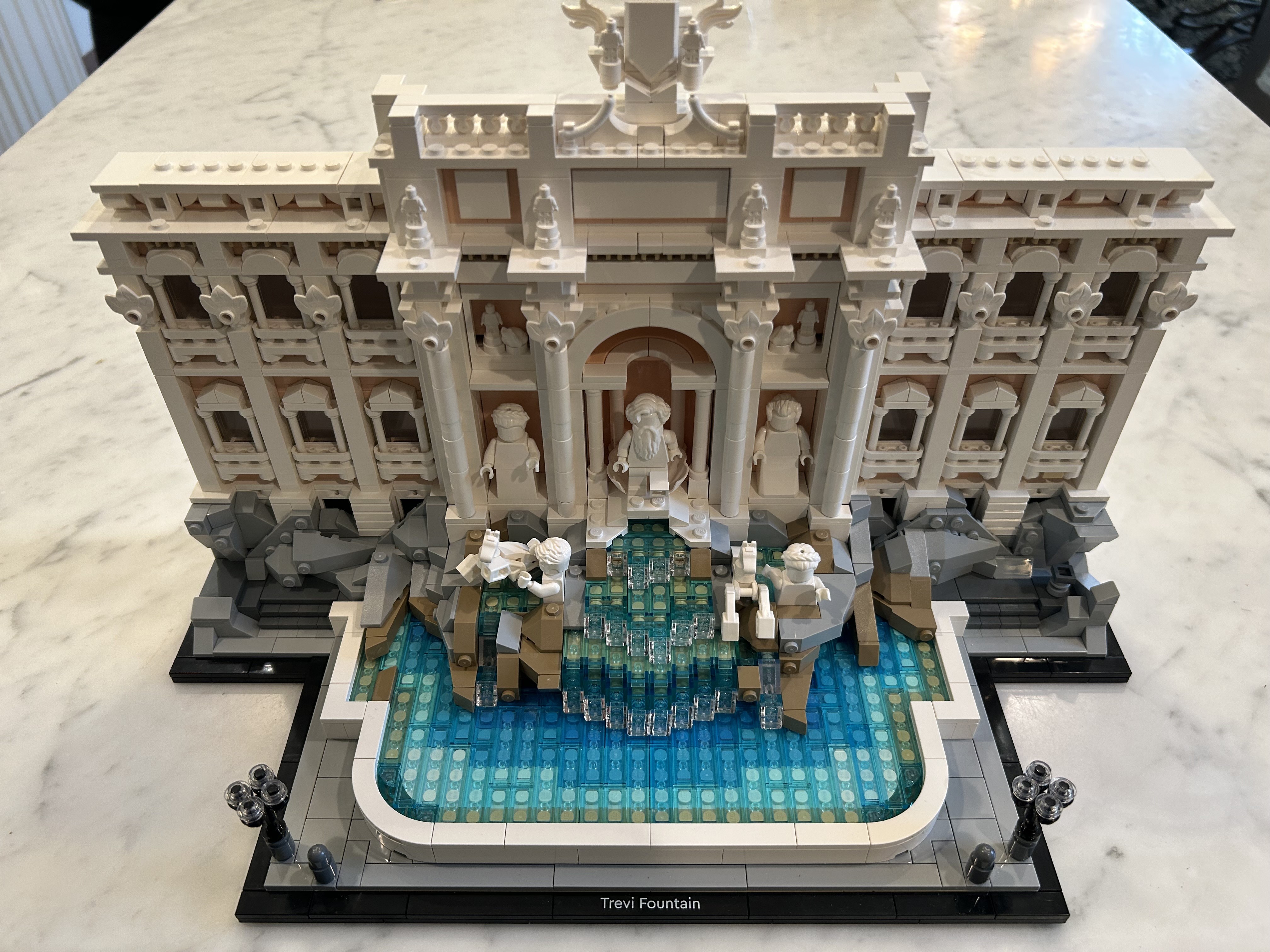
A little over two months ago we set out to do the impossible: construct one of the world’s great fountains in time for Christmas. Today, a day before our self-imposed deadline we put the very last piece of travertine in place. Okay, so this Trevi Fountain is made of LEGO and we’re nowhere near Rome but still, we’ve had a nice little adventure from start to finish.
As is the case with many of LEGO’s models, the final pieces are meant for flourishes and ornamentation. Bag 14 – of 15 bags of pieces – focused entirely on the top center structure you see here. Everything was completed in a cool 23 minutes, finished off by the careful placement of those four tiny statues.
Today’s musical accompaniment was fitting. I chose Gabriel’s Oboe, a short but beautiful instrumental some of you may recognize from Amy Grant’s “A Christmas to Remember” album. It was actually written by Ennio Morricone for the movie The Mission. I listened to it twice. Then I went with Luigi Boccherini’s Minuet from his String Quintet in E Major, which some of you may also recognize from movie scores. I listened to it thrice. Finally, I concluded with Vivaldi’s The Four Seasons (though of course, only with the “Winter” movement).
Gotcha!
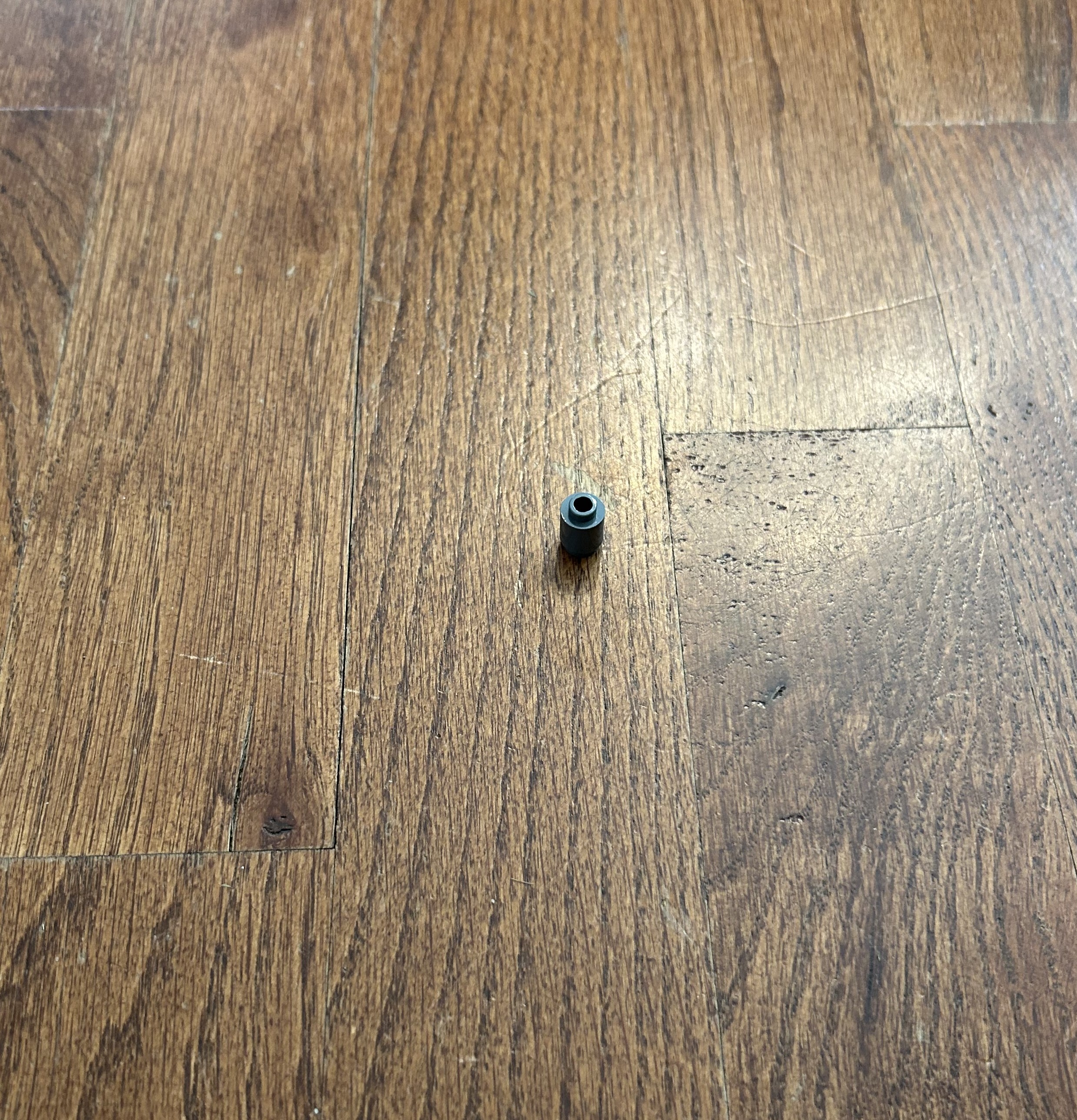
Bag 15 – the final bag of Trevi LEGO pieces – was an adventure from the get-go. Thirty seconds after spilling the pieces onto the counter I heard a tiny “tap tap tap” on the kitchen floor, the exact sound of a LEGO piece skittering away. Sure enough, way over by the frig, the little guy was standing there looking up at me with a devilish grin. He’d rolled way, way across my kitchen counter and dropped to the floor before attempting his escape. Again with the runaway pieces, sigh…
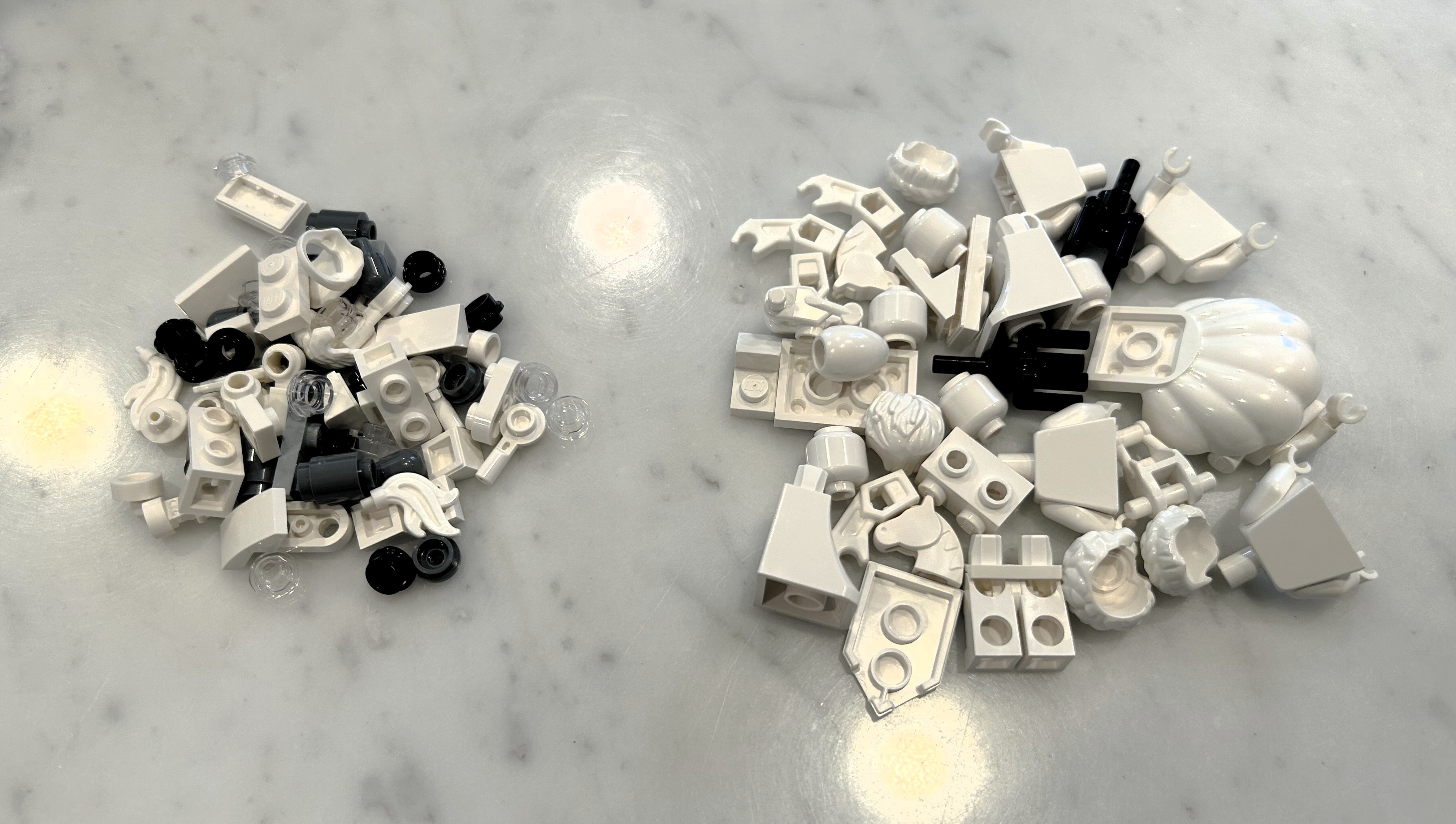
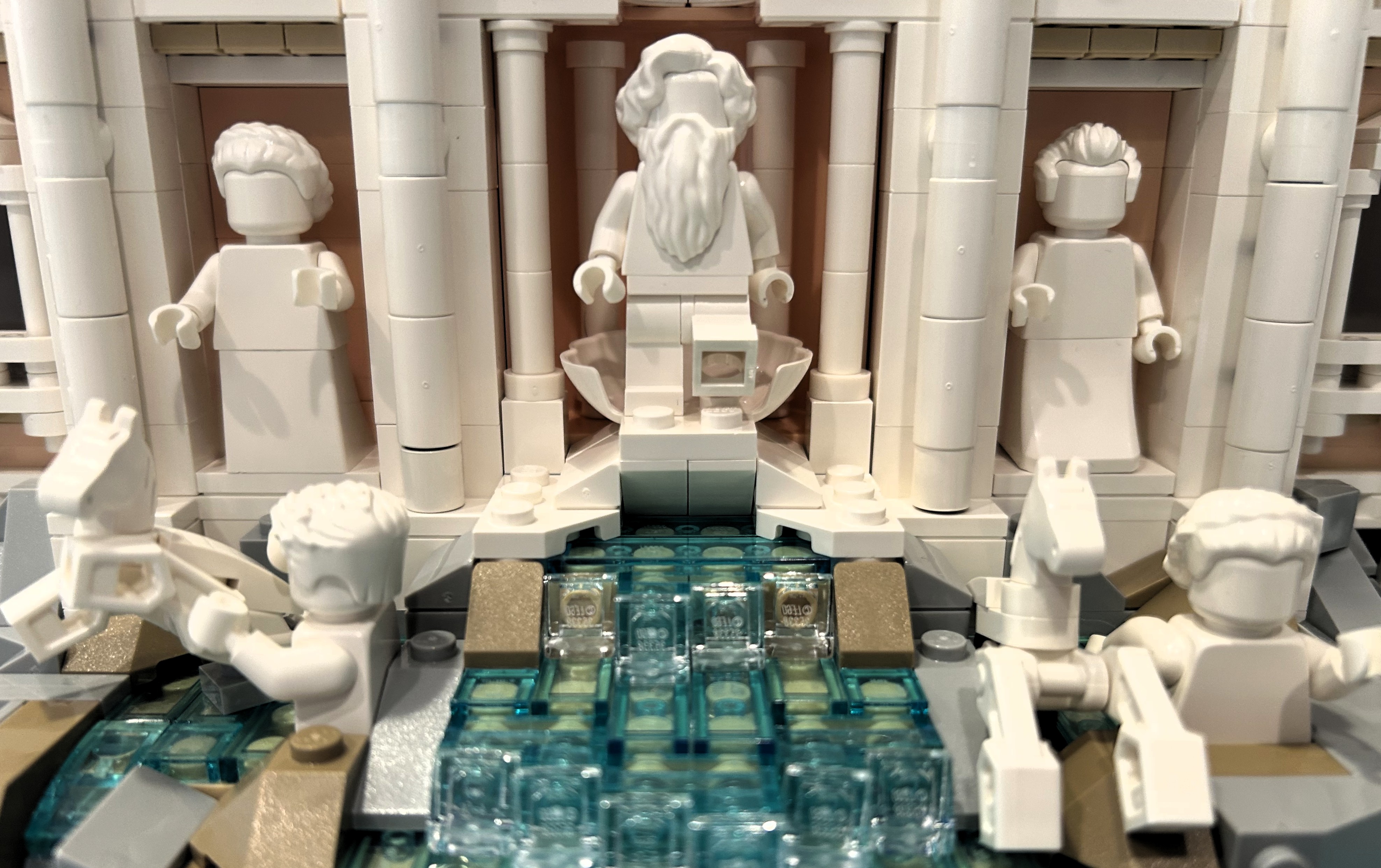
The statuary of the Trevi is impressive and the LEGO equivalent is kind of fun. If you look carefully in the piles of pieces above you can see hairpieces, torsos, and horse heads. Fully assembled and installed, it’s quite the collection of humans and animals in and among the rushing waters.
Finally, here’s an interesting coincidence of timing. In just over a month – for the first time in its history – you’ll have to pay $2 to see the Trevi up close. The fee is designed to reduce the overwhelming flow of tourists in front of the fountain. A fee just to see a fountain may sound nit-picky but a trial run showed it works well to reduce the chaos. Trust me: pay the $2, spend as much time front and center as they’ll allow you, and gaze upon one of the sculptured marvels of Ancient Rome. I think you’ll agree; the Trevi Fountain is a triumph in travertine.
I’m enjoying a couple of soft-boiled eggs right now, my every-other-day breakfast entrée. The timer I use to prepare them sits right in the pot of water, indicating when the eggs are cooked to perfection. I pay a little more than average for my eggs, to producer Vital who advertises “pasture-raised – tended by hand by farmers who care”. On the other hand, if I wanted to pay a lot more than average I’d simply go to a rare goods auction and buy one from Fabergé.
“Gatchina Palace” Egg
You wouldn’t have a Fabergé egg for breakfast, of course. No one would ever sink their teeth into a priceless work of art (well, maybe a banana), let alone one of only fifty that were ever created. One of the Fabergés – the “Winter Egg” – went under the auction block last week, with the winning bid confirmed in a mere three minutes. The buyer’s purchase of a single Fabergé for $30.2 million dollars is a new record; noteworthy considering how many times the eggs have changed hands in the last 140 years.
“Catherine the Great” Egg
I can’t say why we Westerners even know about Fabergé eggs. Most hide in private collections or in museums you’ve never been to. The eggs were created in St. Petersburg, Russia in the late 1800s by jeweler House of Fabergé for the reigning tsars of the time. One or two eggs were produced every year as exquisite Easter gifts, from 1885 through 1917. Most are jeweled with diamonds and other precious gems, and hinge open to reveal delicate animals or scenes within.
The Winter Egg (1913) is described as “the most spectacular, artistically inventive and unusual” of all fifty Fabergés, which is quite a statement when any one of the eggs deserves the same praise. The Winter Egg took almost a year to design and create, and the value is evident in the details. 4,500 tiny rose-cut diamonds are married to a platinum snowflake motif to create the impression of a block of ice dusted with frost.
“Winter” Egg
The Winter Egg hinges opens to reveal a hanging basket of wood anemones, made from white quartz and rare green “Tsavorite” garnets. I can’t imagine working with these expensive materials on such a small scale but maybe that’s because I don’t have the delicate fingers of a woman. The Winter Egg was designed and created by Alma Pihl, the only female jeweler in the House of Fabergé.
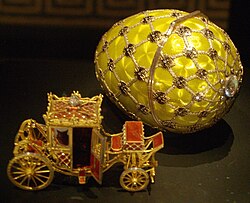
“Imperial Coronation” Egg
On a cruise around the Baltic Sea several years ago, my wife and I were fortunate to spend a couple of days in St. Petersburg, touring Catherine Palace and Peterhof among the city’s other sights. When we returned to the ship we were greeted by a local jeweler, who offered replicas of the Fabergés (for less than $32M, thank goodness). We chose the Imperial Coronation Egg (1897), inspired by the color of Tsar Alexander III’s robe. The Coronation Egg houses a replica of the imperial carriage, made with gold and platinum and detailed with rubies and diamonds (the original egg that is, not ours).
After learning a single egg can set you back $32M, I now look at my breakfast eggs a little differently. $10.99 a dozen? That used to be top of the heap. Now it’s just pocket change.
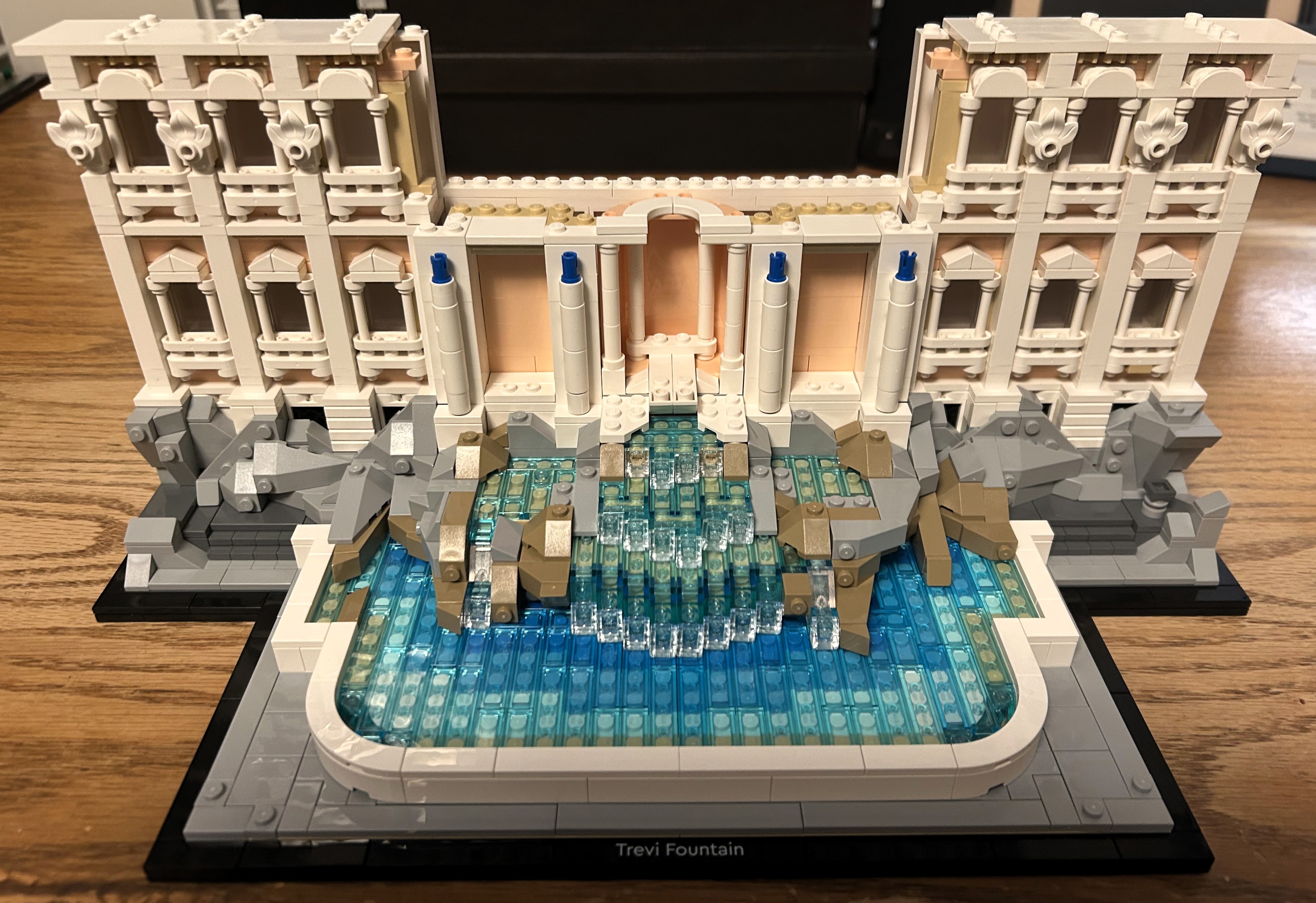
There’s a moment in every LEGO build where you look at what you’ve constructed and think, Hey, I’m almost done! That moment was today. Bags 10 and 11 – of 15 bags of pieces – brought the structure of the Trevi Fountain to new, practically finished heights. The tiny, tiny pieces I worked through (so many of them I was afraid to count) resulted in the uppermost level of the backdrop you see in the final photo.
Bag 10
From my magic hat of Italian composers I somehow chose Claudio Monteverdi for my musical accompaniment today. You don’t know Monteverdi and apparently I don’t either. Had I realized his contribution to classical music was mostly opera (hard pass) I would’ve reached into the hat again. Alas, I was subjected to Monteverdi’s L’Arianna “lament” – equal parts sorrow, anger, fear, and so on. Those singers sure didn’t sound happy as I snapped together LEGO pieces, but honestly who knows? I don’t speak “sung” Italian.
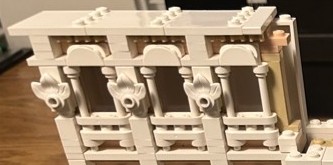
mirrored element
Here’s an expectation with a symmetrical LEGO build. If you construct an element that goes on one side of the model you’ll be mirroring it on the other side before you know it. A hundred or more pieces went into the windowed wall you see here, and a hundred more went into its twin soon after. It’s repetitive yes, but at least you go faster the second time around since you just had practice.
A word about the little devils in this photo. Because they’re cylindrical they can roll. Because they roll they can hide under something. Something like a LEGO instruction manual. Once again I was fooled into thinking I was missing pieces… until I thought to look under the manual. Sure enough, there they sat just smirking at me. So I promptly arrested and cuffed them, hauled them away, and now they’re jailed in the backdrop you see here, without possibility of parole.
We’re just four bags of LEGO pieces from “turning on the water” of the magnificent Trevi. I’ll admit to peeking into the box at those upcoming bags. They are small, all four of them. Perhaps I’ll wrap the fountain construction in a single go next week. Even if not, conveniently, the final block of travertine would be laid the following week, just in time for Christmas. Now that’s what I call a gift!
Running build time: 5 hrs. 42 min.
Total leftover pieces: 32 (tiny, tiny pieces)
Some content sourced from the CNN Style article, “Faberge egg fetches record $30.2 million at rare auction”, and Wikipedia, “the free encyclopedia”.
In 1972, Billy Preston topped the Billboard Hot 100 chart with the catchy “Will It Go Round In Circles”. A year later, The Spinners spent five weeks at #1 on Billboard’s R&B chart with “I’ll Be Around”. More recently, Kacey Musgraves’ debut single “Merry Go ‘Round” won the Grammy Award for Best Country Song. All of which is to say, if I’m asked to celebrate “National Carousel Day” I have a great choice of theme songs for the occasion… played on endless loop, of course.
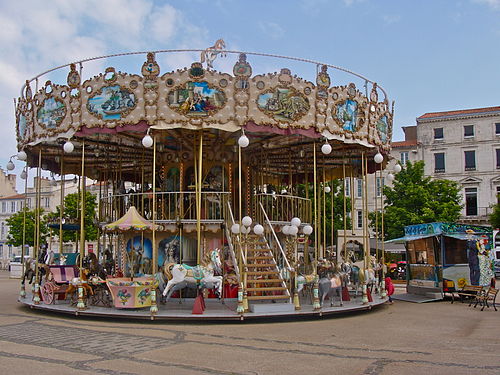
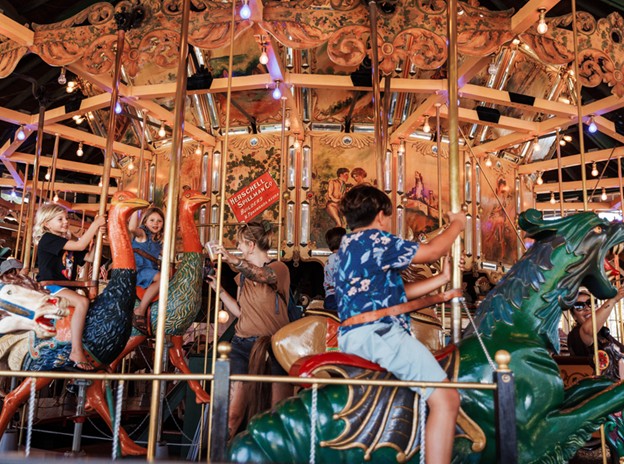
A double-decker!
National Merry-Go-Round Day (I prefer “Carousel”) was this past July 25th, as it has been every year since 2014. Did you skip it like I did? The holiday claims to “celebrate the carousel’s history and joy, particularly marking the first U.S. patent by William Schneider in 1871.” And to celebrate, we’re meant to visit a local carousel, go for a spin, and post pictures of ourselves doing so online. So we drop everything we’re doing on July 25th and climb on a wooden horse? National M-G-R Day doesn’t even rate as a Hallmark holiday (and don’t waste your time trying to find a card to prove me wrong).
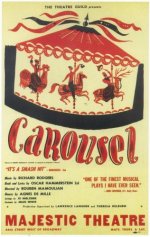
Contrary to my opinion about M-G-R Day, I think carousels are charming and a bit of innocent fun (other than those brass rings, which we’ll get to in a second). Carousels inspired memorable scenes in Mary Poppins and Big. Carousel was the Rodgers and Hammerstein musical that Time magazine deemed “the best of the 20th century”. The “Carousel of Progress” was (and still is) one of the more unique attractions at Disneyland. And of course, carousels led to those pipe and metal spinners we all played on at the park when we were kids.
Carousel is derived from the French word for “little battle”, which hints at why we’re riding them at all today. In 17th century Europe, equestrian tournaments included “ring jousting”, where the rider attempts to spear a ring-on-a-string with his joust as he flies by. To practice this sport without wearing out the horses, a clever soul invented the carousel, complete with wooden horses on poles and a real horse to pull the device in circles. Eventually carousels made their way into carnivals, and then to the prominent locations where you find them today.
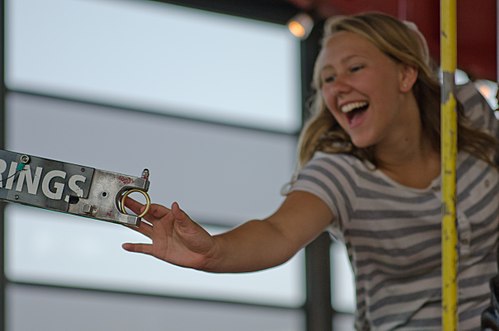
Care for a ring?
Now you also understand why early carousels had ring dispensers. They were a nod to ring jousting! The dispensers were filled with iron rings along with a few brass ones. If you were lucky enough to ride an outside horse and grab a brass ring (which is harder than it sounds as your horse goes up and down), you could exchange the ring for a prize or another loop on the carousel. For good reasons – safety being one – ring dispensers have been removed from most carousels today.
The people who came up with National M-G-R Day should’ve probably gone with “International”, because many of the world’s most distinguished carousels spin outside of the United States. The Carousel El Dorado in Tokyo, Japan, built in 1907, is the oldest amusement park ride still in operation in the country. The Lakeside Park Carousel in Ontario, Canada (1905) includes a self-playing organ that uses rolled sheets of music, rewinding one while playing the next. The Letná Carousel in Prague, Czechia (1892!) is one of the oldest in Europe, remodeled in 2022 but still housed in its original wooden pavilion.
Looff Carousel (1911)
America has its share of prominent “gallopers” as well. The Looff Carousel in Santa Cruz, CA is one of the few remaining with a ring dispenser, and entertains with the music of three organs. The Over-The-Jumps Carousel in Little Rock, AR (1924) simulates the natural movement of a horse instead of just going up and down on a pole. And the Flying Horse Carousel in Westerly, Rhode Island (1876!) is exactly as advertised. The horses are attached to the center spindle instead of the wooden platform, creating a better sensation of flying through the air.
Dorothea Laub Carousel (1910)
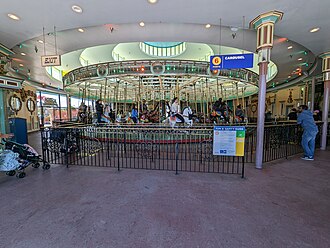
Okay, I have a confession. I had the perfect opportunity to celebrate National M-G-R Day just days after it happened this year. My wife and I traveled to San Diego with our children and grandchildren for a beach vacation and found ourselves in Balboa Park, home of the Dorothea Laub Carousel (brass ring dispenser!) If we hadn’t already worn out the little ones on a long walk through the Japanese Friendship Garden we might’ve made it to the wooden horses. But I’m not losing sleep about it. After all, National M-G-R Day will come ’round again next year.
Some content sourced from Wikipedia, “the free encyclopedia”.
Our annual summer vacations in San Diego have become a little more adventurous because of an increase in shark activity off the coast of California. I enjoy body surfing, but the thought of a pair of big, hungry jaws beneath the water’s surface gets my heart a-pounding. So imagine my shock when I really did have an encounter with a baby shark. Er, make those letters capitals. I meant to say “Baby Shark”.
My adorable two-year old granddaughter is just beginning to take off with her vocabulary. She can say “Mama”, “Dada”, and even “Chop! Chop!” when she wants us to hurry up. She also says “Bayba Shawk”… constantly, because she wants an adult to play the song for the forty-thousandth time. After three weeks on repeat I can’t get the darned thing out of my head. I need brain surgery.
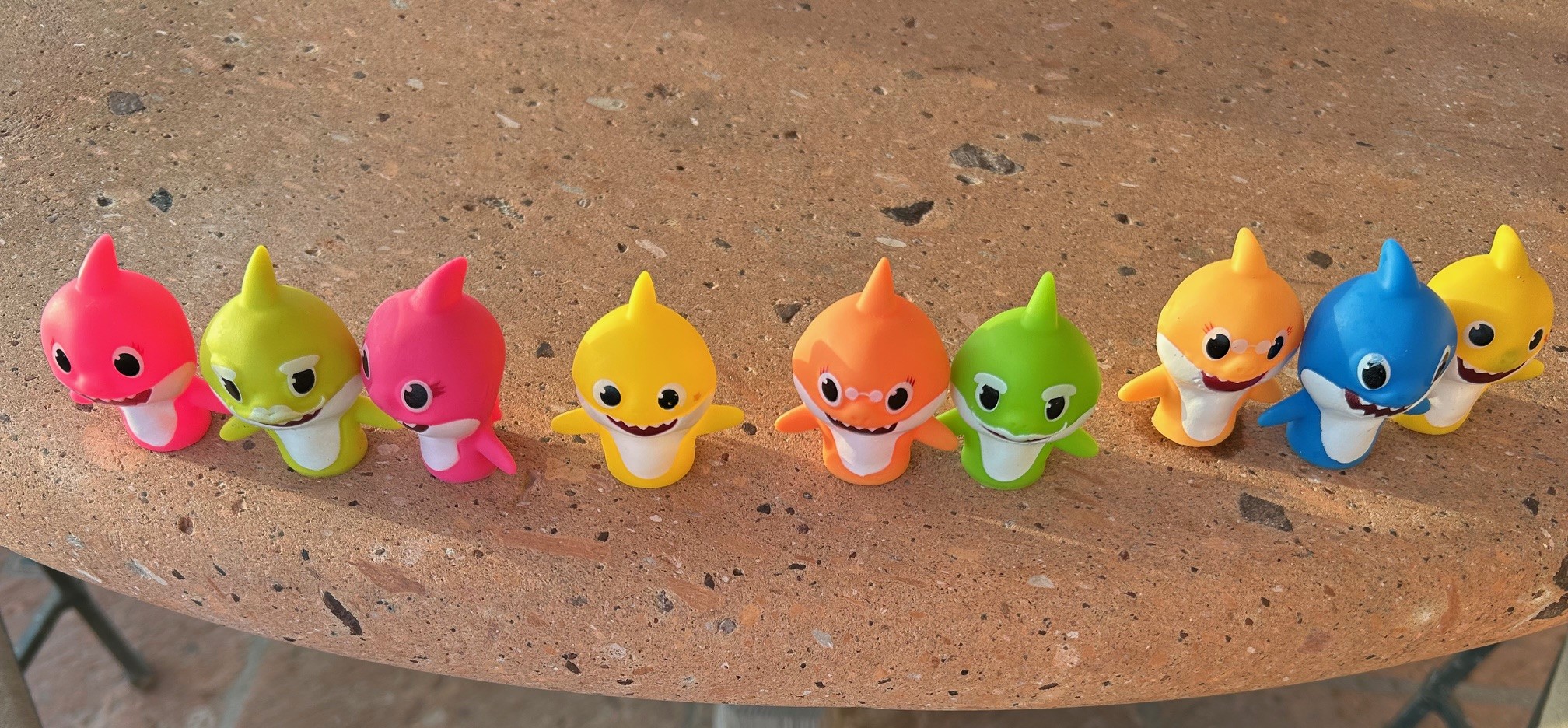
My granddaughter’s finger puppets
“Baby Shark” is the story of a little family of sharks hunting for fish. The fish get away and… that’s it. It’s not so much a story as an excuse to sing a verse about each family member: Baby, Mommy, Daddy, Grandma, and Grandpa. The first time I heard it (forty thousand time ago) I wondered, Why doesn’t Baby Shark have siblings? Where are his (her?) other grandparents? Aunts? Uncles?
Of course, it’s not really Baby Shark’s family that make the tune so addicting. It’s the “doo’s”… as in doo doo doo-doo doo-doo. You sing those six “doo’s” in every verse and that’s the part that gets into your head. Add in the accompanying up-and-down arm dance (imitating the jaws of a shark) and you somehow have a hit. More like a worldwide phenomenon.
If a children’s sing-song doesn’t get your attention, consider this. “Baby Shark” is the most-watched YouTube video of all time. I said of all time. If your guess would’ve been something by Ed Sheeran or Katy Perry or Maroon 5 you would’ve also landed in the Top Thirty, but nowhere near the top of the list. “Baby Shark” has been viewed over 16 billion times, more than twice the number as the runner-up. And that’s only for the version from South Korea’s Pingfong. The one by Cocomelon (a children’s YouTube channel) lands in twenty-third place with another four billion views.
The “Baby Shark Dance”
“Baby Shark” has been around longer than you might think. It showed up somewhere in the late 1990’s in the public domain. Then Pinkfong got ahold of it, created the 2016 video with cute little Korean kids, and the rest continues to be history. Coincidentally, a lawsuit was settled just this month where an American songwriter claimed rights to “Baby Shark”. He lost, but only because the song was still in the public domain when he created his version. You can’t blame him for trying; “Baby Shark” has generated over $150M in revenue in the last ten years.
Of course, all that revenue comes from more than just a YouTube video (hence the “worldwide phenomenon”). “Baby Shark” is showing up in places and with people that seem downright ridiculous. There’s a children’s book and a television series. There’s a video game. It’s part of a tourism promotion for Singapore. It’s used by certain professional baseball players as they walk up to the plate. Or certain politicians as they walk up to the podium. Finally, it’s the subject of a Kellogg’s breakfast cereal, a berry version of Fruit Loops with little marshmallows posing as sharks. “Yum?”
My favorite use of “Baby Shark” comes out of West Palm Beach, FL. Local authorities were desperate to clear a lakeside pavilion of homeless people, so they played the song over and over on loudspeakers until everyone left (running and screaming for the hills, no doubt). If I’m inclined to run and scream myself, I can drive a couple hours north of here to see a production of Baby Shark Live, a 75-minute stage musical. I’m not inclined.
The whole time I’ve been typing this post I’ve had doo doo doo-doo doo-doo on loop in my head. If my hands and arms weren’t busy on the keyboard they’d be doing the Baby Shark Dance instead. It’s maddening, and makes me want to body surf again with hopes I’ll be eaten by a real shark. Instead, I’ll just hope I find another blog topic next week that consumes me more than “Baby Shark”. I leave you with the video. Guard your sanity.
Some content sourced from Wikipedia, “the free encyclopedia”.
My wife and I go for massages once a month, which has turned out to be a solid therapeutic routine. As is the case with any spa, the air is diffused with pleasant scents as well as soothing instrumental music. They also overlay a soundtrack of birds, as if to place you in the out of doors. The sensations are designed to relax and they do their job; so well in fact I’d swear I was transported to the shores of a pond. More on that in a minute.
Candidly, it’s not often I notice the background music in a spa. I focus on breathing deep and keeping my eyes closed instead. But I couldn’t ignore the music when “Bring Him Home” from Les Miserables started playing. Whatever playlist the spa chose included a simple rendition of that song; just piano and violin. It was beautiful, and suddenly I was back in the Broadway theater where we saw the show years ago. I would’ve put “Bring Him Home” on “repeat” if I could have.
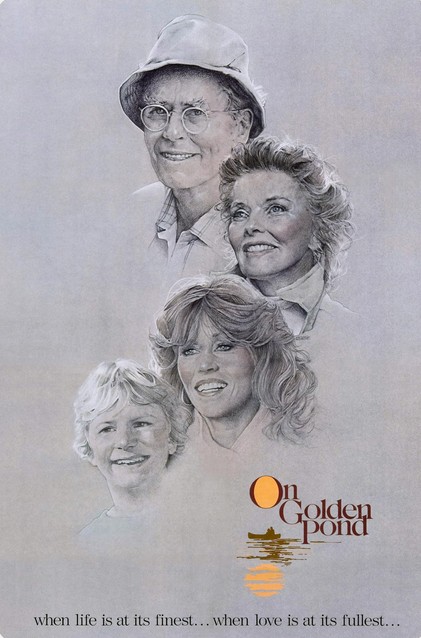
But we’re not talking about Les Miserables today. We’re talking about a pond. “Bring Him Home” was followed by a nameless instrumental piano piece, and again my mind began to drift. Then I heard the birds. Piano keys. Birds. And there I went… back to “On Golden Pond”.
Several instrumental movie soundtracks will reside in my brain forever. Whenever their signature melodies play I’m immediately returned to the film itself. I’m not talking about the bold, orchestral works of John Williams (think Star Wars or Jurassic Park) but rather the simpler repetitive tunes that still somehow define the story on the screen. Chariots of Fire is a good example. Cast Away is another. Leap Year was a so-so movie but the soundtrack is wonderfully catchy. And the music of A Little Romance – Diane Lane’s debut film – was so well done it won 1979’s Oscar for Best Original Score.
So you see, this is how a massage becomes a trip back to On Golden Pond, a movie from almost fifty years ago. The piano plays. The birds sing (even if they aren’t loons). And there it is, that simple poignant story playing out in front of my closed eyes as if I’d just seen the film last week.
Was I ever a fan of Jane Fonda? Not really. I remember her more for her workout videos than her movies. But On Golden Pond was the exception because she’s on screen with Henry Fonda, her father in real life and her father in the movie. The movie is about the struggles of their father-daughter relationship, which surely echoed real life. Add in Katherine Hepburn as the mother character and the bar is raised well beyond the movie itself. The story is good enough, but who from my generation wouldn’t watch Henry Fonda and Katherine Hepburn in anything together?
Henry Fonda died less than a year after the filming of On Golden Pond. Katherine Hepburn made a few more movies but this was pretty much the conclusion of her career as well. So On Golden Pond is something of a swan song for both. If you have any recollection of the film, try this: Ask Alexa for instrumental piano music. Ask Siri for a soundtrack of birds at the same time. Then close your eyes and relax. You may be transported back to a golden pond. It’s pretty cool.
Some content sourced from IMDB, the “Internet Movie Database, and Wikipedia, “the free encyclopedia”.
Now that I have young granddaughters, the songs and nursery rhymes of my own toddling days bubble up from the long forgotten frontiers of my brain. Humpty Dumpty is together again and back up on his wall. The sky is unstable if Chicken Little is to be believed. And the debate rages anew whether “pease porridge” is hot or cold (even if it is forever nine days old). The list goes on and on but none of these tiny tales holds a candle to the one bizarre question asked of Mary. So let’s ask her again, shall we?
I wouldn’t have remembered Mary were it not for the daily online puzzles of the New York Times. Two weeks ago they devoted an entire word search to the sentences of this odd nursery rhyme. Which got me to thinking, just who was Mary, why was she “contrary” (other than a convenient rhyme), and what the heck was going on in her garden?
As the saying goes, be careful what you wish for. As Google goes, be careful what you search for. Jack and Jill really did go up a hill. Old MacDonald had a farm. There’s at least one itsy bitsy spider on the water spout. But Mary and her garden? She doesn’t belong anywhere near your grandchildren.
The first interpretation of “Mary, Mary” I came across was completely sanitized from the original. It claims Mary is the Mary (as in, Jesus’ mother). Mary’s garden is the growing Catholic church. Silver bells are the same jinglers used in the church service to recognize miracles with “a joyful noise”. Cockle shells refer to faithful pilgrims, as in the badges worn by those completing the Way of St. James. And pretty maids are nuns, lined up for a life of devotion.
Badge of devotion
If we stopped right there, Mary would be heartily embraced by the rest of the kid-friendly characters in my granddaughters’ nursery rhymes. But more likely we’re singing about “Mary I”, Queen of England in the 1500’s. This Mary was no saint. In her brief five-year reign she cleansed her country of heretics… by burning hundreds of them at the stake. “Bloody Mary” – her apt nickname – somehow became a drink at the bar (which I will never order) and the subject of a child’s nursery rhyme.
Not-so-nice Mary
Mary I was at odds with her father King Henry VIII’s agenda; hence she was “quite contrary”. Okay that’s fine, but I wish the rhyme stopped right there. Her garden was likely a reference to a graveyard. The silver bells and cockle shells describe torture devices of the time (and I won’t be using a Google search to learn more about those). The maids were innocent women lined up for execution.
This is the stuff of nursery rhymes? I’m trying to picture little girls back then, sitting around in a circle and coming up with short songs from what they see right in front of them. Like Rosie and her ring, if some interpretations are to be believed. As for Ms. Contrary, I think I’ll go with a garden similar to the one shown here. But since the origins of her rhyme continue to be debated, I’m steering my granddaughters clear of her. Instead, we’ll sing about the other Mary, the one with the little lamb.
Some content sourced from Wikipedia, “the free encyclopedia”.
I managed to get through high school literature class without having to wrestle with Shakespeare, not even once. To me, Romeo and Juliet are simply characters from a movie I’ve never seen. Hamlet is another name for a small village. Othello is a board game I played as a teenager. But hey, maybe I should be a fan of Shakespeare. After all, he gets the credit for penning the phrase “pomp and circumstance”.
It’s true – “Pride, pomp, and circumstance (of glorious war!)” is a line from Shakespeare’s play Othello, written way back in 1603. Somewhere in the hundreds of years since, “Pomp and circumstance” became the name of the musical march we all associate with graduation ceremonies. But for today’s purposes, pomp and circumstance (or “P&C” if you will) means “formal and impressive ceremonies or activities”. And Monday’s presidential inauguration ceremony was the perfect example of that.
I am a big fan of American P&C. Without it the inauguration ceremony would’ve been nothing but mundane repeat-after-me oaths. With it you get your heart fill-er-upped with pride. Monday’s ceremony was replete with red, white, and blue decor. American flags were everywhere. The guests of honor were escorted to their seats by men and women in splendid uniforms. The cannons nearby boomed over and over when the oaths were completed. And for my American dollars, nothing says pomp and circumstance like those patriotic anthems.
U.S. Naval Academy Glee Club
Having spent most of my years in Colorado Springs, “America the Beautiful” is close to my heart because its lyrics were born from the top of nearby Pikes Peak. All credit to Carrie Underwood for her performance of its first verse on Monday, enduring technical difficulties to sing a cappella. Then there was the charismatic Rev. Lorenzo Sewell, embellishing his prayer of gratitude with the opening lines of “My Country Tis of Thee”. And you’d be forgiven for shedding a tear during the soaring “Battle Hymn of the Republic”, belted out by the men and women of the U.S. Naval Academy Glee Club (and earning a standing ovation).
Macchio
But I’m forgetting one more anthem. Or should I say, I can’t forget the one more. Yes, Christopher Dean Macchio (“America’s tenor”) sang “The Star Spangled Banner” to close out the inauguration ceremony, but he also performed another anthem to kick things off and I’m still humming it today. Why, I ask myself, have I never heard “O, America” before?
“O, America” – go figure – was written by an Irishman. Brendan Graham penned the lyrics into a big hit for the group “Celtic Woman”. You’d think the words would be from the perspective of someone overseas but “O, America” is clearly about someone here… and someone now. Have a listen and I think you’ll agree. In the words of Othello, “O, America” is all about “pride, pomp, and circumstance”. This week I am filled with all three.
LEGO Notre-Dame de Paris – Update #2
(read about the start of this “church service” in Highest Chair)
I’m glad I remembered my antiperspirant today. Bags 2 and 3 – of 34 bags of pieces – encouraged sweat, tested patience, and made me realize my fingers are anything but nimble. My hands are still shaking after the hour and change it took to build this section.
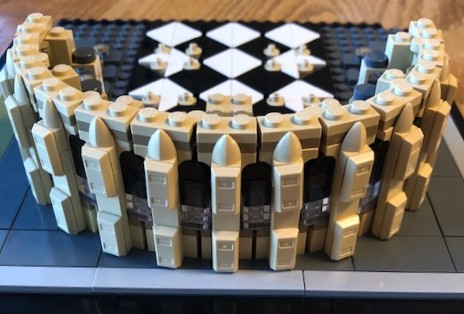
We started by tiling the cathedral floor. Look closely – those black and white pieces aren’t all the same shape or orientation. I installed one wrong and almost needed pliers to get it back out. Imagine if you made the same mistake on the floor of the real Notre-Dame. You’d get fired for wasting priceless marble!
Having said that, the floor was just a warm up for the colonnade that now rises up around the altar. It is made from tiny, tiny pieces! I think LEGO should invent special gloves that a) allow you to easily grasp these little guys while b) protecting your fingers from their sharp edges. Pressing them into place again and again can be painful! Those beige column supports you see on the tile floor left little round dents in my fingertips.
Finally, notice the repetitive structure of the colonnade, like a circle of rocket ships ready to launch. LEGO shows you how to build one of these vertical elements (each one is about twenty pieces) and then goes, “Okay Dave, do that fourteen more times”. The Grand Piano was also tough but I wouldn’t say it was repetitive. Notre-Dame de Paris has found a new way to test my patience.
Running build time: 1 hour 37 min.
Total leftover pieces: 5
Some content sourced from the Irish Central article, “Irishman’s song ‘O America’ performed at Trump’s inauguration”, and Wikipedia, “the free encyclopedia”.
In an Election Week – especially one as consequential as this year’s – it’s only fitting I can’t seem to focus on blogging. After all, my country and its prospective leaders demand (and deserve) my undivided attention. Any topic I choose to write about here pales in comparison.
So I urge you to do the same. Set aside the blogs you read or write, if only for a little while. Watch tonight’s tallies, accept tomorrow’s outcomes, and pray for peace and continued prosperity. As the patriotic “My Country, ‘Tis of Thee” reminds us, we live in a sweet land of liberty.
Let freedom ring.
Some content sourced from Wikipedia, “the free encyclopedia”.
Salzburg, Austria, a day-trip destination from our recent Viking River Cruise, is a popular draw for tourists. On most days you’ll find more internationals roaming Salzburg’s Old Town than you’ll find Austrians themselves. The compact city is famous for its historic buildings: churches, palaces, and fortresses dating back 1,000 years or more. Mozart was born here. But try as they might, Austrians will never be able to separate Salzburg from what attracts many to its streets: The Sound of Music.
I can think of only one movie we forced our kids to sit down and watch while they still lived under our roof. Close to Christmas one year (an arbitrary connection because of the lyrics of “My Favorite Things”), the five of us spent three hours together in front of our not-so-big-screen TV watching the somewhat true story of the von Trapp family. I’ve lost track of the number of times I’ve followed Maria, the Captain, and those seven engaging children as they outwit the Nazis.
For all of the movies I’ve watched in my life (and I’ve watched quite a few), The Sound of Music stands alone. I’d describe it as a jewel you display in an elegant glass box on the shelf, taken down every once in a while to appreciate up close. The Sound of Music is a feel-good story – if not accurate – produced in 1965 at the end of the Hollywood’s Golden Age. It remains the most successful movie musical of all time (adjusted for inflation), but I question whether today’s movie-goers would appreciate it as much as I do.
Salzburg, Austria
Most tours of Salzburg include references to buildings and locations included in The Sound of Music. Our own tour – cut well short because of the flooding of the Danube – was a brisk walk around the Old Town, with only an occasional mention of the movie. What surprised me was not how little of The Sound of Music was actually filmed in Salzburg (most was done on sound stages back in the States) but rather the Austrians’ utter disdain for the movie.
Salzburg’s Nonnberg Abbey
Consider, when it was first released The Sound of Music was only twenty years removed from the end of WWII. The Nazi overtones of the film didn’t sit well with citizens of Austria and Germany. Reviews (and box-office receipts) were not favorable in either country. Coupled with the liberties the producers took with the story, you can see why Salzburg residents don’t exactly “Climb Ev’ry Mountain” to claim the movie as their own.
You’ll find endless trivia about The Sound of Music at IMDB.com and elsewhere. Most facts are meant to point out discrepancies between the film and the actual story. Here are fifteen of “My Favorite Things”:
1) Julie Andrews was cast as Maria, of course, but only because Audrey Hepburn declined the part. Hepburn also denied Andrews the opportunity to play Eliza Doolittle in the movie version of My Fair Lady. Each played the opposite role in the original stage adaptations on Broadway.
2) Andrews kept getting knocked off her feet in the famous opening scene where she sings and spins in an Alpine meadow. She couldn’t keep her balance because the hovering helicopter used to film the scene generated too much wind.
Not as easy as it looks!
3) Andrews’ hair was meant to be worn longer but a bad color job forced the pixie cut, which Andrews kept for most of her acting career
4) Christopher Plummer was not a fan of The Sound of Music. He reluctantly agreed to the part of Captain von Trapp and regretted every moment on set, especially those with the children. He described working with Julie Andrews as “being hit over the head with a big Valentine’s Day card, every day”. He nicknamed the movie The Sound of Mucus. Much later he acknowledged the film’s worldwide success, as well as the Oscar-nominated talent of Andrews.
5) Plummer regularly drowned his acting sorrows in Salzburg bars and restaurants. As a result his outfits needed to be resized towards the end of filming to accommodate his added weight.
The gazebo (moved from its original location). The interior scenes were filmed In a much larger stage set reproduction.
6) The von Trapp children are Rupert, Agathe, Maria, Werner, Hedwig, Johanna, and Martina… not Liesl, Friedrich, Louisa, Kurt, Brigitta, Marta, and Gretl. Also, none of the nine leads are Austrian (which certainly didn’t help the appeal of a film based in Salzburg).
7) Auditions for the parts of the von Trapp children included the four eldest Osmond brothers (not Donny), Kurt Russell, and Richard Dreyfuss.
8) Kym Karath, who played Gretl, the youngest of the von Trapp children, created her fair share of challenges. She had a cold during much of the filming. She almost drowned in the scene where the boat overturns in the lake because she didn’t know how to swim. And she ate enough sweets on set to where her weight was too much for Christopher Plummer. As a result, in the final scene walking over the Alps, Plummer is carrying a stand-in actress instead of Karath.
9) Nicholas Hammond, who played Friedrich, was not a natural blonde so his hair was bleached for the movie. The coloring process caused some of his hair to fall out, which is why you see him wearing a “Tyrolean Traditional Alpine” hat when he’s seen singing “Do-Re-Mi”.
10) The day after the real von Trapp family left Austria (by train to Italy and then to the U.S., not on foot over the Alps to Switzerland), the Germans shut down all of Austria’s borders.
Salzburg’s Schloss Leopoldskron, where lakefront and garden scenes were filmed
12) The real Maria also claims, if you can blieve it, her own personality was livelier than Andrews’ on-screen version.
13) The real Maria taught Julie Andrews how to yodel. Watch the lesson here.
14) The film’s production demanded 4,500 extras, including those in the sold-out theater for the music festival. The audience sings “Edelweiss” as if they know the song, but only because they spent time beforehand learning the words.
15) Despite the aforementioned Austrian disdain, The Sound of Music is played nonstop on the televisions of most Salzburg hotels.
Maybe all of this trivia changes your opinion of The Sound of Music. Not mine. There are countless reasons this film includes the tagline, “The Happiest Sound In All The World”. The Sound of Music will always be that jewel in a glass box, waiting patiently to be enjoyed once more. Suffice it to say, I’ll never say “So Long, Farewell” to the adventures of the von Trapp family.
Every now and then I come across a little fact that makes me feel my age. Fifty years ago this month a one-hit wonder named Terry Jacks released the single “Seasons In The Sun”, which parked at #1 on the music charts for three weeks and burned itself into my twelve-year old brain forever. Any teen from back then will never forget the We had joy, We had fun lyrics. Ironically it wasn’t a happy song (as in …goodbye Papa, it’s hard to die…) but not to worry. Today I want to talk about the season before the sun instead.
Whether you celebrate Easter (this Sunday), the vernal equinox (a week ago Tuesday), or college basketball’s March Madness (on-going), the hints are everywhere: spring is beginning to, uh, spring. For my wife and I, the season means strawberries, when the best of the fruit is available for the next sixty days. For others it means the kids are out of school for a week. But surely there’s no better indication of spring than flowers. The bright bursts put winter’s doldrums behind us while the sun shines more often. Flowers signify new beginnings.
Oz is full of poppies
Guys don’t talk about flowers much (unless we’re gardeners) but it doesn’t mean we haven’t had our share of close encounters with them. My first was probably with dandelions (yes, they’re flowers) and the childhood fascination of blowing the blooms into countless flying bits. Growing up in Southern California also meant going to the Rose Parade, where the bigger floats average more than 50,000 flowers. Senior prom was probably the one and only time I bought flowers in high school. Call a wrist corsage awkward if you will, but hey, it beats the terror of pinning flowers on a girl’s dress.
dicey
Speaking of awkward, when I first met my wife in college I decided to be coy and send flowers, forcing her to make the next move. But fate played a part when the bouquet was delivered to the wrong dorm, the flowers wilting at the front desk for days. I didn’t hear from her for a while and she didn’t hear from me, and that meant we were thinking nasty thoughts about each other. “Ungrateful” (my end). “Loser” (hers). Another girl finally let her know about the flowers and it’s a good thing she found out. A marriage was saved!
pricey
If you’re thinking my spend on flowers is below average, I’m confident I made up for it in a single day: at my daughter’s wedding. Her bouquet, her bridesmaids’ bouquets, down the aisle, around the altar, at the centers of the reception tables, and on and on – the blooms were everywhere. Let’s just say the cost of all that color was probably enough to buy a small car.
I’ve brought home several flower bouquets over the years, whether to my wife or to my mother. What used to be an in-shop, DIY experience is now pretty much Amazon, where you click your way through the colorful screens of 1-800 FLOWERS or FTD to create the perfect arrangement. And as you know, you rarely get the exact look you choose from the photos. The fine print protects the companies by stating something like “depending on availability”.
I like to bake (which is not the same as “to cook”), so when someone says “flower” I’m thinking “flour”. After all, flour is to baking as flowers are to spring. Flowers wouldn’t taste good in my chocolate-chip cookies, but you do find them in other foods. Top your soup with a squash blossom, your tea with chamomile flowers, or your salads with calendulas, pansies, or marigolds. Not for me; no thanks. When it comes to flowers as food additives I might be tempted to say, “the bloom is off the rose”.
The Masters is full of azaleas
Okay, so I went through the lyrics of “Seasons In The Sun” again and noticed …now that the spring is in the air, with the flowers everywhere… , so… what do you know? Terry and I are talking about the same season after all. At least this one lyric brings a little joy and fun to an otherwise depressing song. It’s what this kid born in the 1960s might call “flower power”.
Blogger’s note: “Seasons In The Sun” really was #1 on the music charts exactly fifty years ago this month. My wife and I bought strawberries last weekend, which had me thinking about seasons, which had the song bouncing around in my brain. But the fifty-years thing is an eerie coincidence, don’t you agree? Maybe a higher flower power is at work here.
Some content sourced from Wikipedia, “the free encyclopedia”.