
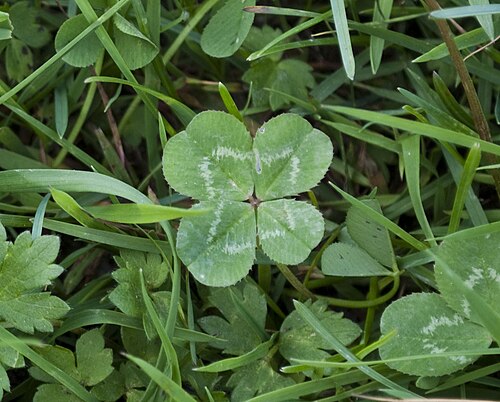
St. Patrick’s Day will be here in less than a month. The “holiday” is a once-a-year excuse to wear something green, pinch if you don’t, and carouse with abandon in the streets. There’s no real significance to any of it. On the other hand, St. Patrick’s Day gets me thinking about Ireland, leprechauns, and the four-leaf clover, which is a symbol of good luck. Just like Olympic Games mascots.
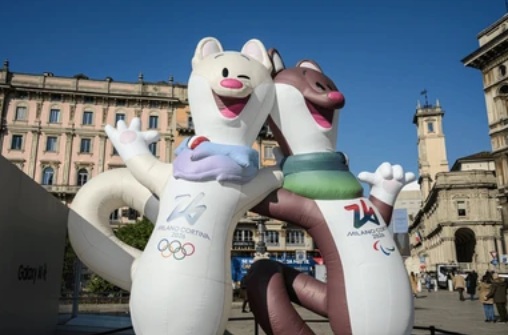
Can you name the animals represented by the mascots at this year’s Winter Olympics? “Tina” and “Milo” (takeoffs on the cities of Cortina and Milan – nice) are stoats, which you’d hope to be furry and cuddly little creatures, but in fact are anything but. Stoats – first time I’ve heard the word – are “voracious predators”; carnivores in the same classification as otters, ferrets, and wolverines. They’re so aggressive they can take down prey six times their size. New Zealand used a bunch of them in hopes of controlling their rabbit population but instead the stoats wiped out untold numbers of a species of native bird.
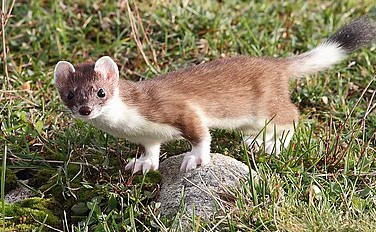
A stoat may seem like a curious choice for a mascot, but by definition it makes sense. Mascot (derived from the French mascotte or “lucky charm”) is supposed to drum up the competitive juices of fans and athletes; a sort of fierce cheerleader leading the charge to defeat the opposition. Yeah, that doesn’t quite work at the Olympic Games. As the host country you’re supposed to be friendly and cordial to the world’s visitors; not fist-pump and taunt as if to say, “Italy’s gonna take you out!”
Of course, that’s why Tina and Milo wear permanent smiles, colorful scarves, and make themselves available for purchase as soft stuffed animals instead of looking and acting like real stoats. They don’t want you to be afraid… they want you to spend.
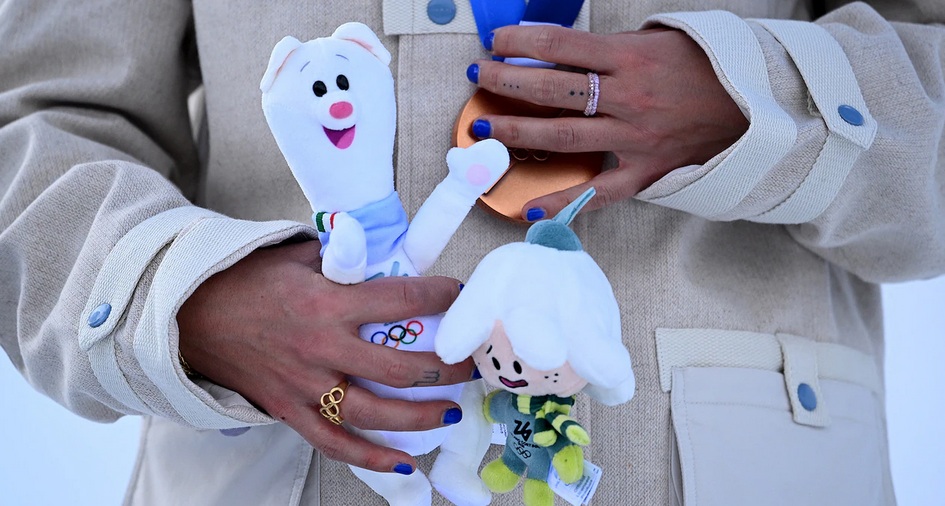
Olympic mascots drum up the competition at the cash register, not at the venues. Mascots are the faces of the Olympics; at least, the marketing and merchandising faces. Over there in Italy, the “plushies” have been so popular they sold out within the first few days. Patrons complained of waiting over two hours in line at the Olympics “megastore” and walking away with zero stoats.
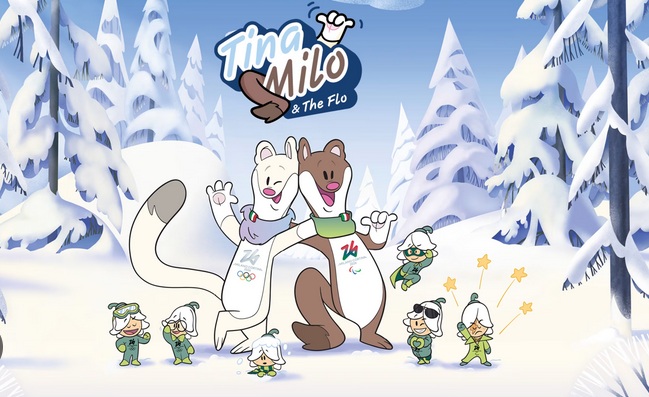 Tina and Milo are just latest in a long line of Olympic mascots dating back to the 1960s. It’s interesting to review the (every other) years and see those mascot names and faces again because, I don’t recognize a single one of them. It’s as if all the mascot fuss is extinguished along with each Olympic flame. Regardless, here are a few of my forgettable favorites: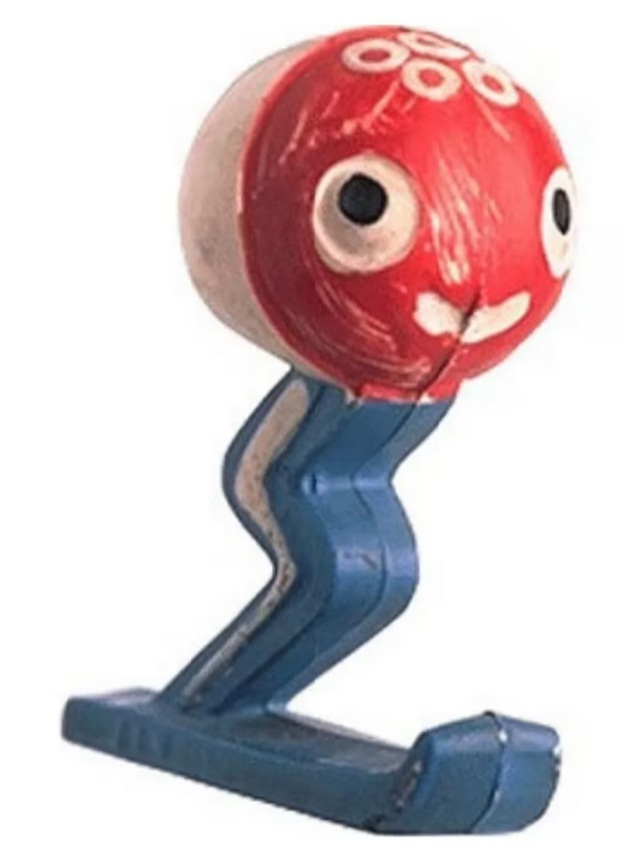
Shuss – the little man on skis – is the original Olympic Games mascot. He was created for the 1968 Winter Games in France, and is the first and last mascot you would consider resembling anything close to “human”.
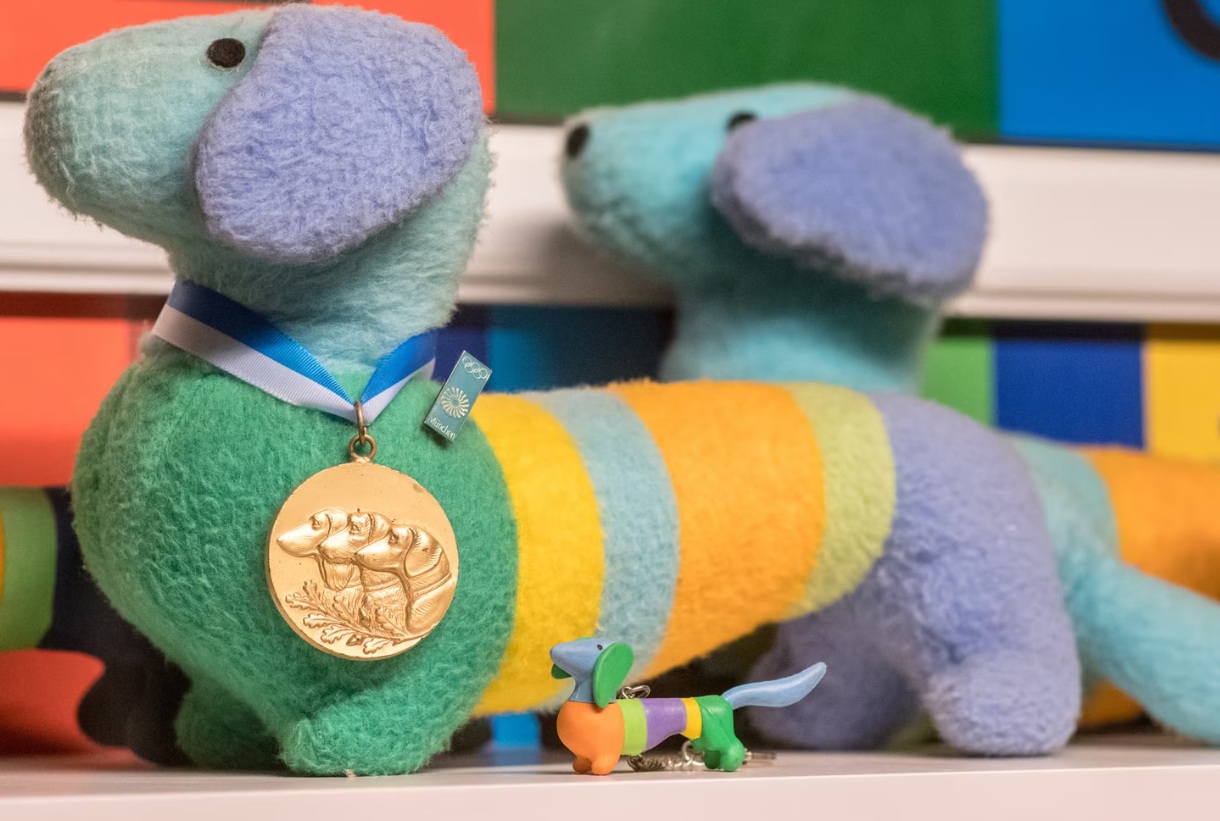 Waldi – a dachshund – came along just four years after Shuss. Perfect species of dog for a Games held in Germany, right? And here’s a clever detail: Waldi is shaped like the route of the Olympic marathon run through Munich.
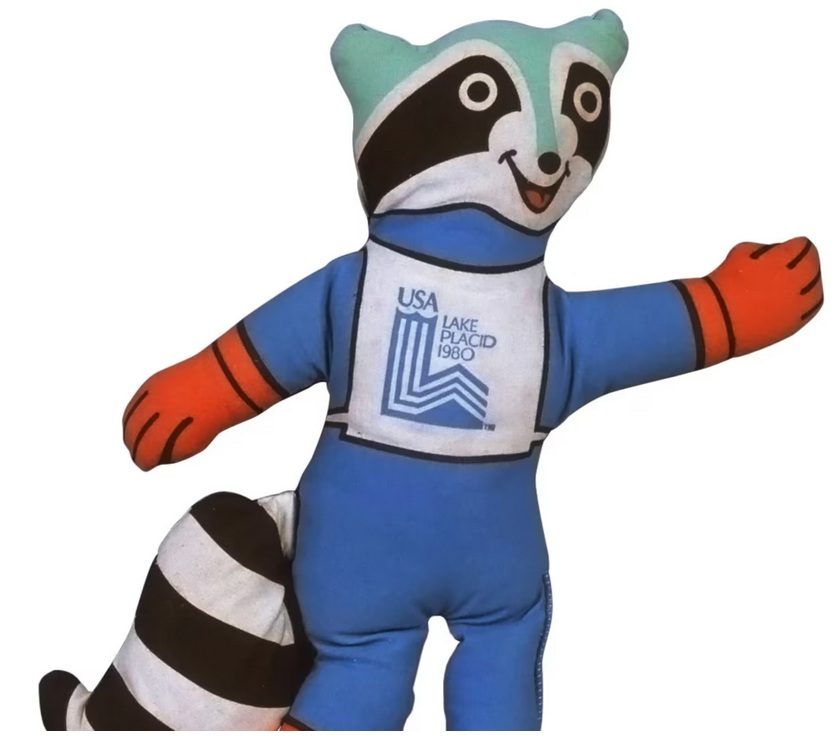 Roni – a racoon – was the mascot for the 1972 Winter Games in Lake Placid, and the first in line of what I’d consider unattractive U.S. Olympic mascots. I’ll pass on every one of them.
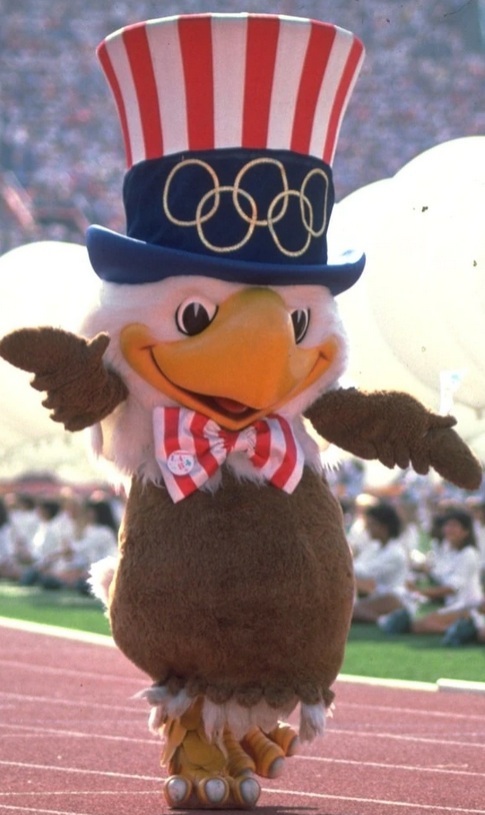 Sam – an eagle – hosted the 1984 Summer Games in Los Angeles. Okay, I get the “Uncle Sam” connection but I wouldn’t have stood two hours in line to buy this stuffed animal, would you?
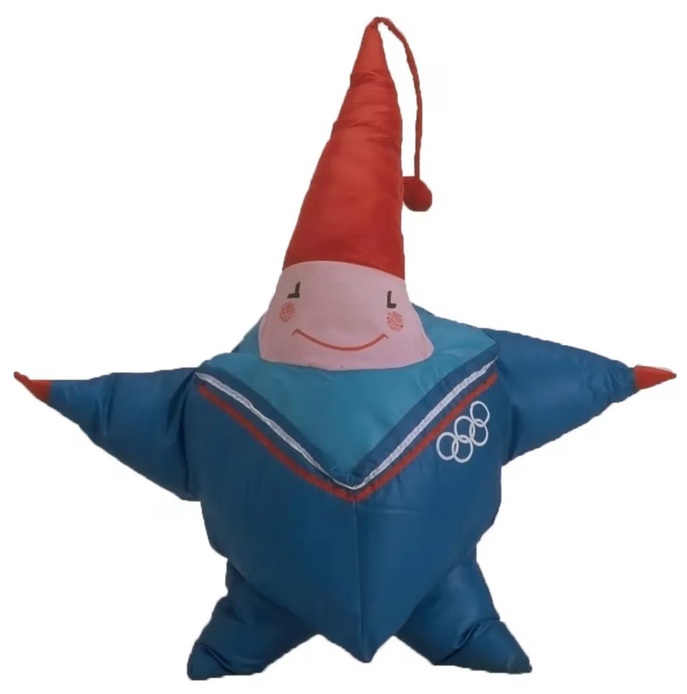 Magique – an I-don’t-know-what – “starred” at the 1992 Winter Games in Albertville, France. He (she?) actually isn’t so bad compared to several others on the list.
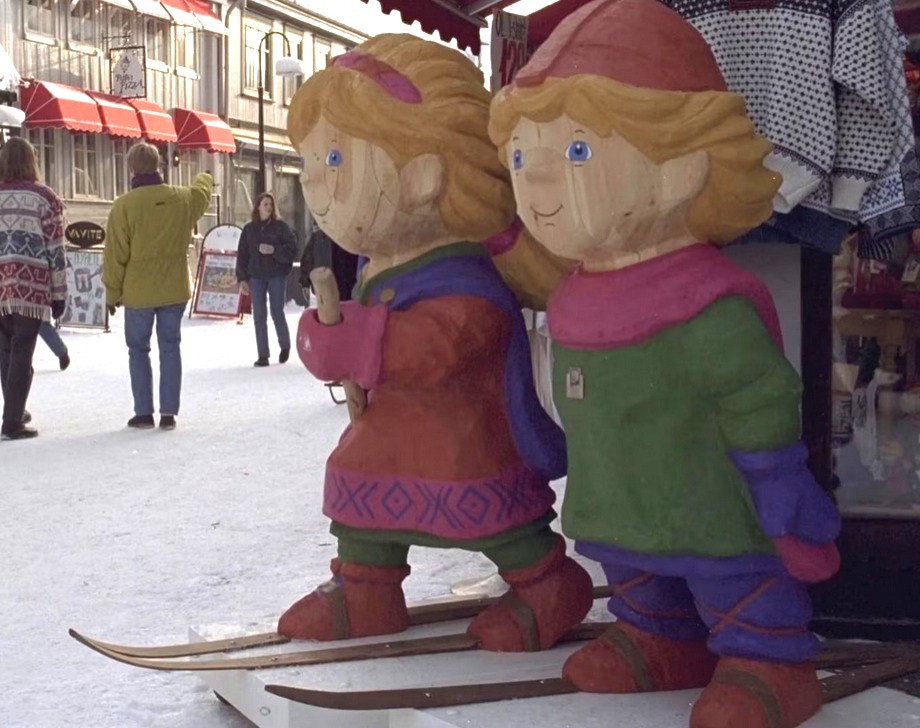 Haakon and Kristin – full-sized figures from Norwegian history – hosted the 1994 Winter Games in Lillehammer. Sorry, but doesn’t it look like Haak and Kris just want to come at you on their skis? The stuff of horror movies.
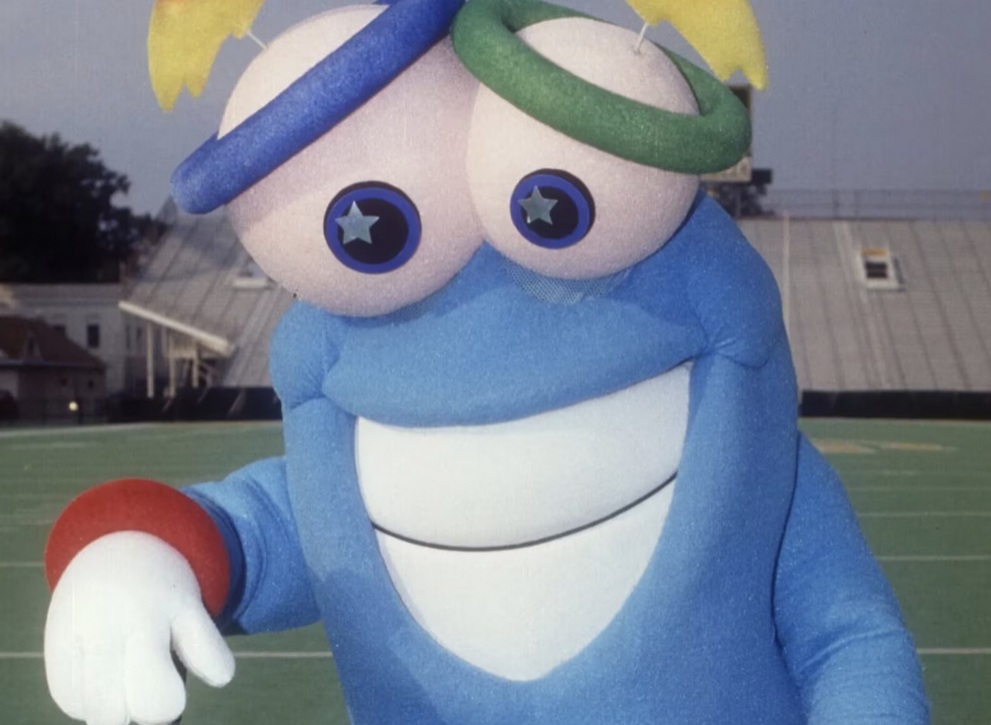 Izzy – another “I-don’t-know-what” – was all over the 1996 Summer Games in Atlanta. Leave it to the U.S. to come up with something neither human, animal, nor even “object”, yet somehow be the only mascot I can recall thirty years later.
 If a mascot translates to a good luck charm, perhaps that’s a good pitch to sell more stuffed animals at the Olympics. Not that these Winter Games need help selling stoats. No doubt you’ll find the ferocious furries on eBay as soon as the Games conclude. Which has me wondering, why would you overpay after the fact for something nobody will ever remember?
Some content sourced from the CNN Sports article, “Word of the Week: The adorable, lethal stoat…”, the NBCOlympics.com article, “A look back at Olympic mascots through the years”, and Wikipedia, “the free encyclopedia”.

 Life In A Word