
Hello, I’m Veronica
The sky is not completely dark at night. Were the sky absolutely dark, one would not be able to see the silhouette of an object against the sky.


-
Feeling Better by Phone
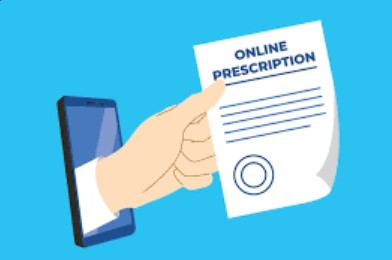
My wife is recovering from a nasty eye infection, one where I’ve lost count of the visits we’ve made to the doctor and the pharmacy. She’s taking prescription eye drops and a strong antibiotic, and covers her eyes with hot compresses instead of her usual contact lenses. We’re hoping today’s appointment is the end of this ordeal. Odds are however, all of our scurrying around won’t be necessary in a year or two. Instead, my wife will simply seek relief from a digital prescription.
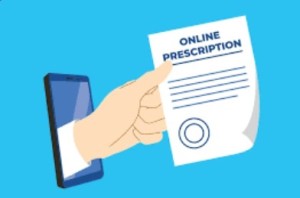 You knew it was coming. The FDA approved the first smartphone app designed to address a diagnosed medical condition, and it’ll be ready for download in just a few months. Rejoyn (don’t ask me where they come up with these names) is a digital prescription designed to combat depression. The patient’s six weeks of self-administered tapping and typing trains their brain back to a healthier state. Or at least, that’s what’s supposed to happen.
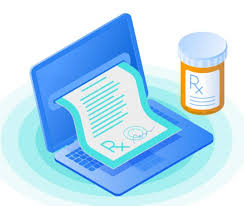 My first thought here was, an app used to address a diagnosed medical condition sounds kind of silly, like playing Tetris or something. But then I realized a prescription of Rejoyn would be one less dose of drugs. Pills removed from the equation is a good thing. But then I read how the results of a Rejoyn beta group were no more successful than those of a group prescribed a sham app. Finally, Rejoyn only works in conjunction with a regimen of traditional medication.
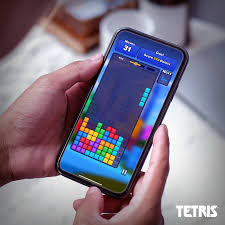 You can see why I’m struggling with the concept. I mean, you still have to take the meds you were already taking and there’s no guarantee the app will improve your condition. So why invest the time and money in your phone? According to an authority from the Division of Digital Psychiatry (which couldn’t have existed even ten years ago), “If the benefits are minimal but the risks are [also] minimal, perhaps there’s no harm in trying it.” Does that strike you as a glowing endorsement of the technology?
Rejoyn is the beginning of a wholly different approach to healing. One of these days you’ll find yourself at the pharmacy looking to fill a prescription, and instead of a receiving a bottle of pills you’ll hand over your phone for a download. Then you’ll go home to your couch and – doctor’s orders – spend more time on your phone than you already were. Oh, the irony. Experts say spending too much time on your phone causes depression. Now, the cure for that depression will be to spend more time on your phone.
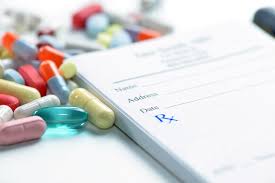 A digital prescription gives a whole new meaning to “overdose”. What happens if you indulge in twelve weeks of screen time instead of six? What if you get so addicted to your electronic cure you can’t pull your eyes and fingers away from the screen? Will the app timeout after so many uses, forcing you to plead with the pharmacy to “renew your subscription”?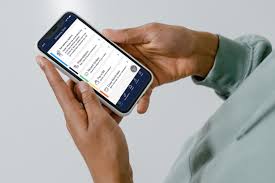
Don’t overdo it! Then there are the side effects. Headaches, loss of sleep, loss of appetite; maybe the same ones you’d experience if you took a pill instead. Maybe the same ones you experience from any use of your phone. And what about your email, social media, and games. Will they be neglected because of all the time you spend on Rejoyn?
Electronic medication is a novel concept, I admit. It’s like having an IV drip of something that makes you feel great, only it’s “wireless” and you don’t need the nurse to give you a dose. You have a little doctor right there in the palm of your hand. But is that little doctor really going to make you feel better?
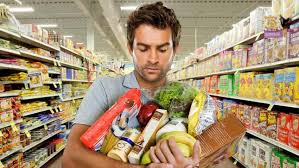 There is one indisputable positive to a digital prescription. If you fill your meds at a grocery store pharmacy you’re going to save money. After all, those fifteen minutes while you wait for the pills to be bottled are spent wandering up and down the food aisles. A digital prescription can be downloaded instantly. Now you’ll no longer buy the impromptu groceries you never needed in the first place.
Some content sourced from the CNN Health article, “FDA clears first digital treatment for depression…”
-
Loco for Cocoa
In the last few weeks a purchase of pure gold reached a record high of over $2,400 an ounce. Thanks to uncertain global markets and a stepped-up demand from China, the precious metal is a more popular investment than ever. I find it amazing you can stroll into your local Costco and add gold bars to your shopping basket. The promo was so popular however, Costco ran out of their allotment in a couple of months. But here’s an even bigger concern. I’m worried Costco’s going to run out of chocolate.
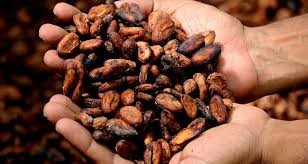
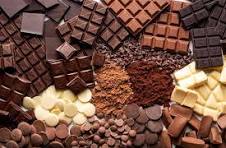 It takes a bold headline to get me to read the article, and here’s a recent example: Chocolate Might Never Be the Same. What I hoped would be several paragraphs about a newer or even healthier spin on my favorite confection was anything but. Instead, I was stopped dead in my reading glasses when I saw the words “global shortage”. It seems the world’s supply of cacao beans, which come primarily from West Africa, has been threatened by climate change.
precious metalingredientWhat I found interesting in the story was not so much the reasons for the shortage (drought, disease, aging cacao trees) but rather the speculation on how chocolate as we know it will change. Right away, of course, the cost of high-end products will increase (chocolate was already up 10% in 2023). Down the road, the powers that be may even relax the definition of “chocolate”, which currently requires (only) 10% of a product’s weight in cocoa. And further down the road you’ll find faux chocolate, which doesn’t contain any cocoa at all. Kind of like an Impossible Burger.
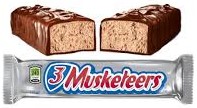
My relationship with chocolate, one that has matured beautifully over sixty-plus years, feels a little threatened. Like most kids growing up in the 1960s, I loved Hershey bars… and a lot of other candies that gifted me a mouthful of cavities. Then as a teenager, most of those candies fell by the wayside in favor of chocolate bars like 3 Musketeers, Milky Way, and Snickers. But technically each of those is a “candy bar”, where the only chocolate to be found is the outside coating.
childhood chocolate I credit three products for developing my taste for “just chocolate”. First, Nestle’s Toll House Morsels, a bag of which could always be found in my mother’s pantry. Second, Chunky’s foil-covered blocks, which brought appeal to, literally, consuming chunk chocolate. Finally, Ghirardelli’s “Flicks”, colorful foil-covered tubes of what can only be described as oversized Toll House Morsels, sold alongside the popcorn and boxed candies at the movie theater.
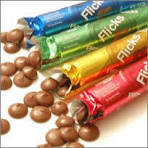
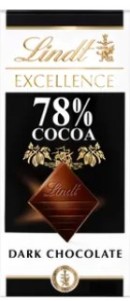
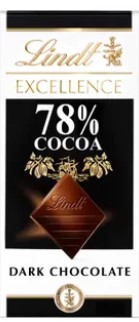
theater chocolate Little did I know at the time, I was nowhere near the best that chocolate had to offer. A college year in Europe introduced me to more exotic brands like Perugina, Lindt, and Toblerone, and my taste for chocolate quickly matured from the milk to the dark varieties. Here’s how far I’ve come since then. The percentage of cocoa in a pure bar of Lindt chocolate starts at 70% (and goes all the way to 100% if you’re so bold). My preference? 78%, a far cry from the minimum 10% definition of chocolate. And a far cry from the chocolate bars of my youth.
 We’re fortunate to have an authentic Belgian chocolate shop here in our small town. Its proprietor was trained as a chocolate artisan in Belgium, and her creations start with Callebaut chocolate (also from Belgium). Her truffles, as you can imagine, are exquisite. The pure chocolate nibs she sells by the pound are even better. And yet, as if to underscore today’s topic, her shop’s website now warns in a big, bold font: … at this time we are no longer able to accommodate wholesale prices. Meaning her big buyers are now paying as much as we smaller ones. Meaning chocolate is getting more expensive.
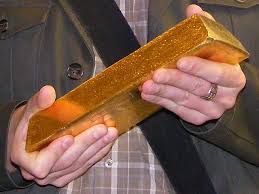 If the quality chocolate I’ve learned to love rises to price points I can’t digest, I might be forced to relive my childhood and settle for the “satisfaction” a milk chocolate Snickers bar claims to provide. It’s a regression I don’t look forward to, but at least it beats faux chocolate. Come to think of it, I should pick up a few of those gold bars at Costco. Maybe my Belgian chocolate shop takes more than cash or credit these days.
Some content sourced from The Atlantic article, “Chocolate Might Never Be the Same”, and Wikipedia, “the free encyclopedia”.
-
Curtains for the Big Show?
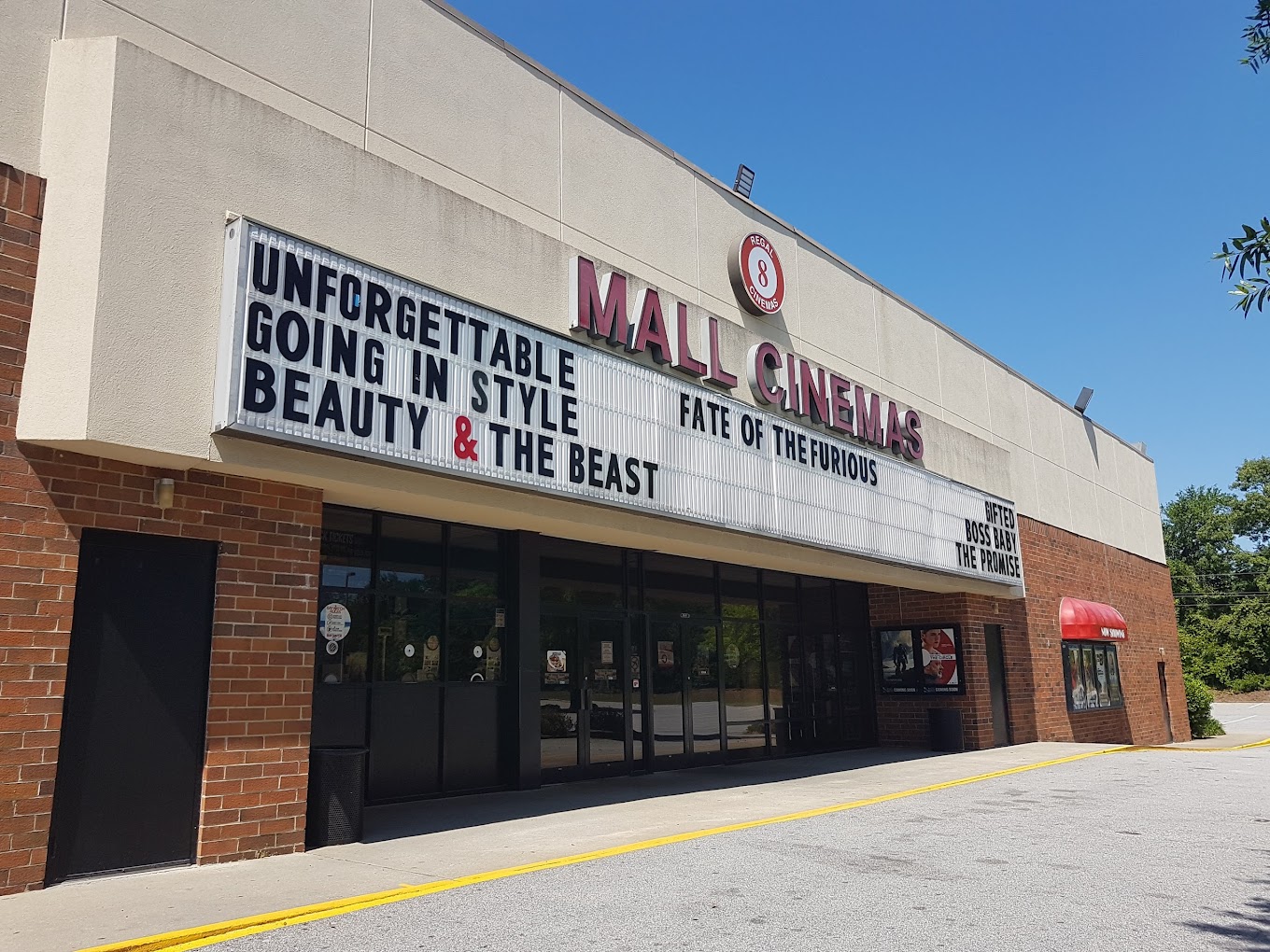
My daughter and her husband went on a date the other night. They dropped their little one at our place because they wanted an evening to themselves. “A date” meant going right back to their own house and getting a few projects done without the distraction of an active one-year old. Really? That’s a date? I figured they’d do something like go to the movies. After all, the theater’s only five minutes from their front door.
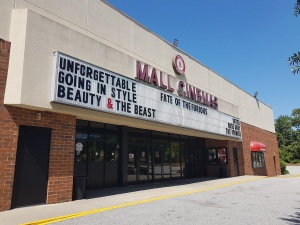
Our one-and-only movie theater The same theater’s only twenty minutes from our front door. It’s the only show in (our small) town but it still carries the first-run films. So now I’m asking myself, why haven’t we been to the theater either? I mean, we’ve lived here almost two years yet we’ve never even been tempted. Does our own dating routine need a little recharge?
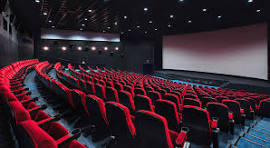
“Stadium seating” The truth is, like most who don’t go to the movies much anymore, the COVID years played a big part in our change of behavior. Before then we were regular patrons, drawn to the promise of a well-reviewed blockbuster or sappy rom-com. No matter the size of our TV or the quality of our sound at home, it couldn’t hold a candle to the big-screen experience. Plush seats, popcorn, and larger-than-life images were the way to go.
But movie theaters struggle now. We’re already two years past the last U.S. state mask mandate (time flies), yet theaters haven’t been able to bring back audiences in numbers comparable to the years before COVID. The only movie to get my wife and I up off our couch and into the theater was Top Gun: Maverick, which seems forever ago now. Much as I’d like to blame the pandemic for our recent lack of attendance, other forces are at work here:
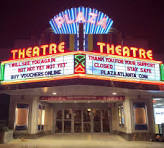
Can’t we go back to this version? 1) Streaming. Just as we all hunkered down in 2020 to wait out COVID, on-line entertainment options went full-stream ahead. My wife and I cautiously subscribed to something called Netflix back then (knowing we could cancel at any time), and in no time we became the very definition of “binge”. Today we plunk down money for several streaming services, which come and go according to what we choose to watch. In other words, “network television” isn’t the only option to the big screen anymore.
2) The cost. A few weeks ago, my wife and I binged the twelve-episode first season of a Hallmark Channel series, for $10.79. Season 2 cost us $25.37 for the same number of episodes. Season 3? $26.99. Sneaky streamers, huh? They get you hooked on the first season, then charge big-time for the rest. But here’s the thing. Those thirty-six hours of television cost us less than two dollars an hour. A movie in the theater runs four to five times that much.
 3) The annoyances. Before online tickets, you could show up at the box office and be reasonably assured of getting a seat, for the face value of the ticket. Now – for the popular movies at least – a “walk-in” is virtually impossible. You’re going to pay fees, whether for the online service itself, the movie’s time of day, or the theater’s better seats. Once you’re in your seat the annoyances bloom, whether the advertisements before the movie, the cell phone going off in the next row, or the couple behind you who simply can’t stop talking throughout the show.
4) The product. IMHO of course, the movies being made today simply aren’t what they used to be. Those mainstream blockbusters and adorable rom-coms of yesteryear have given way to so-so remakes, Marvel characters, and independent films that rarely appeal to the masses. Sure, I could (and probably should) expand my horizons to other film genres, but first you’re gonna have to address items 1), 2), and 3) above.
Will the show go on? The summer blockbusters begin Memorial Day weekend but they’ve taken a hit this year because of last fall’s writers/actors strike. Movie theaters may be a little – ahem – breezy as a result. They’ll aim to draw in more patrons with re-releases of films gone by, mini film festivals, and sales of film-related merchandise instead (themed popcorn tub, anybody?)
The sustainability of the movie theater is in question, the same as the drive-in that died before it. Will the product and price attract enough patrons to keep the experience viable? Will a trip to the movies morph into a wholly different kind of experience (like dinner, drinks, and a movie, or a stop at the in-house video game arcade first?) And will the concept of a movie-house subscription ever be more attractive than simply buying a ticket?
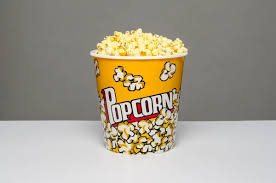 All good questions there. Whatever happens, I hope the curtains don’t close on the big screen for good. When a film is worth watching, alongside an audience willing to behave, it’s a great date night. Without the movies, my wife and I might be forced to complete a few more projects around the house.
Some content sourced from the CNN Entertainment article, “Movie theaters are getting creative to appeal to audiences”.
-
Middling Name
Sixteen years after her debut album Some Hearts, Carrie Underwood released a collection of Christian songs called My Savior, a genre for which her signature was long overdue. My Savior was the perfect companion for the drive to and from Easter church last Sunday. On the other hand, Carrie dabbles in hard-driving, anger-cleansing rants like “Last Name”, which is a convenient segue to today’s topic. What (and why) is your middle name?
Hard to believe, but only 75% of Americans had a middle name in 1970. Think about it for a sec… when was the last time you used your middle name? When you pulled out your driver’s license? Your Social Security card? When you signed an important document? Most likely it was for your last airplane ticket. After all, the name you enter into the reservation has to match the name on the form of identification you provide.
Middle names originated in the Middle Ages (and boy do I love that coincidence). European countries – and much later America – picked up on Italy’s tradition of “double” first names. Since Italian descendants were often named after parents and grandparents, you had a whole lot of Leonardos and Marcos wandering around. “Secondary first” names helped distinguish Leo III from Leo IV. Kind of like George H. W. Bush and George W. Bush.
 I don’t know anyone – and I mean anyone – who uses their middle name by way of introduction, let alone conversation. Outside of family members you might know the middle name of a friend or two but that’s about it. Whatever practical purpose middle names served seems to have come and gone.
Unless you’re me, of course. “David Wilson” is about as common as “John Smith” (and the reason you readers will never be able to hunt me down… bah-ha-ha!) Just how common is my name? Years ago I joined Hertz’s #1 Club and proudly stated my name at the counter for my first rental. The agent tapped away and then said, “Sorry, but we have over 400 David Wilson’s in our database. Could you be more specific?” Then I gave her my middle name (Scott), to which she said, “Okay, so now I still have five of you”. Sigh…
Girls = “Marie”, Boys = “James” Scott was a common middle name back when I was born. In fact, Scott ranked in the top ten boys’ middle names of the 1960s. (See if your middle name is/was a top tenner here.) Maybe that’s why my parents chose Scott, because I’m not aware of any ancestors with the name. Then again, Ancestry.com tells me I’m 12% Scottish. Hey, my parents could’ve gone with “Scot” instead!
Early in my career, my colleagues and I decided to use our middle names in a desperate attempt to sound cooler. We started referring to each other by first initial and middle name. Hence I was “D. Scott” around the office (which sounds oh-so pompous in hindsight). Didn’t last very long and my signature never changed. I’ve always been a first-name, middle initial, last-name kind of guy with the pen.
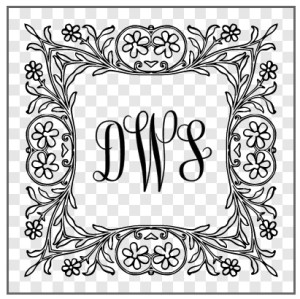
Wouldn’t be as elegant without the “S”, don’t you agree? Chances are your middle name was given to you because it sounded good alongside your first name. Such was the case with our oldest son Mark. We came up blank with middle names when he was born, so my wife got in touch with a college friend, whose husband was also Mark. Mark Christopher. The middle name sounded great to us so we promptly “adopted” it. Not that our Mark will ever meet his namesake.
Speaking of my wife, her middle name is Marie; the same middle name given to both of her sisters (and later on to our daughter). Marie and Ann are the most popular American female middle names of all time (for the males: Lee, Edward, and Michael). Check those decade lists again – Marie and Ann were tops in 1950 and again for the next forty years. Ann dropped off a little after that but Marie continues to be the most popular to this day.
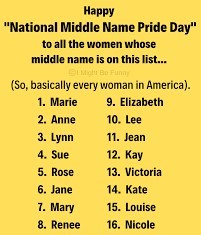 Here in the South, a lot of people combine first and middle names. Hence, Sarah is better known as Sarah Beth and Billy is better known as Billy Bob. At least they’re using their middle names. Some of today’s parents are choosing names like “Symphony” and “Rembrandt” to go in the middle. As if their kids will actually use those names someday, right? With that in mind, I’d like to thank my parents for (middle) naming me “Scott”. Sounds just fine to me.
Some content sourced from The Atlantic article, “Middle Names Reveal More Than You Think”, and the Fox8.com article, “The most common middle names from the last 12 decades”.
-
Season Before the Sun
Every now and then I come across a little fact that makes me feel my age. Fifty years ago this month a one-hit wonder named Terry Jacks released the single “Seasons In The Sun”, which parked at #1 on the music charts for three weeks and burned itself into my twelve-year old brain forever. Any teen from back then will never forget the We had joy, We had fun lyrics. Ironically it wasn’t a happy song (as in …goodbye Papa, it’s hard to die…) but not to worry. Today I want to talk about the season before the sun instead.
 Whether you celebrate Easter (this Sunday), the vernal equinox (a week ago Tuesday), or college basketball’s March Madness (on-going), the hints are everywhere: spring is beginning to, uh, spring. For my wife and I, the season means strawberries, when the best of the fruit is available for the next sixty days. For others it means the kids are out of school for a week. But surely there’s no better indication of spring than flowers. The bright bursts put winter’s doldrums behind us while the sun shines more often. Flowers signify new beginnings.
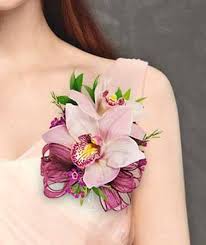
Oz is full of poppies Guys don’t talk about flowers much (unless we’re gardeners) but it doesn’t mean we haven’t had our share of close encounters with them. My first was probably with dandelions (yes, they’re flowers) and the childhood fascination of blowing the blooms into countless flying bits. Growing up in Southern California also meant going to the Rose Parade, where the bigger floats average more than 50,000 flowers. Senior prom was probably the one and only time I bought flowers in high school. Call a wrist corsage awkward if you will, but hey, it beats the terror of pinning flowers on a girl’s dress.
dicey Speaking of awkward, when I first met my wife in college I decided to be coy and send flowers, forcing her to make the next move. But fate played a part when the bouquet was delivered to the wrong dorm, the flowers wilting at the front desk for days. I didn’t hear from her for a while and she didn’t hear from me, and that meant we were thinking nasty thoughts about each other. “Ungrateful” (my end). “Loser” (hers). Another girl finally let her know about the flowers and it’s a good thing she found out. A marriage was saved!
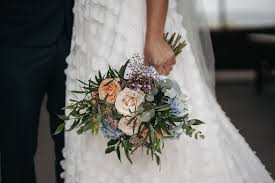
pricey If you’re thinking my spend on flowers is below average, I’m confident I made up for it in a single day: at my daughter’s wedding. Her bouquet, her bridesmaids’ bouquets, down the aisle, around the altar, at the centers of the reception tables, and on and on – the blooms were everywhere. Let’s just say the cost of all that color was probably enough to buy a small car.
I’ve brought home several flower bouquets over the years, whether to my wife or to my mother. What used to be an in-shop, DIY experience is now pretty much Amazon, where you click your way through the colorful screens of 1-800 FLOWERS or FTD to create the perfect arrangement. And as you know, you rarely get the exact look you choose from the photos. The fine print protects the companies by stating something like “depending on availability”.
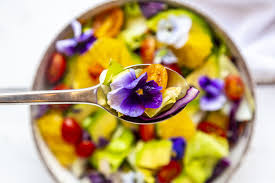 I like to bake (which is not the same as “to cook”), so when someone says “flower” I’m thinking “flour”. After all, flour is to baking as flowers are to spring. Flowers wouldn’t taste good in my chocolate-chip cookies, but you do find them in other foods. Top your soup with a squash blossom, your tea with chamomile flowers, or your salads with calendulas, pansies, or marigolds. Not for me; no thanks. When it comes to flowers as food additives I might be tempted to say, “the bloom is off the rose”.
The Masters is full of azaleas Okay, so I went through the lyrics of “Seasons In The Sun” again and noticed …now that the spring is in the air, with the flowers everywhere… , so… what do you know? Terry and I are talking about the same season after all. At least this one lyric brings a little joy and fun to an otherwise depressing song. It’s what this kid born in the 1960s might call “flower power”.
Blogger’s note: “Seasons In The Sun” really was #1 on the music charts exactly fifty years ago this month. My wife and I bought strawberries last weekend, which had me thinking about seasons, which had the song bouncing around in my brain. But the fifty-years thing is an eerie coincidence, don’t you agree? Maybe a higher flower power is at work here.
Some content sourced from Wikipedia, “the free encyclopedia”.


About Me
The sky is not completely dark at night. Were the sky absolutely dark, one would not be able to see the silhouette of an object against the sky.
Follow Me On
Subscribe To My Newsletter
Subscribe for new travel stories and exclusive content.
 Life In A Word