Hello, I’m Veronica
The sky is not completely dark at night. Were the sky absolutely dark, one would not be able to see the silhouette of an object against the sky.


-
Local Flavor
On a trip to Philadelphia last weekend to visit family, I was reminded the city is well known for its cheesesteaks (among other things). You’ll find several restaurants claiming to offer “the best” in the downtown area. But my niece – a resident of the city for ten years now – was careful to point out which establishments cater to tourists versus those preferred by the locals. It’s advice someone like me wouldn’t know off the top of my head. At least I knew to call the sandwich a “Philly” instead of a “Philadelphia”.
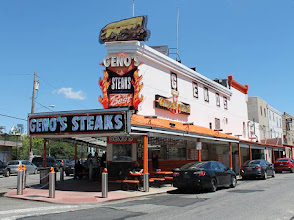 Sure, no matter where you live it’s referred to as a “Philly Cheesesteak”. But what about the city itself? Calling Philadelphia “Philly” is a privilege reserved for its residents… or so I thought until I asked my niece. “Oh, heck no“, she said. “It doesn’t matter whether you’re a local or not – you always call it ‘Philly’. Call it ‘Philadelphia’ and it’s pretty obvious you’re not from around here.”
Huh. And here I thought city nicknames were reserved for those who actually lived there. Maybe this is Philly’s way of sharing “brotherly love” beyond its downtown streets.
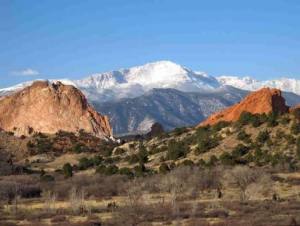
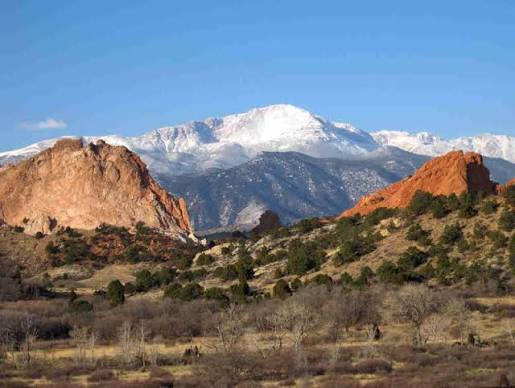
“The Garden” in front of “The Peak” I find it interesting how locals come up with jargon for the places in which they live. It’s a semi-secret language that can only be learned by spending enough time there. When we lived in Colorado Springs the city was never referred to by its full name, but instead by just “The Springs”. (A visitor might wonder why you weren’t referring to adjacent Manitou Springs instead.) Pikes Peak, the mountain forming the majestic backdrop of The Springs, was always just “The Peak”. Garden of the Gods and its famous sandstone rock formations was always just “The Garden”. And so on.
 Maybe all of this name-shortening is a nod to the more relaxed world we live in today. Corporations could be said to use jargon as well. Remember when it was “Federal Express” instead of “FedEx”? “McDonald’s” instead of “Mickey-D’s?” Kentucky Fried Chicken instead of “KFC”? Even “Subway” was once known as “Pete’s Super Submarines”. Credit American Express – they might’ve been the original shortener of names. “Amex” has been used since the company’s founding in 1850.
Cities may have their nicknames but I also think I’ve heard a few imposters. Seriously, does anyone refer to San Francisco as “Frisco” when the more common option seems to be “San Fran”? Chicago will always be “The Windy City” to me; not “Chi-Town”. Dallas is too short a word to mess with so you’ll only get “Big D” from the locals on occasion. And more recently I’ve heard “Cali” and “So-Cal” out west but I couldn’t tell you if that’s what the locals go with.
 Washington D.C. is “D.C.” whether you live there or not. St. Petersburg just sounds better as “St. Pete”. Oklahoma City is “OKC” just like New York City is “NYC”. I never grew up in Los Angeles but I did grow up in LA… maybe like you grew up in KC, Indy, or Cincy. Where does all of this jargon end? Right here… right now… at the end of this blog post where, now that I think about it, you’re welcome to call me “Dave” instead of “David”.
———————————————————–

LEGO Neuschwanstein Castle – Update #9 (read about the start of this project in Fit for a (Fairy Tale) King
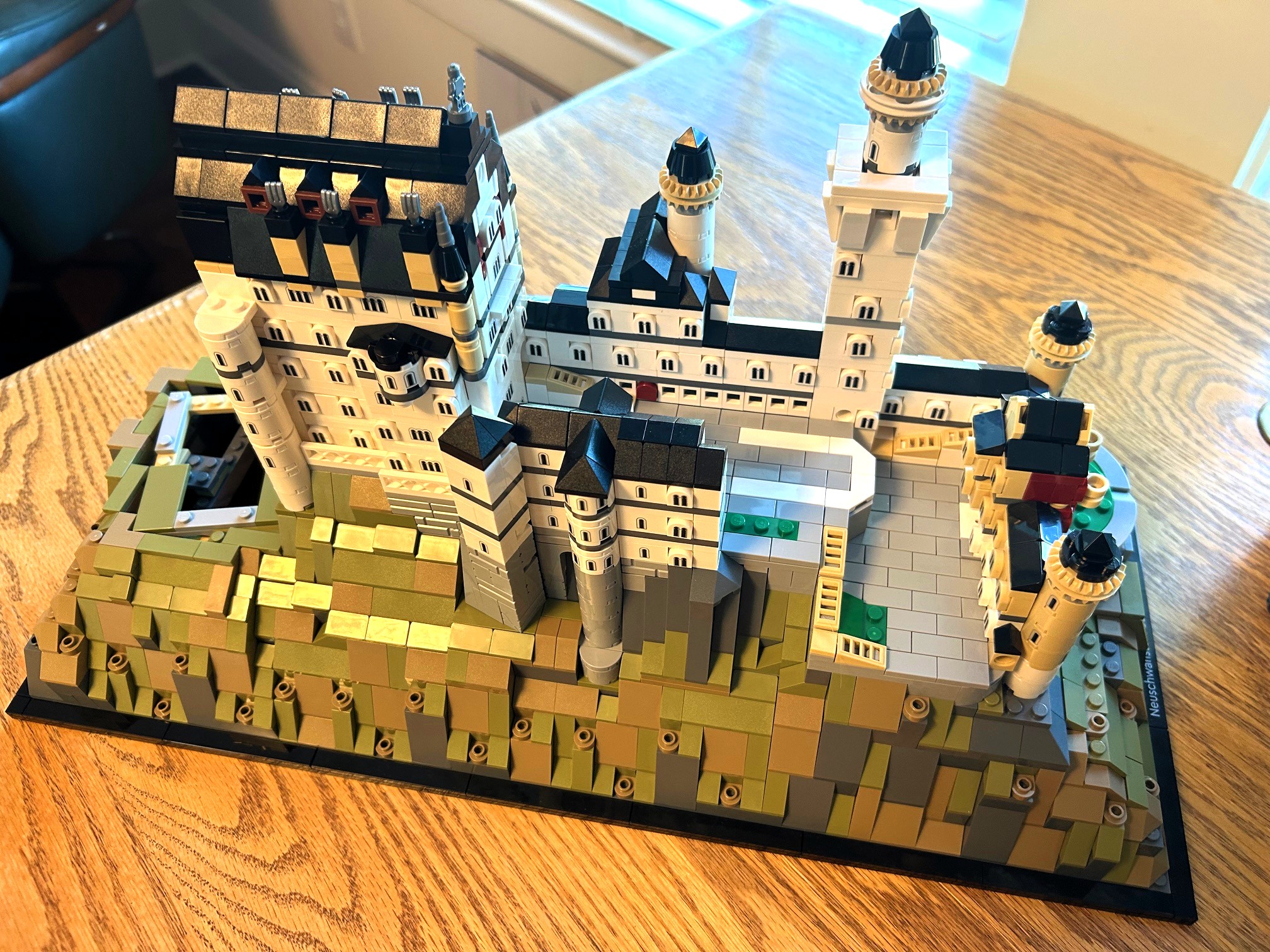
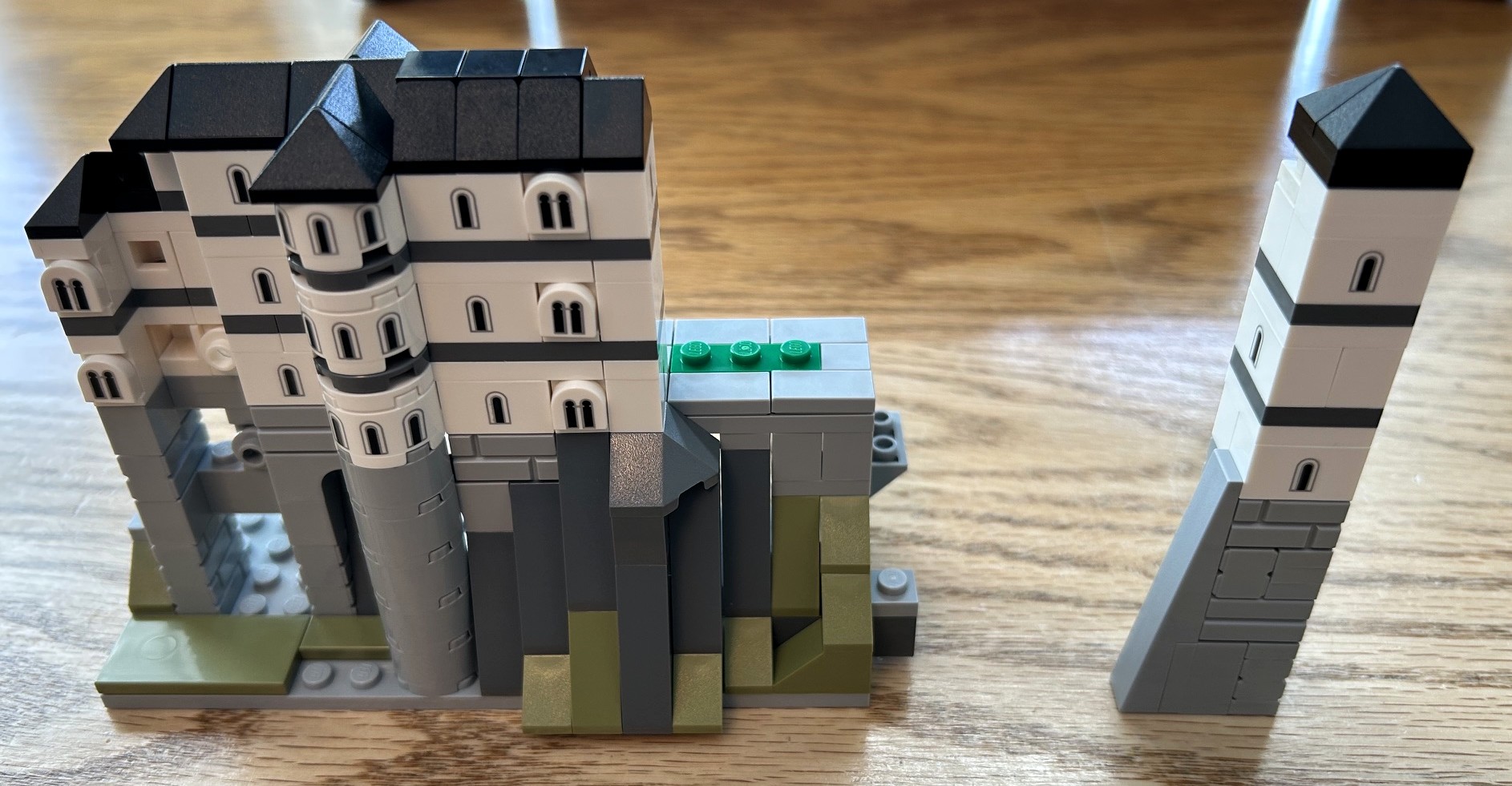
Do you recall how we added the “Palas” (living quarters) to the castle the last time around? Apparently King Ludwig needed two of these structures. Bags 17 and 18 (of 23 bags of pieces) finished off one Palas and began another – the latter building at the far west end of the castle complex. All of a sudden we’re entering the home stretch of this entire project. Next week’s LEGOs will complete the castle itself, while the following week’s will give it a final flourish of landscape elements.
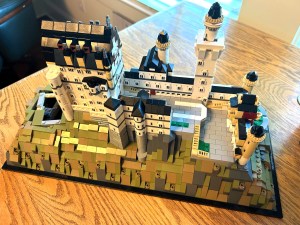
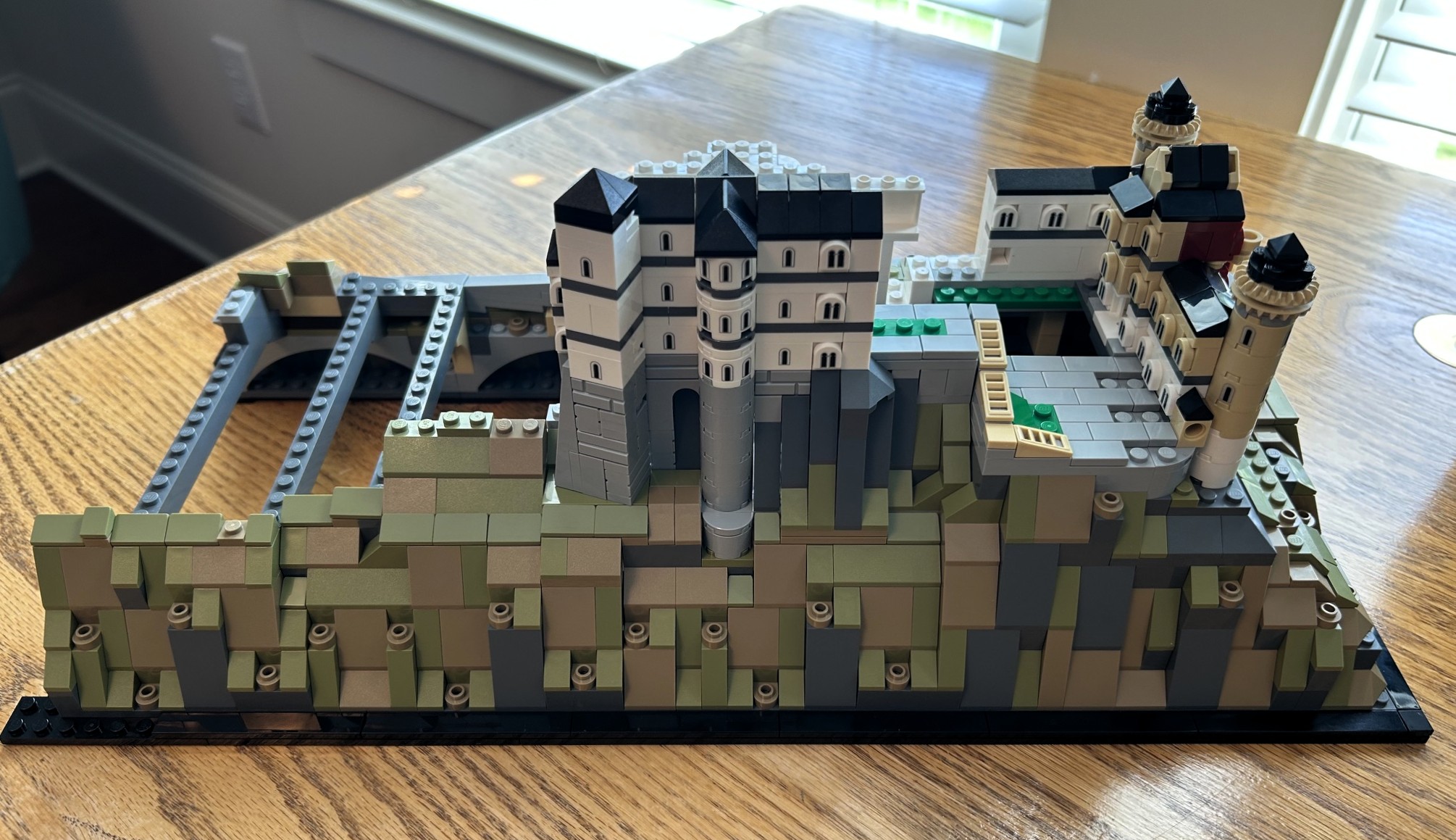
The “Palas” is the very tall element on the left As you can see above, Palas #1 has been completed and installed. For the record, “completed” was much easier than “installed”. When you build an element like the Palas separately from the overall model, it’s a delicate process to bring the two together. You have to position the structure just right before you snap it down in amongst the rest of the castle. Easy to illustrate in the instruction manual; not-so-easy to do in reality. My first attempt was a mini-disaster, loosening several pieces from the castle base. My second attempt – mercifully – came together with a satisfying series of LEGO clicks.
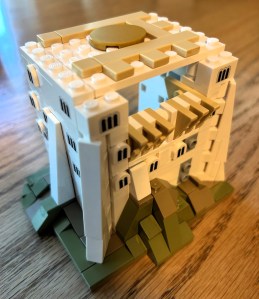
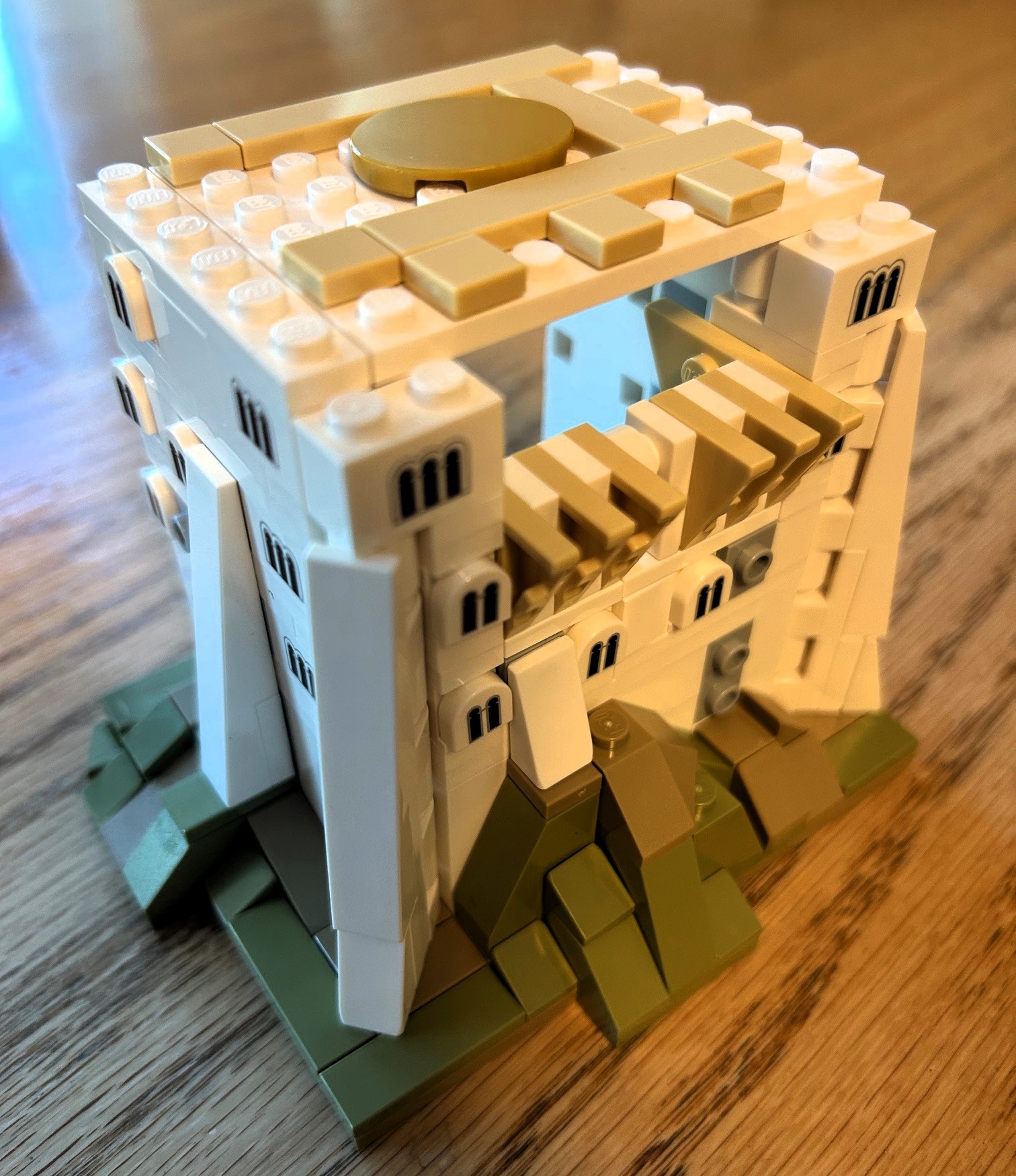
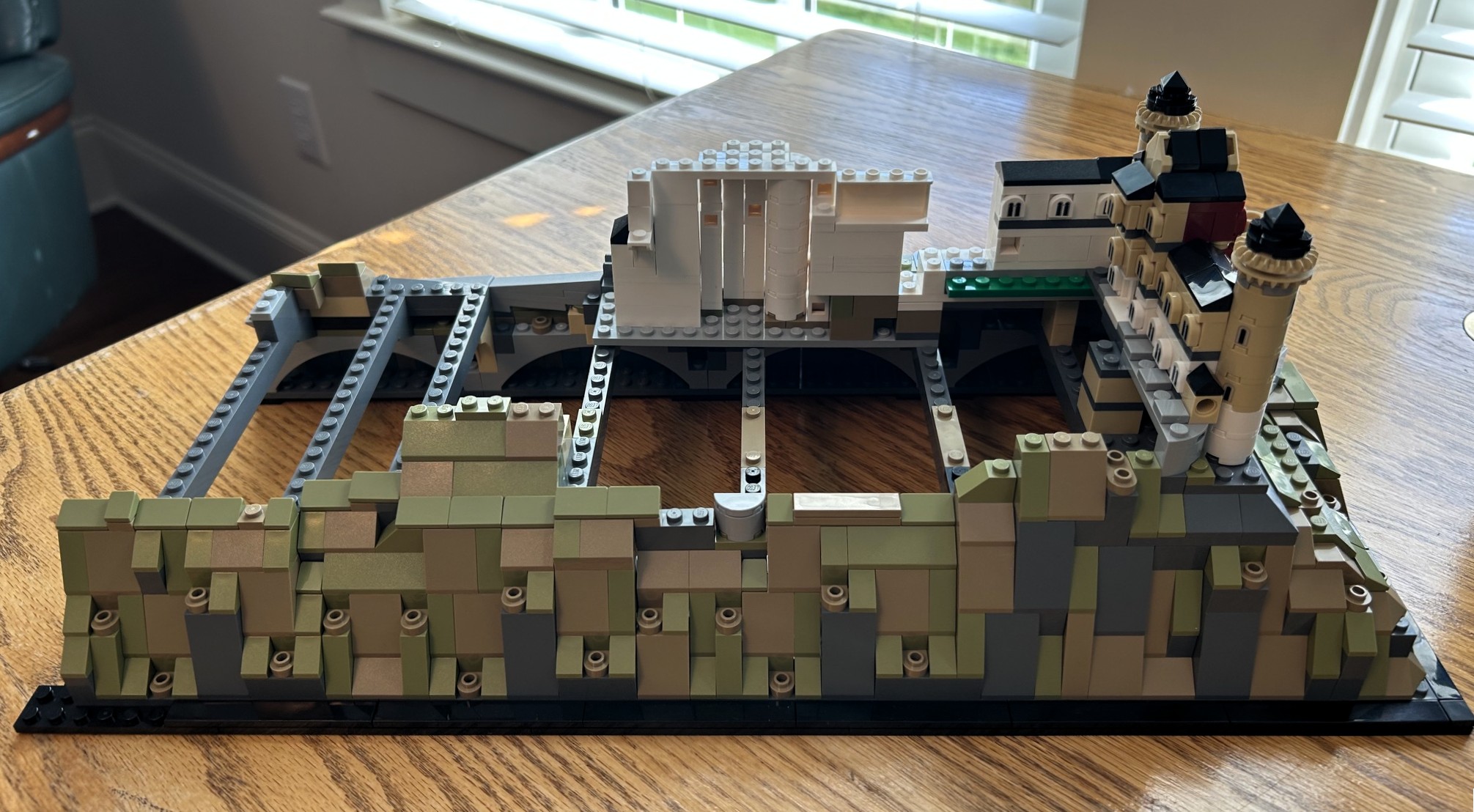
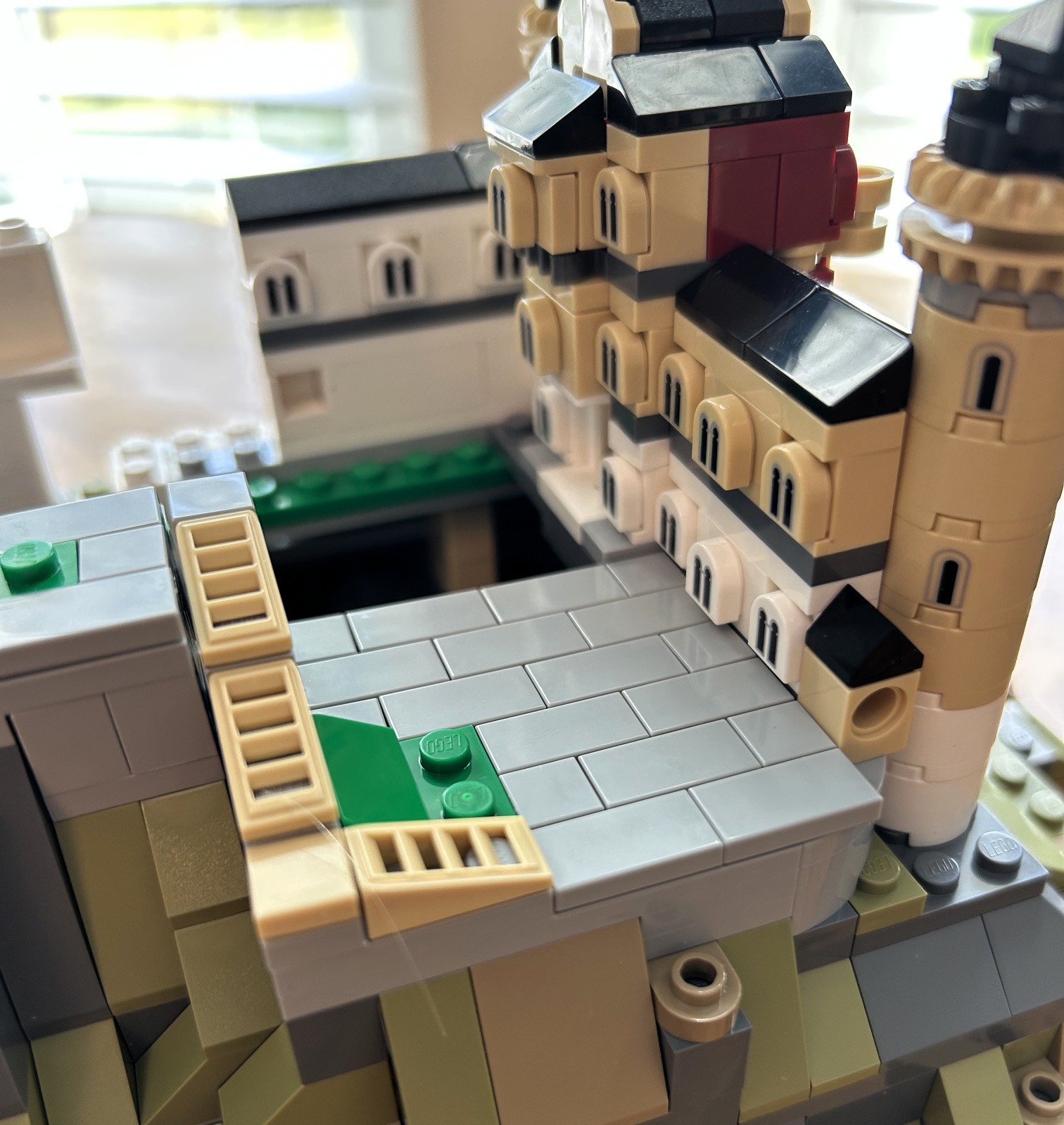
Palas #2 Here’s a look at the “Western Palas”, still under construction and destined for the askew foundation you see on the far left of the larger model. Palas #2 includes a two-story balcony for views of the surrounding Alps (the big opening on the top floors of the structure), and a whole lot of living space underneath that was never ever completed. The Western allocates two floors to a “grand throne room”, also never completed. I find it sad, for all of the details of this wondrous castle, Ludwig never sat on his throne, let alone in a throne room from which he would’ve/should’ve performed his royal duties.
Running build time: 9:32
Total leftover pieces: 59 (!)
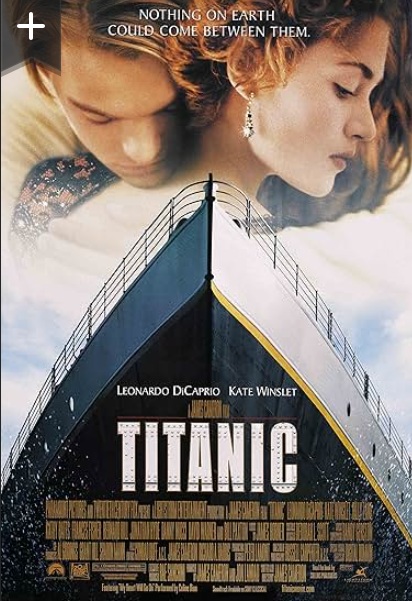
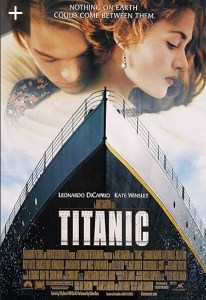 Accompanying movie soundtrack: Titanic (1997). It wasn’t my plan to go with the epic of the sinking ship, not today nor in any chapter of this build. But the music from Field of Dreams – a favorite movie of mine – just didn’t deliver the goods. Like Chariots of Fire, all you get with Field of Dreams is its theme song followed by random bits of music. Don’t save it to your listening library. But its composer James Horner scored Titanic as well, and for this one the Academy Award was well deserved. Subtract Céline Dion’s “My Heart Will Go On” – the song just overlaps the ending credits. The real magic of this soundtrack is in the haunting instrumentals and wordless vocals. The theme song starts with the wailing tin whistle and morphs into the utterly lonely vocals, brought to you by the incomparable voice of Norwegian soprano Sissel. It echoes the despair and futility of it all – literally – which is exactly what Horner intended. Listen to it here.
Some content sourced from Wikipedia, “the free encyclopedia”.
-
Thinking Inside of the Box
When my wife and I travel we toe the line on the weight limits the airlines impose on baggage. Our suitcases, looking ready to burst, always come in at 48-point-this or 49-point-that on the front counter scale. There’s a sigh of relief when we don’t hit the number where we’d have to pay more. So call it unfamiliar territory when my suitcase was only two-thirds full for a weekend getaway earlier this month. I mean, there was space in there still looking to be filled. I was tempted to throw in the pillow I sleep on just to keep everything from jostling around. It was a dilemma that came back to me just this morning over breakfast.
 Allow me to introduce you to one of my favorite foods. Nature’s Path Organic produces grain-based cereals with the rare double-win: they taste great and they’re good for you. Nature’s Path combines exotics like amaranth, quinoa, millet, and spelt, and somehow makes them taste delicious alongside a little fruit and milk. My wife loves their “Golden Tumeric” variety while I prefer their popular “Heritage Flakes”. Sometimes I go with the sweeter “Flax Plus Maple Pecan Crunch”. Trust me, breakfast cereal has come a long way since Kellogg’s Corn Flakes.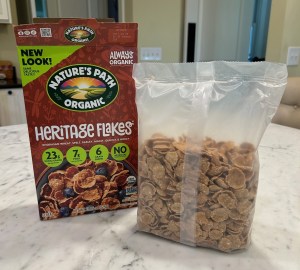
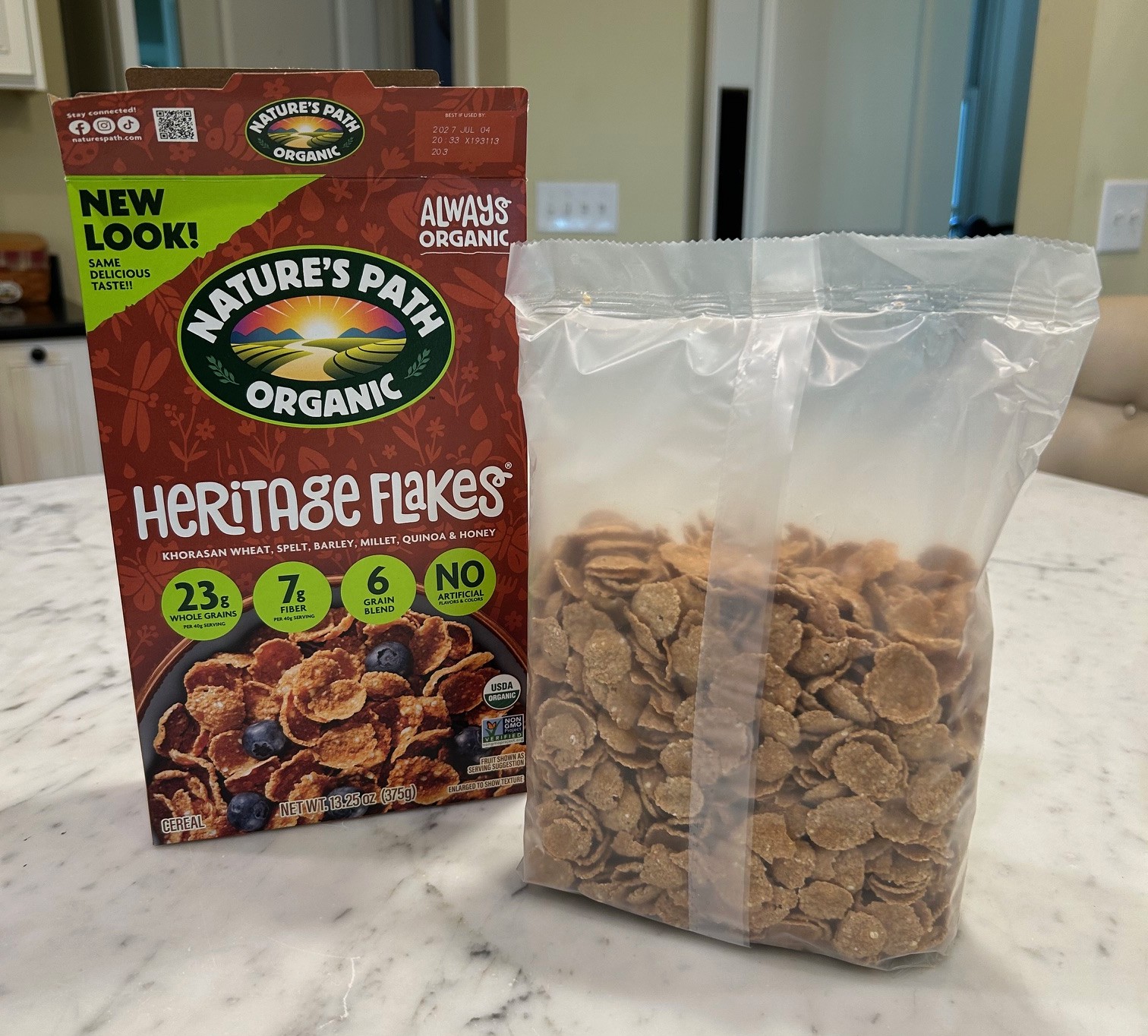
Two-thirds full (probably less) What hasn’t changed about breakfast cereal however, is the amount of product you find in the bag when you first open the box. The photo you see here is a source of constant irritation for me. You have a box, a bag, and some cereal. The size of the bag is consistent with the size of the box. So why-oh-why (like my recent suitcase) is the bag only two-thirds full? Why not a) dial up the setting on the bag-filling machine to top things off, or b) reduce the size of the box to match the amount of the cereal?
This is the age-old game manufacturers choose to play with us consumers, of course. As production and material costs rise, they find subtle (or not-so-subtle) ways to make us believe we’re buying the same amount of the same product for the same price. At least Nature’s Path doesn’t swap out their ingredients for some chemical alternative. But they do fill the box with air along with the cereal. Honestly, I wonder if the box was ever completely full.
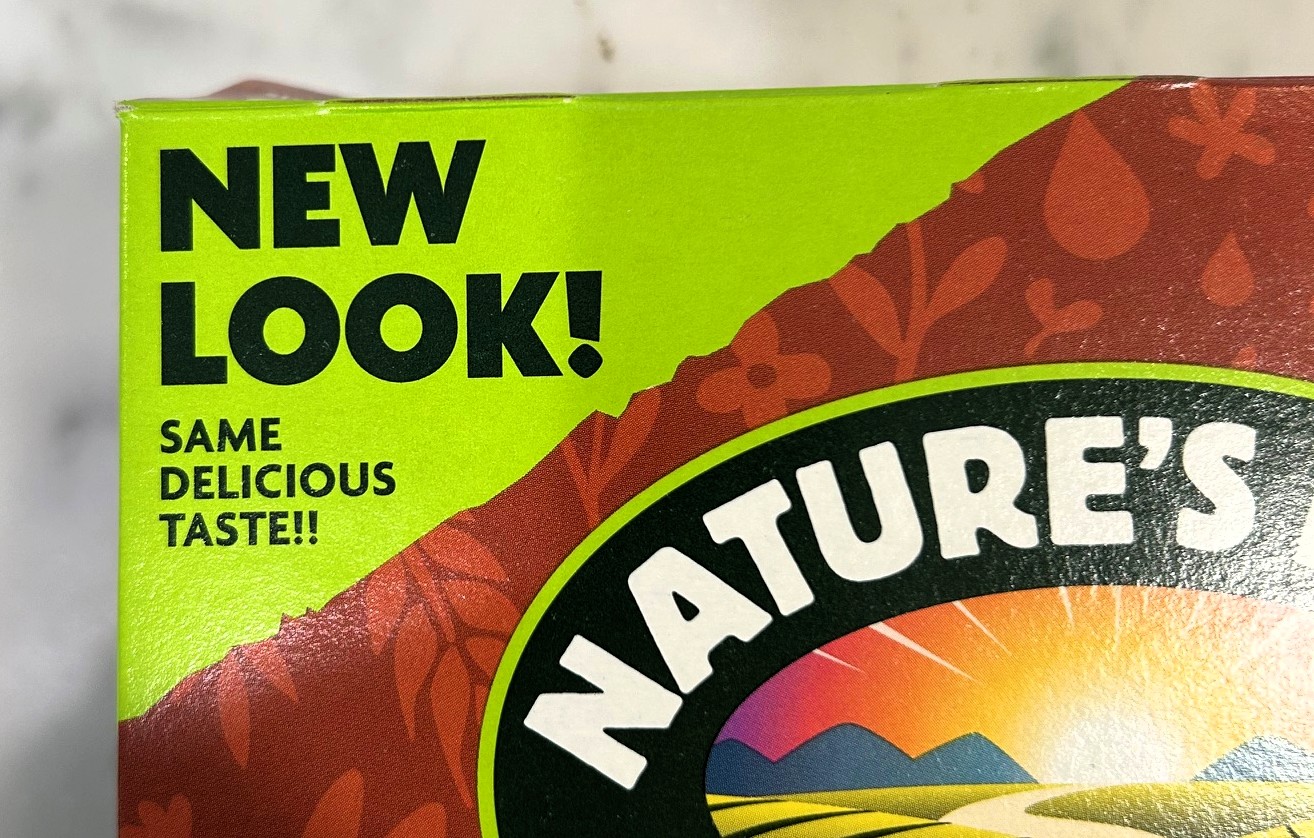
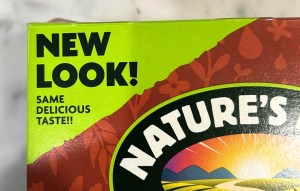 Here’s another sales ploy. Nature’s Path claims this cereal has a “new look” with the “same delicious taste”. What exactly is the new look (and do I even remember the “old look”)? Did the flakes change shape or size or is it the box that has a new look? More importantly, why would I care about a new look when all I want is the same bowl of cereal I bought last time? What aren’t they telling us here?
Texture matters because…? Now note the fine print at the bottom right corner of the box. First we have a disclaimer of “fruit shown as serving suggestion”. Followed by “enlarged to show texture”. Both statements let me know that what I see is not what I will get. There is zero fruit in the box. The cereal flakes are not as large as the photo suggests. And for today’s water cooler question, does cereal flake texture make it more likely you’ll buy a box?
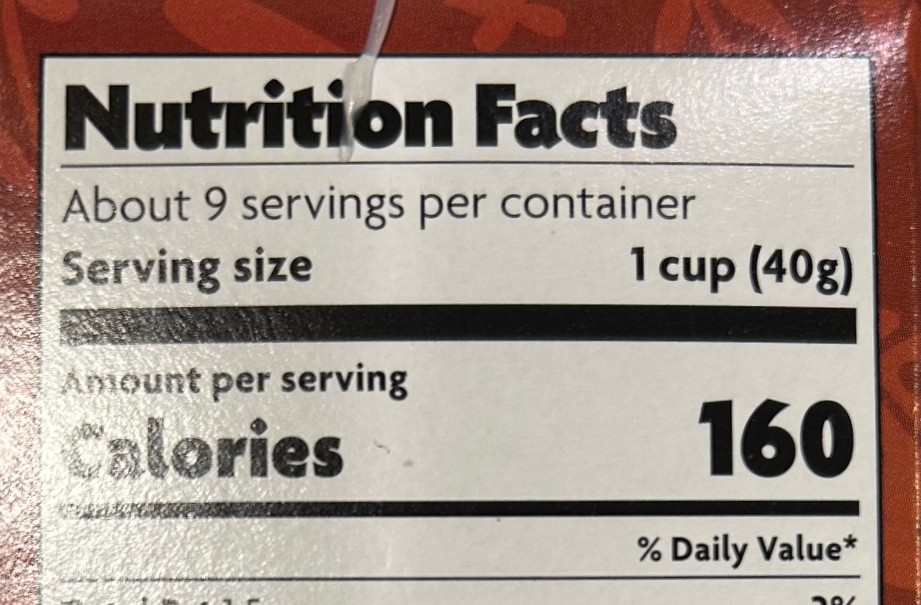
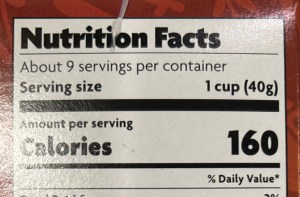 Finally – and this one probably goes back to the early days of cereal production – the “serving size” suggested by Nature’s Path is one cup. One cup. Try the following some time: Without measuring, pour out what you’d think would be one cup of cereal into a bowl. I guarantee you’ll pour more than a cup. Imagine the saddest, smallest portion of food you will ever see and I present one cup of cereal in a decent-sized bowl. But “one cup” allows Nature’s Path to boast “about 9 serving per container”. No sir. My serving size (and yours) means I’m lucky if I get four bowls out of the entire box.
 Look, I get it; organic foods are expensive. A box of Heritage Flakes would run me ten dollars or more if Nature’s Path filled the bag to the top. Add blueberries and milk and it’s an even pricier breakfast. But I’m willing to pay more for flakes instead of air. I suggest Nature’s Path go with the plan for my two-thirds-full suitcase instead. Throw in a giant marshmallow to take up all of that extra space.
———————————————————–
LEGO Neuschwanstein Castle – Update #8 (read about the start of this project in Fit for a (Fairy Tale) King
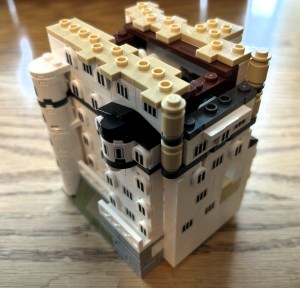
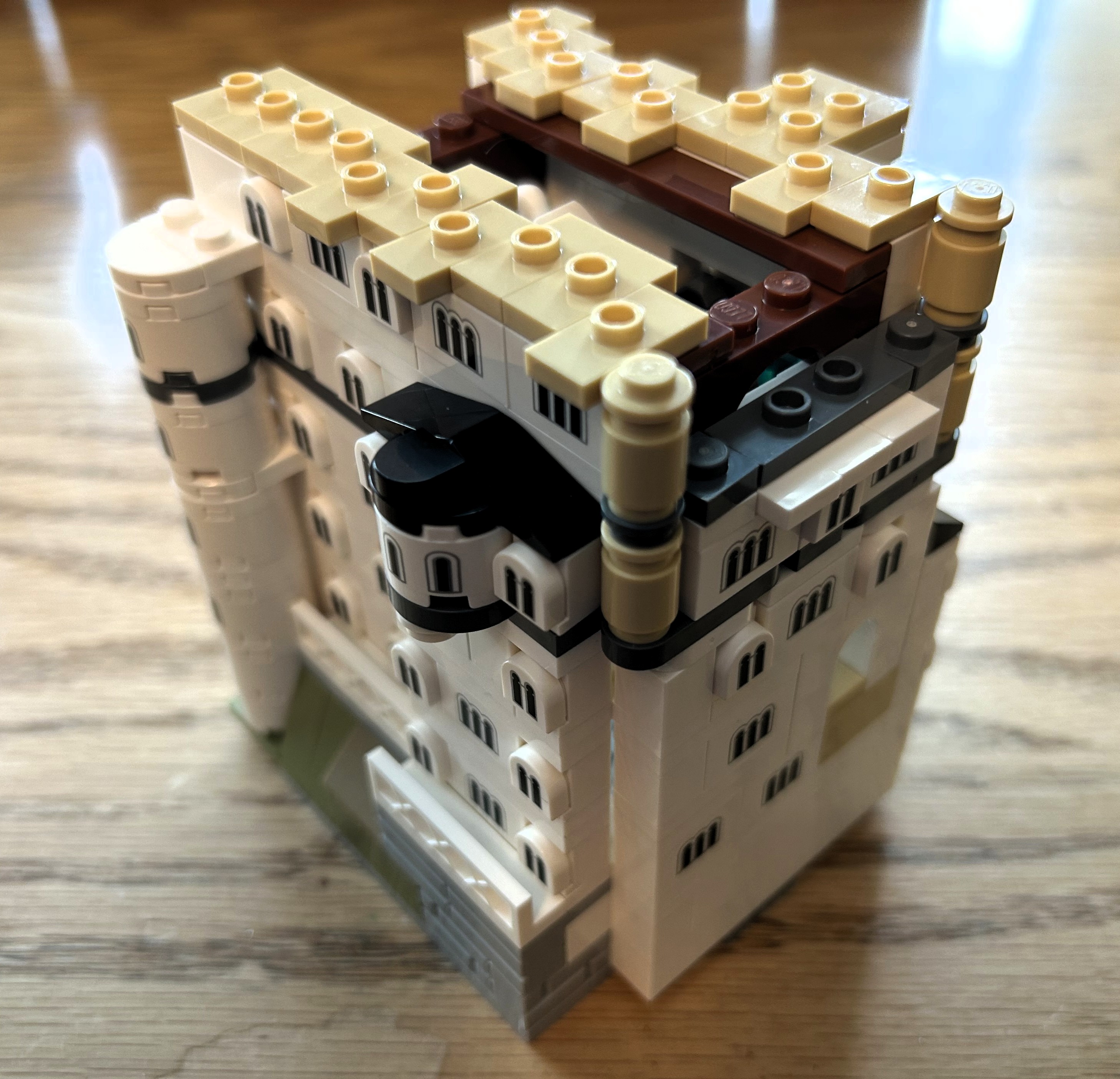
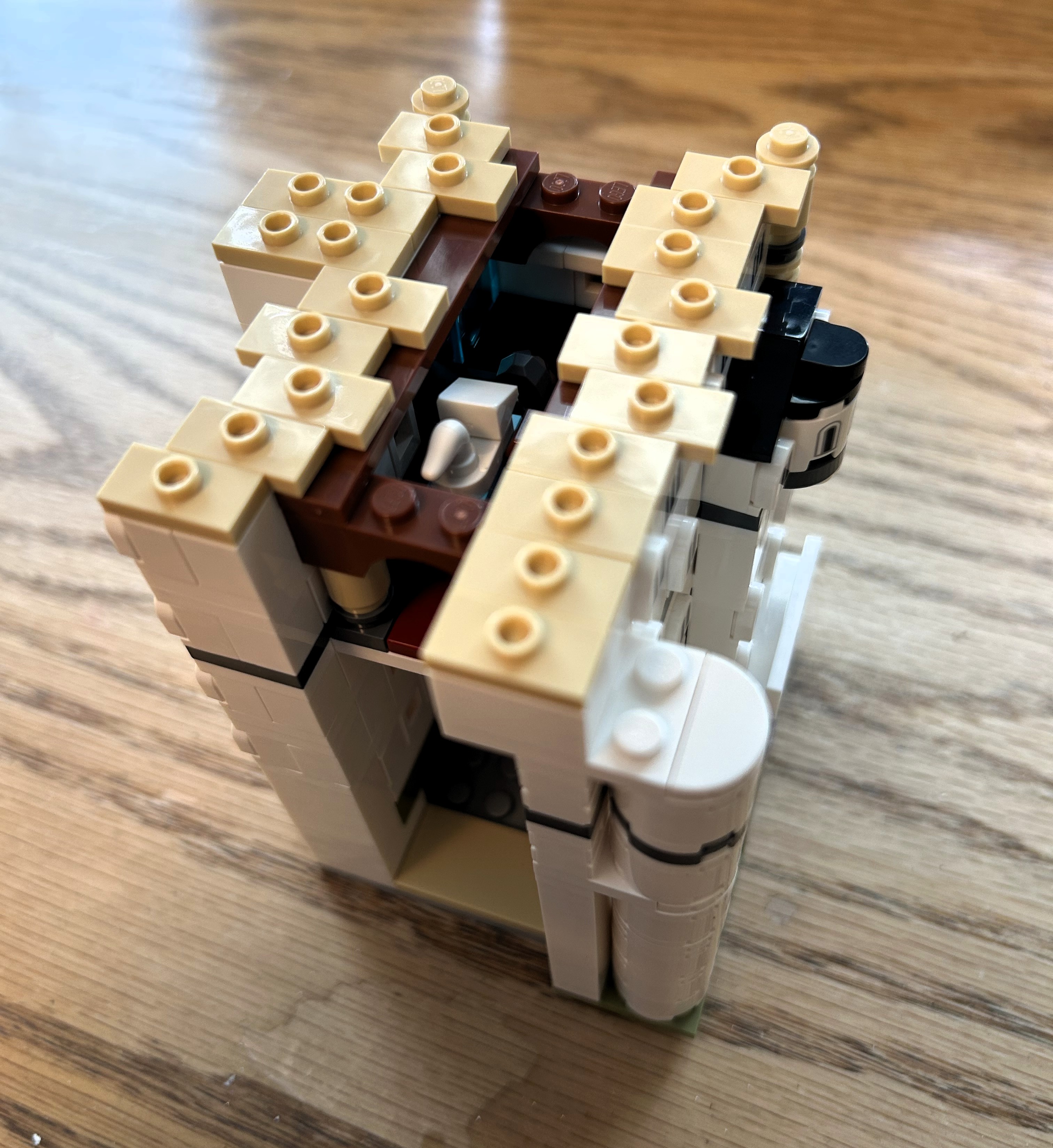
Neuschwanstein Castle’s (unfinished) “Palas” Today’s construction felt like building a miniature castle within the walls of a much larger one. Bags 15 and 16 (of 23 bags of pieces) were entirely dedicated to the “Palas”, Neuschwanstein’s main residential structure. Within the walls of this building you’ll find King Ludwig’s stateroom, his servant’s quarters, a conservatory, a salon (a room to entertain guests), and an enclosed grotto at the very top. Makes me wonder why Ludwig needed to build the rest of Neuschwanstein, but I guess that’s just his way of showing off.
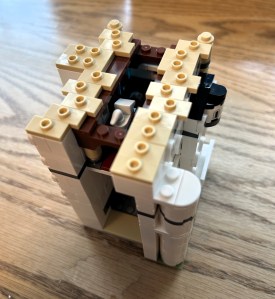
See the swan parked in the middle of the Grotto? The grotto sounds like a nice place for a king to hang out, even if the LEGO equivalent makes it look a little cramped. It’s a covered outdoor space with a waterfall, colored lights, and sliding glass doors for unobstructed views of the surrounding Alps. Pretty darned progressive for a castle built in the late 1800s.
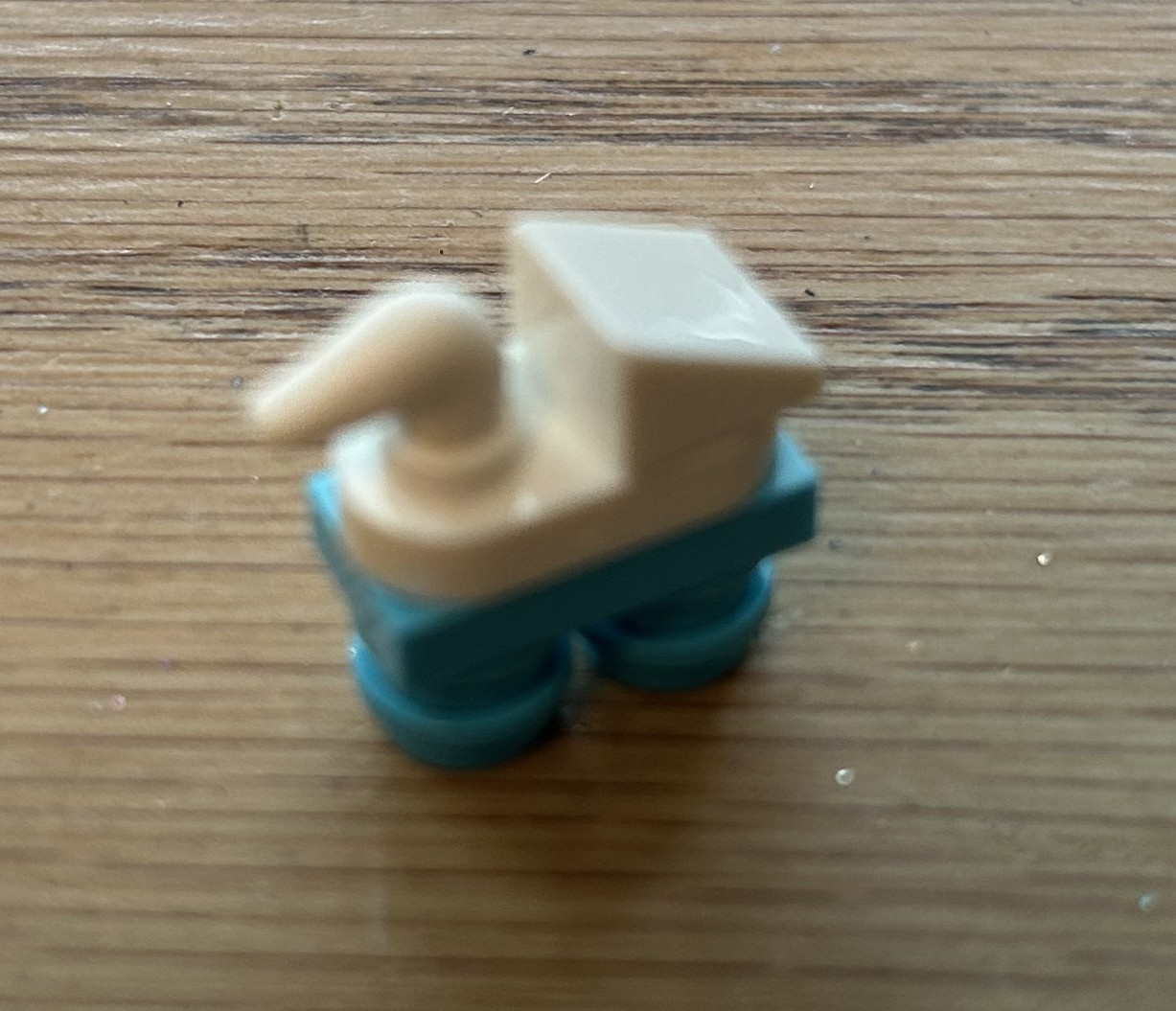
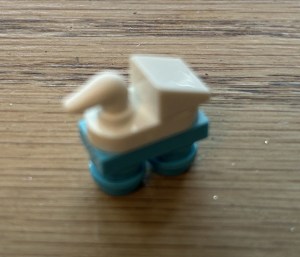 Finally, Ludwig had a thing for swans. He probably had several live ones living at the base of the waterfall but he also had the large sculpture you see above, placed prominently in the grotto. For the record, it’s a futile exercise to create a realistic-looking swan out of LEGO blocks. And the “headpiece” is so small LEGO threw in an extra one in case I somehow misplaced it.
Running build time: 7:57
Total leftover pieces: 52
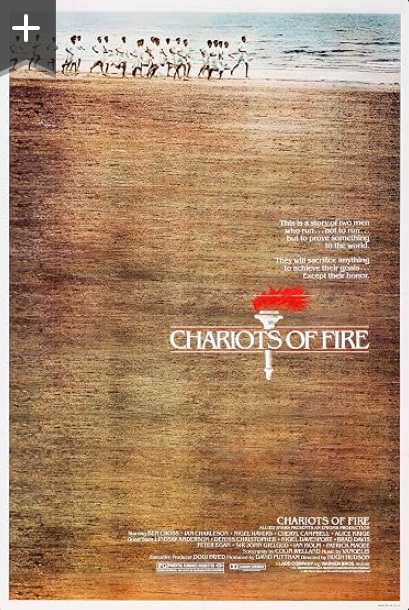
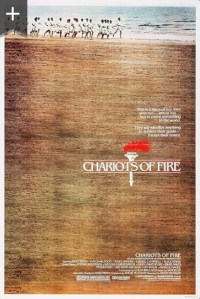 Accompanying movie soundtrack: Chariots of Fire (1981). The theme song from Greek composer Vangelis is iconic; easily one of the most recognizable pieces of movie soundtrack music ever composed, whether the leadoff with the hunting horn or the sweeping piano tune itself. The melody really does evoke images of the human body in motion. However, I was quickly reminded this film score hardly represents a satisfying listen without watching the film at the same time. The rest of the synthesizer music can only be described as bizarre. Some parts are designed to accompany dramatic slow-motion running scenes. Other parts have zero rhyme/reason when they stand alone. And right in the middle of the soundtrack you get an abrupt shift to church organ music and the voices of a beautiful choir. But never mind all that. Just listen to the famous theme here.
-
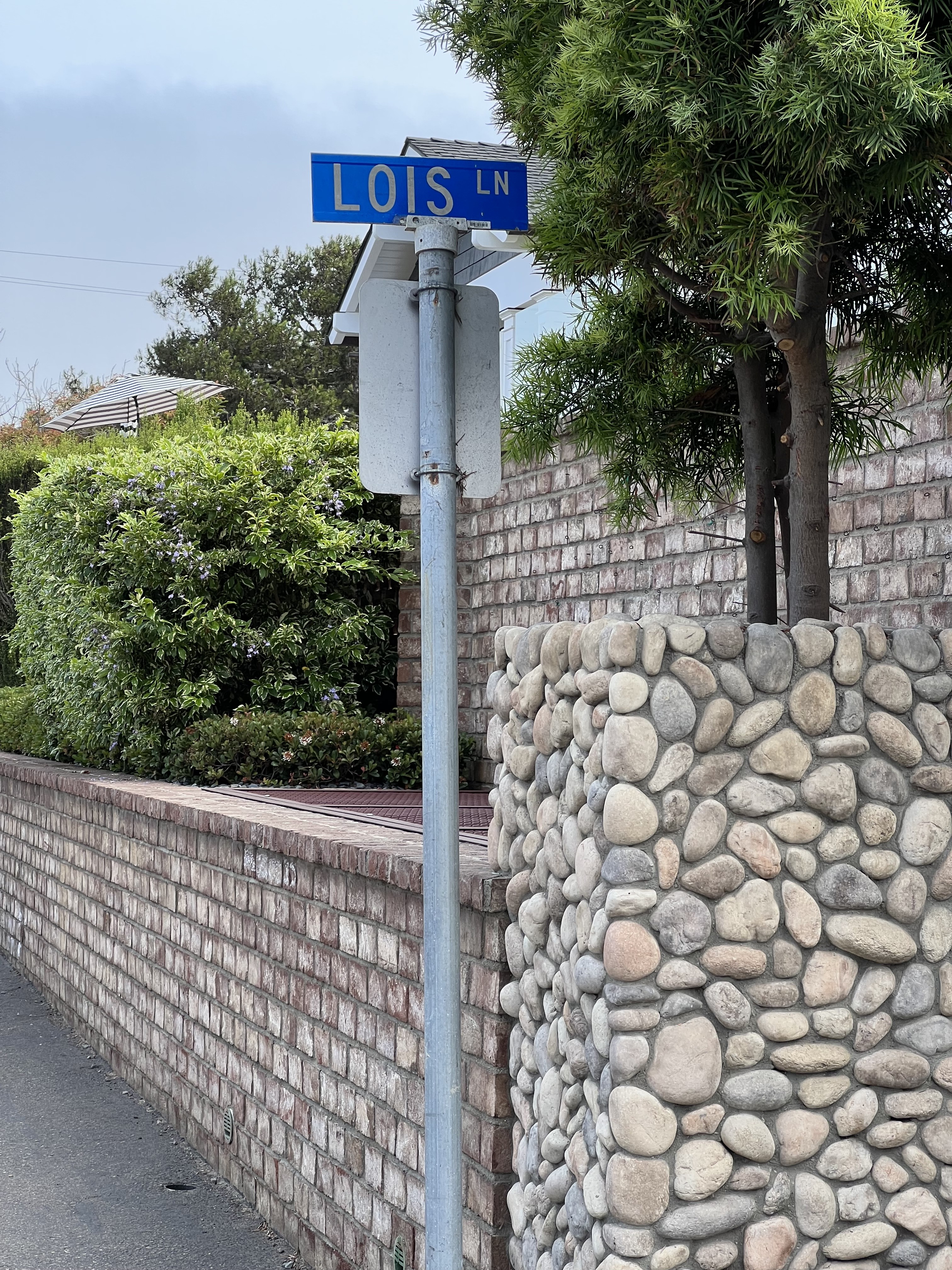
Lois Lanes
Like many towns these days, my own hosts an annual festival featuring a series of running races; the 5k on up to the marathon. My choice of those is the 10k, about six miles start to finish. Those miles give me a good tour of everything our town has to offer, including Civil War-era buildings and landmarks. But even better, the middle miles of the run go down a street I consider utterly unforgettable. After all, the street is named after my mother.
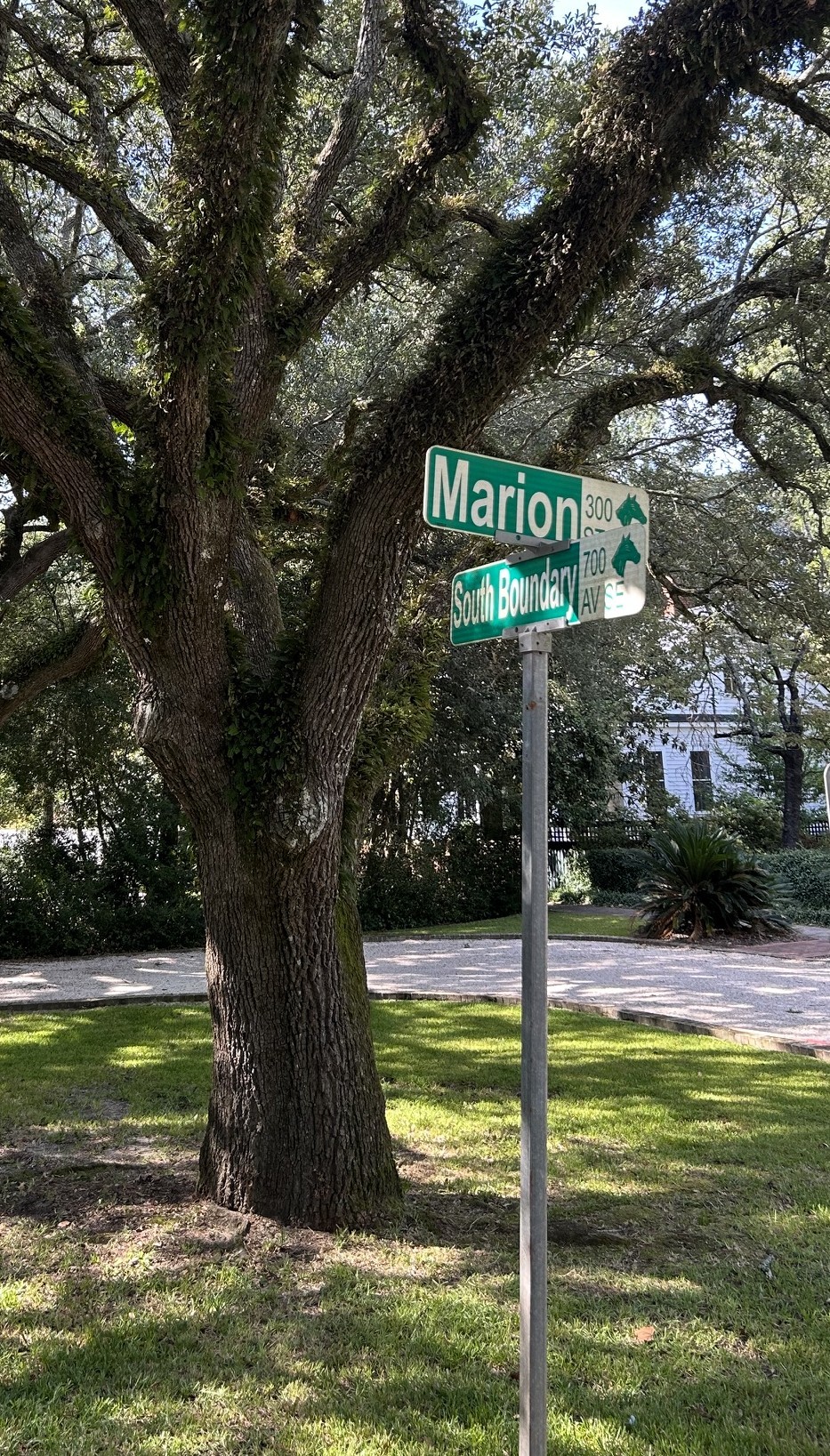
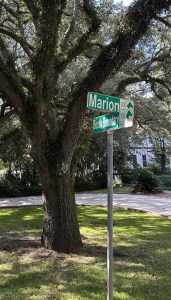 Okay, it’s safe to say Marion Street is not named after my mother because it was added to the map almost a hundred years before she was born. But the name grabs my attention because of the spelling. My mother is “Marion”, not “Marian” or “Maryann” (or however else you choose to spell it). Besides, when our town’s other streets default to standards like “Second”, and “Park”, a woman’s name smack dab in the middle of them all certainly stands out.
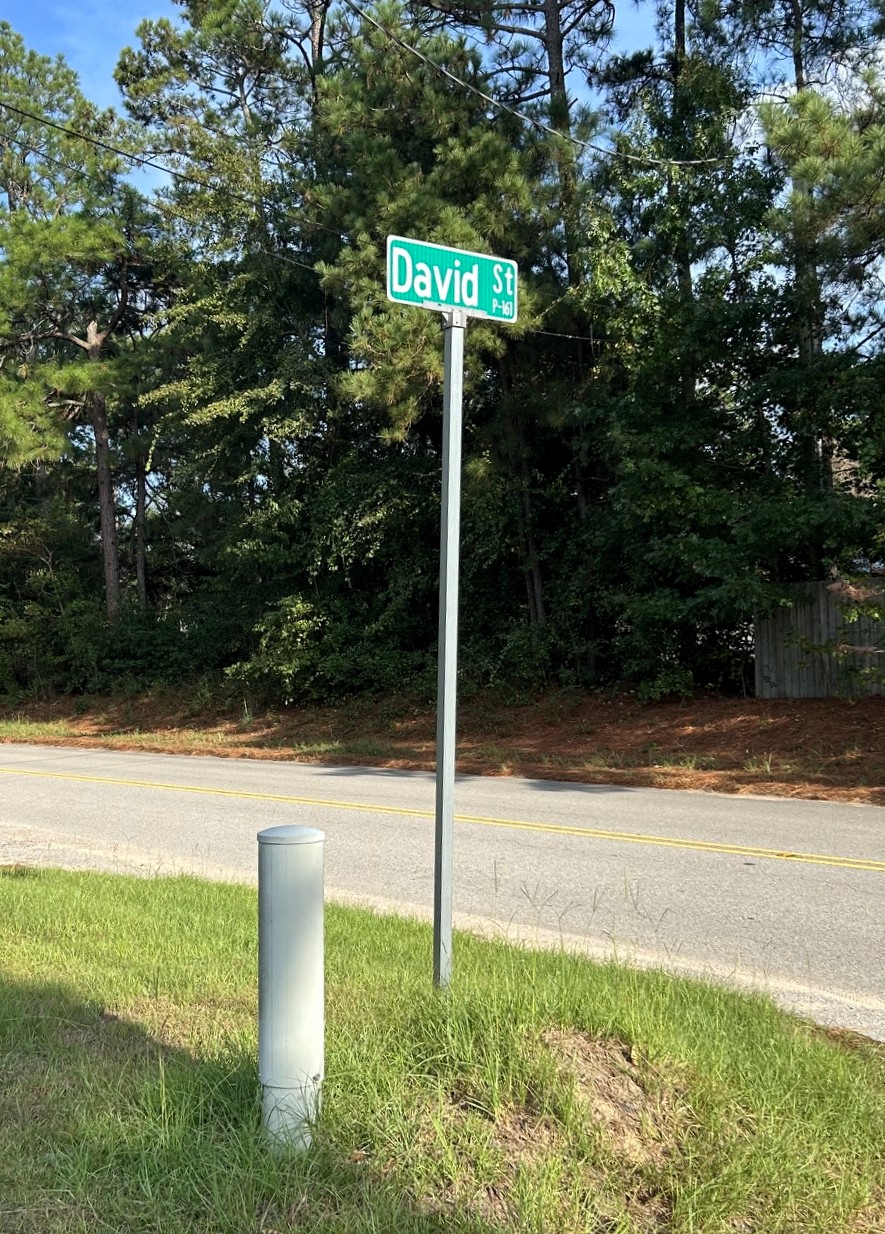
I ran the town 10k for the fourth time last April, so it was another chance to blow a kiss to my mother as I huffed/puffed down her street. But this topic never would’ve become a blog post without broadening the search a little. Which brings me to “David Street”, a discovery I made just this past weekend. Driving down a road I rarely traverse, the street sign popped up just after a curve, causing a double-take and a tap on the brakes. Marion Street and now David Street? What’s going on here?
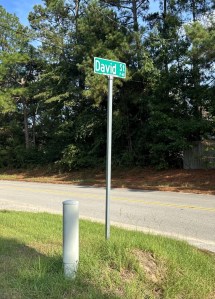
I’m a short, unpaved road. Gee, thanks. Believe it or not, the study of street names (like we’re doing today) also has a name: odonymy. “Odonyms” in U.S. cities prefer to go with numbers, trees, or landscape elements. There’s a good chance your town has a Second Street, Elm Street, and/or a Park Avenue. If you do have a street named after someone, that person was likely a U.S. president or a prominent figure in American history. And the person is most assuredly dead, because tradition says we don’t name our streets for the living.
Odonymy trivia: “Second” is the most common street name in the United States (there are over 11,000 of them), followed by “Third”, followed by “First”. Why is “First” in third place? Because “First” is often replaced by “Main” (for a town’s most prominent street) or “Front” (if that street fronts something noteworthy like a river).
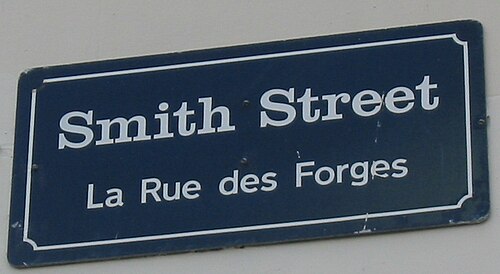
Streets used to be named for the trades you could find located on them. If a town’s grid is big enough the street names can be part of a group. In San Diego, the city chose trees in alphabetical order (e.g. “Ash”, “Beech”, “Cedar”) intersected by numbered streets, so your location at say, “Fourth and Elm” is very easy to find. Austin, TX named its streets after Texas rivers. Palo Alto, CA went with distinguished colleges and universities. And even though Tucson, AZ didn’t go with a group of names at all, they still get points for calling their streets on the diagonal “Stravenues”.
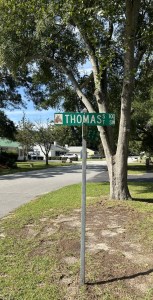
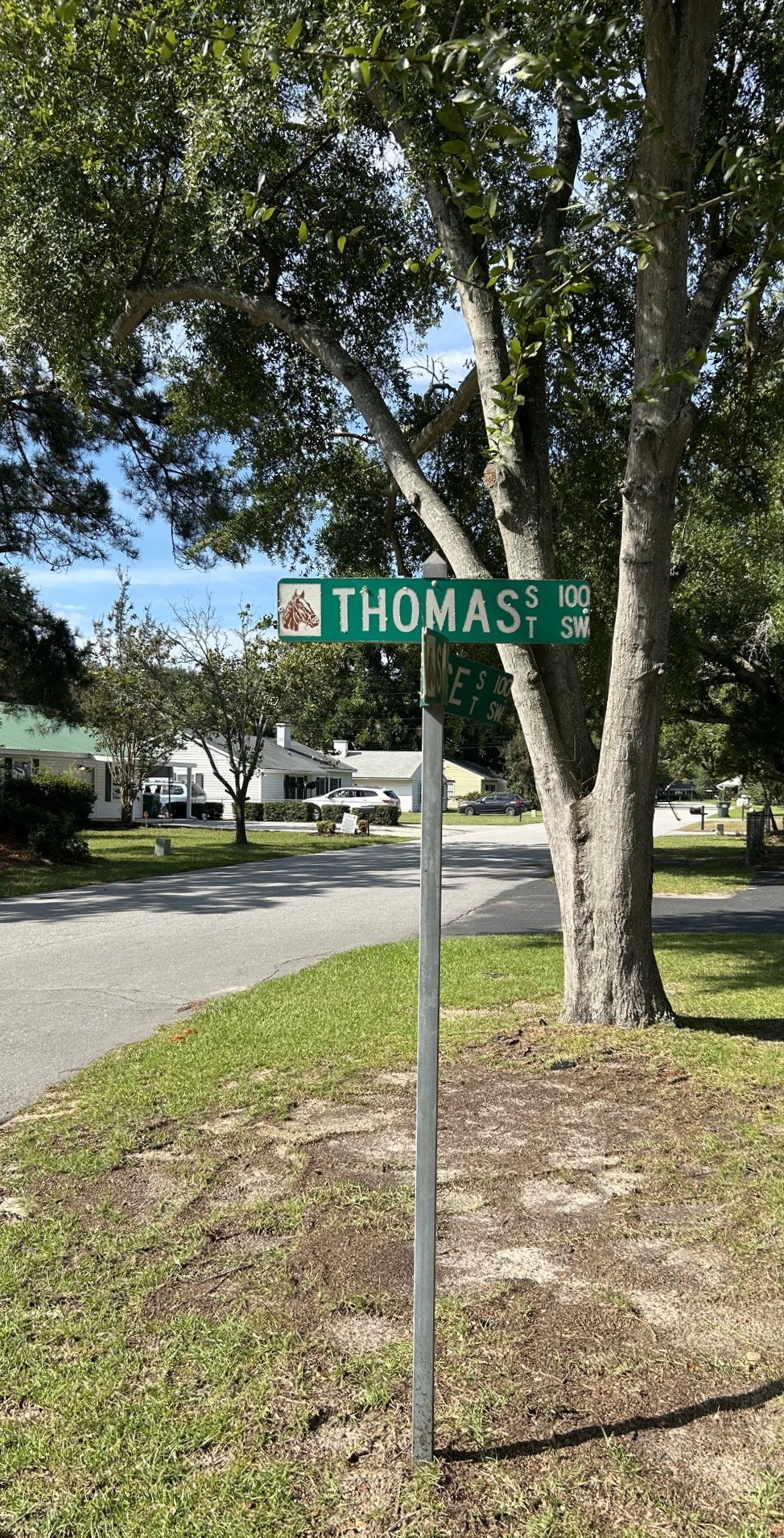
Hey, my brother’s in town! Because I can’t resist a good treasure hunt I looked up the rest of my family on Google Maps. Guess what? Of my four brothers, two are on street signs right here in town, while the other two are less than thirty minutes away. My three children are in the neighborhood as well. As for my father? Well, the nearest “Bob Street” is over two hours away, yet that seems apropos. After all, my dad was always one to endeavor far beyond his immediate surroundings.
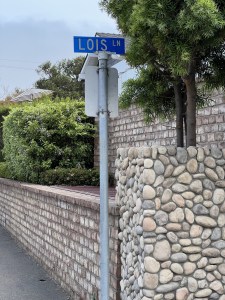 To bring us back to where this all started, the mystery of Marion Street is really no mystery at all. My town chose South Carolina counties for its street names and Marion County is one of those, just off the Atlantic coast. The name “Marion” honors Francis Marion, the “Swamp Fox” brigadier general who served in the Revolutionary War. But I prefer to honor a certain someone else instead. So every chance I get I’ll run down her street, give a little wave to her sign as I pass by and say, “Hi Mom!”
Some content sourced from Wikipedia, “the free encyclopedia”.
———————————————————–
LEGO Neuschwanstein Castle – Update #7 (read about the start of this project in Fit for a (Fairy Tale) King
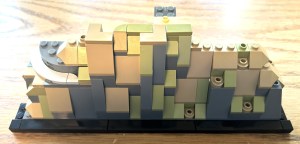
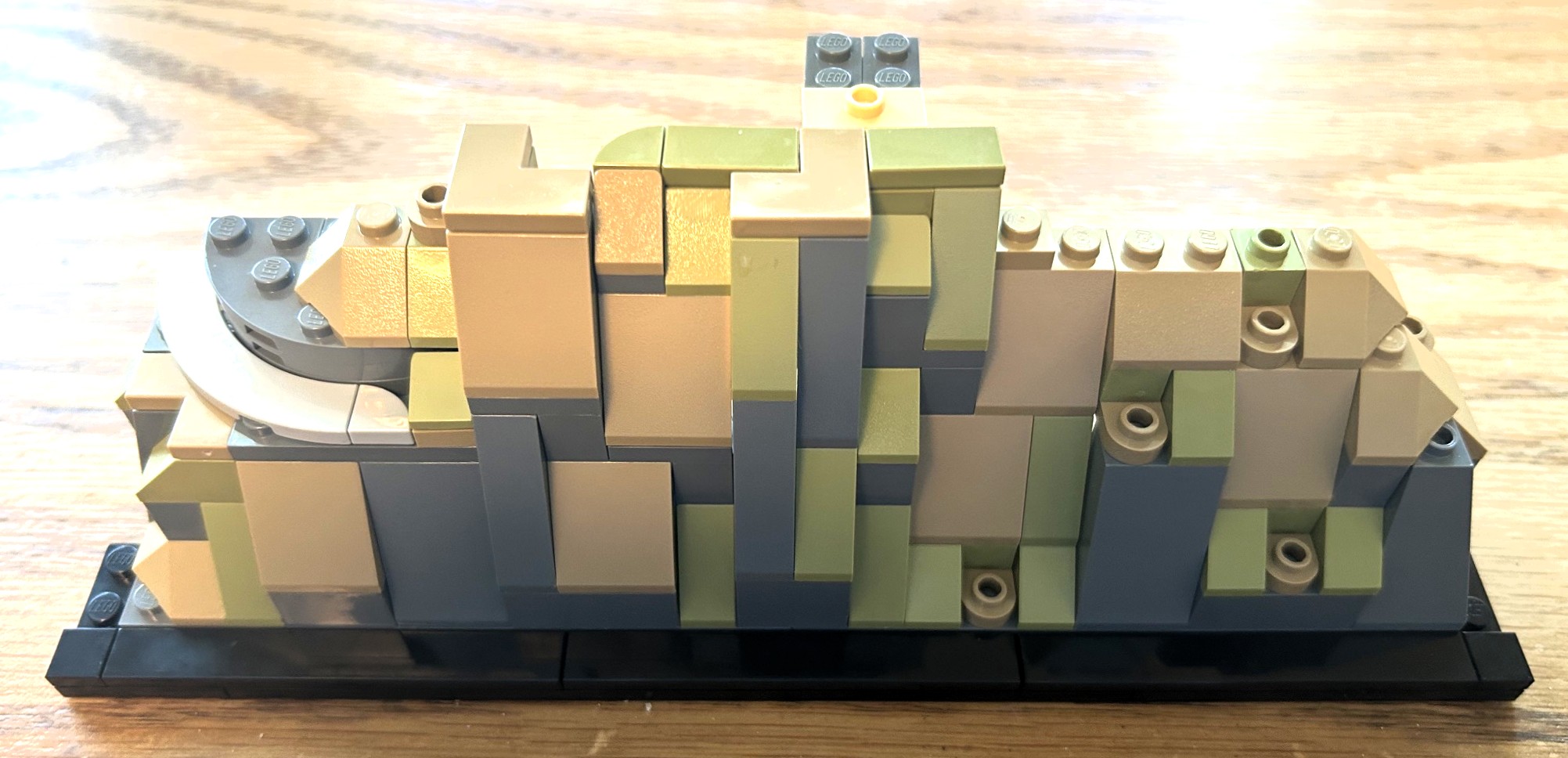
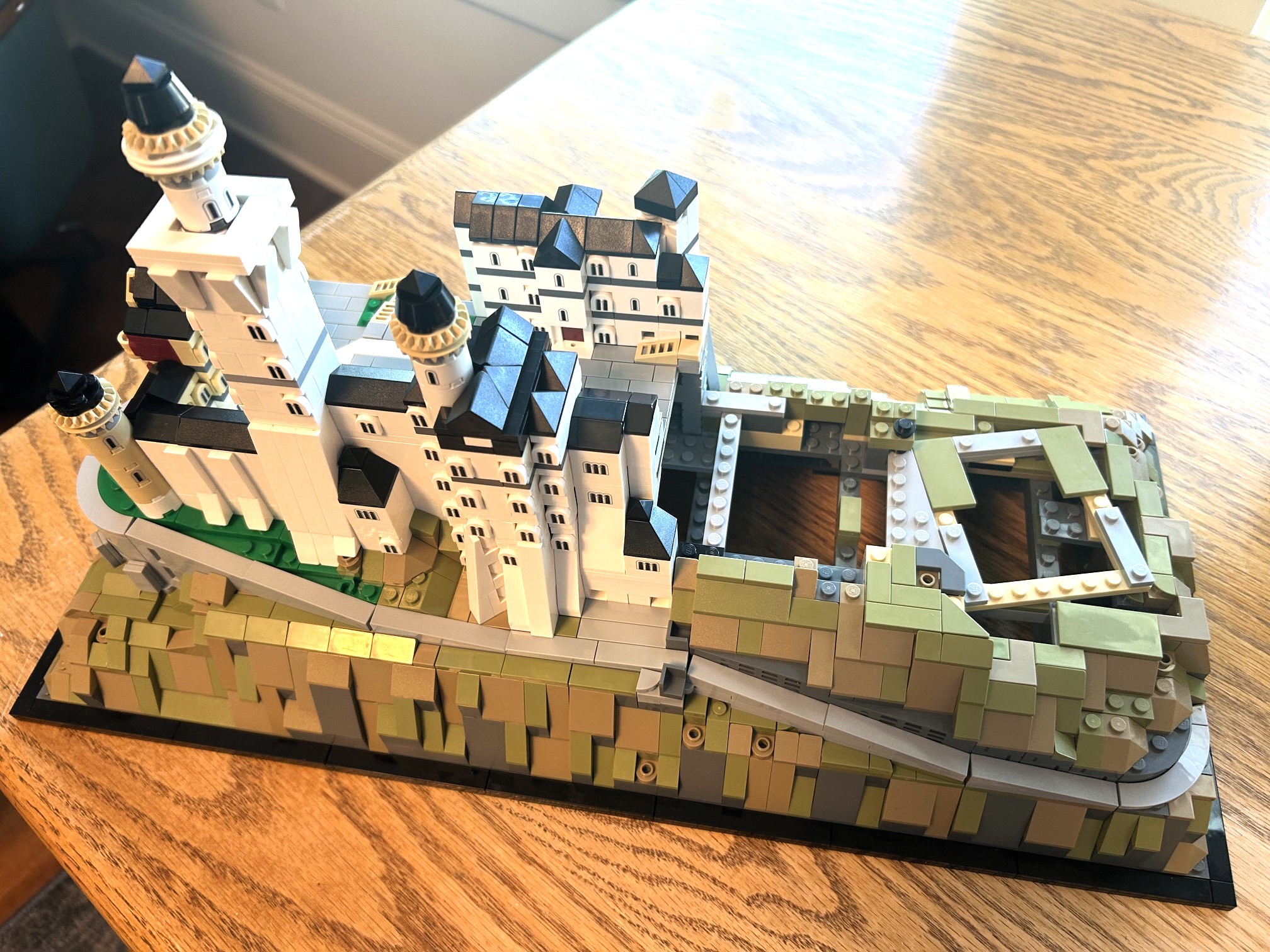
We moved more earth today. King Ludwig’s castle is determined to be the most difficult LEGO build I’ve undertaken, even if the construction has been fairly straightforward so far. Bags 13 and 14 (of 23 bags of pieces) returned to the Bavarian Alps below the structure, working to close in the far end of the castle’s earthly foundation. Today was effectively ninety minutes of adding more of the green, grey, and beige pieces you see in the surround of the model. And the build was going just swimmingly… until it wasn’t.
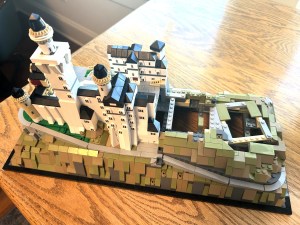
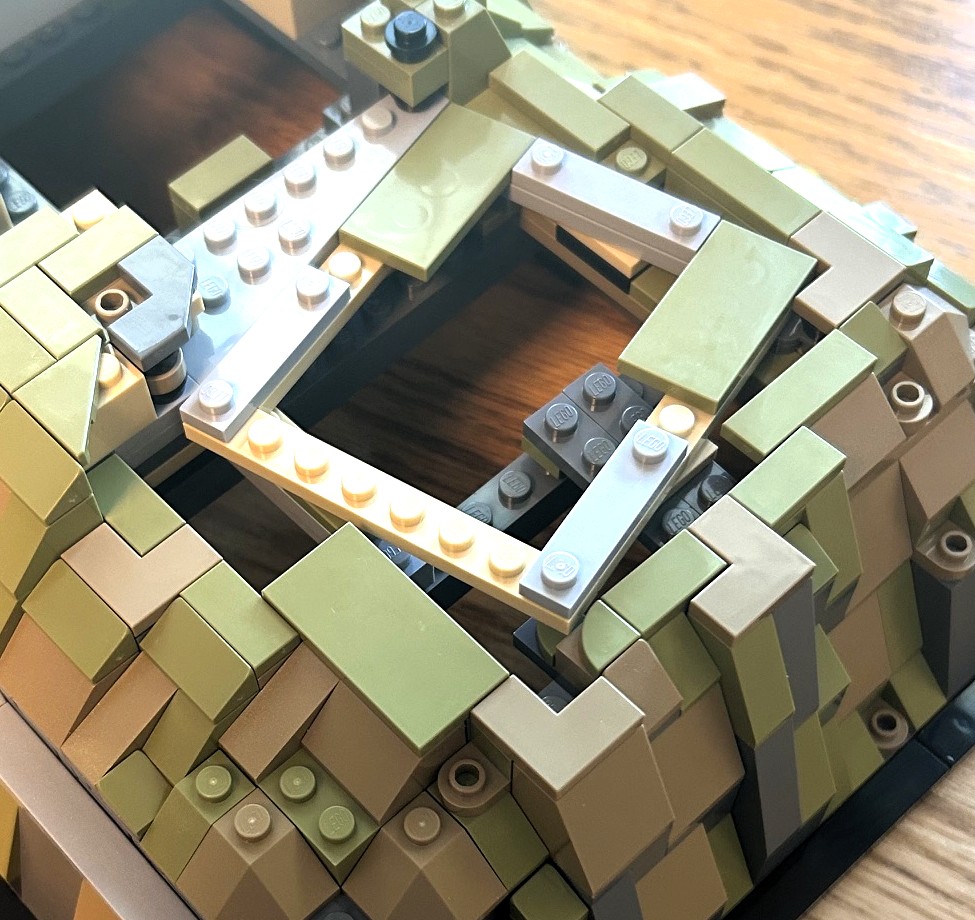
To the far right, well below that skewed hollow rectangle… a missing piece was not-so-missing after all. LEGO left another piece out of the box (or so I thought). As I wrapped up construction of the contents of Bag 13, I realized the little bugger simply wasn’t there – and it was an important little bugger. I looked everywhere to no avail. So clever me improvised by replacing the piece with a fairly similar one from my pile of leftovers. It wasn’t until I was well into the build of Bag 14 that I noticed the missing piece staring up at me from the remaining parts. Which begs several questions. 1) Did LEGO put the piece into the wrong bag? 2) Did I somehow mix up the pieces from both bags (since I emptied them out together)? Or most probably, 3) Did the piece not want to be held captive in the model and was trying to make a run for it?
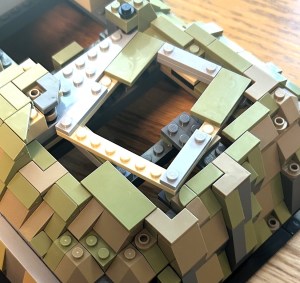
Despite what you might think, this section is constructed correctly. Whatever actually happened I managed to install little bugger where he originally belonged, but not before having to take apart a good chunk of the angled area you see here to gain access to his rightful location. You can’t even see this missing piece when all’s said and done, but it does serve as an anchor for the pieces above it so it’s kind of necessary. I’m happy to report, our little runaway is now officially captive inside of the model. Forever.
Running build time: 6:41.
Total leftover pieces: 41.
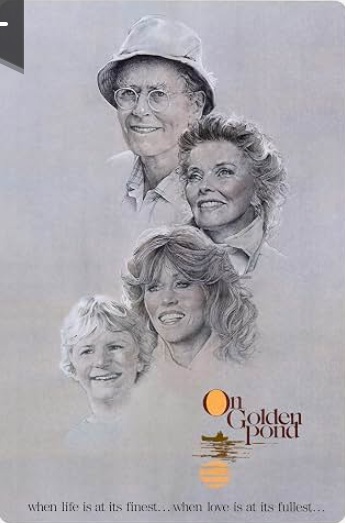
 Accompanying movie soundtrack: On Golden Pond (1981). After last week’s barrage of Italian opera solos from Breaking Away I was ready for something calmer. And it doesn’t get much calmer than the music from On Golden Pond. The story itself is not a walk in the woods (by design) but who among us baby boomers wouldn’t jump at the chance to see Henry Fonda and Katharine Hepburn in the same film? Both won Academy Awards for their performances. The soundtrack, as it turns out, isn’t much more than the movie’s theme song, a beautiful wandering piano solo with a little flute (and a few loons). So I just put Spotify on repeat and hung out on Golden Pond (over and over) for awhile. Listen to the melody here.
-
Honest Jane
Every now and then you make a mistake and then find yourself entirely dependent on the actions of others to get it fixed. As much as you might want to make things right yourself, you’re forced to sit back and hope for the best from someone else. Such was the case this past Labor Day, when my wife was so eager to deplane from our return flight home that she left her iPhone in the seat pocket in front of her. When you realize the magnitude of this kind of mistake – and it hits you after you’re long gone from the airport – it kind of takes your breath away.
 Let’s be fair. Leaving things on planes is not my wife’s specialty; it’s mine. I’ve left everything from reading glasses to a Kindle e-Reader to a really nice pair of Bose headphones behind, a sort of “Merry Christmas” to those who clean the planes. So my wife would be forgiven for her audible gasp when she realized her out-of-character mistake. And my mind promptly went to the consequences of her actions: a) A trip to the Apple Store more than an hour from our house, b) The purchase price of a new iPhone, and c) The likelihood my wife hadn’t backed up her left-behind phone (and all those precious granddaughter photos).
As it almost always does, the problem-solver in me shifted into high gear. I realized my wife had shared her (iPhone) location with me, which meant my phone could see if her phone was still on the plane. So I had her check my phone (since I’m a responsible driver) and guess what? Not only was her phone not on the plane anymore, it was moving. Down the airport concourse, away from the plane, boldly in the direction of the free world beyond.
At this point two more thoughts entered my mind. One (sadly, the first one), whomever cleans the plane pocketed the phone and was casually on their way out the door, with hopes of breaking through the passcode and wreaking havoc. Or two, an employee of the airline was carefully shepherding the phone to the front counter, where maybe-just-maybe they’d make an effort to contact my wife.

“HJ” Why wait for either scenario to play out? I told my wife, “Call your phone”. Which she did, and guess who answered? Honest Jane. Okay, Honest Jane wasn’t her real name, but after the conversation that followed it really could’ve been. “HJ” was walking down the concourse towards the front counter, phone in hand, where she intended to check the flight record for contact information for my wife. Pretty sure this long stroll from airplane to counter wasn’t part of Jane’s regular job description. But she made it sound like a walk in the park – happy to do so. Were we still at the airport (and with my wife’s approval), I would’ve kissed HJ on the cheek.
Instead, more options. Do we turn the car around and go back to the airport, rescuing the phone but adding another three hours to our drive home? Or do we ask HJ for a more convenient solution? I chose Door #2. HJ thought for a minute as she continued her walk and then said, “Well, you could set up a personal FedEx account, create a shipping label addressed to yourself, overnight the label to here, and then you’d get your phone back in a day or two.” Well bless your heart HJ, you’re a problem-solver too!
 As of this post I’m happy to report my wife’s phone has been reunited with its owner. All means of texting, social media, and exchanging of granddaughter photos has resumed. But a question remains: What to do about HJ… or more to the point, how to thank Jane for her Honesty? Trust me (and trust HJ while you’re at it), I’ll come up with something. After all, Honest Jane’s a rare breed. She deserves an attagirl.
———————————————————–
LEGO Neuschwanstein Castle – Update #6 (read about the start of this project in Fit for a (Fairy Tale) King)

We have towers! Normally I’d update you on my latest efforts of castle construction, followed by a brief commentary on the movie soundtrack I chose for my background music. Today I must cover both topics together. For the second Indiana-based movie in as many weeks (alongside Rudy), we have Breaking Away (1979). This “little” movie and its heartwarming story will always be one of my favorites. Now if only I could say the same about its score.
 Bags 11 and 12 (of 23 bags of pieces) started out innocently enough, with the creation of one of Neuschwanstein’s spectacular towers. But like Breaking Away‘s soundtrack, things went quickly south. After finishing the tower I realized I’d left off an entire level, which meant deconstructing almost back to the bricks at the base to get it right. At the same time I realized several windows from prior construction were out of alignment, which meant even more deconstruction.
 Normally I’d take these missteps in stride but the Breaking Away soundtrack was really, really getting on my nerves. I forgot one giant detail about the music – it’s all opera, and it’s all in Italian. Words of advice: don’t try linking foreign language operatic soloes to particular moments you remember in movies – it doesn’t go well. Well, except for M’appari tutt’amor from Act III of the comic opera Martha. It’s the film’s signature solo and the song the lead character chooses as a serenade to a college girl he can never have. This captivating scene, and so many more like it, is what makes Breaking Away an unforgettable film. Just don’t bother with the soundtrack afterwards.
Running build time: 6:33
Total leftover pieces: 43
-
Peachy Keen
We’re getting a new dessert destination in town called “The Peach Cobbler Factory”. It’s a franchise I’ve never heard of despite locations in twenty-six states. As you’d expect, The Peach Cobbler Factory offers fruit pie in a cup (à la mode or sans ice cream) but also lots of other desserts. Choose from cheesecakes, cookies, or brownies, and all sorts of spins on peaches. Now if only I actually liked peaches.
 Without “cobbler” in the name this business would never have caught my eye. The truth is, I love peach cobbler. It’s one of those foods I find inexplicably tasty even when its main ingredient doesn’t appeal to me. The same can be said for Fig Newtons. I’ve never been a fig fan yet I’ve eaten scores of the cookies. Not that they taste like fresh figs. But cobbler tastes like fresh fruit.
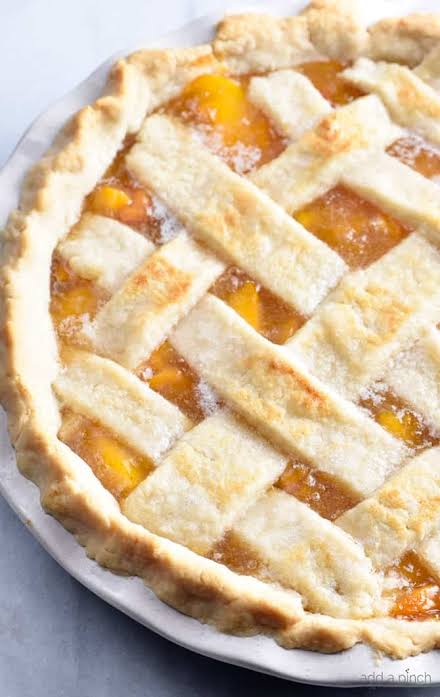
A peach cobbler cinnamon roll? Maybe, maybe not. I grew up in a household that was all pie and no cake (read my take on pies in Any Way You Slice It). My mother used to make delicious hot fruit pies from scratch. Cherry, lemon meringue, apple, and peach, and there might’ve been a blueberry in there somewhere as well. The cherry was always my favorite but the peach was a close second. My mother knew how to make a homemade crust, with the wonderful latticework on top to finish off the look. She also knew what ingredients went into the pie to give it just the right consistency.
 So go figure; I love hot peach pie even if I don’t love peaches. Maybe I had too many as a kid (not by choice), sliced into a bowl and served with cream. Maybe the sugar and crust of the pie somehow makes the peaches more palatable. Whatever the reason, I know I’ll be visiting the The Peach Cobbler Factory and giving their products a try.
No, no, NO! Peaches are a big deal around here, evidenced by the groves (no, not “orchards”) of trees just about everywhere you look. South Carolina harvests over 90,000 tons of the fuzz balls every year, over twice as many as our neighbor to the west. That’s right; Georgia may consider itself “The Peach State” (as their signs boast when we cross the Savannah River) and their pretty girls might be “Georgia Peaches”, but South Carolinians know which state really delivers the fruit. On that note, here’s more peach trivia:
- The peaches you buy at the market are likely a local product, but no country produces them in numbers like China does. If you added up the peach production from every country in the world you wouldn’t be close to half the number coming out of China.
- A nectarine is technically a peach. So is an apricot. The fruits are only separated by one recessive gene (causing the “shaved” look of a nectarine). You can even find peaches and nectarines growing on the same tree.
- Peaches come in 300 varieties. The “yellow” is the one you’re familiar with but the white is more common. Peaches can also look like donuts (flatter, with a hole in the middle). They’re categorized as “freestone” or “clingstone” according to how the pit separates (or doesn’t) from the fruit itself.
- Peach fuzz is a form of defense. It protects the fruit from the rot brought on by surface water. It also discourages bugs from taking a bite. Maybe I should skip my morning shave whenever I work in the backyard?
 I’ll be sure to report back after I give The Peach Cobbler Factory a try. I’m hoping their signature dessert is as peachy keen as Mom used to make. Of course, it’ll be cobbler – not pie – which adds to today’s trivia. With a cobbler I don’t get a crust under the fruit… only on top. That’s okay. As long as it’s hot and a la mode I’ll be transported back to the pie days of my youth. With desserts like those, who needs cake?
Some content sourced from the Lane Southern Orchards website, and Wikipedia, “the free encyclopedia”.
———————————————————–
LEGO Neuschwanstein Castle – Update #5 (read about the start of this project in Fit for a (Fairy Tale) King
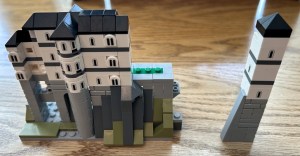
Neuschwanstein’s “bower” As predicted, we’ll continue to build this castle in modules. Bag 9 came together in a cool eighteen minutes, but Bag 10 was another test of patience with more of those tiny, tiny pieces. The end result of both bags is the structure and tower you see above, carefully snapped into the surrounding model after I completed it. It’s known as a “bower”, a private apartment for the ladies of the house. Fancy digs, no?
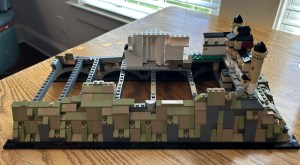
Before installation of the bower 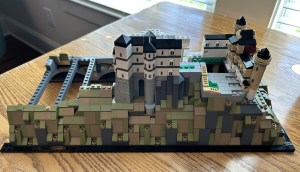
After… I would’ve loved to see the bower in all its glory. The fact is, with only 14 of Neuschwanstein’s 200 rooms completed the bower is likely just the elegant exterior walls you see here and nothing else. And those walls are full of windows, aren’t they? I’ve added dozens of windows to the castle (with several dozen more to go). And – painful lesson – those windows need to be oriented correctly. I got one wrong on the lowest level of the bower, which meant several steps of deconstruction/reconstruction. Not so fun.
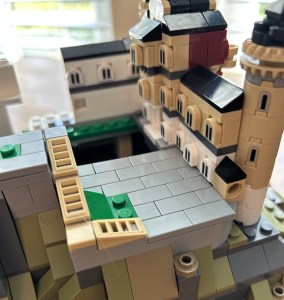
Lower courtyard Here’s a close-up of Neuschwanstein’s “lower courtyard”. It’s where King Ludwig would’ve welcomed his guests when they arrived. It’s also where you – should you choose to visit – will begin your tour of this magnificent structure. When all’s said and done, the castle itself will utterly tower over this courtyard, a statement about not only the castle but also Ludwig himself.
Running build time: 5:07.
Total leftover pieces: 37.
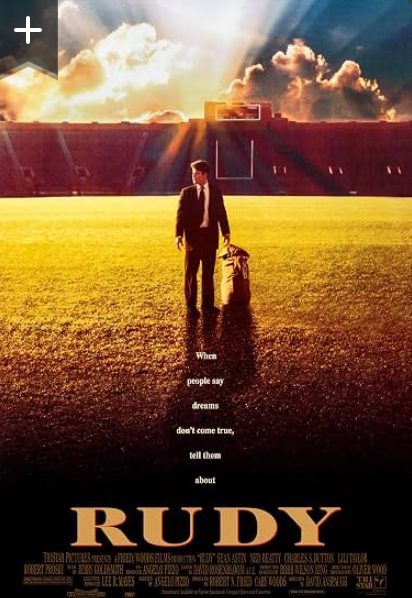
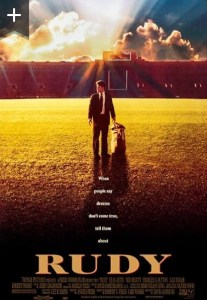 Accompanying movie soundtrack: Rudy (1993). I can’t believe this movie came out over thirty years ago. Then again, I can’t believe I graduated from Notre Dame over forty years ago. Extreme bias aside, Rudy is a story of perseverance unlike any other. Just when you think Rudy Ruettiger can’t 1) Get accepted into Notre Dame, 2) Make the football team, 3) Actually play in a football game… Rudy delivers the goods time and again. You need hear only a few seconds of the flute-soloed theme to know most of the soundtrack. I can tie every bit of the music back to specific scenes in the move but that’s just me, a Notre Dame fanatic. I’ll be watching my Fighting Irish – in person – this weekend as they take on Wisconsin at Green Bay’s Lambeau Field. Meanwhile, you’ll be listening to the Rudy soundtrack. Here.









About Me
The sky is not completely dark at night. Were the sky absolutely dark, one would not be able to see the silhouette of an object against the sky.
Follow Me On
Subscribe To My Newsletter
Subscribe for new travel stories and exclusive content.

