
Hello, I’m Veronica
The sky is not completely dark at night. Were the sky absolutely dark, one would not be able to see the silhouette of an object against the sky.


-
Hold The Phone!
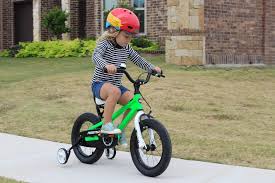
My wife and I live in the kind of neighborhood where we can just hop on our bikes and go for a ride, straight from the driveway. The streets are quiet and flat, giving us time for conversation and reflection. A bike was such a focal part of my childhood that it’s easy to go back to those long-ago days in my mind. But I was too young to remember the year (or years) my bike had training wheels. Whoever invented training wheels made a lot of money getting kids comfortable with “big bikes”. Come to think of it, you could say the same about landlines and smartphones.
 Smartphones are a blessing as well as a curse, aren’t they? On the one hand they’re always “on” and always eager to provide the instant information we crave. On the other hand they seduce and consume us, to where our social life is more often with an electronic device than it is with other humans. I’m sure I could find plenty of studies explaining why the “ding” of a text creates a hankering to read the message immediately (no matter how unimportant).
 There are a dozen reasons why my smartphone is my “go-to” but a dozen more where I should be saying, “go away”. I’ll never forget the time we saw Lady A in concert. A family of five sat in front of us, with three pre-teen girls giddy to get the live performance started. But when the concert finally began, they popped up their phones and recorded the entire show start to finish. Someone forgot to tell them to enjoy the moment.
Here’s another example. You’re at a restaurant enjoying dinner with your significant other, when another couple across the room catches your eye. They’re facing each other, their dinner plates untouched in front of them. Their heads are bent low as if in quiet conversation. But in fact, both are on their phones and not saying a word to each other. Someone forgot to tell them to enjoy the moment.
 I’m grateful I was raised in a generation without smartphones. The memories I have of landlines are not only nostalgic but includ plenty of teaching moments for a child. In my early years (the ones with a single digit) I was never allowed to answer the phone. In fact, the only time I was allowed to even speak on the phone was when my mother would hand over the receiver and say “Here, talk to Grandma while I finish making dinner”.
 When my parents deemed me old enough to answer the phone, I learned to answer formally (as in “Hello? Wilson Residence.”) because there was no such thing as Caller ID. I also learned how to engage in conversation, instead of just listening to the person on the other end of the line. Finally, I learned that everything comes at a cost, because eventually my father installed a separate landline for his five sons, and charged them for those hours-long calls to girlfriends and such.
Landlines may be few and far between these days but they’re making something of a comeback, at least for parents who see them as “training wheels”. Call me old-fashioned but a landline requires a person to a) Drop what they’re doing to answer the call, b) Have one-on-one conversation with no texts or emojis, c) Give the call their full attention (speakerphones aside), and most importantly d) Develop the communication skills a person needs in the “real world”.
 I’m told there’s a resurgence of cell phones out there that do nothing more than allow for voice calls. They’re like a landline in your hand, without the temptations of texting, emailing, social media, and everything else that puts a voice call in last place. And they still give a child the option to dial Mom, Dad, or even 9-1-1 in an emergency. For those taking this approach to teach their kids how to get comfortable engaging in conversation (let alone speaking like an adult) I say “smart phone”. And “smart parents”.
Some content sourced from the CNN Health article, “Landline are ringing in homes again…”.
-
Goddess of Green
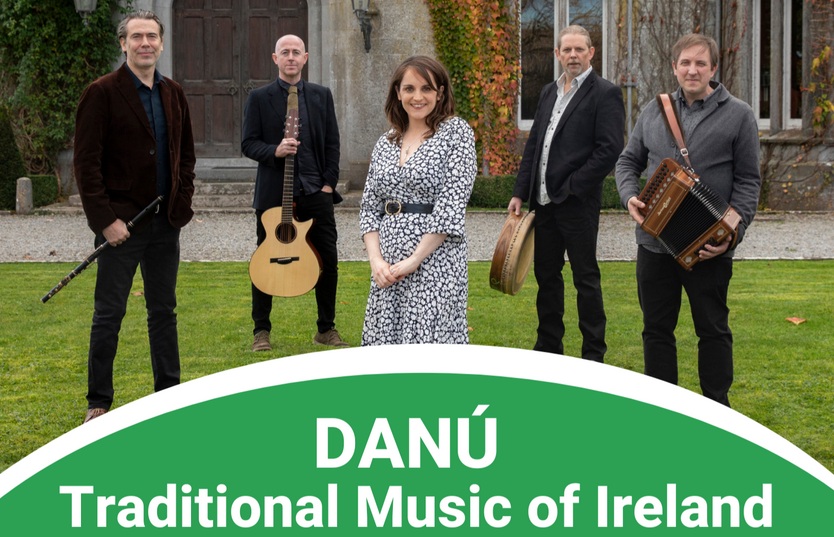
Green Goddess is a salad dressing with long-ago origins in France, created by a chef who wanted to top his dish of green eel with an equally green topping (still with me?). The Green Goddess, Danú, is a figure of long-ago Irish mythology, associated with fertility, wisdom, and the land. Danú is also the name of the Irish troupe who put on a lively concert in our small town on Tuesday night.
 It was fitting to go to a performance of Irish music on St. Patrick’s Day. I grabbed a couple of seats the moment the offering was advertised. As it turned out, Danú’s was the brand of lively Irish jigging you’d otherwise find in the streets and bars of Dublin. More of the instrumental and less of the singing. More of the fast and less of the slow. And when there was singing it was mostly Gaelic, with a few words of translation about the story of the song beforehand. We had a “grand” time.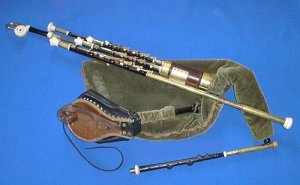
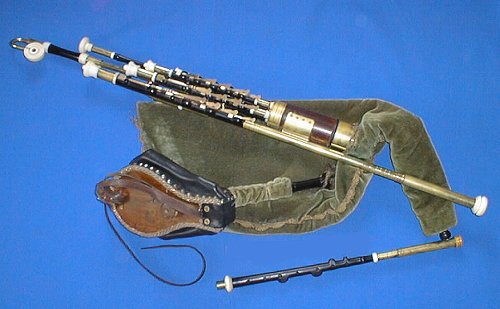
Irish Pipes Danú’s musical instruments (and the remarkable talent behind them) were as alluring as the music they produced. I mean, who wouldn’t be drawn to a concert of tin whistle, fiddle, button accordion, bouzouki, and Irish pipes? The pipes, also called the uillleann, is a device played sitting down, where the bellows is compressed between the arm and the body to generate the air, producing a wail that sounds decidedly Irish (because were I to claim “decidedly Scottish” the Irish wouldn’t be at all happy about it).
My wife is one-quarter Irish, which may explain why we’re drawn to the music of “her country”. Danú is just the latest in a series of performances we’ve enjoyed over the years. Our initial foray into the genre was years ago in Colorado, when we first saw the group Celtic Thunder.
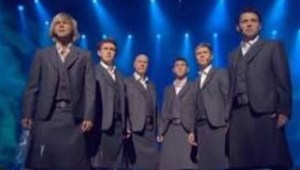
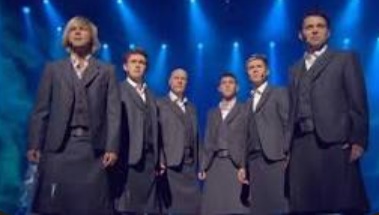
Celtic Thunder If you’ve seen their show, you know Celtic Thunder is as much about the theatrics as they are about the music. Like Danú their lyrics are nods to Irish mythology, but the sounds are decidedly more modern. Celtic Thunder came together just twenty years ago and in that time they’ve recorded a dozen albums, toured the world, and spun off several solo acts. If Celtic Thunder comes to your town, drop everything you’re doing and go see them.
One of the Thunder’s spin-off soloists is a favorite of ours to this day. Emmet Cahill is an Irish tenor whose success includes a #1 album on the Billboard charts, and performances in venues like Carnegie Hall and with the Tabernacle Choir. Cahill has the voice (and the accent) where it doesn’t really matter what he sings; his music is always captivating. Even better, Cahill performs most of his concerts in church sanctuaries where the acoustics allow for a cappella singing, not even needing the microphone. We’ve seen Cahill perform several times. You should too.

Mulrooney Finally (as if to top each performer with the next) we found yet another taste of Ireland’s music on her western shores – atop the breathtaking Cliffs of Moher. We took a bus tour from Dublin years ago, which cut all the way across the country and then headed south to the Cliffs. According to the locals we were lucky to visit the Cliffs on a sunny day, but I’d say we were really lucky to find Tina Mulrooney performing right there in the out-of-doors. Tina’s an accomplished harpist, with a soft soprano voice deserving of her instrument. She was parked alone on the cliffs, just sitting, singing, and playing her harp. Mulrooney is siren-seductive with her singing, akin to the music of Celtic Woman.
If Danú ever returns to our fair city we’ll probably leave the seats to others. Not that we didn’t enjoy ourselves on Tuesday night, but one night of “dancing in our chairs” was probably enough for a while. Now then, should Emmet Cahill or Tina Mulrooney choose to pass through? Then, then you’ll find us sitting front and center, hoping for just one more rendition of Danny Boy.
Some content sourced from Wikipedia, “the free encyclopedia”.
-
Card Tricks
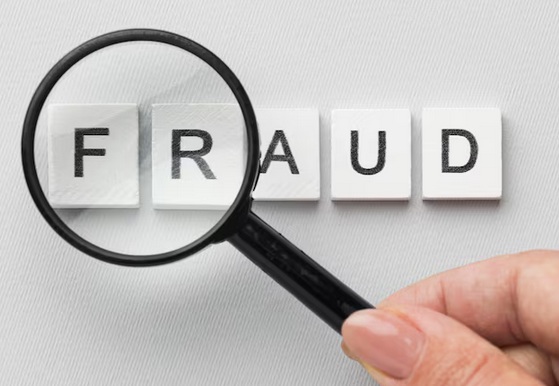
Every now and then a blog topic appears out of nowhere, looks you in the face, and says BOO! Our credit union called on Sunday to alert us to possible fraud on one of our cards. They took us through the process of verifying a few suspicious transactions. Then they put the account on hold and began the process of issuing new cards. It was the usual over-the-phone slog. Provide member number here, confirm home address there, several requests of “Can you please hold for a minute?”, and so on. But “so on” went from minutes to tens of minutes. Suddenly it occurred to us: the credit card fraud was happening right in front of us.
 If you’ve ever been a victim of fraud in any of its forms, it’s one of the most unsettling feelings I can ever describe. These cyber-thieves might as well just walk through your front door and help themselves to whatever they want. The fact that your phone sits on the counter patiently awaiting calls suggests you are open to the opportunity on any day, at any time. In this case I’m convinced the hack was deliberately timed. We were preparing dinner for visiting family on a weekend night. My wife and I were dashing about the kitchen with last-minute preparations The last thing we had time for was a phone call.
Trust can be established in the blink of an eye. The Caller ID on my wife’s phone showed the correct number and word-for-word name of our credit union. The caller identified himself in a business-like voice as an agent from the union’s fraud department. And shortly after calling, he sent us the typical text messages we’ve come to expect in these situations, showing our credit union’s logo and other validating information. In those first few moments of interaction, when your mind is focused on dinner and fraudulent charges, it just doesn’t occur to you to question the caller himself.
Of course, we committed a cardinal sin of fraud by simply answering the phone. Our credit union never has a live agent call us when they suspect fraud. Instead they leave a recorded message asking us to call back to verify the charges. When we call back we answer a few questions through an automated system, and the credit union takes it from there. Zero interaction with a real person from start to finish.
If there’s any good news in this experience, it’s that our Sunday evening caller didn’t succeed despite his determined efforts. After cutting short the call we promptly contacted our credit union and learned that yes, in fact, fraudulent charges had just been attempted on our card… and were declined. Whatever security bells and whistles were put in place to detect and deny this kind of activity worked exactly as they were meant to. But the fact remains, we pretty much opened the front door, greeted the scammer, and said, “Hey, come on in!”
The counter tactics for this sort of plunder are plentiful, of course. Some credit cards no longer use a static 16-digit number or security code. Most allow two layers of authentication before access. Others churn out text messages or emails when charges are considered suspicious. Then again, you can simply do what my mother-in-law does and pay for everything in cash. Not a bad idea to be honest, as long as cash remains an acceptable form of payment.
 It’s disheartening to live in a world where others are desperate (or evil) enough to develop sophisticated, practiced methods to steal by simply getting you to pick up the phone. In truth, this bandit has done me a favor. He’s heightened my awareness to such card tricks by his single invitation to sit down at the table and play. The next time this happens (and there will be a next time) I’ll be watching the cards very carefully. And you can bet I’ll be watching the magician himself even more so.
-
Confection Objections
Have you ever taken a bite of something and thought, “Nope, doesn’t taste right”? Gluten-free foods come to mind. Or salsa on a tortilla chip after the salsa’s turned south. There’s nothing more unnerving than expecting one taste and getting another. But at least with gluten-free (and bad salsa) you’re sort of prepared to be disappointed. The same can’t be said with more “sacred” foods. Like chocolate.
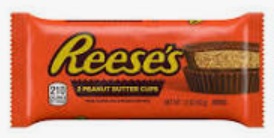
Perfect candy I ate my fair share of Hershey’s bars as a kid but once Reese’s Peanut Butter Cups came along I switched my preference. Reese’s somehow developed the perfect blend of peanut butter and milk chocolate into a convenient cup where you get both tastes in every bite. The two-cup packs never convinced me to save one for later, but they did give the impression I was getting more for my money.
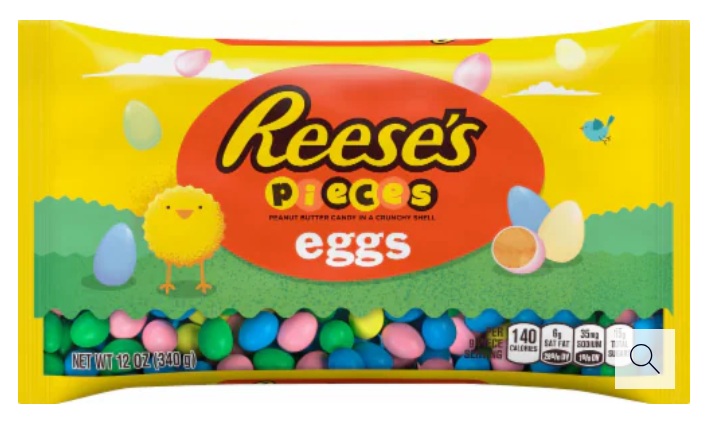
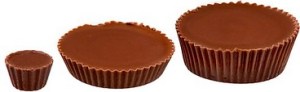 Some things are better left alone… but Reese’s never got the message. Instead, over the years they’ve produced endless varieties on the original peanut butter cup. Before you knew it we had a choice of sizes (including “Big Cup”), fillings (peanut butter and banana creme? Yuck!), and candy coatings, as well as holiday shapes like milk chocolate hearts, eggs, pumpkins, and bells, all with the peanut butter filling. Finally, Reese’s Pieces joined the list, made infinitely more popular by their supporting role in the blockbuster film E.T.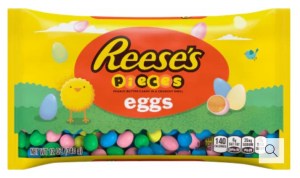
Imperfect candy The problem with variations on a Reese’s is the altered ratio of milk chocolate to peanut butter. I would’ve enjoyed standing in ole man Reese’s shoes back in the 1920s when he taste-tested his way to perfection. He should’ve put a patent on it, because too much milk chocolate or too much peanut butter just doesn’t taste right to me. But at least we’re talking about milk chocolate here. Now for the real injustice…
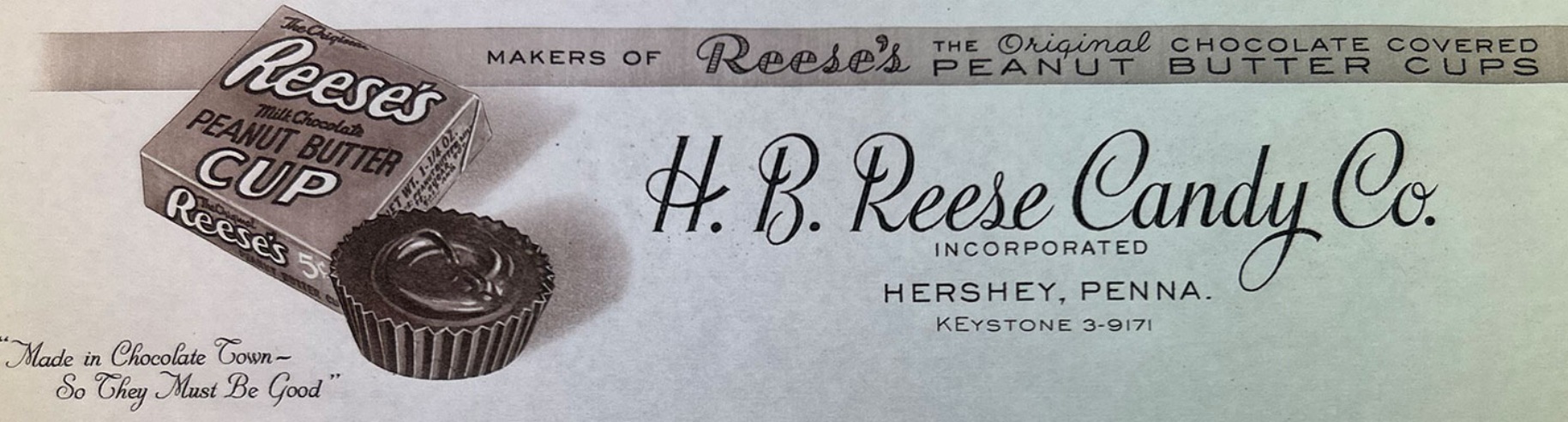
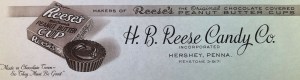 The H.B. Reese Candy Company became a subsidiary of Hershey in 1963. Their peanut butter cups instantly became Hershey’s bestseller (even surpassing the classic Hershey Bar). But recently, subtly, quietly, Hershey committed a mortal sin of the candy world. Rather than leaving well enough alone they changed the ingredients of a Reese’s Peanut Butter Cup. Soon to come, there will no longer be any milk chocolate in a Reese’s, at least not by proper definition. Instead, you’ll indulge in a “chocolate-flavored coating”. In the world of food, we all know flavoring is just another word for “artificial”.
  This little con of Hershey’s was brought to the headlines by none other than a grandson of H.B. Reese (and who can claim better peanut butter cup credentials than that?). Brad Reese is taking on Hershey for straying from the original recipe. Granted, the price of cocoa beans – the basis of real chocolate – has gone through the roof the last few years, forcing companies to get creative with size, price, or ingredients. I just wish Hershey offered me the option to still purchase the real thing.
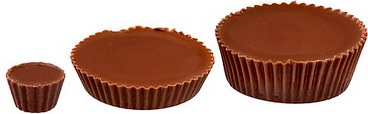
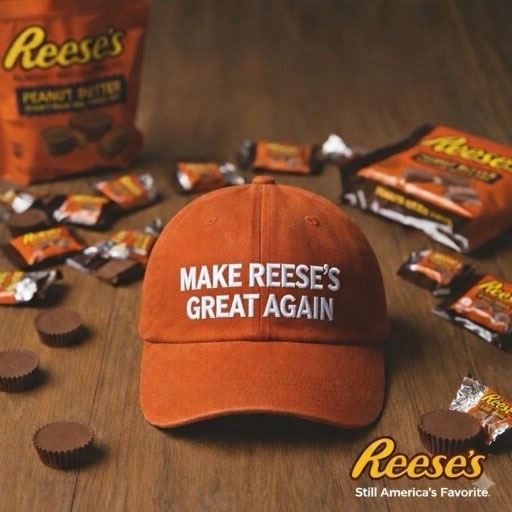
I’ve already noticed how Reese’s Peanut Butter Cups are shrinking. The originals were 0.9 ounces. Then they went to 0.8 ounces, then 0.75, and finally to the 0.7 juniors they are today. If Hershey keeps this up, you’ll start thinking the “original” is a “miniature”. I can make peace with shrinkage as long as the milk chocolate/peanut butter ratio stays the same. But now the words “milk chocolate” will be removed from the orange wrapper. Ask the FDA and they’ll say, “Sorry, “chocolate-flavored coating” is not the same as “milk chocolate”.
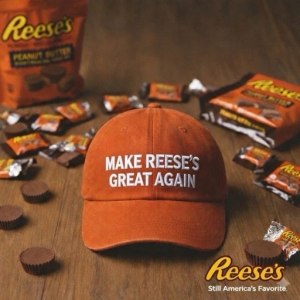 I’m joining Brad Reese’s campaign to restore Reese’s Peanut Butter Cups to their original composition. Some things are just worth their weight in gold. Not that I’d pay gold for a peanut butter cup, but show me the original size, ratio, and ingredients and I might just be tempted.
Some content sourced from the NBC News article, “Grandson of Reese’s Peanut Butter Cups is in pieces over missing milk chocolate”, and Wikipedia, “the free encyclopedia”.
-
Lucky Charms
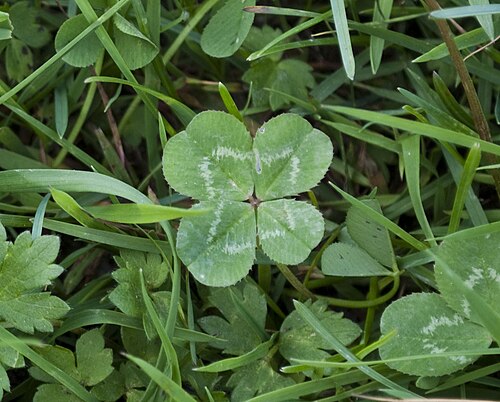
St. Patrick’s Day will be here in less than a month. The “holiday” is a once-a-year excuse to wear something green, pinch if you don’t, and carouse with abandon in the streets. There’s no real significance to any of it. On the other hand, St. Patrick’s Day gets me thinking about Ireland, leprechauns, and the four-leaf clover, which is a symbol of good luck. Just like Olympic Games mascots.

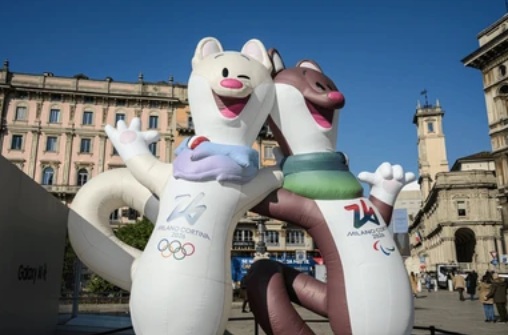
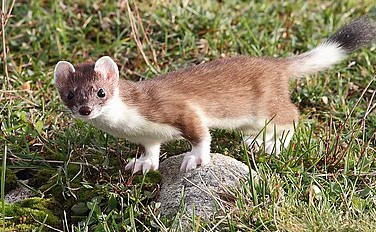
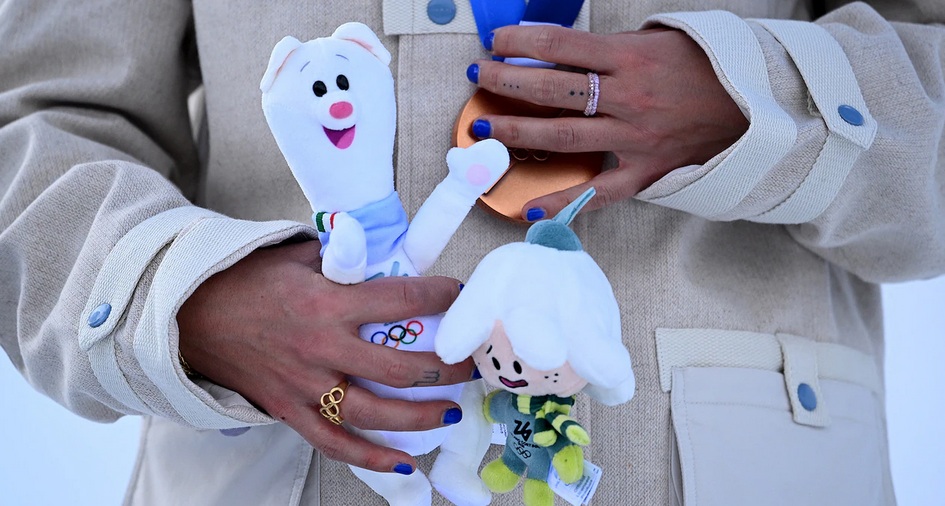
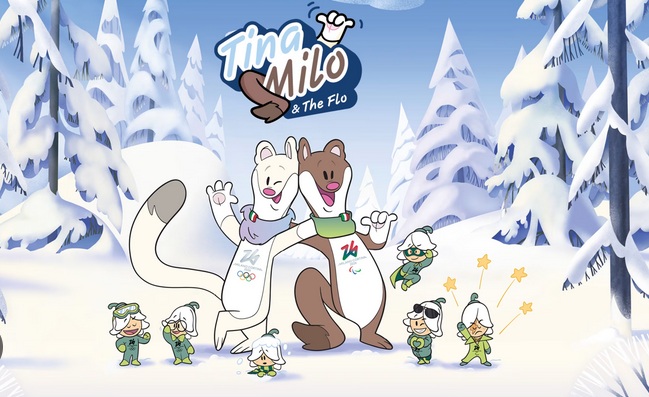
Tina and Milo Can you name the animals represented by the mascots at this year’s Winter Olympics? “Tina” and “Milo” (takeoffs on the cities of Cortina and Milan – nice) are stoats, which you’d hope to be furry and cuddly little creatures, but in fact are anything but. Stoats – first time I’ve heard the word – are “voracious predators”; carnivores in the same classification as otters, ferrets, and wolverines. They’re so aggressive they can take down prey six times their size. New Zealand used a bunch of them in hopes of controlling their rabbit population but instead the stoats wiped out untold numbers of a species of native bird.

Fierce cheerleader A stoat may seem like a curious choice for a mascot, but by definition it makes sense. Mascot (derived from the French mascotte or “lucky charm”) is supposed to drum up the competitive juices of fans and athletes; a sort of fierce cheerleader leading the charge to defeat the opposition. Yeah, that doesn’t quite work at the Olympic Games. As the host country you’re supposed to be friendly and cordial to the world’s visitors; not fist-pump and taunt as if to say, “Italy’s gonna take you out!”
Of course, that’s why Tina and Milo wear permanent smiles, colorful scarves, and make themselves available for purchase as soft stuffed animals instead of looking and acting like real stoats. They don’t want you to be afraid… they want you to spend.
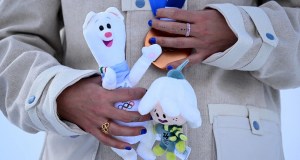
Tina and one of her “Flo” snowdrop flower friends Olympic mascots drum up the competition at the cash register, not at the venues. Mascots are the faces of the Olympics; at least, the marketing and merchandising faces. Over there in Italy, the “plushies” have been so popular they sold out within the first few days. Patrons complained of waiting over two hours in line at the Olympics “megastore” and walking away with zero stoats.
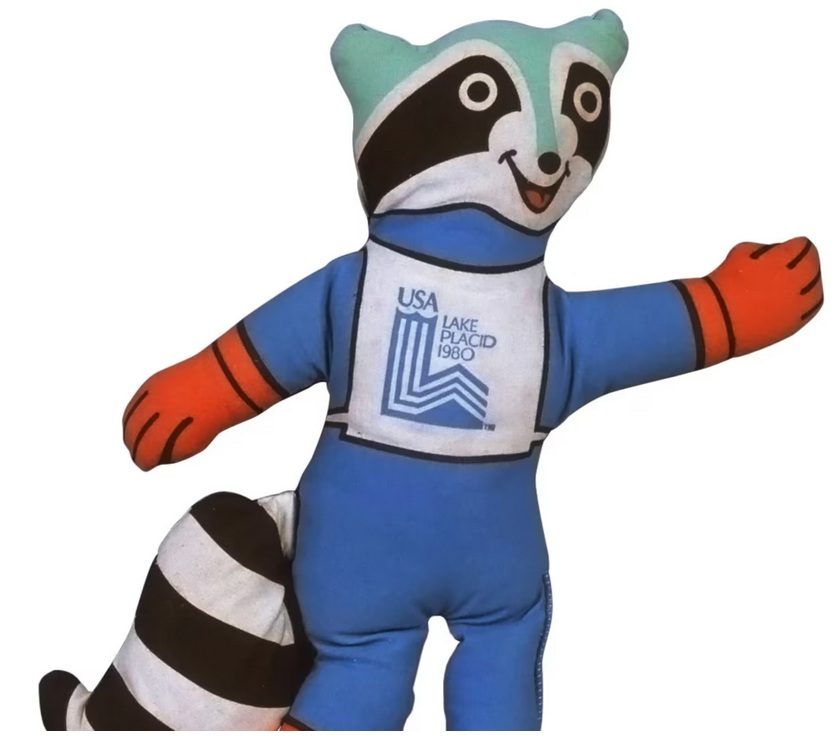
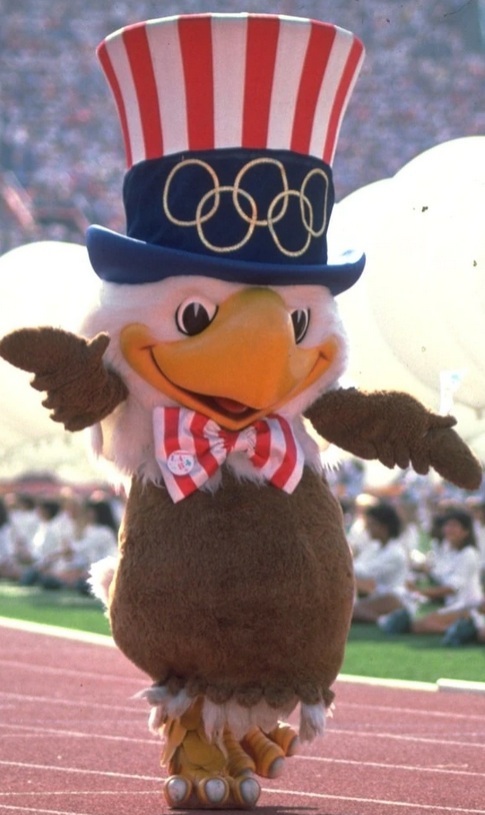
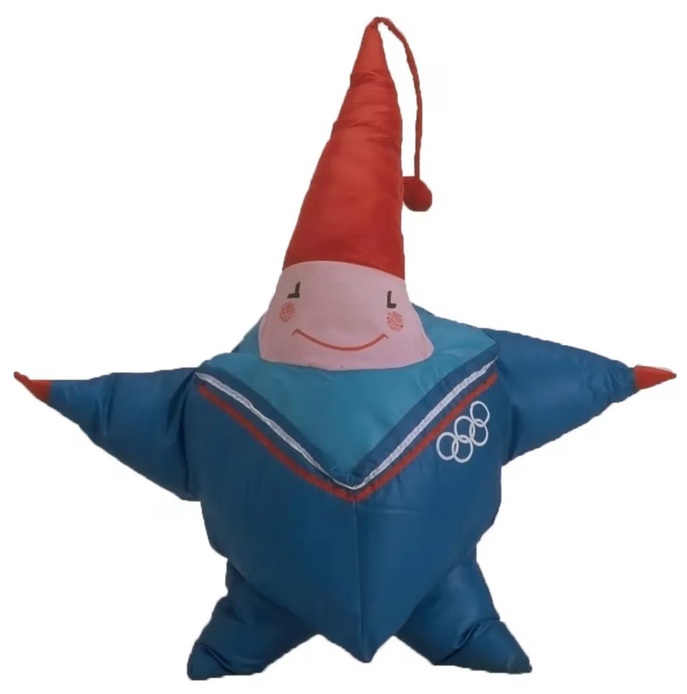
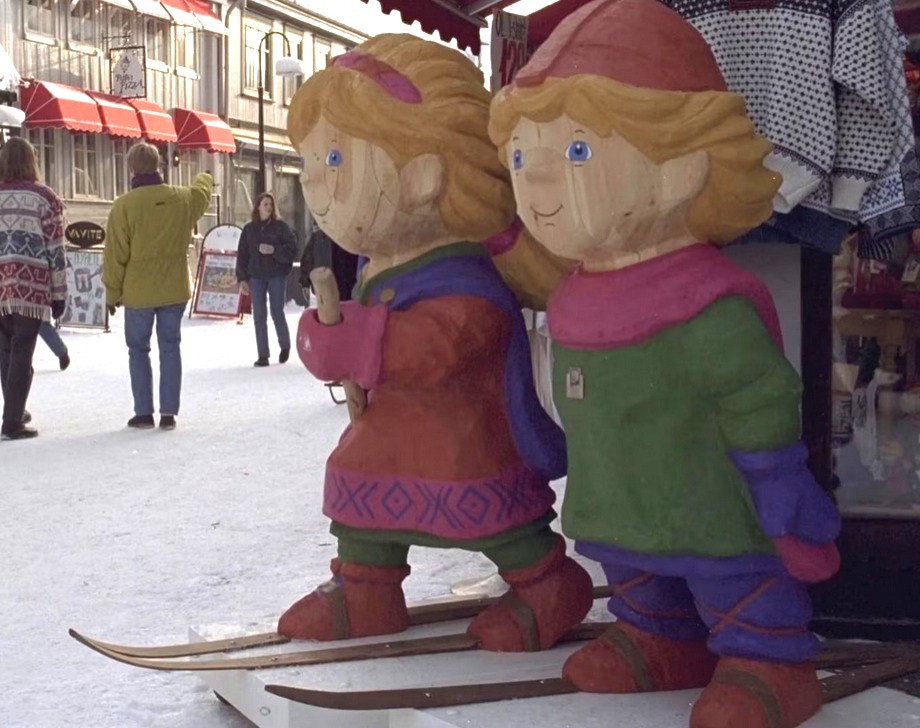
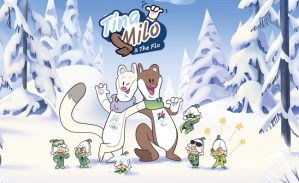 Tina and Milo are just latest in a long line of Olympic mascots dating back to the 1960s. It’s interesting to review the (every other) years and see those mascot names and faces again because, I don’t recognize a single one of them. It’s as if all the mascot fuss is extinguished along with each Olympic flame. Regardless, here are a few of my forgettable favorites: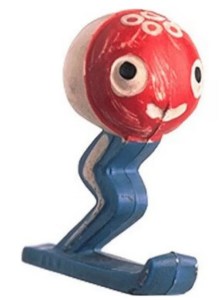
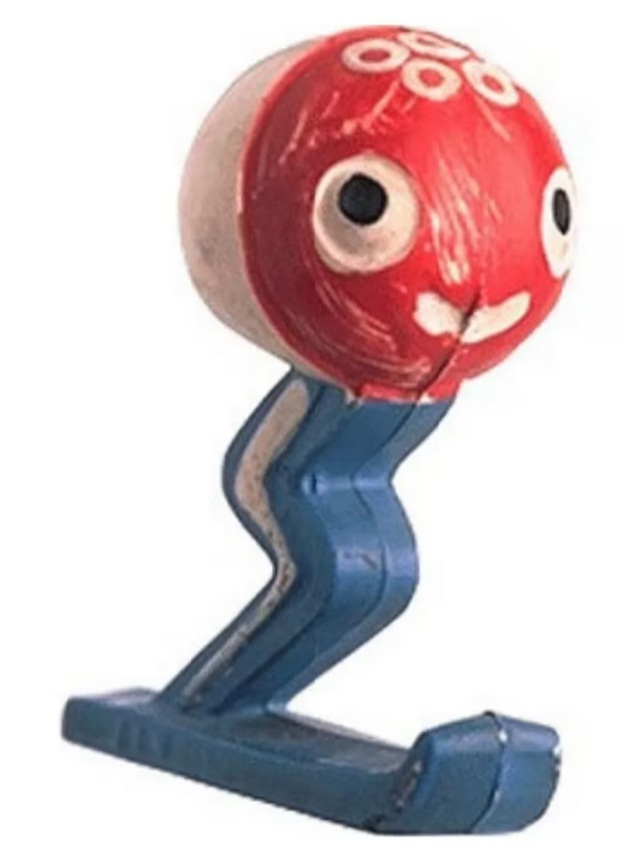
Shuss – the little man on skis – is the original Olympic Games mascot. He was created for the 1968 Winter Games in France, and is the first and last mascot you would consider resembling anything close to “human”.
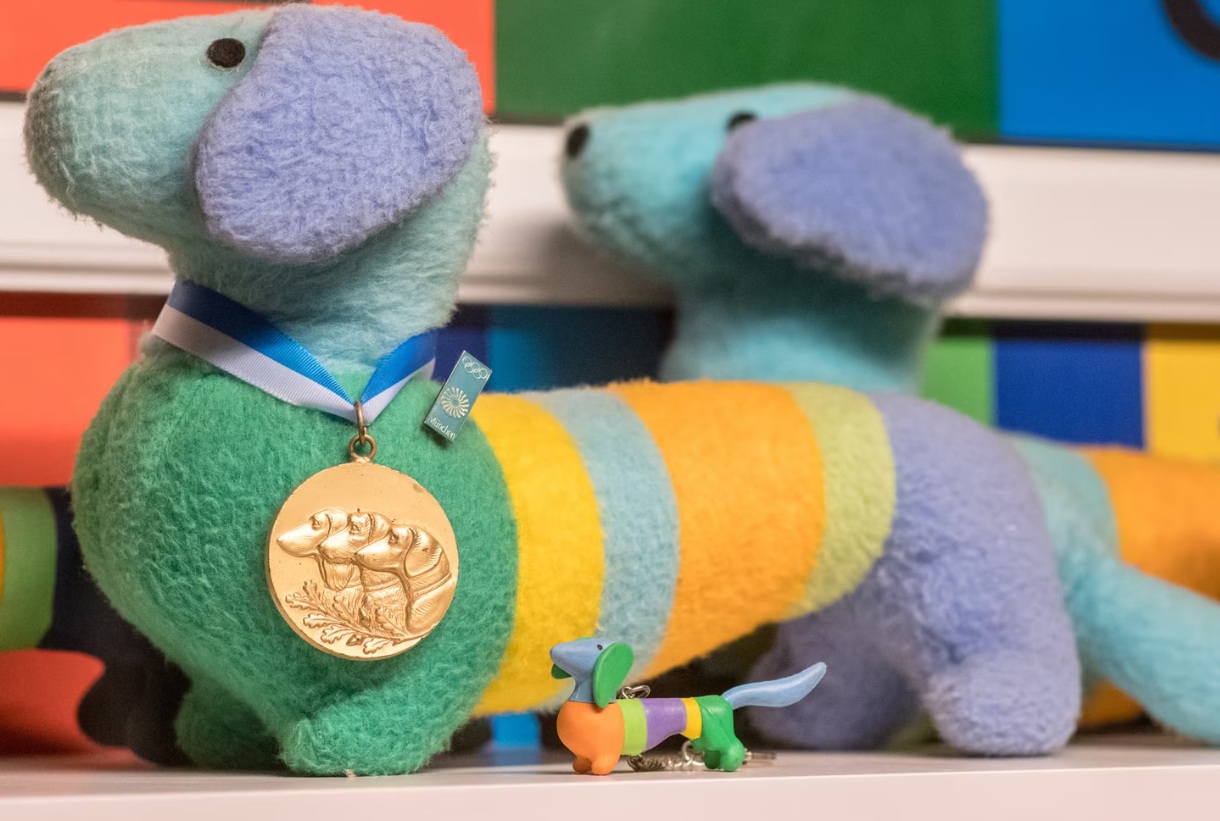
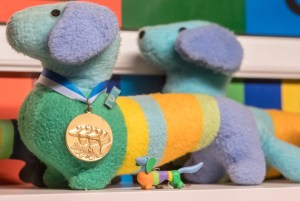 Waldi – a dachshund – came along just four years after Shuss. Perfect species of dog for a Games held in Germany, right? And here’s a clever detail: Waldi is shaped like the route of the Olympic marathon run through Munich.
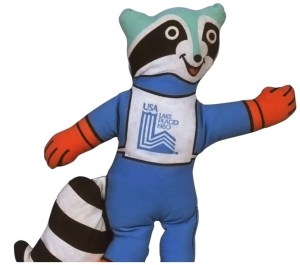 Roni – a racoon – was the mascot for the 1972 Winter Games in Lake Placid, and the first in line of what I’d consider unattractive U.S. Olympic mascots. I’ll pass on every one of them.
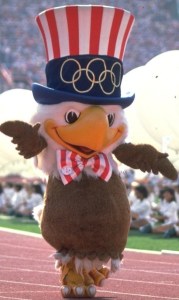 Sam – an eagle – hosted the 1984 Summer Games in Los Angeles. Okay, I get the “Uncle Sam” connection but I wouldn’t have stood two hours in line to buy this stuffed animal, would you?
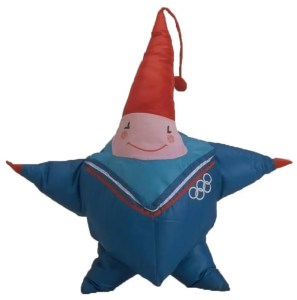 Magique – an I-don’t-know-what – “starred” at the 1992 Winter Games in Albertville, France. He (she?) actually isn’t so bad compared to several others on the list.
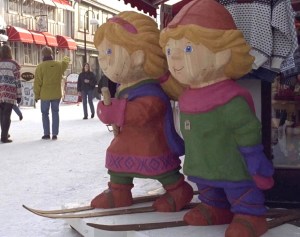 Haakon and Kristin – full-sized figures from Norwegian history – hosted the 1994 Winter Games in Lillehammer. Sorry, but doesn’t it look like Haak and Kris just want to come at you on their skis? The stuff of horror movies.
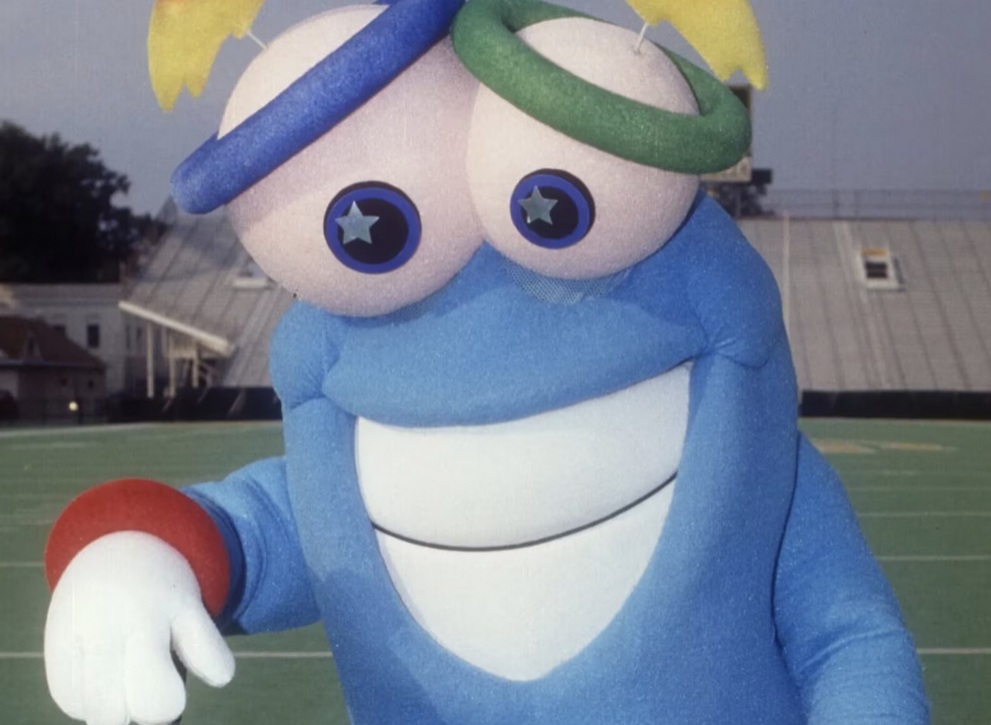
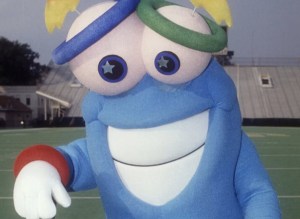 Izzy – another “I-don’t-know-what” – was all over the 1996 Summer Games in Atlanta. Leave it to the U.S. to come up with something neither human, animal, nor even “object”, yet somehow be the only mascot I can recall thirty years later.
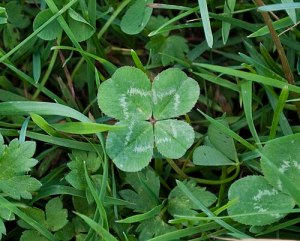 If a mascot translates to a good luck charm, perhaps that’s a good pitch to sell more stuffed animals at the Olympics. Not that these Winter Games need help selling stoats. No doubt you’ll find the ferocious furries on eBay as soon as the Games conclude. Which has me wondering, why would you overpay after the fact for something nobody will ever remember?
Some content sourced from the CNN Sports article, “Word of the Week: The adorable, lethal stoat…”, the NBCOlympics.com article, “A look back at Olympic mascots through the years”, and Wikipedia, “the free encyclopedia”.




About Me
The sky is not completely dark at night. Were the sky absolutely dark, one would not be able to see the silhouette of an object against the sky.
Follow Me On
Subscribe To My Newsletter
Subscribe for new travel stories and exclusive content.
 Life In A Word